
Are you struggling to keep your beautiful poinsettias thriving throughout the holiday season? One key factor in their health is nutrient availability, which is directly related to fertilization. But how often should you fertilize a poinsettia? The answer lies in striking the right balance between providing essential nutrients and avoiding over-fertilization, which can be detrimental to these sensitive plants. In this article, we’ll delve into the optimal fertilization schedule for poinsettias, including the impact of soil pH, organic vs synthetic options, and common mistakes to avoid. Whether you’re a seasoned plant enthusiast or just starting out with holiday decorating, our expert tips will help you make informed decisions about nutrient availability and adjust fertilizer applications to ensure your poinsettias reach their full potential.
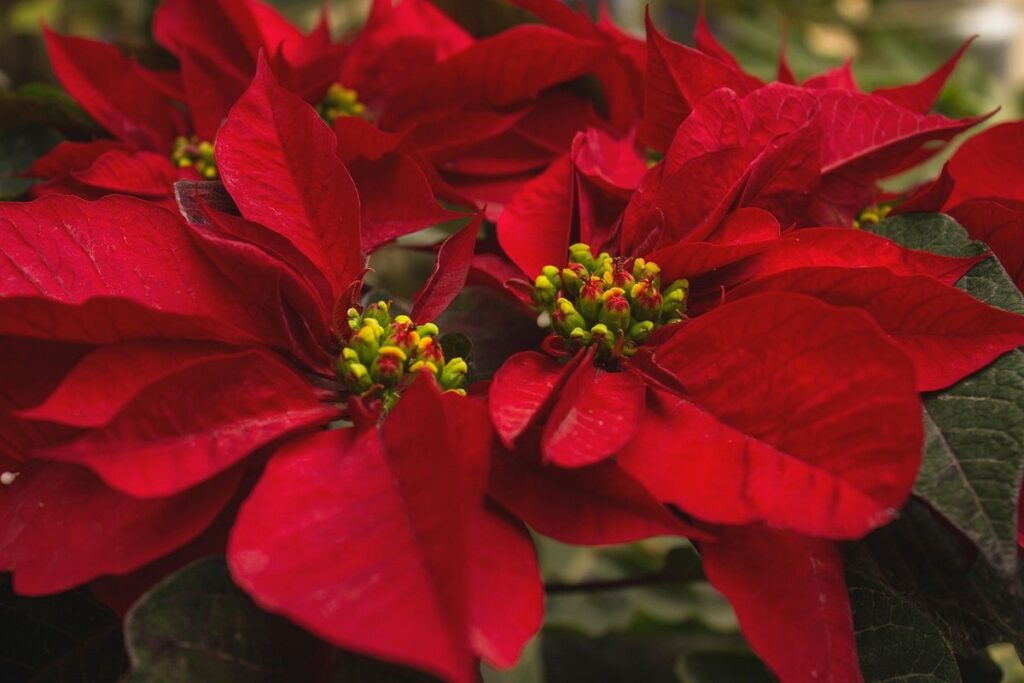
Understanding Poinsettia Nutrient Needs
To give your poinsettia the best chance at thriving, let’s dive into understanding its specific nutrient needs and how often it requires fertilization to maintain optimal health.
The Importance of Fertilization for Poinsettias
When it comes to growing stunning poinsettias, providing them with the right balance of nutrients is essential. Poinsettias require a balanced diet of nutrients to thrive, and fertilization plays a crucial role in meeting their nutritional needs.
Think of fertilization as giving your poinsettia a boost of energy to fuel its growth and development. Just like how we need a balanced meal to stay healthy, poinsettias need a mix of essential nutrients such as nitrogen (N), phosphorus (P), potassium (K), iron (Fe), magnesium (Mg), and sulfur (S) to grow strong and produce those beautiful flowers.
A well-fertilized poinsettia will have vibrant green leaves, produce plenty of blooms, and be less susceptible to disease. Conversely, a nutrient-deficient plant may experience stunted growth, weak stems, and fewer or no flowers at all. To ensure your poinsettia gets the nutrients it needs, use a balanced fertilizer that contains equal amounts of N-P-K (nitrogen-phosphorus-potassium). This will provide the necessary boost to support healthy growth and flowering.
Key Nutrients for Poinsettia Growth
Poinsettias require a balanced diet of essential macronutrients and micronutrients to thrive. The key macronutrients include nitrogen (N), phosphorus (P), and potassium (K), which are commonly represented as NPK on fertilizer labels. Nitrogen promotes leaf growth, while phosphorus encourages root development and flowering. Potassium supports overall plant health and resistance to disease.
In addition to these macronutrients, poinsettias also require several micronutrients, including iron, magnesium, and calcium. Iron is essential for photosynthesis, while magnesium helps with chlorophyll production and cell wall formation. Calcium plays a crucial role in maintaining cell structure and supporting root growth.
To provide your poinsettia with the necessary nutrients, look for a balanced fertilizer that contains NPK ratios of 20-20-20 or 15-30-15. You can also consider adding micronutrient supplements to address specific nutrient deficiencies. For example, if you notice yellowing leaves, it may indicate an iron deficiency, in which case you can apply an iron supplement according to the product’s instructions.
Choosing the Right Fertilizer
When it comes to fertilizing your poinsettia, selecting the right type of fertilizer is crucial for its overall health and vibrancy. Let’s explore some key factors to consider in choosing a suitable fertilizer.
Organic vs. Synthetic Fertilizers
When it comes to fertilizing your poinsettia, you’re likely considering two main types of options: organic and synthetic fertilizers. Both have their pros and cons, which we’ll break down below.
Organic fertilizers are made from natural ingredients such as fish emulsion, bone meal, or compost. They release nutrients slowly into the soil, promoting healthy root growth and preventing over-fertilization. This makes them an excellent choice for poinsettias, which prefer balanced and sustained nutrient delivery. Additionally, organic fertilizers tend to have a lower pH level, making them less likely to burn your plant’s roots.
On the other hand, synthetic fertilizers are highly concentrated and often contain chemicals such as nitrogen, phosphorus, and potassium (NPK). While they can provide an immediate boost of nutrients, overuse can harm your poinsettia. Synthetic fertilizers also tend to have a higher pH level, which may cause nutrient deficiencies if not monitored closely.
When choosing between the two, consider that poinsettias require a balanced diet with equal amounts of nitrogen, phosphorus, and potassium. Organic fertilizers provide this balance naturally, whereas synthetic fertilizers can be easily overused.
Balanced Fertilizers for Poinsettias
When it comes to fertilizing poinsettias, using balanced fertilizers that meet their nutritional needs is crucial. Poinsettias are heavy feeders and require a diet rich in nitrogen (N), phosphorus (P), and potassium (K) to promote healthy growth and blooming.
A well-balanced fertilizer should have an N-P-K ratio of 20-20-20 or 15-30-15, which provides adequate nutrients for poinsettias. However, some fertilizers may contain additional micronutrients like magnesium, calcium, and iron that are beneficial for these plants.
To choose the right balanced fertilizer for your poinsettia, look for products specifically labeled as “balanced” or “all-purpose.” Some popular options include Miracle-Gro Balanced Fertilizer and Espoma Organic Bio-tone Starter Fertilizer. When selecting a fertilizer, be sure to read the label carefully and follow the instructions for application rates.
Remember that over-fertilizing can harm your poinsettia, so it’s essential to use fertilizers judiciously. A general rule of thumb is to fertilize your poinsettia once a month during the growing season (spring and summer) and skip fertilization during the dormant period (fall and winter).
Fertilization Schedules
When it comes to fertilizing poinsettia, timing is everything. In this section, we’ll break down a sample fertilizer schedule for you to follow throughout the plant’s growth cycle.
Frequency of Fertilization
When it comes to fertilizing poinsettias, the frequency of application is crucial for their overall health and appearance. A well-planned fertilizer schedule can make all the difference between a vibrant, thriving plant and one that’s struggling to survive.
Poinsettias require regular feeding, especially during periods of active growth. Monthly fertilization is a good starting point, but it may not provide enough nutrients for plants in high-light conditions or those that are actively producing bracts (the colorful leaves). In these cases, bi-monthly fertilization may be necessary to ensure your poinsettia receives the necessary nutrients.
For seasonal schedules, consider the following:
* Spring and summer: Fertilize every 2-3 weeks during periods of active growth.
* Fall and winter: Reduce fertilizer applications to once a month, as plants are dormant and require fewer nutrients.
* During peak flowering periods (usually in November for poinsettias): Switch to a blooming formula that’s high in phosphorus to promote colorful bracts.
Keep in mind that over-fertilization can be detrimental to your plant. Always follow the instructions on your fertilizer package, and start with smaller applications to avoid burning your poinsettia’s roots.
Factors Affecting Fertilization Frequencies
The fertilization frequency of poinsettia plants can be influenced by several factors, including plant age, growth stage, and environmental conditions. As a grower, it’s essential to consider these factors to determine the optimal fertilization schedule for your poinsettias.
Plant age plays a significant role in determining fertilization frequencies. Young poinsettia plants require more frequent fertilization than mature ones. This is because young plants have a higher demand for nutrients to support their rapid growth and development. As a general rule, fertilize young poinsettias (less than 6 months old) every 7-10 days during the first month after potting, and then gradually reduce the frequency to once a week.
Environmental conditions also impact fertilization frequencies. For example, if you’re growing poinsettias in a warm and humid climate, you may need to adjust the fertilization schedule to prevent over-fertilization. On the other hand, cooler temperatures and lower humidity levels may require more frequent fertilization to promote healthy growth. Monitor your plants’ response to fertilization and adjust the schedule accordingly.
In addition to plant age and environmental conditions, the growth stage of poinsettias also affects fertilization frequencies. Poinsettias in the active growth phase (after pruning) require more frequent fertilization than those in the dormant phase. By considering these factors, you can develop a customized fertilization schedule that meets the unique needs of your poinsettia plants and promotes optimal growth and development.
Soil pH and Nutrient Availability
Soil pH plays a crucial role in nutrient availability, and understanding its impact is essential for poinsettia care. Let’s explore how soil pH affects fertilization in more detail.
The Impact of Soil pH on Poinsettia Nutrition
Soil pH plays a crucial role in determining nutrient availability for poinsettias. When it comes to fertilizing these plants, understanding soil pH is essential. A pH level that’s too high or too low can limit the uptake of essential nutrients.
For example, if the soil pH is too alkaline (above 7), phosphorus and micronutrients like iron and manganese become less available to the plant. Conversely, an acidic soil pH (below 6) can lead to excessive availability of aluminum ions, which can be toxic to poinsettias. The ideal soil pH for poinsettias is between 6.0 and 6.5.
To determine your poinsettia’s soil pH, use a pH meter or send a sample to a lab for testing. Based on the results, you can adjust your fertilization schedule accordingly. If your soil is too alkaline, add elemental sulfur to lower the pH. If it’s too acidic, apply dolomitic limestone to raise the pH.
Keep in mind that poinsettias have different nutrient requirements at various growth stages. A balanced fertilizer with a slightly acidic pH will promote healthy root development and overall plant growth.
Adjusting Fertilizer Type Based on Soil pH
When it comes to fertilizing poinsettias, understanding soil pH is crucial for delivering optimal nutrition. Most commercial potting mixes have a slightly acidic to neutral pH range (around 6.0-7.0), which suits the needs of most houseplants, including poinsettias. However, if your plant’s soil pH strays from this optimal range, you may need to adjust your fertilizer type.
For example, if your poinsettia is growing in alkaline-rich soil (pH above 7.0), it will require more phosphorus and magnesium but less nitrogen than usual. Conversely, acidic soils (pH below 6.0) demand higher levels of nitrogen and potassium to balance out the nutrient availability.
To adjust fertilizer type based on your poinsettia’s soil pH:
* For alkaline-rich soils: Use a fertilizer with a slightly acidic pH, such as Miracid or Scotts Osmocote Plus.
* For acidic soils: Opt for a balanced fertilizer like 20-20-20 (nitrogen-phosphorus-potassium) or a high-nitrogen fertilizer like Miracle-Gro.
Keep in mind that adjusting fertilizer type is not an exact science, so monitor your poinsettia’s response closely and adjust accordingly. Remember to always follow the recommended application rates on your chosen fertilizer label to avoid over-fertilizing and potential nutrient burn.
Common Fertilization Mistakes
When it comes to fertilizing your poinsettia, there are several common mistakes that can do more harm than good. Let’s take a look at what not to do and how you can avoid these pitfalls.
Overfertilization and Its Consequences
Overfertilization can be detrimental to your poinsettia’s health, leading to burning of its delicate roots and foliage. When the soil is saturated with excess nutrients, it causes an overgrowth of foliage at the expense of flowers and blooms. This results in a poinsettia that appears weak and spindly.
To prevent overfertilization, it’s essential to follow the recommended fertilization schedule for your poinsettia. Most poinsettias require a balanced fertilizer (20-20-20) applied at half the recommended strength during the growing season (spring and summer). However, be cautious not to confuse this with a “high-nitrogen” fertilizer, which can promote excessive leaf growth.
Keep an eye out for these warning signs of overfertilization: yellowing or browning leaves, weak stems, and a general decline in plant health. To avoid such issues, dilute your fertilizers according to the manufacturer’s instructions, and water your poinsettia thoroughly after application.
Underfertilization and Its Effects
Underfertilization occurs when poinsettias don’t receive enough nutrients to support optimal growth and development. This can be particularly problematic during periods of rapid growth, such as when the plant is producing bracts. Without sufficient fertilization, plants may exhibit stunted or weak growth, reduced flower production, and pale leaves.
One common issue associated with underfertilization is a lack of nutrient uptake by the roots. This can lead to nutrient deficiencies that manifest as yellowing or browning of leaf tips or edges. In severe cases, underfertilized poinsettias may drop their bracts, reducing the plant’s overall aesthetic appeal.
To avoid underfertilization, it’s essential to monitor your poinsettia’s fertilization needs regularly. Check the fertilizer package instructions for specific application rates and frequency recommendations. Generally, a balanced 20-20-20 (nitrogen-phosphorus-potassium) water-soluble fertilizer is suitable for poinsettias during periods of active growth.
Monitoring Poinsettia Nutrient Levels
To ensure your poinsettias thrive, it’s essential to monitor their nutrient levels regularly by checking for signs of deficiency and adjusting your fertilizer schedule accordingly. This is where monitoring comes into play.
Using Soil Test Kits for Accurate Analysis
Using soil test kits is an essential step in monitoring nutrient levels in poinsettias. These kits are available at most gardening stores and can be used to determine the pH level of the potting mix as well as the presence of various nutrients such as nitrogen, phosphorus, and potassium.
To use a soil test kit correctly, follow these steps:
* Start by selecting an area on the plant where the soil is moist but not waterlogged. This will give you an accurate reading.
* Insert the probe or testing strip into the soil according to the manufacturer’s instructions.
* Wait for the recommended amount of time for the results to appear.
* Compare your results with the chart provided in the kit to determine the pH level and nutrient levels.
For poinsettias, a slightly acidic to neutral pH range is preferred, between 6.0 and 7.0. If the test reveals that your poinsettia’s potting mix has a high pH, you may need to adjust it by adding elemental sulfur or other acidic materials. Similarly, if nutrient levels are low, you can use fertilizers specifically formulated for indoor plants like poinsettias. Regular testing will help you make informed decisions about fertilization and ensure your poinsettia receives the right nutrients at the right time.
Adjusting Fertilizer Applications Based on Test Results
When you receive the soil test results for your poinsettias, it’s essential to adjust your fertilizer applications accordingly. This ensures that your plants are receiving the right amount of nutrients to promote healthy growth and prevent over-fertilization.
Firstly, review the nutrient levels in your soil, paying attention to any deficiencies or excesses identified by the test. If the results indicate a lack of nitrogen, phosphorus, potassium, or other essential macronutrients, you’ll need to adjust your fertilizer program to address these deficiencies.
To optimize nutrition, consider implementing the following adjustments:
* For low nutrient levels, apply a balanced fertilizer at the recommended strength.
* For excessive nutrient levels, reduce the frequency or amount of fertilizer applications.
* Consider using slow-release fertilizers that provide nutrients gradually over time, rather than relying on quick-fix solutions.
* Also, make sure to rotate your fertilizers to avoid depleting specific micronutrients. For example, if you’re using a high-phosphorus fertilizer, switch to one with higher potassium levels in the next application cycle.
By adjusting your fertilizer applications based on soil test results, you can ensure that your poinsettias receive the right balance of nutrients to thrive throughout their growth cycle.
Frequently Asked Questions
Can I fertilize my poinsettia too little, or is overfertilization the only risk?
Yes, underfertilizing your poinsettia can also lead to nutritional deficiencies, which can be just as detrimental to its health as overfertilization. Make sure to balance fertilizer applications based on soil test results and adjust accordingly.
What are some common mistakes I should avoid when fertilizing my poinsettias?
Common mistakes include using too much fertilizer at once, neglecting to monitor soil pH levels, and applying fertilizer during the winter months when plants are dormant. Regularly testing your soil and adjusting fertilizer applications will help you avoid these pitfalls.
How often can I adjust my fertilization schedule based on changing environmental conditions?
Adjust your fertilization schedule as needed to reflect changes in temperature, humidity, or light exposure. For example, if your poinsettia is placed near a drafty window, it may require more frequent watering and potentially adjustments to fertilizer applications.
What type of soil test kit should I use for accurate analysis, and how often should I retest?
Use a comprehensive soil test kit that measures pH levels, nutrient availability, and other factors. Retest every 2-3 months or whenever you notice significant changes in your poinsettia’s growth or health.
Can I still fertilize my poinsettias if they’re already flowering?
While it’s technically possible to fertilize blooming poinsettias, it’s generally recommended to avoid fertilizing during this period as excessive nutrient uptake can lead to weakened blooms. Instead, focus on providing optimal conditions and nutrients before the plant starts producing flowers.