
Are you tired of wondering if that single kale plant is going to provide enough greens for your salads, smoothies, or sautéed side dishes? Maxing out yields per plant can be the key to making your garden more productive and efficient. But did you know that different kale varieties have unique growth habits and require specific care practices? Understanding these factors is crucial to getting the most out of your kale crop.
In this article, we’ll delve into the secrets of maximizing kale yields per plant by covering everything from choosing the right variety for your needs to optimizing harvesting techniques. We’ll explore how to provide the best growing conditions, prune and harvest at the perfect time, and more. By the end of it, you’ll be equipped with the knowledge needed to grow a bountiful kale crop and enjoy fresh, homegrown greens all season long.
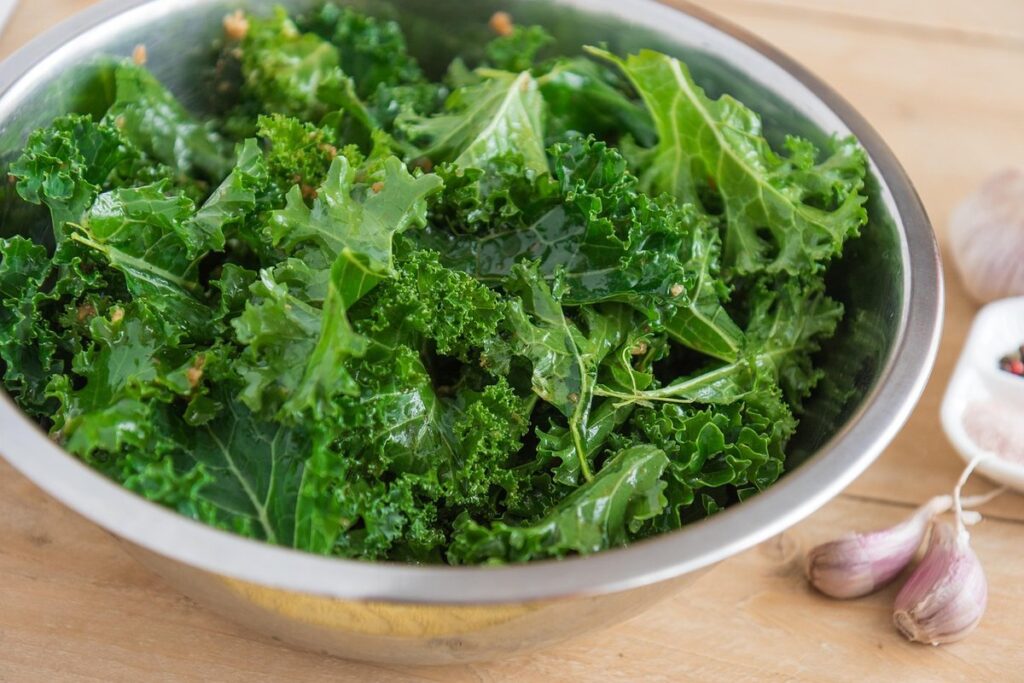
Understanding Kale Plants and Harvesting
Let’s take a closer look at the kale plant itself, exploring its unique characteristics that determine how much harvestable kale you can expect from one single plant.
Types of Kale: Varieties and Growth Habits
There are numerous types of kale plants to choose from, each with its unique characteristics and growth habits. If you’re new to growing kale, it’s essential to understand the differences between them to ensure a successful harvest.
Some popular varieties include ‘Lacinato’ (also known as ‘Dinosaur Kale’), ‘Curly-Leafed’, and ‘Red Russian’. Lacinato kale is known for its dark, narrow leaves with a slightly bitter taste. It grows relatively slowly compared to other types, but the payoff is well worth it – you can expect a larger head of kale with more tender leaves.
On the other hand, Curly-Leafed kale has a milder flavor and a faster growth rate than Lacinato. Its leaves are typically curly at the edges and grow in loose clusters. This variety is perfect for those who want to harvest their kale frequently throughout the season.
Red Russian kale has a slightly sweeter taste and prefers cooler temperatures. It grows relatively quickly, but its leaves may become more bitter if exposed to too much heat.
Factors Affecting Kale Yield
When it comes to growing kale, understanding the factors that affect its yield is crucial for maximizing your harvest. Soil quality is one of the most significant factors influencing kale growth. Kale prefers well-draining, fertile soil with a pH between 6.0 and 7.0. If your soil lacks nutrients or has poor drainage, you may need to amend it before planting.
Climate also plays a vital role in kale yield. Kale thrives in cooler temperatures, typically between 40°F and 70°F (4°C and 21°C). Avoid exposing your plants to extreme heat or frost, as this can damage the crop. Adequate watering is essential, but overwatering can lead to root rot and reduced yields.
Fertilization practices also impact kale growth. Feed your kale plants with a balanced fertilizer (10-10-10) once a month during the growing season. Mulching around the base of the plants helps retain moisture and suppress weeds.
To optimize these conditions, start by testing your soil pH and nutrient levels. Based on the results, make any necessary adjustments to create an ideal environment for kale growth. Keep in mind that overfertilization can be detrimental, so apply fertilizers sparingly. By providing your kale plants with optimal growing conditions, you’ll be well on your way to a bountiful harvest.
Calculating Kale Yields: Estimating Harvests per Plant
To estimate how much kale you can harvest from a single plant, let’s dive into some practical calculations to give you an idea of what to expect. We’ll examine yields based on various growing conditions and factors.
Average Kale Head Weights and Measures
When it comes to estimating harvests per plant, understanding average kale head weights is crucial. Different types of kale vary significantly in their weight ranges, which can impact the overall yield from a single plant.
Lacinato (also known as Tuscan) kale typically yields smaller heads, weighing between 6-10 ounces (170-280 grams). This type of kale is often preferred for its sweeter flavor and denser texture. On the other hand, Russian red and curly-leaf kale produce larger heads, ranging from 12-18 ounces (340-510 grams) each.
To give you a better idea, here are some approximate head weights for common kale varieties: Dwarf Blue Curled produces small to medium-sized heads weighing around 8-12 ounces (225-340 grams), while Rainbow and Redbor varieties yield slightly larger heads, typically between 10-15 ounces (280-425 grams) each.
Keep in mind that these weights can vary depending on factors like soil quality, climate, and care. When planning your kale crop, consider the specific variety you’re growing to get a more accurate estimate of its potential yield per plant.
Factors Affecting Head Size and Weight
When estimating kale yields per plant, it’s essential to consider various factors that can impact head size and weight. Weather conditions play a significant role in determining the quality and quantity of kale harvests. For instance, excessive heat or drought can cause the leaves to become scorched and wilted, leading to smaller heads and reduced yields.
On the other hand, consistent moisture and moderate temperatures can promote healthy growth and larger head sizes. Soil nutrient availability is another critical factor, as kale requires a balanced diet of nitrogen, phosphorus, and potassium to produce well-developed leaves and heads.
Pest and disease management also significantly affect kale head size and weight. Infestations or infections can cause damage to the plant, leading to reduced yields or smaller heads. For example, aphid infestations can lead to curled or distorted leaves, while fungal diseases like downy mildew can reduce photosynthesis and growth rates.
To optimize kale yields per plant, it’s crucial to monitor these factors closely and take corrective measures as needed. This includes maintaining optimal soil conditions, providing adequate irrigation, and implementing integrated pest management strategies. By controlling these variables, gardeners can predict their harvests more accurately and make the most of their kale crop.
Determining Harvest Frequency: When to Pick Kale
To maximize yields, you’ll want to determine when it’s best to harvest your kale plants, as over- and under-harvesting can impact future growth. Regular harvesting also encourages new leaves to grow.
Signs of Maturity: Visual Cues for Harvest Time
As you tend to your kale plant, it’s essential to recognize when it’s ready for harvesting. Visual cues can indicate that your kale is at its peak freshness and ready for the picking. One of the most noticeable changes is a shift in color. Mature kale leaves will transition from their deep green hue to a slightly more muted tone, often with hints of yellow or bronze.
Pay attention to leaf texture as well. Mature leaves will be less tender and may develop a slightly crinkled appearance. This change in texture is a sign that the plant has stored up its nutrients and energy, making it perfect for harvesting.
Stem strength is another indicator of harvest time. A mature kale stem will be sturdy enough to support the weight of several leaves without breaking. When you gently tug on a leaf, if it comes off cleanly and easily, it’s likely ready for harvest.
By monitoring these visual cues, you’ll know exactly when to pick your kale for optimal flavor and nutrition.
Factors Influencing Harvest Frequency: Temperature and Light
When it comes to determining harvest frequency for kale, understanding the impact of temperature and light on growth rates is crucial. Kale is a cool-season crop, which means it thrives in temperatures between 60°F to 70°F (15°C to 21°C). When temperatures rise above 75°F (24°C), kale growth slows down significantly.
On the other hand, light exposure has a profound effect on kale’s development. Insufficient light can lead to weak and spindly plants, while excessive light can cause them to bolt – go to seed prematurely. Aim for at least 4-6 hours of direct sunlight per day or provide supplemental lighting if you’re growing in a shaded area.
As a general rule of thumb, harvest your kale when the leaves are between 2-8 inches (5-20 cm) long and dark green. If temperatures are consistently above 75°F (24°C), consider harvesting every 7-10 days to encourage new growth and prevent bolting.
Maximizing Kale Yield per Plant: Tips for Extended Harvests
To get the most out of your kale plants, consider these expert tips on how to encourage a bountiful and extended harvest. By implementing these strategies, you’ll be enjoying homegrown kale for weeks to come!
Companion Planting Strategies for Improved Growth
When it comes to maximizing kale yield per plant, companion planting is a simple yet effective strategy that can make a significant difference. By strategically pairing certain plants with your kale crop, you can enhance growth, boost flavor, and even improve pest resistance.
Some ideal companions for kale include marigolds, which repel nematodes and other pests, while also attracting beneficial insects. Planting garlic nearby can deter aphids and spider mites, ensuring a healthier harvest. Basil is another great companion, as its strong scent deters pests like whiteflies and flies.
To implement this strategy, simply plant the chosen companions around your kale plants in a radius of 12-18 inches. This not only promotes growth but also creates a diverse ecosystem that fosters beneficial relationships between plants. By incorporating these easy-to-grow companions into your garden, you can enjoy an extended harvest period and maximize the potential yield from each individual kale plant.
Some specific examples to consider include planting marigolds around the perimeter of your bed or intercropping garlic with your kale rows. Remember, companion planting is all about creating a harmonious balance between plants – so experiment with different pairings to find what works best for you!
Techniques for Extending Harvest Seasons
To extend harvest seasons and keep your kale crop thriving throughout the year, several techniques come into play. Pruning is an effective method to encourage new growth and prevent bolting, a common issue that can render kale unpalatable. Regular pruning not only promotes healthy plant development but also directs energy towards leaf production, maximizing yields.
Thinning is another technique worth exploring. By removing weaker plants or seedlings, you allow the remaining ones to grow stronger and more robust, making them better equipped to withstand environmental stressors. This selective thinning process can be done at various stages of growth, from germination to maturity, depending on your specific needs.
Successional planting is a valuable strategy for maintaining a continuous supply of fresh kale. By sowing new batches every 1-2 weeks, you create a staggered harvest schedule that ensures a steady flow of produce throughout the growing season. This approach allows you to enjoy kale from multiple plantings at once, providing an extended harvest period without having to manage a single crop’s entire lifecycle.
Kale Plant Spacing and Layout: Optimizing Yields per Square Foot
When planning your kale garden, it’s essential to understand how plant spacing affects overall yields. By optimizing your layout, you can maximize the amount of kale from just one plant.
Recommended Kale Plant Spacings for Different Varieties
When it comes to maximizing kale yields per square foot, selecting the right plant spacing for your specific variety is crucial. Different types of kale have unique growth habits and leaf spreads that require tailored spacings to optimize air circulation and prevent disease.
For example, curly-leaf kale varieties like ‘Lacinato’ or ‘Dwarf Blue Curled’ can be planted 12-18 inches apart, allowing their loose, ruffled leaves to spread without overcrowding. On the other hand, tight-leaved varieties like ‘Russian Red’ or ‘Redbor’ need more space at 24-36 inches apart to prevent moisture from accumulating between the leaves and promoting disease.
For compact or dwarf varieties like ‘Vates’ or ‘Rouge d’Hiver’, you can plant as close as 6-12 inches apart, making them perfect for smaller gardens or container growing. Remember that these spacings assume a single row of plants; if you’re planting in blocks or beds, be sure to adjust accordingly to maintain air circulation and promote healthy growth.
Factors Influencing Yield Density: Soil Quality and Moisture Levels
Soil quality and moisture levels play a significant role in determining the yield density of kale crops. Kale plants prefer well-draining, fertile soil with a pH between 6.0 and 7.0. When the soil is rich in organic matter, it supports healthy microbial activity, which contributes to nutrient availability for the plant.
To create an optimal growing environment, maintain consistent moisture levels. Aim for about 1-2 inches of water per week, either through rainfall or irrigation. Kale plants are sensitive to drought, but overwatering can also lead to reduced yields due to root rot and other issues.
Test your soil regularly to ensure it’s within the ideal pH range and has sufficient nutrients. Add organic matter like compost or manure to improve soil structure and fertility. For example, a study by the University of California found that adding 2% compost to the soil increased kale yields by 23%. By focusing on these factors, you can create an environment conducive to high-yielding kale plants.
Incorporating cover crops before planting kale can also help improve soil health and structure. These crops add organic matter, suppress pests and diseases, and provide a nutrient-rich mulch for the kale plants.
Kale Plant Care and Maintenance: Best Practices for High Yields
To get the most out of your kale plant, it’s essential to understand how to properly care for and maintain it. In this section, we’ll share our top tips for achieving high yields from a single plant.
Regular Watering Schedules for Optimal Growth
When it comes to kale plant care and maintenance, watering is one of the most critical factors that determine optimal growth. To get the most out of your kale plants, you’ll want to establish a regular watering schedule that meets their needs throughout different stages of development.
Aim to water your kale plants when the top 2-3 inches of soil feel dry to the touch. As a general rule, this is usually every 2-3 days during hot weather and every 4-5 days in cooler conditions. However, make sure not to overwater your kale, as this can lead to root rot and other problems.
To maintain consistent moisture levels, consider installing a drip irrigation system or soaker hose that delivers water directly to the roots. For smaller plants, you can also use a watering can with a long spout to target specific areas of the plant. Regardless of which method you choose, be sure to check on your kale regularly and adjust your watering schedule as needed based on weather conditions and soil moisture levels.
Fertilization Strategies for Enhanced Kale Yield
When it comes to maximizing kale yields from one plant, fertilization plays a crucial role. A well-nourished kale plant is more likely to produce high-quality leaves and withstand environmental stressors. The right fertilizer can provide essential micronutrients like calcium, magnesium, and sulfur that promote healthy growth.
To select the best fertilizer for your kale plants, consider their nutrient requirements. Kale benefits from balanced fertilizers with a ratio of 10-10-10 (nitrogen-phosphorus-potassium). Organic options like compost tea or fish emulsion are excellent choices as they release nutrients slowly and promote beneficial soil microbes.
Application rates depend on the fertilizer type and plant growth stage. For example, apply a liquid fertilizer at half the recommended strength during seedling stages to prevent burning young roots. For mature plants, use a solid fertilizer in spring or fall when nutrient uptake is highest. Timing is key – fertilize kale in the morning or early afternoon to avoid scorching the leaves. By following these guidelines and adjusting your fertilization strategy according to plant growth, you’ll be well on your way to maximizing kale yields from one plant.
Conclusion: Harvesting Your Maximum Kale Potential
In conclusion, harvesting your maximum kale potential from one plant requires some basic knowledge of its growth patterns. It’s essential to understand that kale is a biennial crop, which means it takes two growing seasons to mature. However, with proper care and timing, you can enjoy multiple harvests from a single planting. To maximize yields, it’s recommended to harvest individual leaves as needed rather than pulling the entire plant at once.
This will allow the remaining leaves to continue growing, ensuring a continuous supply of fresh kale for several weeks or even months. Remember to also leave some of the plants intact to allow them to bolt and set seed, which can provide you with kale seeds for future planting. By following these simple tips, you’ll be enjoying a bountiful harvest from your kale crop in no time!
Frequently Asked Questions
How can I optimize my kale crop for year-round harvests?
Yes, by understanding the factors that influence yield density, such as soil quality and moisture levels, you can create an environment conducive to extended harvests. Additionally, consider companion planting strategies and regular watering schedules tailored to your specific climate and variety.
What’s the ideal spacing for different kale varieties?
Recommended plant spacings vary depending on the type of kale you’re growing. For example, ‘Lacinato’ (Dinosaur Kale) should be spaced 18-24 inches apart, while ‘Curly-Leafed’ kale can thrive in closer quarters at 12-18 inches. Research the specific spacing needs for your chosen variety to maximize yields per square foot.
Can I still harvest my kale if it’s been exposed to frost?
Yes, some kale varieties are more tolerant of frost than others. However, even hardy varieties like ‘Red Russian’ can be damaged or discolored by prolonged exposure to frost. To minimize damage, harvest your kale as soon as possible after a frost event, and consider protecting future plants with row covers or other frost protection methods.
How often should I fertilize my kale crop for optimal growth?
Fertilization strategies vary depending on the specific needs of your kale variety and soil type. As a general rule, aim to fertilize every 4-6 weeks during the growing season with a balanced fertilizer that includes nitrogen, phosphorus, and potassium (NPK). Adjust your fertilizer schedule based on soil test results and observe changes in plant growth.
What are some common mistakes to avoid when pruning and harvesting my kale?
Common mistakes include over-pruning, which can stress the plant and reduce yields; under-harvesting, allowing leaves to become bitter and unpalatable; and failing to remove lower leaves, which can lead to soil-borne diseases. Regularly inspect your plants for signs of maturity and harvest at the optimal time to ensure a bountiful crop.