
Are you eagerly waiting for your tree to finally produce its first batch of delicious fruits? It’s normal to wonder when your efforts in nurturing your trees will pay off. Understanding how many years until your trees bear fruit can be a game-changer, not just for impatient gardeners but also for those who want to optimize their cultivation techniques. The journey to fruit-bearing maturity involves considering several key factors, including climate and soil conditions that can either accelerate or hinder the process.
In this article, we will delve into the intricacies of tree growth and provide guidance on determining when your trees are ready to produce fruits. We’ll explore how factors such as weather patterns, soil quality, and maintenance strategies impact tree maturity, helping you create an ideal environment for optimal production. By the end of this post, you’ll have a better understanding of what influences fruit-bearing in your trees, allowing you to make informed decisions that will ensure a bountiful harvest.
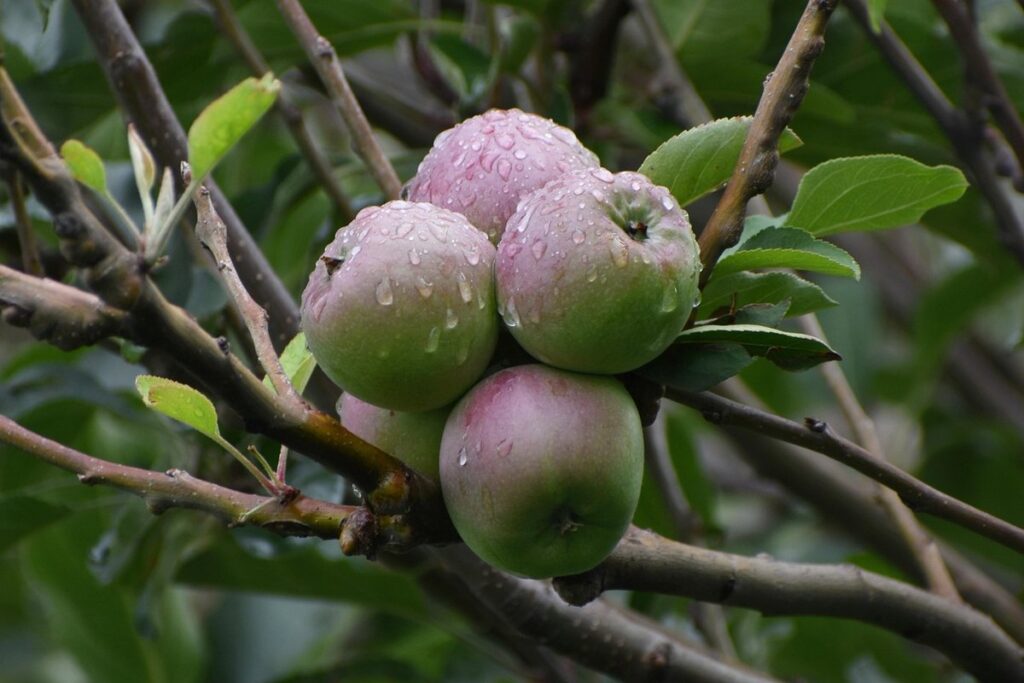
Understanding Tree Maturation and Fruiting
Let’s dive into the specifics of tree maturation, a crucial factor that determines when your trees will start producing fruit. This process can take anywhere from 2-10 years, depending on various factors.
Factors Influencing Tree Maturity
Tree maturity is influenced by several factors that are crucial to consider when cultivating fruit-bearing trees. Climate plays a significant role, with some tree species thriving in specific temperature and humidity ranges. For instance, citrus trees prefer warmer climates with temperatures between 64°F and 90°F (18°C and 32°C), while apple trees tolerate colder conditions.
Soil quality also affects tree maturity, as nutrient-rich soil promotes healthy growth and fruit production. Regular watering is essential, but overwatering can lead to root rot and stunt the tree’s growth. Pruning techniques, such as thinning, training, and shaping, help control the tree’s shape and promote even fruiting.
Lastly, tree species itself significantly impacts maturity. Some trees like dwarf varieties may start bearing fruit within 1-3 years after planting, while others can take up to 5-7 years or more to mature. It is essential to research the specific needs of your tree species and adapt your care routine accordingly.
Importance of Proper Planting and Care
Planting trees correctly is often overlooked, but it’s a crucial step in determining when they’ll bear fruit. Proper planting ensures that the tree develops a strong root system, which is essential for healthy growth and maturation. When roots are properly established, trees can absorb water and nutrients more efficiently, leading to faster growth rates.
Adequate care also plays a significant role in speeding up maturation. This includes regular watering, fertilization, pruning, and pest management. Pruning, in particular, helps control the tree’s shape, promoting even fruiting and reducing disease susceptibility. A well-maintained tree is better equipped to withstand environmental stressors like droughts or extreme temperatures.
Optimal growing conditions can further accelerate maturation. This involves choosing a suitable location with adequate sunlight, soil quality, and air circulation. Soil pH levels should be adjusted if necessary to ensure optimal nutrient uptake. By combining proper planting techniques, regular care, and optimal growing conditions, you’ll set your trees up for success, ultimately leading to faster fruit production.
Tree Species and Fruiting Times
Now that you know how to identify your tree species, let’s dive into when you can expect those delicious fruits to appear on your trees. We’ll cover the fruiting times for various popular tree species.
Deciduous Trees: A Brief Overview
Deciduous trees are one of the most popular types of fruit-bearing trees, and for good reason. They offer a wide range of delicious fruits that are perfect for snacking, cooking, and even making into jams and preserves. Let’s take a look at some common deciduous tree species and their typical growth habits.
Apple (Malus domestica) and cherry (Prunus avium) trees are two of the most widely cultivated deciduous fruit trees. Apple trees typically start producing fruit within 2-5 years after planting, with some varieties bearing fruit as early as 1 year after grafting. Cherry trees take a bit longer, usually requiring 3-5 years to produce their first crop.
Walnut (Juglans regia) trees are another popular deciduous tree species that can take a bit longer to mature. They typically require 6-8 years to start producing walnuts. However, with proper care and maintenance, walnut trees can live for up to 200 years or more.
When planting a deciduous fruit tree, it’s essential to choose a variety that is suitable for your climate and region. Some varieties are better suited for cooler temperatures, while others prefer warmer weather. Make sure to research the specific growing requirements for your chosen tree species to ensure optimal growth and fruit production.
Evergreen Trees: Unique Characteristics
Evergreen trees are a fascinating group of species that produce fruit year-round, providing a consistent supply of nutrients and flavors to gardeners. Among these, citrus, avocado, and olive trees stand out for their unique characteristics and adaptability.
Citrus trees, such as lemons, oranges, and grapefruits, typically take around 3-5 years to start producing fruit after planting. However, with proper care and pruning, they can continue to produce multiple crops per year. Avocado trees, on the other hand, may take up to 6-7 years to mature and begin producing fruit, but they can produce two crops per year once established.
Olive trees are known for their slow maturation process, often taking 10-15 years to reach full production after planting. But with patience and regular maintenance, they can provide a steady supply of olives for decades. When choosing evergreen trees for your garden, consider factors like climate, soil type, and available space to ensure optimal growth and fruiting.
To encourage early fruiting in evergreen trees, focus on providing consistent watering, fertilization, and pruning practices. By doing so, you can enjoy a bountiful harvest of fresh produce from your very own tree.
Factors Affecting Fruit Production
When it comes to fruit production, several factors can impact how long it takes for your trees to bear fruit. Let’s explore some of these key influences together.
Climate and Weather Patterns
Climate change and extreme weather events are having a profound impact on fruit production worldwide. As you wait for your trees to bear fruit, it’s essential to understand how climate variability affects tree maturation and fruit yields.
Temperature fluctuations play a significant role in determining the timing of tree flowering and fruit set. For example, apple trees typically require 1,000 to 1,200 chill hours (hours below 45°F) to break dormancy and produce fruit. However, warmer winters are causing some regions to experience inadequate chill hours, leading to reduced fruit yields.
Droughts and heatwaves also pose significant threats to fruit production. For instance, a severe drought in California’s Central Valley resulted in the loss of over $1 billion in cherry crop revenue in 2015. Tree water stress can cause premature defoliation, reducing photosynthesis and ultimately impacting fruit set.
To adapt to these changing conditions, consider planting climate-resilient tree varieties and implementing smart irrigation systems that monitor soil moisture levels. This will help ensure your trees receive the right amount of water during critical growth stages, increasing their chances of bearing fruit successfully.
Soil Quality and Nutrient Availability
Soil quality and nutrient availability play a crucial role in determining the health and productivity of your fruit trees. Just like humans need a balanced diet to grow strong and healthy, trees require a well-nourished soil environment to produce high-quality fruits. A good starting point is to check your soil’s pH level, which should ideally range between 6.0 and 7.0 for most fruit tree species.
However, many soils have become acidic or alkaline due to environmental factors, affecting nutrient availability. For instance, if your soil is too acidic (low pH), essential micronutrients like iron, zinc, and manganese may be unavailable to the trees. Conversely, high pH levels can lead to an overabundance of certain nutrients, causing deficiencies in others.
To improve soil quality, start by conducting a soil test to determine its nutrient content. Based on the results, you can adjust your fertilization schedule accordingly. It’s also essential to maintain optimal soil moisture and structure through techniques like mulching and composting. By addressing these underlying factors, you’ll be creating an ideal environment for your trees to thrive and produce an abundance of fruits in the years to come.
Tree Age and Fruiting Expectations
The age of your trees is a crucial factor in determining when they’ll start producing fruit, so let’s dive into some general guidelines for common tree varieties. This section will help you estimate the waiting time for your trees to bear fruit.
General Guidelines for Fruit-Bearing Ages
When it comes to tree fruiting, there’s no one-size-fits-all answer. Different types of trees have unique juvenile phases and maturation periods that influence when they start producing fruit. Here are some general guidelines for common fruit-bearing trees:
For deciduous trees like apples, pears, and cherries, the average age range for fruit production is 2-5 years after planting a nursery-grown tree or 5-7 years from seed. However, some dwarf varieties can produce flowers and fruit within 1-2 years of planting.
Evergreen trees like citrus, avocado, and mango typically take longer to mature – anywhere from 3-10 years after planting, depending on factors such as climate, soil quality, and rootstock selection. Dwarf or semi-dwarf varieties can accelerate this process by 1-2 years.
Keep in mind that these estimates are approximate and can vary significantly based on specific growing conditions and tree care practices. Factors like sunlight, watering, pruning, and fertilization all impact a tree’s ability to produce fruit. To ensure your trees reach their full potential, provide optimal care and be patient – it may take several years for them to start bearing fruit.
Factors That May Delay or Accelerate Fruiting
The age of a tree is not the only factor that determines when it will start producing fruit. Several other factors can influence the timing and quality of fruiting, some of which are within your control as a tree owner.
Disease and pests can significantly delay or even prevent fruiting in trees. For example, a fungal disease like root rot can weaken the tree’s overall health, making it less likely to produce fruit. Similarly, pests like aphids and scales can suck sap from leaves and stems, disrupting photosynthesis and reducing fruit production.
Proper pruning practices are also crucial for promoting healthy fruiting. Pruning not only removes diseased or damaged branches but also encourages the growth of strong, fruit-bearing limbs. However, over-pruning can stress the tree and reduce fruit production in the short term.
Grafting techniques can also impact fruiting timing. Grafted trees may produce fruit sooner than seed-grown trees, as the grafting process involves combining a mature root system with a young scion. This allows the tree to start producing fruit more quickly.
Maintaining Healthy Trees for Optimal Fruit Production
To ensure your trees produce a bountiful harvest, it’s essential to maintain their health through regular care and attention, such as pruning and fertilization.
Regular Pruning and Training Techniques
Regular pruning and training techniques are crucial for promoting healthy growth, increasing fruit production, and maintaining tree structure. As a gardener waiting for your trees to bear fruit, it’s essential to adopt these practices from an early stage. Pruning not only helps remove diseased or damaged branches but also encourages the tree to focus its energy on producing fruit.
To promote vertical growth, prune your tree by removing any low-hanging branches that could rub against each other or be vulnerable to disease. This will allow air and sunlight to circulate freely around the canopy, reducing the risk of fungal diseases. For young trees (1-2 years old), prune every 6-8 weeks during the growing season to control height and encourage a balanced structure.
When training your tree, use a central leader or open center system, where one main stem grows upwards while lateral branches are allowed to grow outward. This allows for maximum sunlight penetration and ease of harvesting. As your tree matures (3-5 years old), prune annually to maintain shape and promote fruiting.
Pest and Disease Management Strategies
When it comes to maintaining healthy trees for optimal fruit production, pest and disease management is an essential aspect of tree care. Integrated Pest Management (IPM) strategies involve a holistic approach to managing pests and diseases, reducing the use of chemical pesticides and minimizing harm to beneficial insects and the environment.
A key component of IPM is monitoring your trees regularly for signs of pests or diseases. This includes inspecting leaves, stems, and fruit for any unusual changes or damage. Regular pruning can also help prevent pest and disease issues by removing infested or diseased branches.
To control diseases, focus on maintaining good air circulation around the tree, watering at soil level to avoid fungal growth, and removing any infected plant material. For example, if you notice powdery mildew on your apple tree‘s leaves, remove the affected area and treat with a fungicide specifically designed for fruit trees.
Some effective disease control measures include crop rotation, sanitation, and biological controls like introducing beneficial insects that prey on pests. By combining these strategies, you can create a healthy environment for your trees to thrive in, ultimately leading to better fruit production.
Conclusion: Nurturing Your Trees for Years of Abundant Fruiting
As you’ve now learned how many years it takes for your trees to bear fruit, it’s essential to nurture them properly to ensure a bountiful harvest. Regular pruning is key to promoting healthy growth and encouraging fruiting branches. For example, prune your apple tree annually in late winter or early spring to remove any dead, diseased, or damaged branches. This will help stimulate new growth and encourage the tree to produce more flowers and eventually, fruit.
By providing optimal growing conditions, including adequate water, nutrients, and sunlight, you’ll be giving your trees the best chance at producing an abundant harvest. Make sure to mulch around the base of the tree to retain moisture and suppress weeds. With proper care and attention, your trees will thrive for years to come, and you’ll enjoy a fruitful reward for your efforts.
Frequently Asked Questions
How long does it take for a tree to start producing fruit after pruning?
Pruning your trees can accelerate their growth, but the time it takes for them to produce fruit depends on various factors such as climate, soil quality, and species. Generally, you should see an increase in production within 1-2 years of pruning. However, some trees might take longer, so monitor their progress closely.
Can I still expect my tree to bear fruit if I’ve experienced a frost damage?
Yes, it’s possible for your tree to recover from frost damage and still produce fruits. The extent of the damage will determine how quickly it recovers. If you’ve taken steps to protect your trees during extreme weather conditions, their chances of recovery are higher.
How can I ensure that my soil quality supports optimal fruit production?
To optimize fruit production, focus on maintaining a balanced soil pH between 6.0 and 7.0, which is ideal for most tree species. Regularly test your soil to determine its nutrient levels and adjust accordingly. Adding organic matter like compost or manure can also improve soil fertility.
What’s the best way to handle pests that could harm my fruit-bearing trees?
Prevention is key when it comes to managing pests. Regularly inspect your trees for signs of infestation, and use integrated pest management techniques that combine physical barriers, cultural controls, and targeted pesticides. Encourage beneficial insects by maintaining a diverse ecosystem around your trees.
Can I speed up the tree maturation process using specific fertilizers or nutrients?
No, there’s no magic fertilizer or nutrient that can significantly accelerate the tree maturation process. Focus on providing optimal growing conditions, including proper planting, regular pruning, and integrated pest management. These practices will promote healthy growth and increase your chances of a bountiful harvest.