
When planning your garden, one question often comes to mind: how many tomato plants should I grow? It’s not just about personal preference; determining the ideal number of tomato plants for your space is crucial for a bountiful harvest. With so many factors at play – from available square footage and experience level to desired yields – it can be overwhelming to know where to start.
In this article, we’ll break down the essential considerations for calculating plant density and managing overcrowding in your tomato garden. You’ll learn how to scale up or down based on your needs, ensuring you get the most out of your space without sacrificing quality. We’ll cover everything from basic guidelines for beginners to expert-level strategies for maximizing production. By the end of this guide, you’ll be equipped with the knowledge to confidently determine the perfect number of tomato plants for your garden and enjoy a successful harvest season.
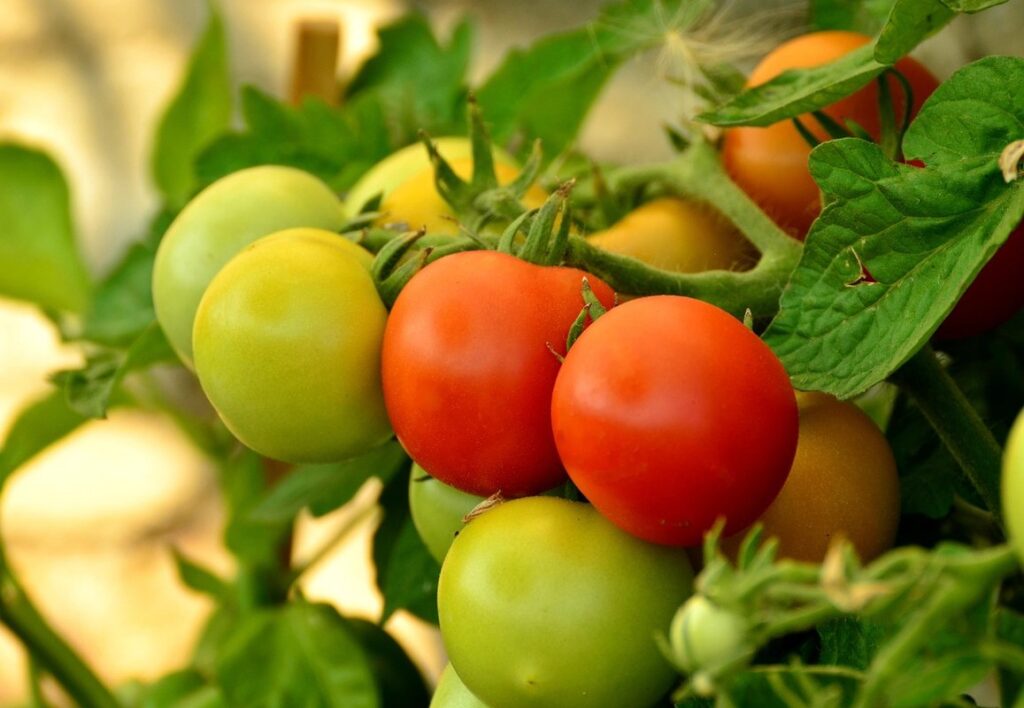
Determining Your Tomato Plant Requirements
To grow a bountiful tomato harvest, you need to know exactly how many plants will thrive in your garden space and climate. Let’s break down what factors influence this decision.
Understanding Your Growing Space and Limitations
When determining how many tomato plants you need, it’s essential to consider the space constraints of your growing area. Think about the available sunlight – do you have a spot that receives direct sunlight for at least six hours a day? If not, you’ll want to plan accordingly.
Another crucial factor is soil quality. What type of soil do you have, and how much space will each plant require for root growth? Overcrowding can lead to reduced yields, poor air circulation, and increased susceptibility to disease.
Consider the nearby obstacles as well – are there any trees or buildings that could block sunlight or make it difficult to access your plants? Even small spaces can be effectively utilized with careful planning. For example, a container garden on a balcony can be just as productive as one in a large backyard.
To avoid overcrowding, consider allocating about 2-3 square feet per indeterminate tomato plant and 1-2 square feet for determinate varieties. This will give your plants room to grow without becoming too congested.
Assessing Your Personal Gardening Experience and Objectives
To determine the right number of tomato plants for you, it’s essential to consider your personal gardening experience and objectives. Are you a seasoned gardener with years of experience under your belt, or is this your first time growing tomatoes? Your level of expertise will significantly impact the number of plants you can effectively care for.
Let’s face it; even experienced gardeners have limitations when it comes to the number of plants they can manage. If you’re looking to grow a large harvest or experiment with multiple varieties, you’ll need more plants than someone who’s just starting out. For instance, if you’re new to tomato gardening, it’s better to start small – perhaps 2-3 plants – and focus on mastering the basics before expanding your operation.
Consider what drives your desire for growing tomatoes in the first place. Do you want a steady supply of fresh produce throughout the summer? Or are you looking to can or preserve tomatoes for later use? These objectives will also impact the number of plants needed.
Calculating Tomato Plant Density
When growing tomatoes, it’s essential to calculate the optimal plant density for your specific garden space and desired yield. Let’s dive into the calculation methods that will help you get it just right.
The Role of Square Foot Gardening in Determining Plant Spacing
When it comes to calculating tomato plant density, square foot gardening techniques play a crucial role in determining optimal plant spacing. This method involves dividing your garden bed into small sections, typically 1×1 feet, and planting one or more plants per section depending on their mature size.
To apply this technique effectively, start by measuring the mature size of each tomato variety you plan to grow. For example, cherry tomatoes require about 2-3 square feet per plant, while larger beefsteak varieties need around 5-6 square feet per plant. With these measurements in mind, divide your garden bed into corresponding sections and assign a specific number of plants to each one.
Precision planning is key in square foot gardening, as it ensures that each plant receives adequate growing space and resources. By allocating the right amount of space for each plant, you’ll avoid overcrowding and promote healthy growth. To achieve this balance, use a garden grid or spreadsheet to visualize your planting layout and make adjustments as needed.
Understanding the Ideal Tomato Plant Spacing Based on Growth Habits
When it comes to growing tomatoes, understanding the ideal plant spacing is crucial for maximizing yields and promoting healthy growth. However, not all tomato varieties require the same amount of space. This is because different types of tomatoes have unique growth habits that impact their spatial requirements.
Indeterminate tomato plants are one example. These plants continue to grow throughout the season, producing new leaves, stems, and fruit until frost sets in. As a result, they need plenty of room to spread out and require at least 3-4 feet (90-120 cm) between each plant. Determinate tomatoes, on the other hand, grow to a fixed size and produce most of their fruit all at once. They can be planted closer together, around 2-3 feet (60-90 cm), but still benefit from some space to allow air circulation.
Consider these growth habits when selecting your tomato variety and planning your garden layout. Make sure to choose varieties that are suitable for your climate and growing conditions, and plant them at the recommended spacing to ensure optimal growth and fruit production.
Considering Climate and Weather Factors
When growing tomatoes, climate and weather conditions can greatly impact your harvest, so let’s explore how these factors influence the number of plants you need to cultivate.
How Local Climate Conditions Affect Tomato Plant Health and Productivity
When growing tomato plants, it’s essential to consider the local climate conditions that can affect their health and productivity. Temperature fluctuations, for instance, play a significant role in determining how well your tomato plants will thrive. If you live in an area with frequent temperature swings between day and night, such as in regions like the Midwest or Northeast United States, it may lead to stress on the plants.
Rainfall patterns also impact tomato plant health. Areas with low rainfall may require more frequent watering, while those with heavy rainfall might need to implement measures to prevent waterlogged soil. Sunlight hours are another crucial factor; if your area receives less than 6 hours of direct sunlight per day, you may need to consider providing supplemental lighting for optimal growth.
To adapt to regional climate conditions, gardeners in different zones employ various strategies. For example, in hot and dry climates like Arizona or California, growers often use drought-resistant tomato varieties and implement mulching techniques to conserve moisture. In contrast, those living in cooler and wetter areas like the Pacific Northwest might focus on pruning and training techniques to promote air circulation and prevent disease.
Incorporating these climate-specific practices into your gardening routine will help you determine how many tomato plants you need for a bountiful harvest.
Understanding How Weather Extremes Impact Tomato Crop Yields
Weather extremes can significantly impact tomato crop yields, making it essential to understand their effects and develop strategies to mitigate these risks. Droughts, for example, can lead to reduced water availability, causing fruit set issues, blossom end rot, and increased susceptibility to diseases like fusarium wilt.
Floods can damage plants, leaving them vulnerable to root rot, yellowing leaves, and a drop in yield. Heatwaves, on the other hand, can cause stress, leading to sunscald, sunburn, and reduced fruit set. A study by the University of California found that a single day of temperatures above 100°F (37°C) can reduce tomato yields by up to 50%.
To minimize these risks, it’s crucial to choose varieties resistant to extreme weather conditions. Research heat-tolerant and drought-resistant options like ‘Heat Wave’, ‘Solar Fire’, or ‘Early Girl’. These varieties are bred to perform better under challenging conditions.
When planting, ensure proper soil preparation, incorporating organic matter to improve water retention capacity. Implement irrigation strategies that account for rain and temperature fluctuations. For example, installing a drip irrigation system can help target moisture directly to the roots, reducing evaporation losses.
Calculating Your Exact Needs Based on Desired Harvest Quantity
To determine how many tomato plants you need, let’s dive into calculating your exact needs based on the desired harvest quantity. This involves considering a few key factors and making some simple calculations.
Understanding Yield Estimates per Tomato Plant
When it comes to calculating how many tomato plants you need for a bountiful harvest, understanding yield estimates per plant is crucial. The good news is that there are various types of tomato plants, each with its own unique characteristics and production capabilities.
Indeterminate varieties, which grow continuously throughout the season, can produce between 20-40 pounds of fruit per plant. Cherry tomatoes, on the other hand, tend to yield around 10-15 pounds per plant. Determinate varieties, also known as “bush” tomatoes, typically produce smaller harvests of 5-10 pounds per plant.
To give you a better idea, consider this: a healthy indeterminate tomato plant can easily provide enough fruit for a family of four or five throughout the growing season. However, if you’re looking to freeze or preserve your tomatoes, you may want to plan for more plants.
Keep in mind that these estimates are approximate and can vary depending on factors like weather conditions, soil quality, and pest management practices. To ensure a successful harvest, it’s essential to research specific yield expectations for the variety of tomato plant you choose to grow.
Adjusting Your Plant Number for Variability in Yields and Other Factors
When calculating the exact number of tomato plants you need, it’s essential to consider factors that might impact yields. Pest and disease management are crucial aspects to factor into your initial calculations. A single instance of a severe pest infestation or disease outbreak can significantly reduce yields. To account for these risks, consider adding 10-20% more plants to your total count.
Crop rotation is also vital for maintaining soil health, which directly affects plant productivity. Rotate your tomato crop every year to avoid depleting the soil’s nutrients and reducing its fertility. This simple practice will not only ensure optimal yields but also minimize the need for chemical fertilizers and pesticides. By incorporating crop rotation into your gardening routine, you’ll maintain a balanced ecosystem that promotes healthy growth.
In addition to these factors, climate conditions and weather patterns can also impact yields. Extreme temperatures, droughts, or excessive rainfall can all lead to reduced production. To mitigate these risks, ensure you’re planting a variety of tomato species that are resistant to common pests and diseases in your area. By taking these considerations into account and adjusting your plant number accordingly, you’ll be better equipped to meet your desired harvest quantity.
Managing Overcrowding: Strategies for Optimizing Space and Reducing Competition
Let’s talk about the realities of overcrowding, which can lead to weaker plants and reduced yields – a common issue when growing tomatoes. We’ll explore practical strategies to optimize your space and minimize competition between plants.
Methods for Pruning and Training Tomato Plants for Better Growth
When it comes to growing tomato plants, pruning and training are essential techniques for maximizing space while promoting healthy growth. One of the most effective methods is called “tip pruning,” where you remove the top set of leaves on each plant to encourage bushy growth and prevent legginess. This not only helps to maintain a manageable size but also increases yields by directing more energy towards fruit production.
Another technique is called “topping,” where you cut off the growing tip of the plant, encouraging lateral branching and a more compact shape. By doing so, you’re allowing multiple stems to develop, which can lead to a higher overall yield. To train your tomato plants, consider using trellises or cages to provide support for indeterminate varieties, as they tend to grow quite long.
To take it a step further, try “pruning by layers,” where you remove lower leaves and branches, creating space between each plant for air circulation and sunlight penetration. This method not only reduces competition among plants but also makes harvesting easier. By implementing these pruning and training techniques, you can create an optimal growing environment that promotes healthy growth while making the most of your available space.
Using Companion Planting to Reduce Competition Among Tomato Plants
Companion planting is an effective way to optimize space and reduce competition among tomato plants. By strategically planting certain herbs and vegetables alongside tomatoes, you can create a harmonious garden ecosystem that promotes healthy growth and productivity. Basil, for instance, is a popular companion plant that repels pests like whiteflies and aphids, which are notorious tomato enemies.
Planting marigold flowers near your tomatoes can also help deter nematodes, microscopic worms that feed on tomato roots. The strong scent of marigolds repels these pests, creating a safe environment for your plants to thrive. Additionally, planting beans or peas nearby can provide shade and reduce soil temperature, preventing scorching and stress to the tomato plants.
To implement companion planting effectively, choose a mix of herbs and vegetables that complement each other’s growth habits and space requirements. For example, plant tall sunflowers behind shorter tomatoes, allowing them to grow upwards without competing for sunlight. By incorporating companion planting into your garden strategy, you can create a more balanced and resilient ecosystem that supports the health and productivity of your tomato plants.
Planning for Future Growth: Tips for Scaling Up Your Tomato Garden
As your tomato garden grows and thrives, it’s essential to plan ahead for future expansion. Let’s explore some practical tips for scaling up your operation without compromising quality or yields.
Strategies for Gradually Expanding Your Tomato Plant Collection
As you continue to enjoy the fruits of your labor from your tomato garden, it’s natural to want to expand your collection and try out new varieties. However, it’s essential to do so gradually to maintain a well-balanced ecosystem and avoid overwhelming your plants.
To achieve this, start by introducing one or two new tomato plant species per season, allowing them to mature and adapt before adding more. This approach not only prevents overcrowding but also gives you the opportunity to observe which varieties perform best in your specific climate and soil conditions.
Keep a record of your experiments, noting factors like disease resistance, yield, and flavor profile. This data will serve as valuable insights for future planning and optimization. For instance, if you find that a particular variety is highly susceptible to fungal diseases in your area, you can adjust your selection accordingly or develop strategies for prevention.
By expanding your tomato plant collection gradually, you’ll be able to refine your garden’s composition over time, leading to a more thriving and diverse harvest.
Understanding How to Integrate New Planting Practices into an Existing Garden Ecosystem
When you’re scaling up your tomato garden, it’s essential to integrate new planting practices into your existing ecosystem without disrupting its balance. This means harmonizing newly introduced plants with the established soil microbiome, beneficial insects, and nutrient cycles.
To do this effectively, start by observing your existing garden’s dynamics. Note which plants thrive in certain areas and what conditions they require. Then, introduce new plants that complement these preferences, rather than competing for resources. For instance, if you have a bed of basil thriving in full sun, consider adding tomatoes or peppers to the same area.
Consider the growth habits and space requirements of your new additions as well. For example, if you’re introducing climbing peas, ensure they won’t overcrowd nearby tomato plants. Similarly, think about how the introduction of compost or mulch will affect soil pH levels and nutrient availability.
By taking a holistic approach to integrating new planting practices, you can create a more resilient and productive garden ecosystem.
Frequently Asked Questions
What if I have limited space, but still want to grow multiple tomato plants?
If you’re working with a small garden or have limited space, consider vertical gardening methods like trellises or cages to maximize your plant density without sacrificing yield. You can also try growing dwarf or compact varieties that are specifically bred for smaller spaces.
How do I know if my tomato plants are receiving enough sunlight?
While the main article discussed general guidelines for available sunlight, it’s essential to assess your specific garden conditions. Take note of any trees or structures that may be blocking sunlight during peak hours (usually between 10 am and 4 pm). Consider using a sun chart or app to track your garden’s sunlight patterns.
What are some common mistakes to avoid when calculating tomato plant density?
One common error is overestimating the space available for plants. Make sure to account for aisles, paths, and other non-garden areas when calculating your plant spacing. Also, be mindful of neighboring plants’ growth habits and potential competition for resources.
Can I use companion planting to reduce competition among my tomato plants?
Yes, companion planting is an effective strategy for reducing competition among tomato plants. Some popular companions include basil, mint, and marigolds, which can help repel pests and improve soil health. Just be sure to research the specific needs and benefits of each plant before introducing them into your garden.
How do I adjust my plant number for variability in yields?
It’s essential to factor in some flexibility when planning your tomato harvest. Consider estimating a 10-20% variation in yields due to factors like weather, pests, or diseases. This will help you avoid overplanting and ensure that you have enough plants to meet your desired harvest quantity.