
If you’re growing peaches at home or running a fruit orchard, one question is always on your mind: how many peaches can I expect from my tree? The yield of a peach tree depends on several factors, including pruning techniques, pollination methods, and harvesting strategies. As it turns out, these factors can significantly impact the number of juicy peaches you’ll get each season.
In this article, we’ll delve into the world of peach tree production and provide expert tips to help you maximize your yield. We’ll explore how pruning, pollination, and harvesting techniques all play a crucial role in determining the number of peaches on your tree. Whether you’re a seasoned gardener or just starting out with peach cultivation, this article will give you valuable insights into boosting your peach harvest.
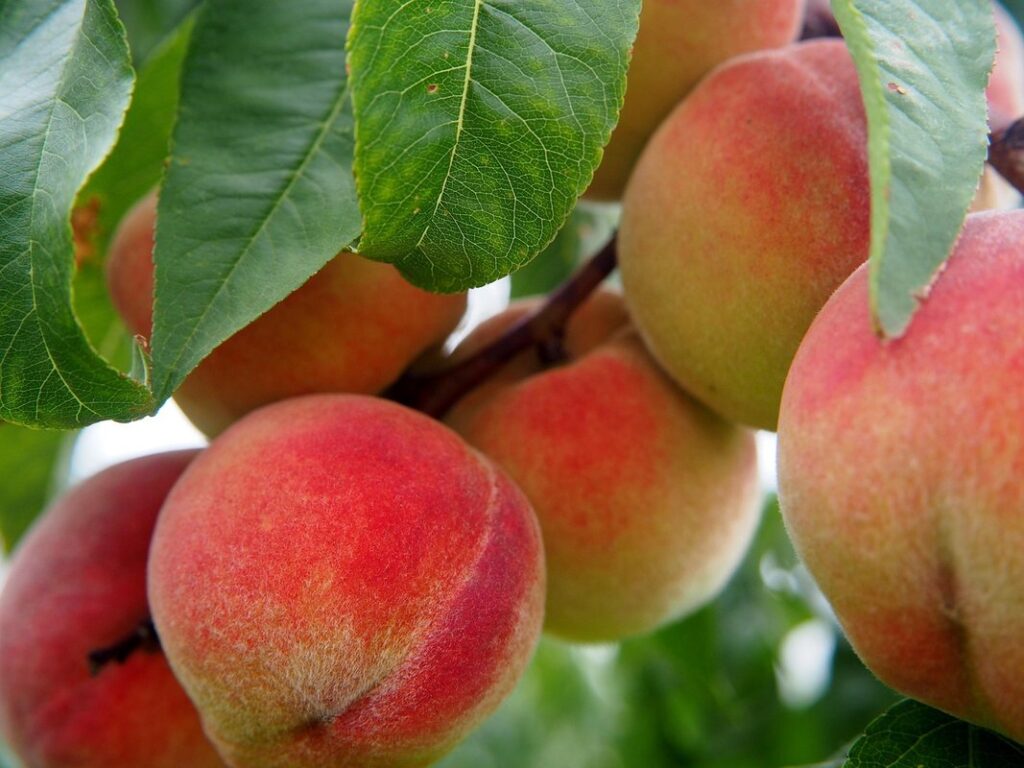
Understanding Peach Trees and Their Yield Potential
When it comes to determining how many peaches your tree can produce, understanding the factors that affect yield potential is crucial. Let’s break down what influences the number of peaches on a single tree.
Factors Affecting Peach Tree Yield
The number of peaches that can be harvested from a single tree is influenced by several factors. Climate plays a significant role, with peach trees thriving in warm and dry conditions. However, excessive heat and drought can lead to reduced yields. Soil quality also affects the tree’s ability to produce fruit, as nutrient-rich soil supports healthy growth.
Proper pruning techniques are crucial for maximizing yield. Pruning helps control the tree’s size, encourages new growth, and promotes fruiting. Regular pruning also prevents disease and pest issues that can damage the tree and reduce yields.
Pest management is another critical factor. Peach trees are susceptible to pests like aphids, whiteflies, and spider mites, which can significantly impact yield if left unchecked. Effective integrated pest management (IPM) strategies help minimize chemical use and preserve soil health.
Additionally, factors such as watering, fertilization, and rootstock selection also influence the tree’s ability to produce fruit. By understanding these factors and implementing best practices, gardeners and farmers can optimize peach tree yields and enjoy a bountiful harvest.
Estimating Average Yield Per Tree
When it comes to estimating the average yield per peach tree, understanding what to expect can help you plan and manage your orchard more effectively. According to data from the United States Department of Agriculture (USDA), a mature peach tree can produce between 100 to 200 pounds of fruit per year, depending on factors such as climate, soil quality, and variety.
To give you a better idea, let’s break down the yield potential for different types of peach trees. For example, ‘Bartlett’ and ‘Red Haven’ varieties tend to be more prolific producers, with yields ranging from 150 to 250 pounds per tree per year. On the other hand, ‘Crimson Lady’ and ‘Snow Beauty’ varieties are known for their smaller yield potential, averaging around 50-100 pounds per tree per year.
It’s also worth noting that these numbers can vary significantly depending on weather conditions, soil quality, and proper care practices such as pruning, watering, and fertilization. By understanding the average yield potential of your peach trees, you’ll be better equipped to plan for harvests and make informed decisions about orchard management.
Factors Influencing Peach Fruit Set
The number of peaches that can be harvested from a single tree is influenced by several key factors, including climate and soil quality. These environmental conditions play a significant role in fruit set.
Pollination Requirements for Peaches
Pollination is a crucial aspect of peach fruit set, and it’s essential to understand its significance when determining the yield potential of a single tree. Without proper pollination, peach trees may fail to produce fruit or produce very few fruits. This is because peaches are heterostylous, meaning they have different styles on their flowers, which necessitates cross-pollination for successful fertilization.
To ensure adequate pollination, it’s essential to plant multiple peach tree varieties within 20-25 feet of each other. This distance allows bees and other pollinators to easily transfer pollen from one tree to another. For example, planting a combination of ‘Red Haven’ and ‘Crimson Lady’ trees can increase the chances of successful cross-pollination.
When selecting peach tree varieties for your orchard, look for those with similar bloom times and growth habits. This will make it easier for pollinators to access the flowers and transfer pollen between trees. By providing the necessary conditions for effective pollination, you can significantly increase the yield potential of your single peach tree.
Thinning Peaches: A Key Technique for Maximizing Yield
Thinning peaches is a crucial technique that promotes healthy tree growth and maximizes fruit production. By selectively removing some of the flowers or young fruits, you’re allowing the remaining peaches to receive the necessary nutrients and space for optimal development.
This process is especially important during the first few weeks after blossoming, when the tree is most vulnerable to disease and pests. By thinning, you’ll reduce competition among the peaches for resources like water and sunlight, which will in turn promote better growth rates and flavor development.
In practice, this means removing about 50-75% of the flowers or young fruits to ensure proper air circulation and prevent disease buildup. A good rule of thumb is to leave only one fruit per 6-8 inch section of branch. Regular thinning also encourages your tree to develop a strong root system, which will increase overall yields in subsequent seasons.
By adopting this simple yet effective technique, you’ll be rewarded with healthier trees and more bountiful harvests – perfect for satisfying your curiosity about how many peaches can be harvested from a single tree!
Harvesting Techniques for Optimal Peach Yield
To optimize peach yield, you’ll want to learn how to identify when peaches are ripe and ready for harvest. We’ll walk through the best methods for determining peak ripeness on your tree.
Timing the Harvest
Timing the harvest is crucial to ensure that you get the best flavor and texture from your peaches. The ideal time for harvesting depends on several factors, including the peach variety, weather conditions, and desired level of ripeness.
In general, peaches are ready to be picked when they’re fully ripe but still firm to the touch. If left on the tree for too long, peaches will become overripe and mushy, affecting their quality and yield. To determine if your peaches are ready to be harvested, gently twist them off the branch. If the fruit comes off easily, it’s likely ready.
Aim to harvest your peaches in the morning, when they’re at their coolest temperature. Avoid harvesting during peak sun hours, as this can cause damage to the delicate skin of the peach. Regular monitoring is key to timing the harvest perfectly, so inspect your trees every few days to catch any ripe peaches before they fall or get damaged.
To maximize yield and quality, plan to pick a portion of the peaches at a time, rather than waiting for them all to ripen simultaneously. This approach will also help you avoid over-handling the fruit and reduce bruising.
Handling Peaches During Harvest
When handling peaches during harvest, it’s essential to be gentle and careful to prevent damage. This not only helps maintain a high-quality crop but also promotes continued growth on the tree. Start by gently twirling the stem counterclockwise until it comes loose from the branch. Avoid pulling or tugging, which can cause branches to break off.
Once the peach is detached, hold it over the bucket or container to catch any juice that may spill out. Be mindful of your grip, as excessive squeezing can bruise the fruit’s skin and make it more susceptible to rot. If you’re harvesting multiple peaches at once, consider using a clean cloth or paper towel to collect them in a separate container.
Keep in mind that peaches are most fragile when they’re ripe or almost ripe. To avoid damage, focus on picking them when they’re still slightly firm but yield to pressure. Regularly inspecting your trees for overripe or rotting fruit can also help you anticipate and prevent damage during the harvest process.
Challenges and Considerations in Peach Tree Management
When it comes to maximizing your peach harvest, there are several challenges you’ll need to consider when managing your tree. Let’s take a closer look at some of these key considerations.
Common Issues Affecting Peach Trees
As you navigate the journey of growing and harvesting peaches from a single tree, it’s essential to be aware of the common issues that can affect peach tree health and yield. Pests are one such concern, with aphids, whiteflies, and spider mites being particularly problematic. These tiny insects feed on the sap of the tree, weakening its defenses and potentially leading to disease.
Diseases like brown rot, powdery mildew, and scab can also wreak havoc on your peach tree. Fungal infections thrive in humid environments and can be spread through water splash or infected tools. Environmental factors such as extreme temperatures, drought, and poor soil quality can further compromise the tree’s resilience.
To mitigate these risks, practice integrated pest management (IPM) techniques that combine physical barriers, cultural controls, and biological controls to minimize chemical use. Regular monitoring, pruning, and watering schedules can also help prevent disease outbreaks. By staying vigilant and taking proactive measures, you can ensure your peach tree stays healthy and productive throughout the growing season.
Strategies for Overcoming Yield Limitations
When managing peach trees, it’s common to encounter limitations on yields due to various factors. To overcome these challenges and maintain a healthy, productive tree, consider implementing the following strategies.
Regular pruning is essential for promoting air circulation, reducing disease susceptibility, and encouraging fruit growth. Prune your peach tree annually, removing any weak or diseased branches, and thin out fruit clusters to about 6-8 inches apart. This will allow sunlight to penetrate and facilitate even ripening.
Another crucial aspect is soil quality. Peach trees prefer well-draining, fertile soil with a pH between 6.0 and 7.0. Test your soil regularly and amend it as needed with organic matter or fertilizers. Mulching around the base of the tree can also help retain moisture and suppress weeds.
Monitoring for pests and diseases is vital to maintaining optimal yields. Keep an eye out for signs of issues like aphids, whiteflies, and powdery mildew, and take action promptly if you spot any problems. Regularly inspect your tree’s leaves, fruit, and bark to catch potential issues early on.
Finally, ensure your peach tree receives adequate water and nutrients throughout its growing season. This might involve installing a drip irrigation system or incorporating compost into the soil. By implementing these strategies, you can overcome common challenges and enjoy a bountiful harvest from your single peach tree.
The Impact of Climate Change on Peach Tree Yields
As you explore the factors that influence peach yields, it’s essential to consider how climate change affects tree productivity and ultimately, your harvest. Rising temperatures and changing weather patterns can significantly impact a tree’s ability to produce fruit.
Current Trends and Future Projections
As climate change continues to impact our environment, researchers are studying its effects on various crops, including peach trees. A recent study published in the Journal of Agricultural and Food Chemistry found that rising temperatures and changing precipitation patterns can significantly affect peach tree yields. In some regions, warmer winters can lead to increased fruit set, resulting in higher yields. However, prolonged droughts or excessive heatwaves can severely reduce fruit growth, ultimately affecting the number of peaches harvested.
According to a report by the USDA, climate change is projected to impact peach production worldwide, with potential yield losses ranging from 10% to 30%. This shift in weather patterns will require peach farmers to adapt their growing practices and strategies. For instance, they may need to implement more efficient irrigation systems or explore new varieties that are better suited for changing conditions.
To prepare for these changes, it’s essential for growers to stay informed about local climate trends and adjust their management techniques accordingly. By understanding how climate change will impact peach yields in your region, you can take proactive steps to protect your trees and ensure a bountiful harvest.
Adapting Peach Farming Practices to Mitigate Climate Risks
As peach farmers adapt to the changing climate, it’s essential to implement strategies that mitigate its risks. Rising temperatures and altered precipitation patterns can lead to reduced yields, poor fruit quality, and increased disease susceptibility. To combat these effects, consider incorporating drought-tolerant and heat-resistant varieties into your orchard.
Practices such as cover cropping, mulching, and drip irrigation can also help conserve water and reduce soil erosion. These techniques not only promote sustainable farming but also improve the overall health of your trees. For example, a study in California found that using mulch reduced soil temperature by up to 10°C, resulting in healthier root growth.
In regions with increased pest pressure due to climate change, integrated pest management (IPM) strategies should be employed. This involves monitoring for pests, using natural predators or parasites whenever possible, and applying targeted chemical controls when necessary. By adapting your peach farming practices, you can not only maintain but also increase yields despite the challenges posed by a changing climate.
Regular soil testing is crucial to ensure nutrient levels remain optimal, and fertilizers are applied judiciously. This approach will help trees resist stressors like droughts and heatwaves.
Best Practices for Optimizing Peach Tree Yield
To maximize the number of peaches on your tree, it’s essential to focus on proper pruning techniques and optimal growing conditions, which can significantly impact yield.
Integrated Pest Management Techniques
When it comes to optimizing peach tree yield and reducing chemical use, integrated pest management (IPM) techniques play a crucial role. IPM is an approach that considers the entire ecosystem of the orchard, including the tree, pests, beneficial organisms, and the environment. By adopting IPM practices, you can minimize your reliance on chemicals and promote sustainable peach tree management.
One key aspect of IPM is to identify and manage pest populations before they become problematic. This involves monitoring for signs of pests such as aphids, whiteflies, and spider mites, and using techniques like introducing beneficial insects, practicing good sanitation, and implementing cultural controls like pruning and irrigation management. For example, you can use neem oil or insecticidal soap to control soft-bodied pests, while attracting beneficial insects like lacewings and ladybugs that prey on common peach tree pests.
To implement IPM in your orchard, start by conducting a thorough inventory of the types of pests and beneficial organisms present. Then, develop a plan for managing pest populations using a combination of techniques tailored to your specific situation. By adopting IPM practices, you can not only reduce chemical use but also promote a healthier and more resilient peach tree ecosystem that supports optimal yields.
Crop Monitoring and Data Analysis
Crop monitoring and data analysis are crucial components of optimizing peach tree yield. By collecting and analyzing data on factors such as temperature, humidity, sunlight exposure, and soil moisture, growers can make informed decisions about when to water, prune, and fertilize their trees. This attention to detail allows for more efficient use of resources, reducing waste and the risk of over- or under-production.
For instance, regular monitoring of peach tree growth and development can help identify potential issues early on. By tracking factors such as fruit set, flower drop, and bud burst, growers can anticipate and prepare for any challenges that may arise. This proactive approach enables them to take corrective action before problems become more severe, ultimately leading to a healthier and more productive tree.
To implement effective crop monitoring and data analysis, consider using tools like sensors, drones, or mobile apps to collect and track relevant data. By integrating this information into your decision-making process, you can optimize peach tree yield and maximize the number of peaches harvested from each tree. Regularly reviewing and analyzing your data will help you refine your approach over time, ultimately leading to improved yields and a more sustainable orchard operation.
Conclusion: Maximizing Peach Tree Yield
Now that we’ve discussed factors affecting peach tree yield, let’s explore ways to maximize your harvest and get the most peaches from a single tree.
Recap of Key Takeaways
To maximize peach tree yield, it’s essential to consider several key factors we’ve discussed throughout this post. First and foremost, proper pruning is crucial for promoting healthy growth and encouraging fruiting. This involves removing dead, diseased, or damaged branches, as well as thinning out the canopy to allow for adequate sunlight penetration.
Another critical aspect is choosing a peach tree variety that’s well-suited for your climate and growing conditions. Some popular varieties include ‘Red Haven’, ‘Crimson Lady’, and ‘Zee Fire’. These trees are not only productive but also resistant to common diseases like brown rot and powdery mildew.
Regular watering, fertilization, and pest management practices should also be implemented to ensure optimal growth and yield. It’s worth noting that over-watering can lead to reduced fruit quality, so careful monitoring of soil moisture levels is vital.
To recap, the main takeaways for maximizing peach tree yield include proper pruning, selecting a suitable variety, regular watering and fertilization, and effective pest management.
Final Tips for Success
As you’ve learned throughout this article, maximizing peach tree yield requires attention to detail and implementation of best practices. To recap, make sure to choose a variety that’s well-suited for your climate and intended use (fresh eating or canning). Regular pruning and fertilization will help promote healthy growth and fruit production.
Another key factor is proper watering, which should be done consistently but avoid overwatering. Aim for about 1 inch of water per week, either through rainfall or irrigation systems. This will ensure the tree receives enough moisture to produce a bountiful harvest.
When it comes to pest and disease management, stay vigilant and take action promptly if you notice any issues. Regular inspections and timely interventions can save your peach tree from significant damage. Finally, consider thinning fruit during the growing season to promote even growth and prevent over-ripening. By incorporating these strategies into your care routine, you’ll be well on your way to enjoying a robust and rewarding peach harvest.
Frequently Asked Questions
Can I still expect a good peach yield if I haven’t properly pruned my tree yet this season?
Yes, with proper pruning techniques applied now, you can still optimize your peach yield for the current season. Pruning in late winter or early spring is ideal, but it’s never too late to prune and encourage healthy growth and fruiting.
How do I prevent peach tree diseases from affecting my harvest?
To minimize the risk of disease, maintain good orchard hygiene by removing any diseased branches, ensuring proper air circulation between trees, and implementing integrated pest management techniques. Regularly inspect your trees for signs of disease and take prompt action if you notice any issues.
What’s the best way to store peaches after harvest to extend their shelf life?
Proper storage involves keeping peaches at a consistent refrigerated temperature below 40°F (4°C) with high humidity levels around 90%. Store them in ventilated containers or bags to maintain airflow and prevent moisture buildup. Handling peaches gently during storage can also help minimize bruising.
Can I grow peach trees in containers, and if so, what are the key considerations?
Yes, container-grown peach trees are a viable option for small-scale growers. Ensure your containers have adequate drainage holes and are at least 14-16 inches deep to accommodate the tree’s root system. Choose compact or dwarf varieties specifically bred for container growth, and provide regular watering, fertilization, and pruning.
How do I know when my peach trees need more water, especially during hot and dry spells?
Monitor soil moisture by checking the top 6-8 inches of soil daily for dryness. Use a moisture meter if available, or insert your finger into the soil to check its moisture level. Adjust watering schedules based on weather conditions, taking care not to overwater, which can lead to disease issues.