
When you think of fruit production, you might picture rows of orchards or backyard gardens overflowing with juicy apples, luscious berries, and succulent citrus fruits. But did you know that many more types of trees produce fruit than just these popular varieties? In fact, there’s a diverse range of fruit-bearing trees out there, each with its own unique characteristics and requirements. Whether you’re an avid gardener or simply looking to add some variety to your landscape, understanding which trees are most productive in your climate and soil conditions can make all the difference. This article will explore the various types of fruit-producing trees, factors affecting their productivity, and provide expert advice on selecting the right tree for your specific needs.
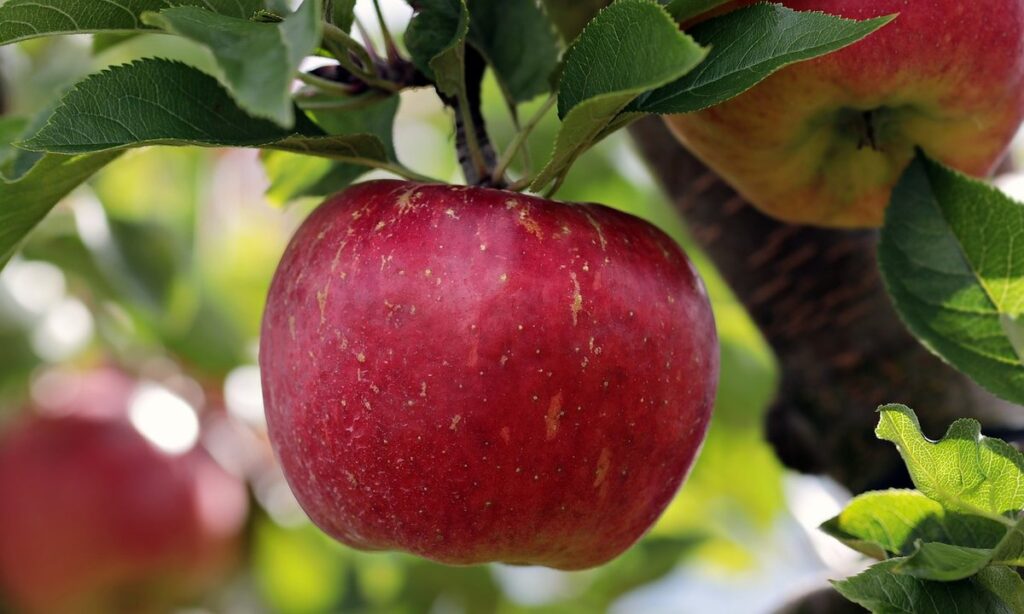
What is a Fruit-Bearing Tree?
When it comes to trees that produce fruit, we’re not just talking about your average apple tree – many types of trees are capable of bearing delicious and nutritious fruits. Let’s explore what makes a tree a fruit-bearer.
Definition and Classification of Fruit-Bearing Trees
A fruit-bearing tree is defined as a type of tree that produces edible fruits, which are the sweet and fleshy parts of plants that develop from flowers. These trees come in various shapes and sizes, and can be found in diverse climates and environments around the world. The types of fruits produced by these trees vary greatly, including berries, citrus fruits like oranges and lemons, nuts such as walnuts and almonds, and stone fruits like peaches and plums.
Fruit-bearing trees are typically classified based on their fruit type, growth habit, and other characteristics. For example, deciduous trees shed their leaves annually, while evergreen trees keep their leaves year-round. Some common types of fruit-bearing trees include:
* Drupe-producing trees (e.g., peaches, plums)
* Berry-producing trees (e.g., blueberries, strawberries)
* Citrus trees (e.g., oranges, lemons)
* Nut-bearing trees (e.g., walnuts, almonds)
Understanding the classification and characteristics of fruit-bearing trees can help gardeners and enthusiasts identify the right tree for their needs and climate.
Common Characteristics of Fruit-Bearing Trees
Fruit-bearing trees are characterized by their ability to produce edible fruits that provide sustenance for various organisms. They exhibit distinct growth habits that enable them to thrive in diverse environments.
These trees generally have broad, flat leaves with serrated margins, which facilitate efficient photosynthesis and allow them to grow rapidly. Some species, such as the fig tree (Ficus carica), display unique leaf structures like compound or lobed leaves. In contrast, others, like the apricot tree (Prunus armeniaca), have simple, alternate leaves.
In terms of reproductive strategies, fruit-bearing trees often rely on cross-pollination to produce viable seeds. This process involves the transfer of pollen from one flower to another, allowing for genetic diversity and ensuring a higher chance of successful seed production. For instance, apple trees (Malus domestica) require cross-pollination to produce fruits, while self-pollinating species like the fig tree do not need external assistance.
By understanding these common characteristics, gardeners can better identify and cultivate fruit-bearing trees in their own environments.
Types of Fruit-Bearing Trees
When it comes to fruit-bearing trees, you might be surprised by just how many varieties exist. From tropical treasures to temperate favorites, we’ll explore some of the most common types below.
Deciduous Fruit Trees
Deciduous fruit trees are some of the most popular and widely cultivated varieties, and for good reason. Not only do they produce delicious fruits, but they also add beauty and structure to your landscape with their stunning fall foliage. If you’re looking to grow your own deciduous fruit trees, here are a few things to keep in mind.
First, consider the climate preferences of these trees. Apple, pear, cherry, and plum trees all prefer cooler climates with well-defined winters. They thrive in USDA zones 3-7, but can also do well in warmer climates if given proper care. When it comes to soil, deciduous fruit trees prefer rich, well-draining soil with a pH between 6.0 and 7.0.
In terms of cultivation requirements, deciduous fruit trees need regular pruning to maintain their shape and promote healthy growth. They also require annual fertilization and pest management to ensure optimal fruit production. With proper care, these trees can produce fruit for 20-30 years or more.
Some popular varieties to consider include ‘Red Delicious’ apples, ‘Bartlett’ pears, ‘Sweet Cherry’ cherries, and ‘Santa Rosa’ plums. When selecting a variety, be sure to choose one that is disease-resistant and suitable for your climate.
Evergreen Fruit Trees
Evergreen fruit trees are a treasure for gardeners and home growers living in tropical or subtropical regions. These incredible trees produce fruit year-round, providing a constant supply of fresh produce. Let’s take a closer look at some popular evergreen fruit trees that thrive in these environments.
Citrus trees, such as oranges (e.g., navel and blood oranges), lemons, and limes, are perfect examples of evergreen fruit trees. Not only do they produce juicy fruits, but their leaves also provide a beautiful, lush canopy for your garden or yard. Avocado trees are another popular choice, offering a variety of avocado types with unique characteristics and flavors. Olives trees, which produce olives used in cooking and oil production, round out this list.
One key adaptation that allows these evergreen fruit trees to thrive in tropical or subtropical environments is their ability to conserve water. This makes them relatively low-maintenance for gardeners who live in areas with high rainfall or rely on irrigation systems. When selecting an evergreen fruit tree, be sure to choose a variety suitable for your local climate and available space. With proper care and maintenance, these trees will reward you with delicious fruits throughout the year.
Tree Species by Fruiting Pattern
You’re curious to know which trees actually produce fruit, and we’ve got you covered. Let’s dive into the fascinating world of tree species that fit into three main fruiting patterns: deciduous, evergreen, and semi-evergreen.
Annual Bearing Trees
Annual bearing trees are a fascinating group of species that produce fruit once a year. One of the most common examples is the apple tree (Malus domestica). These trees typically produce one crop per year, with the exact timing depending on factors like weather conditions and pest/disease management.
Weather conditions play a significant role in determining the fruiting pattern of annual bearing trees. A warm and wet spring, for instance, can promote healthy growth and flowering, resulting in a bountiful harvest. Conversely, extreme temperatures or droughts during critical growth periods can negatively impact fruit production.
Proper pest and disease management is also crucial for maximizing fruit yield in annual bearing trees. Regular pruning, monitoring for signs of pests and diseases, and implementing integrated pest management (IPM) strategies can help minimize damage and ensure a successful harvest.
For instance, apple growers often practice thinning to control the number of fruit per branch, allowing the remaining apples to grow larger and more flavorful. By understanding and adapting to these factors, gardeners and orchardists can optimize their annual bearing tree’s productivity and enjoy a rewarding fruit harvest each year.
Semi-Dwarf Bearing Trees
Semi-dwarf bearing trees offer a unique combination of fruit production and compact growth habits. These varieties typically produce fruit every other year or in specific years with optimal weather conditions. For example, apple and pear trees often produce heavy crops one year and lighter ones the next.
This pattern is due to their semi-dwarf rootstock, which controls the tree’s size and vigor but doesn’t affect its overall growth cycle. Semi-dwarf bearing trees like ‘Red Delicious’ apples and ‘Bartlett’ pears are popular choices for home orchards because they require less space and maintenance than standard varieties.
To make the most of your semi-dwarf bearing tree, consider factors such as soil quality, watering habits, and pruning techniques. Regular pruning can help stimulate fruiting and encourage a balanced growth habit. By choosing the right variety and providing proper care, you can enjoy bountiful harvests from these compact trees, even in smaller spaces.
Factors Affecting Fruit Production
When it comes to fruit production, various factors come into play that can affect how many trees yield fruit. Let’s explore some of these key variables.
Climate and Weather Conditions
Climate and weather conditions play a crucial role in determining the success of fruit production. Temperature fluctuations can either stimulate or hinder the growth process. For instance, deciduous trees like apples require a period of dormancy during winter to produce fruit, whereas tropical trees like mangoes thrive in warmer temperatures year-round. Precipitation is also essential for fruit development, with some trees requiring as much as 20-30 inches of rainfall per growing season.
Soil quality and nutrient availability are equally important factors affecting fruit production. Trees grown on poor soil may struggle to access the necessary nutrients, leading to reduced yields or lower-quality fruit. On the other hand, trees nurtured in well-draining, fertile soils tend to produce more bountiful harvests. To ensure optimal fruit production, growers must prioritize maintaining healthy soil through techniques like composting and crop rotation.
Sunlight exposure is another critical factor influencing fruit growth. Trees that receive adequate sunlight can produce more fruit and develop stronger root systems. However, excessive sun exposure can lead to scorching or reduced yields in some cases. By considering these climate and weather conditions, growers can tailor their cultivation methods to suit the specific needs of their trees, ultimately maximizing fruit production.
Soil Quality and Nutrient Availability
Maintaining healthy soil is crucial for optimal fruit production. When it comes to growing fruit trees, the quality of the soil plays a significant role in determining their productivity. Soil that is rich in nutrients and has adequate water-holding capacity supports healthy tree growth and development, which in turn leads to better fruiting.
Adequate nutrient availability is essential for fruit trees to produce high-quality fruits. Nutrients such as nitrogen, phosphorus, potassium, magnesium, and sulfur are critical for fruit tree growth and productivity. Soil testing can help determine the nutrient levels and guide fertilization practices accordingly. For example, if a soil test reveals low nitrogen levels, adding organic matter like compost or manure can help improve fertility.
Practical tips to maintain healthy soil include:
* Conducting regular soil tests to monitor nutrient levels
* Using mulch and cover crops to retain moisture and suppress weeds
* Avoiding over-fertilization that can lead to soil degradation and reduced tree productivity
* Incorporating organic matter into the soil to improve its structure and fertility
Cultural Practices for Maximized Fruit Production
You’re interested in growing a bounty of fresh fruit from your trees, and one crucial aspect is understanding cultural practices that optimize production. Let’s dive into how to create an ideal environment for maximum yield.
Pruning Techniques
Pruning is an essential practice for maximizing fruit production on your trees. Regular pruning helps promote a strong and healthy tree that’s better equipped to produce more fruit. The key to successful pruning lies in removing the right branches at the right time.
Start by assessing your tree’s structure, identifying dead, diseased, or damaged branches that need removal. Remove any crossing branches, as they can rub against each other and cause damage to the trunk or surrounding branches. Next, focus on promoting fruiting branches – aim for a balanced canopy with an open center to allow air and sunlight to reach all areas.
Prune your trees during their dormant season (winter or early spring), making clean cuts just above a growth node using sharp, sanitized tools. Thin out crowded branches in the summer months to maintain even growth and prevent disease. By incorporating pruning into your regular maintenance routine, you’ll see improved fruit yields and overall tree health within a year or two of consistent practice.
Some species require more frequent pruning than others – for example, young citrus trees benefit from regular pruning every 6-12 months.
Pest and Disease Management
Effective pest and disease management is crucial for maintaining healthy fruit-bearing trees and maximizing yield. As a tree owner, you can take proactive steps to prevent infestations and infections that can cause significant damage. Start by monitoring your trees regularly, inspecting for signs of pests or diseases such as holes in leaves, discoloration, or presence of insects.
To control pests, consider using integrated pest management (IPM) strategies that combine physical, cultural, and chemical controls. For example, hand-picking pests like aphids or caterpillars can be an effective way to manage infestations. You can also use traps, barriers, or biological controls like beneficial insects to reduce pest populations.
When it comes to diseases, practice good sanitation by removing infected leaves or branches to prevent the spread of disease. Regularly water and fertilize your trees according to their specific needs, as nutrient deficiencies can weaken a tree’s defenses against pathogens. Some common fruit tree diseases include powdery mildew, fire blight, and scab – be aware of these issues and take action promptly if you notice any symptoms.
Conclusion: Choosing the Right Fruit-Bearing Tree for Your Needs
Now that you’ve learned which trees produce fruit, it’s time to think about choosing the perfect tree for your needs and preferences. We’ll guide you through the key considerations to make an informed decision.
Selecting Fruit Trees Based on Climate and Soil Conditions
When selecting fruit trees for your garden, it’s essential to consider two critical factors: climate and soil conditions. Failure to do so can result in poor tree growth, reduced yields, and even plant death.
Start by identifying the hardiness zone of your location, as this will determine which varieties of fruit trees will thrive in your area. For instance, if you live in a region with cold winters (Zone 3-5), choose tree species that are tolerant of frost, such as apples or pears. On the other hand, tropical regions can support subtropical and tropical species like mangoes or citrus trees.
Next, assess your soil type. Fruit trees require well-draining soils to prevent root rot, but they also need sufficient nutrients to produce fruit. If you have heavy clay or sandy soils, choose tree varieties that are adapted to these conditions. Some examples include persimmons for clay soils and loquats for sandy soils.
When shopping for fruit trees, always check the specific climate and soil requirements listed on the nursery tag or by consulting with a local expert. By selecting the right tree for your environment, you’ll set your new addition up for success and enjoy bountiful harvests for years to come.
Maintenance and Care for Long-Term Fruiting Success
To ensure the long-term success of your fruit-bearing tree, regular maintenance and care are crucial. This involves more than just watering and pruning; it’s about creating an optimal environment that fosters healthy growth and productivity.
Firstly, provide adequate nutrients through fertilization. A balanced fertilizer application in early spring will promote healthy growth, while a fruit-specific fertilizer during the growing season supports fruit production. For example, applying a citrus fertilizer to your orange tree will enhance its ability to produce juicy oranges.
Pruning is another essential task that helps control the tree’s size, promotes air circulation, and encourages fruiting. Remove any dead or diseased branches, and thin out overcrowded areas to allow sunlight to reach all parts of the tree. This not only improves overall health but also increases fruit production by up to 50%.
Regular watering is vital, especially during hot summer months when trees are under stress. However, overwatering can be detrimental, so monitor soil moisture levels closely and adjust your irrigation schedule accordingly.
Lastly, monitor for pests and diseases, which can significantly impact productivity if left unchecked. Regularly inspect your tree for signs of infestation or infection and take prompt action to prevent the spread of any issues that arise.
Frequently Asked Questions
Can I grow fruit-bearing trees in small spaces, such as containers or urban gardens?
Yes, many types of fruit-bearing trees can thrive in smaller spaces, including dwarf varieties and compact tree species. When selecting a tree for container growing, consider factors like soil quality, sunlight exposure, and watering needs to ensure optimal growth and productivity.
How long does it take for a newly planted fruit-bearing tree to start producing fruit?
The time it takes for a fruit-bearing tree to produce its first harvest can vary greatly depending on the species, climate, and growing conditions. Generally, it can take anywhere from 1-5 years after planting before a tree starts producing fruit, with some varieties taking longer than others.
What are some common pests or diseases that affect fruit-bearing trees, and how can I prevent them?
Fruit-bearing trees are susceptible to various pests and diseases, including aphids, whiteflies, and fungal infections like powdery mildew. To prevent these issues, practice good hygiene by regularly inspecting your trees for signs of damage, pruning diseased branches, and using integrated pest management techniques that combine physical, cultural, and chemical controls.
Can I mix different types of fruit-bearing trees in the same orchard or garden?
Yes, many fruit-bearing tree species can be successfully grown together in the same orchard or garden. However, it’s essential to consider factors like mature size, sun requirements, watering needs, and disease susceptibility when selecting companion plants to ensure optimal growth and productivity.
How often should I water my fruit-bearing trees during drought conditions?
Fruit-bearing trees have varying watering needs depending on their species and climate. During extended droughts, reduce watering frequency to prevent root rot and other issues. Watering every 7-10 days is a good starting point, but monitor soil moisture levels and adjust your schedule accordingly to ensure the tree’s needs are met.