
If you’re anything like me, there’s nothing quite as satisfying as watching a yam sprout into a vibrant new plant. But have you ever wondered how long it takes for a yam to start growing in water? It’s a great way to propagate this versatile root veggie, and with the right conditions, you can encourage healthy growth and longevity. However, the process can be unpredictable, especially if you’re unsure about the optimal variety or environmental factors that affect sprouting time.
In this article, we’ll delve into the world of yam cultivation and explore the key considerations for successful sprouting in water. We’ll discuss how to choose the right variety, identify potential issues, and troubleshoot common problems that might slow down your plant’s growth. Whether you’re a seasoned gardener or just starting out, this guide will provide you with everything you need to know about promoting healthy yam growth from seed to sprout.
Understanding Yam Sprouting Basics
To get started, let’s dive into the basics of making a yam sprout in water – understanding the right environment and optimal conditions for germination is key.
What is Yam and Why Does it Sprout?
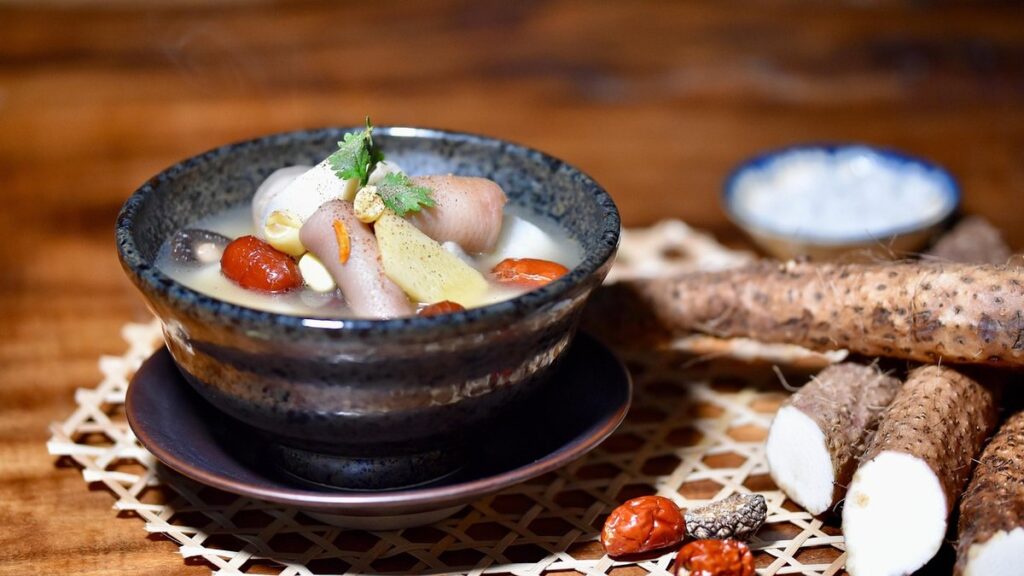
Yam is a starchy root vegetable native to Africa and Asia, widely cultivated and consumed worldwide. It’s a staple food in many tropical regions, often boiled, mashed, or roasted. But what you might not know about yams is their unique ability to sprout.
Yams contain dormant buds, called “eyes,” which can be triggered to grow when exposed to moisture. This natural process allows yams to produce new shoots and roots, making them capable of sprouting in water. When a yam is submerged in water, the moisture activates the dormant buds, causing them to swell and eventually sprout.
The reason why yams can sprout in water is due to their unique physiology. Unlike potatoes, which require air to sprout, yams can thrive in moist environments. This adaptability makes yams a popular choice for home gardeners and enthusiasts who want to propagate new plants from cuttings or tubers. So, whether you’re growing yams indoors or outdoors, understanding their ability to sprout is essential for successful cultivation.
Importance of Choosing the Right Yam Variety
When it comes to sprouting yams in water, selecting the right variety is crucial. Not all types of yams are created equal when it comes to their ability to sprout quickly and successfully. Some varieties tend to sprout faster than others, while some may not sprout at all.
For example, the ‘Jewel’ or ‘Dixie Queen’ varieties are known for their rapid sprouting capabilities, often producing roots within 3-5 days of being placed in water. On the other hand, varieties like ‘Congo’ or ‘Louisiana Sweet’ may take a bit longer to sprout, typically requiring around 7-10 days.
To choose the right yam variety for water-based sprouting, look for ones that are specifically labeled as “sprouting” or “rapidly sprouting.” You can also ask your local nursery or gardening store staff for recommendations on which varieties tend to do well in your region. Keep in mind that even within a particular variety, there may be some variation in sprouting time depending on factors like water temperature and yam freshness.
Preparing Yams for Water Sprouting
Before you start water sprouting your yam, it’s essential to prepare it correctly to promote healthy growth and minimize the risk of contamination. To do this, carefully wash and peel the yam.
Cleaning and Cutting the Yam
To prepare your yam for sprouting in water, you’ll first need to clean and cut it properly. Begin by washing the yam thoroughly under cold running water to remove any dirt, debris, or excess moisture. Use a soft-bristled brush to gently scrub away any stubborn stains or bumps.
Next, dry the yam completely with a clean towel to prevent bacterial growth and promote healthy sprouting. Now, cut the yam into sections of about 1-2 inches in length. This will increase its surface area, allowing it to absorb water and nutrients more efficiently. You can either cut the yam vertically or horizontally – both methods work equally well.
It’s essential to remove any eyes or sprouts from the yam before placing it in water for sprouting. These areas tend to be more susceptible to decay and can spoil the entire process. By cleaning, cutting, and preparing your yam correctly, you’ll set yourself up for success when trying to induce water sprouting – a process that typically takes anywhere from 3-14 days.
Creating Optimal Conditions for Sprouting
To create optimal conditions for sprouting yams in water, it’s essential to consider three critical factors: temperature, light exposure, and aeration. The ideal temperature range for yam sprouting is between 75°F (24°C) and 85°F (29°C). This allows the yam to germinate quickly without being exposed to extreme temperatures that can inhibit growth.
Regarding light exposure, direct sunlight should be avoided as it can cause the water to become too warm or even create conditions for algae growth. Instead, place the glass containing the yam in a location with indirect light, such as an east- or west-facing window. A gentle light source will encourage healthy root development without promoting excessive bacterial growth.
Aeration is also crucial for successful sprouting. Change the water daily to prevent stagnation and replenish oxygen levels. Use a paper clip or a small stone to gently aerate the water, ensuring that the yam remains submerged but not compacted by sediment. By providing these optimal conditions, you can significantly increase your chances of successfully sprouting yams in a glass of water.
The Sprouting Process: What to Expect
Now that you’ve started your yam sprouting experiment, it’s essential to understand what to expect during the process, which can take anywhere from a few days to a week.
Initial Stages of Sprouting (0-5 Days)
At the initial stages of sprouting (0-5 days), you’ll start to notice subtle changes on the yam. The first sign is usually a slight swelling at the nodes, which can be barely visible to the naked eye. This indicates that the yam has absorbed water and started to break down its starches into sugars.
As you continue to observe your sprouting yam, you may see tiny roots emerging from the node, typically white or light-colored. These initial rootlets are usually around 1-2 mm in length and will gradually grow longer over time. Keep your glass of water topped up, as this is crucial for continued growth.
During these early stages, it’s essential to provide adequate warmth, but avoid direct sunlight, which can cause the yam to rot. A spot with filtered light or a temperature range between 75°F and 85°F (24°C – 29°C) is ideal. You may also notice a slight change in coloration around the node area, as it begins to soften.
As you wait patiently for your yam to sprout, remember that every day counts, and even the slightest changes can indicate progress.
Mid-Sprouting Stage (5-10 Days)
At this stage, typically between 5-10 days after initiating the sprouting process, you can expect to see significant developments. The yam’s skin may begin to split, and the stem will start to emerge from the node where it was attached to the tuber. This is a critical period for monitoring and maintaining optimal conditions.
As the yam continues to sprout, ensure that the water level remains above the node to prevent drying out. You can observe the growth of the stem and leaves, taking note of any changes in color or texture. Be cautious not to overwater, as this can lead to root rot.
During this phase, you may need to adjust the water level or change the container to accommodate the growing sprout. For example, if using a glass jar, consider transferring the yam to a larger container with better air circulation to promote healthy growth.
Keep in mind that not all yams will exhibit the same level of development within this timeframe. Factors such as temperature, light exposure, and the specific variety of yam can influence the sprouting process.
Factors Affecting Yam Sprouting Time
When it comes to yam sprouting time, several factors come into play that can either speed up or slow down the process. Let’s take a closer look at what influences how quickly your yam starts growing in water.
Water Quality and Changes in Conditions
When you’re trying to coax your yam to sprout in a glass of water, it’s essential to consider the impact of water quality and environmental conditions on the process. Poor water quality can significantly slow down or even prevent sprouting altogether.
Chlorine and chloramines in tap water are common culprits that can inhibit yam growth. These chemicals can evaporate quickly from the surface of the water, but their residues can remain beneath, affecting the root system’s ability to absorb nutrients. To avoid this issue, use filtered or distilled water for optimal results.
Changes in temperature and light exposure can also affect yam sprouting time. Most yams prefer temperatures between 65°F to 75°F (18°C to 24°C), with moderate indirect light. Avoid placing the glass near direct sunlight or extreme temperatures, as this can cause stress to the yam and slow down the sprouting process. Keep in mind that some varieties of yams may require more or less light to sprout successfully.
Monitor your yam’s response to its environment closely, making adjustments as necessary to create a favorable atmosphere for growth.
Temperature Fluctuations and Their Effects
Temperature fluctuations can significantly impact the yam sprouting process. A consistent temperature between 75°F to 85°F (24°C to 29°C) is ideal for promoting healthy growth and reducing the risk of rotting. On the other hand, temperatures above 90°F (32°C) can cause the water to evaporate rapidly, potentially drying out the yam.
Below 65°F (18°C), the sprouting process may slow down or even come to a halt. This is because yams grow best in a warm, humid environment that promotes rapid cell division and root development.
To minimize the effects of temperature fluctuations, it’s essential to choose a location with stable temperatures. For example, placing the glass container on a heating mat or near a sunny windowsill can help maintain a consistent warmth. Alternatively, you can cover the container with plastic wrap or aluminum foil to trap heat and moisture, creating a microclimate that simulates optimal conditions for yam sprouting.
Monitor your yam’s progress closely, adjusting its environment as needed to ensure a successful sprouting process.
Encouraging Healthy Growth and Longevity
To encourage healthy growth and longevity, it’s essential to provide your yam with a few basic requirements, including adequate water, light, and space. We’ll explore some tips to support optimal sprouting conditions for your yam.
Techniques for Maximizing Yam Sprout Length
To maximize yam sprout length, it’s essential to create an environment that promotes healthy growth. One crucial aspect is providing optimal light conditions. Place the yam tuber in a location with bright, indirect light, such as an east- or west-facing window. Avoid direct sunlight, which can cause the water to overheat and lead to fungal growth.
Another technique for promoting healthy growth is using specific nutrients. You can add a small amount of Epsom salt (1-2 tablespoons) to the water, as it’s rich in magnesium and sulfur. These elements help to stimulate cell division and root development. Additionally, you can use a small amount of liquid seaweed or kelp extract to provide essential micronutrients.
When using nutrients, start with a small concentration and gradually increase as needed. Be cautious not to over-fertilize, which can damage the yam tuber. By providing optimal light conditions and utilizing specific nutrients, you’ll be well on your way to promoting healthy growth and maximizing yam sprout length.
Common Issues and Troubleshooting Tips
If you’re finding that your yam is not sprouting as expected, don’t worry – it’s not uncommon for issues to arise during this process. Here are some common problems you might encounter and our troubleshooting tips to help resolve them.
One potential issue is inadequate light exposure. Make sure the glass of water is placed in a spot where it receives bright, indirect sunlight or artificial grow lights. This will encourage healthy growth and development. On the other hand, if your yam is receiving too much direct sunlight, it may cause the sprout to become scorched.
Another issue could be inconsistent watering schedules. Keep the glass of water at room temperature (around 75°F to 85°F) and change the water every 2-3 days. This will prevent bacterial growth and promote healthy root development.
Some yams might not sprout due to their inherent characteristics or maturity level when cut. If your yam is particularly large, old, or has a woody texture, it may be more challenging for it to sprout.
Frequently Asked Questions
How Do I Know If My Yam is Ready for Sprouting?
When your yam is ready to sprout, the skin will have developed a few small cracks or eyes, indicating that it’s time to prepare it for water sprouting. Gently wash and dry the yam before cutting it into sections with at least two eyes each.
What If My Yam Doesn’t Sprout After 10 Days?
If your yam doesn’t sprout after 10 days in ideal conditions, check if the water is stagnant or contaminated. Also, consider factors like temperature fluctuations and ensure you’re using a suitable variety for water sprouting. Try adjusting the environment to promote healthy growth.
Can I Use Any Type of Container for Water Sprouting?
While any container can be used, choose one that provides enough space for the yam’s roots to develop without becoming waterlogged. A clear glass or plastic container is ideal, as it allows you to monitor the roots’ development and make adjustments accordingly.
How Do I Maintain Optimal Temperature for Yam Sprouting?
To promote healthy growth, maintain a consistent temperature between 65°F to 75°F (18°C to 24°C). Avoid placing your yam in direct sunlight or near heating vents, as this can cause temperature fluctuations that may slow down the sprouting process.
Can I Use Tap Water or Do I Need Distilled Water?
While tap water is generally safe for yam sprouting, it’s recommended to use distilled or filtered water if possible. This helps prevent any potential contaminants from affecting your plant’s growth. If using tap water, ensure it’s free of chlorine and other chemicals that may harm the yam.