
If you’re like many gardeners, cooks, or simply health-conscious individuals, you’ve probably asked yourself at some point: how long does uncut butternut squash last? Knowing the shelf life of this nutritious and versatile vegetable is essential for meal planning, grocery shopping, and food preservation. Uncut butternut squash can be a bit finicky to store due to its hard rind and soft flesh, making it prone to spoilage if not stored properly. In this article, we’ll delve into the factors affecting its shelf life, explore storage methods, and provide tips on freezing, canning, and commercially prepared products to help you enjoy your butternut squash for months to come. Whether you’re looking to reduce food waste or stock up for winter meals, keep reading to discover how long uncut butternut squash lasts and how to make the most of it.
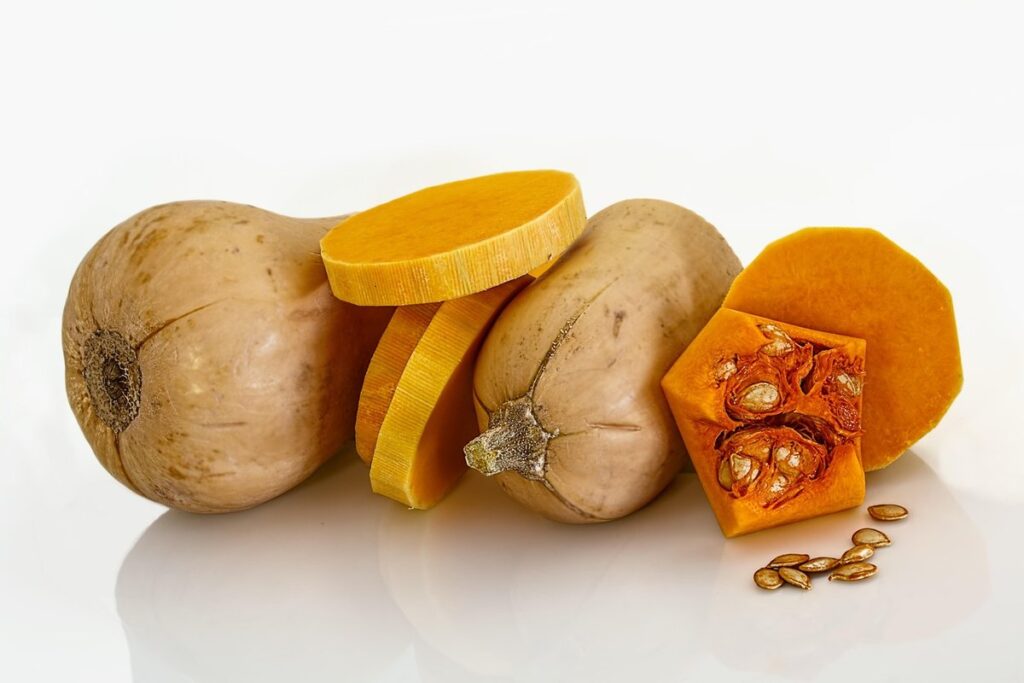
Understanding Butternut Squash Shelf Life
The shelf life of uncut butternut squash is a common concern for home cooks and chefs alike. Let’s break down how long it can safely remain edible when stored properly.
Factors Affecting Shelf Life
The shelf life of uncut butternut squash is significantly impacted by several factors, and understanding these can help you keep your squash fresh for a longer period. Storage conditions play a crucial role in preserving the quality of the squash. For instance, if stored at room temperature (above 60°F), uncut butternut squash typically lasts about one to two weeks. However, storing it in a cool, dark place (around 50-55°F) can extend its shelf life up to three months.
Handling is another essential factor that affects the shelf life of uncut butternut squash. Avoid squeezing or bruising the squash, as this can cause damage and lead to mold growth, significantly reducing the shelf life. Similarly, ensure that the squash is not exposed to moisture, as excessive humidity can encourage fungal growth and spoilage.
Lastly, the quality of the squash when purchased also impacts its shelf life. Choose butternut squashes with hard rinds and no visible signs of bruising or mold. This will give you a longer window for storage and enjoyment.
Determining Freshness
To determine if uncut butternut squash is fresh, you need to inspect it carefully. Start by checking the skin for any soft spots, bruises, or wrinkles. Gently touch the skin; a fresh squash should feel firm and smooth. If you notice any softness or sogginess, it’s likely past its prime.
Next, examine the stem end of the squash. A fresh butternut squash will have a dry, hard stem that comes off easily when twisted. If the stem is wet or soft, it may indicate moisture loss or decay within the squash.
Look for any visible signs of mold or mildew on the skin or around the stem. Check the weight of the squash as well; a fresh butternut squash should feel heavy for its size.
Remember, uncut butternut squash can last for several weeks to months when stored properly in a cool, dry place. However, if you notice any visible signs of decay or softness, it’s best to err on the side of caution and discard the squash to avoid foodborne illness.
Storage Methods for Uncut Butternut Squash
To keep your uncut butternut squash fresh for a longer period, you’ll want to learn about various storage methods that work best for this type of vegetable.
Cool and Dry Storage
Storing uncut butternut squash in a cool and dry place is an effective method to extend its shelf life. Ideal storage conditions involve maintaining temperatures between 50°F (10°C) and 60°F (15°C). Humidity levels should be kept low, below 60%, to prevent moisture accumulation, which can lead to mold growth.
When storing uncut butternut squash in a cool and dry place, it’s essential to ensure good air circulation. This can be achieved by placing the squash on a wire rack or tray, leaving some space between each piece for air to circulate freely. Avoid stacking the squash, as this can create a humid microclimate that fosters mold growth.
The goal is to slow down the natural ripening process of the butternut squash. By maintaining optimal storage conditions, you can enjoy your uncut squash for several months. For example, if stored properly, an uncut butternut squash can last up to 6-8 months at room temperature.
Refrigerated Storage
Storing uncut butternut squash in the refrigerator is an excellent way to prolong its shelf life. To achieve optimal storage, it’s essential to maintain a consistent temperature between 32°F (0°C) and 40°F (4°C). This temperature range slows down the degradation process, allowing your squash to remain fresh for several weeks.
Use a breathable container or bag with good ventilation to store the squash in the refrigerator. A mesh bag or a ventilated plastic container with holes will help maintain airflow and prevent moisture buildup. Wrap the squash gently in a clean towel or paper towels to absorb any excess moisture.
Store the squash away from strong-smelling foods, as it can absorb odors easily. Also, keep it away from direct sunlight, which can cause the skin to become discolored. With proper storage conditions, an uncut butternut squash can last for 2-3 months in the refrigerator. Regularly check on your stored squash and use it within a week or two of opening to ensure maximum flavor and texture.
Freezing Uncut Butternut Squash
If you’re looking for a way to preserve your uncut butternut squash for future meals, freezing is an excellent option. We’ll walk through the process of freezing whole squash in this section.
Preparation for Freezing
Before freezing uncut butternut squash, it’s essential to prepare it properly to maintain its quality and shelf life. One of the primary steps is peeling the squash using a vegetable peeler or a sharp knife. This helps remove the tough skin that can become fibrous when frozen.
Next, you can either chop or puree the squash depending on your desired form for future use. Chopping the squash into smaller pieces (about 1-2 inches) allows for easier cooking and reheating later. On the other hand, pureeing the squash turns it into a smooth consistency ideal for soups, sauces, or baby food.
When chopping, be sure to slice away from your body and cut on a stable surface to avoid accidents. When pureeing, use an immersion blender or a regular blender with caution as hot ingredients can cause splattering.
By preparing your uncut butternut squash in this manner, you’ll be able to freeze it safely for longer periods while retaining its flavor and nutrients.
Freezer Storage Guidelines
When storing uncut butternut squash in the freezer, it’s essential to follow proper storage practices to maintain its quality and shelf life. Start by labeling each container with the date you froze the squash, so you can easily keep track of how long it has been stored. This simple step will help you rotate your stock and use the oldest items first.
Next, make sure to store the containers in a single layer, not stacked on top of each other, to prevent damage from weight or pressure. You can also consider using freezer bags or airtight containers to prevent freezer burn and moisture accumulation. When filling the containers, leave about an inch of space at the top to allow for expansion during freezing.
Additionally, keep in mind that frozen butternut squash is best consumed within 8-12 months. If you’re planning to store it for an extended period, consider dividing it into smaller portions and labeling each serving size to make thawing and reheating easier. By following these simple guidelines, you’ll be able to enjoy your uncut butternut squash well past its fresh shelf life.
Canned Butternut Squash Shelf Life
When it comes to canned butternut squash, you want to know how long you can safely store it in your pantry before its quality starts to degrade and potentially becomes spoiled. Let’s dive into that information now.
Home Canning Process
If you want to enjoy your butternut squash throughout the year, home canning is an excellent way to preserve it. The process involves heating the squash in a sterilized jar to kill off bacteria and create a vacuum seal that prevents new contaminants from entering.
To start, you’ll need a large pot or water bath canner with a rack at the bottom to elevate the jars. The pot should be deep enough to hold the jars with about an inch of water over them. You’ll also need a set of clean, sterilized jars and lids specifically designed for canning. It’s essential to follow safe canning practices to avoid spoilage or botulism.
Before filling the jars, make sure they’re hot by submerging them in boiling water for 10-15 minutes. Fill the hot squash into the hot jars, leaving about an inch of headspace at the top. Remove any air bubbles and add more squash if necessary. Wipe the rims with a clean cloth and apply the sterilized lids and rings. Process the jars in the boiling water bath for 30-40 minutes, adjusting for altitude as needed. After processing, let the jars cool undisturbed for 12-24 hours before checking the seals.
Canned Goods Storage
When it comes to storing canned goods, including canned butternut squash, proper handling and storage are crucial to maintaining their quality and shelf life. An ideal storage temperature for canned goods is between 50°F and 70°F (10°C and 21°C), away from direct sunlight and moisture.
Canned goods should be stored in a cool, dry place, such as a pantry or cupboard. Avoid storing them near heat sources like ovens or radiators, as this can cause the cans to become hot and potentially cause damage. Also, keep canned goods off the floor and out of reach of children to prevent accidental spills or tampering.
When storing canned butternut squash, make sure the cans are tightly sealed and undamaged before placing them in storage. Check the expiration date on the label and rotate the cans so that the oldest ones are used first. This will ensure you use the canned goods before they expire and maintain their quality over time. By following these simple storage tips, you can enjoy your canned butternut squash for a longer period while maintaining its nutritional value.
Commercially Prepared Butternut Squash Products
If you’re looking for alternatives to fresh butternut squash, commercially prepared products are a convenient option. We’ll explore some popular types and their shelf life next.
Shelf Life and Safety Guidelines
When it comes to commercially prepared butternut squash products, their shelf life and safety guidelines are crucial to ensure food safety. Generally, canned butternut squash can last for 2-5 years beyond the “best by” date on the label, provided they remain sealed and stored in a cool, dry place. However, if you notice any signs of spoilage such as swelling, leakage, or rust around the seams, it’s best to err on the side of caution and discard them.
Frozen butternut squash, on the other hand, typically retains its quality for 8-12 months after freezing. It’s essential to store frozen squash at 0°F (-18°C) or below to prevent freezer burn and maintain texture. When thawing frozen squash, always do so in the refrigerator or cold water, never at room temperature.
When handling commercially prepared butternut squash products, make sure to follow proper food safety guidelines. Check for visible signs of spoilage before consuming, and always wash your hands thoroughly after handling the product.
Label Claims and Certifications
When shopping for commercially prepared butternut squash products, you’ll often come across various label claims and certifications. These can be a great indicator of product quality and freshness, especially when it comes to uncut butternut squash. Here’s what to look out for:
When it comes to labeling, “fresh” or “previously frozen” are common terms used to describe the state of the squash. However, these claims don’t always provide a clear indication of how long the product has been stored. Look for certifications like USDA Organic or Non-GMO Project Verified, which can assure you that the product meets certain standards for quality and production.
You may also see labels indicating the storage conditions, such as “flash-frozen” or “quick-chilled.” These processes aim to preserve the nutritional value and texture of the squash. Check if the product has been stored at a consistent refrigerated temperature below 40°F (4°C) to slow down spoilage.
When in doubt, check the packaging for a “pack date” or “sell-by date,” which can give you an idea of how long the product has been on the shelf. Opting for products with clear labeling and certifications can help ensure that your uncut butternut squash remains fresh for as long as possible.
Conclusion and Future Considerations
Now that you’ve learned how to store and maintain your uncut butternut squash, let’s discuss what happens next and how to plan for future meals.
Recap of Key Findings
When it comes to the shelf life of uncut butternut squash, we’ve uncovered some valuable insights. First and foremost, the average storage time for whole, uncut butternut squash is around 2-3 months at room temperature. However, this can be extended up to 6-8 months with proper storage in a cool, dry place.
Another key takeaway is that the cut side of the squash is where mold and decay often begin. To minimize waste, it’s essential to store butternut squash with the cut side down, allowing air circulation around the exposed area. This simple trick can make all the difference in extending its shelf life.
In terms of storage conditions, we found that temperatures between 50°F-60°F (10°C-15°C) are ideal for keeping uncut butternut squash fresh. Avoid storing it near direct sunlight, heat sources, or areas prone to moisture, as these can cause rapid spoilage.
Recommendations for Consumers and Producers
To get the most out of your uncut butternut squash, it’s essential to handle, store, and prepare it properly. For consumers, this means selecting a firm, heavy squash with no soft spots, as these can be indicative of spoilage. Once brought home, store the squash in a cool, dry place, away from direct sunlight.
For optimal storage, keep the squash away from heat sources and moisture, as both can accelerate decay. A pantry or cupboard is an ideal location, but if you don’t have space for this, a cooler part of your kitchen will suffice. Check on the squash regularly to remove any moldy areas, which can spread quickly.
For producers, consider implementing proper handling and storage procedures in your facilities. This includes washing and drying the squash thoroughly before storing, as excess moisture can lead to decay. Consider using breathable packaging materials, such as paper or mesh bags, to allow for airflow and prevent moisture buildup. By following these guidelines, you can help extend the shelf life of uncut butternut squash and maintain its quality throughout storage.
Frequently Asked Questions
Can I store butternut squash at room temperature for longer periods if it’s wrapped or covered?
Yes, wrapping or covering the uncut butternut squash can slow down the ripening process to some extent. However, this method is not a substitute for proper storage conditions. Room temperature (above 60°F) can cause spoilage within two weeks, even with wrapping or covering.
How do I know if my stored butternut squash has gone bad?
Regularly inspect your stored squash for soft spots, mold, or an unpleasant odor. If you notice any of these signs, it’s best to err on the side of caution and discard the squash.
What are some common mistakes people make when storing uncut butternut squash?
One common mistake is exposing the squash to direct sunlight or heat sources, which can cause rapid spoilage. Another mistake is not checking the squash regularly for signs of decay. Always store the squash in a cool, dry place away from direct light.
Can I freeze an overripe butternut squash for later use?
It’s best to avoid freezing overripe squash as it may become mushy and lose its texture during thawing. If you notice your stored squash is approaching ripeness, consider cooking or using it within a few days.
What are some signs of rot in uncut butternut squash that I should look out for?
Look for soft, slimy patches on the skin, as well as an unpleasant odor. These signs indicate that the squash has gone bad and should be discarded to avoid foodborne illness.