
Pumpkin waste can be overwhelming, especially when you’re left with tons of scraps after carving or cooking. Composting is an excellent way to reduce waste and create nutrient-rich soil for your garden. But have you ever wondered how long it takes for pumpkin waste to compost? This process depends on various factors, such as temperature, moisture, pH levels, and more. Understanding the breakdown of these elements will help you manage your compost pile efficiently and ensure a healthy growing environment. In this article, we’ll delve into the world of composting pumpkins, exploring what affects the decomposition process and providing you with valuable insights on how to create a thriving compost pile. Get ready to learn everything you need to know about turning pumpkin waste into nutrient-rich gold!
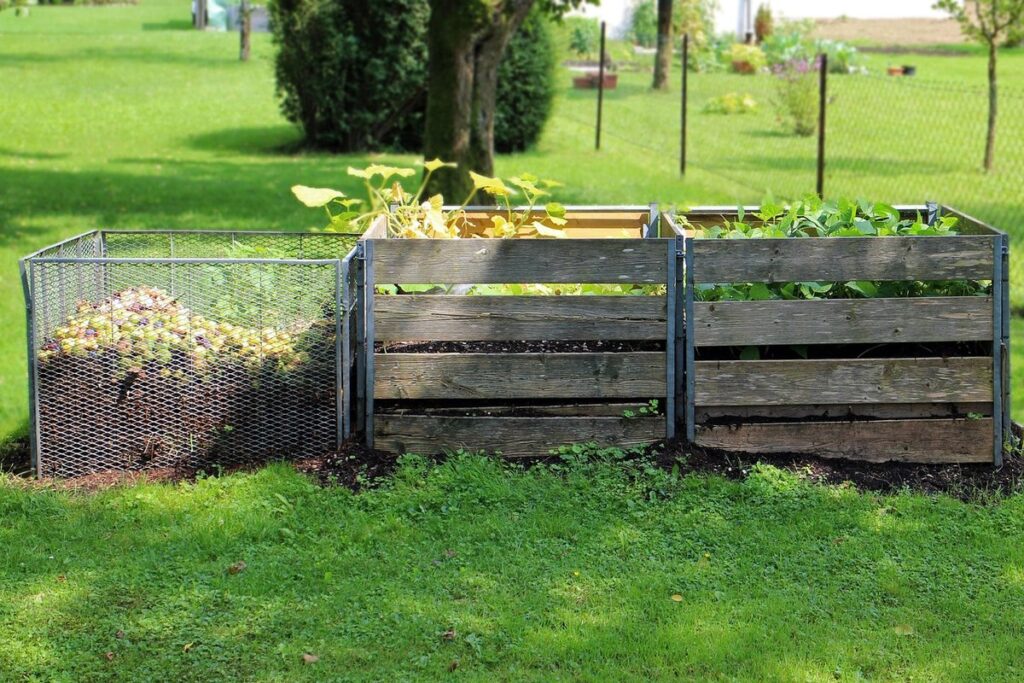
The Basics of Pumpkin Composting
To get started, let’s break down the basics of pumpkin composting, including how to prepare your pumpkin and what types of materials you can mix it with.
What is Pumpkin Composting?
Pumpkin composting is the process of breaking down pumpkin waste into nutrient-rich soil amendment that can be used to fertilize gardens and plants. This eco-friendly practice not only reduces waste but also creates a valuable resource for gardeners. To start composting, you’ll need to collect various organic materials such as leaves, branches, grass clippings, and food scraps.
But what exactly is considered “compostable”? Generally, any carbon-rich material can be added to the compost pile, including vegetable peels, coffee grounds, tea bags, and shredded paper. However, it’s essential to maintain a balance between “green” (nitrogen-rich) materials like food waste and “brown” (carbon-rich) materials like leaves.
Composting is crucial for the environment as it reduces greenhouse gas emissions by minimizing the need for synthetic fertilizers. By using composted soil amendment, you can improve soil structure, increase water retention, and support beneficial microorganisms that help plants grow. Moreover, composting pumpkin waste helps prevent the spread of pests and diseases in gardens.
By breaking down pumpkins into nutrient-rich compost, gardeners can create a sustainable cycle where waste becomes a valuable resource, promoting healthy gardening practices and reducing environmental impact.
Types of Pumpkin Waste
When it comes to composting pumpkin waste, there are several types of materials that can be added to the pile. Pumpkin rinds, for instance, are a great source of carbon-rich fibers and can help balance out the nitrogen levels in the compost. To prepare rinds for composting, simply chop them into smaller pieces or grate them using a food processor.
Pumpkin seeds are another valuable addition to your compost pile. They’re high in protein and oil content, which will attract beneficial microorganisms that break down organic matter. Be sure to crush or crack the seeds before adding them to the pile to increase their surface area for faster decomposition.
The stringy pulp of a pumpkin is also compostable, but it’s best to mix it with other materials first. This pulp can create anaerobic conditions if added in large quantities, so blend it with carbon-rich items like leaves or straw to maintain a healthy balance.
When combining these materials, aim for a mix that’s roughly 2/3 “brown” (dry) materials and 1/3 “green” (wet) materials. This will ensure optimal decomposition and prevent the growth of pathogens in your compost pile.
Factors Affecting Composting Time
So, you’re wondering what can slow down or speed up your pumpkin’s composting process? Let’s dive into the key factors that influence decomposition time.
Temperature and Moisture Levels
When it comes to composting a pumpkin, temperature and moisture levels play a crucial role in determining the speed of decomposition. As a general rule, the ideal temperature range for effective composting is between 55°F (13°C) and 140°F (60°C). If the temperature falls below 50°F (10°C), the process will slow down significantly, while temperatures above 160°F (71°C) can lead to the growth of unwanted pathogens.
Maintaining an optimal moisture level is equally important. Compost should have a water content of around 50-60%. This allows for efficient microbial activity and prevents the compost from becoming too wet or dry. If the pumpkin pile is too dry, it may become compacted, hindering oxygen flow and slowing down decomposition. On the other hand, excessive moisture can lead to anaerobic conditions, causing unpleasant odors and attracting pests.
To ensure a balanced temperature and moisture level, aim to turn your compost pile regularly, about once every 7-10 days. This will help maintain air circulation and prevent the growth of unwanted microorganisms.
pH Levels and Nutrient Availability
Maintaining optimal pH levels and nutrient availability is crucial for efficient composting. The ideal pH range for composting is between 6.0 and 7.0, which allows microorganisms to thrive and break down organic matter efficiently. If the pH level is too high or too low, it can slow down the composting process.
To monitor pH levels, you can use a pH testing kit available at most gardening stores. Simply mix a sample of your compost with water according to the manufacturer’s instructions, then dip in the test strip or insert the probe into the solution. Compare the resulting color to the chart provided to determine the pH level.
If your compost is too acidic (pH below 6.0) or alkaline (pH above 7.0), you can adjust it by adding materials that help balance the pH. For example, if your compost is too acidic, you can add crushed eggshells or wood ash to raise the pH. Conversely, if it’s too alkaline, you can add peat moss or pine needles to lower the pH.
By maintaining optimal pH levels and nutrient availability, you’ll be able to speed up the composting process and create a high-quality compost for your garden. This is especially important when composting pumpkin scraps, as they tend to break down faster than other organic materials.
Composting Methods and Their Effects on Time
There are several composting methods that can impact how long it takes for a pumpkin to break down, including cold composting and hot composting. Let’s explore these approaches in more detail.
Cold Composting vs. Hot Composting
When it comes to composting pumpkins, you have two main options: cold composting and hot composting. While both methods can produce rich, nutrient-dense soil for your garden, they differ significantly in their approach and pace.
Cold composting is a low-maintenance method that involves adding organic materials to a pile without controlling temperature or moisture levels. This slow process takes several months to break down the pumpkin into a usable compost. The advantage of cold composting lies in its simplicity – you can add materials as they become available, and the compost will still turn out fine.
Hot composting, on the other hand, accelerates the breakdown process through controlled heat and moisture levels. This method requires more effort and monitoring but produces results much faster. By maintaining optimal temperature (130-140°F) and carbon-to-nitrogen ratio, you can break down a pumpkin into compost within 1-3 weeks.
It’s essential to consider your personal schedule and resources when choosing between cold and hot composting. If you’re short on time or have limited space, hot composting might be the better option. However, if you prefer a more hands-off approach and don’t mind waiting several months for results, cold composting is still a viable choice.
Vermicomposting (Worm Composting)
Vermicomposting (Worm Composting) can be a game-changer when it comes to composting pumpkins quickly. This method involves using worms, specifically red wigglers, to break down organic materials into nutrient-rich compost. By harnessing the power of these tiny creatures, you can speed up the decomposition process and produce high-quality compost in as little as 1-3 months.
One advantage of vermicomposting is that it allows for continuous composting, meaning you can add new materials while the worms are still working on the existing batch. This is particularly useful when dealing with large quantities of organic matter like pumpkins. To set up a worm composting system, you’ll need to create a bin or container with a lid and bedding material such as coconut coir or shredded newspaper. Add your pumpkin chunks and worms, and keep the environment moist but not waterlogged.
The challenges associated with vermicomposting include maintaining optimal moisture levels and temperature (around 55-77°F) for the worms’ comfort. Regular monitoring is essential to ensure that the system remains healthy and productive. With proper care and attention, worm composting can help you break down your pumpkin quickly, making it a valuable addition to any garden or household composting effort.
Monitoring and Maintaining Optimal Conditions
To ensure a smooth composting process, it’s essential to monitor and maintain optimal conditions for your pumpkin scraps, including temperature and moisture levels. This section covers key factors to keep in mind.
How to Monitor Temperature, Moisture, and pH Levels
Monitoring these key parameters is crucial for maintaining optimal conditions during the composting process. You’ll want to regularly check temperature, moisture, and pH levels to ensure that they’re within the ideal ranges.
Temperature can be monitored using a compost thermometer. The ideal temperature range for composting is between 130°F and 140°F (54°C to 60°C). This temperature range indicates that microbial activity is at its peak, breaking down organic matter efficiently. To maintain this temperature, ensure your pile is not too large or compacted.
Moisture levels should be kept between 50% and 70%. Excess moisture can lead to anaerobic conditions, while dryness slows down the composting process. To achieve optimal moisture, aim for a mix of “damp sponge-like” consistency when you press your hand into the pile. Regularly turn or aerate your pile to ensure oxygen reaches all parts.
pH levels should be between 6.0 and 7.5. A pH meter can help you measure these levels accurately. Most compostable materials, including pumpkin, have a neutral pH close to this range. Maintaining optimal pH ensures that microbes can function efficiently and prevents any toxic conditions from arising.
Turning and Aeration Techniques
To ensure optimal composting conditions for your pumpkin, regular turning and aeration are essential. This process helps break down organic materials efficiently while preventing anaerobic conditions that can lead to unpleasant odors and slowed decomposition.
When turning your compost pile, aim to mix the contents every 7-10 days, depending on the size of the pile and ambient temperatures. Start by gently lifting the edges and working your way inwards with a shovel or pitchfork. Be careful not to compact the materials too much, as this can hinder airflow and slow down decomposition.
For smaller compost piles, like those containing individual pumpkins, you may need to turn them daily. This frequency will help maintain oxygen levels and prevent anaerobic pockets from forming. Consider adding a layer of coarse carbon-rich materials (such as straw or shredded newspaper) on top of your pumpkin pile before turning it – this helps promote air circulation and balance the nitrogen-to-carbon ratio.
To aerate your compost, use a fork to gently pierce the center of the pile and pull out some of the inner contents. This will create channels for oxygen to enter the pile while allowing moisture to escape, facilitating healthy microbial activity throughout.
Expected Composting Timeframes
Now that we’ve covered the basics of composting, let’s dive into the timeframes you can expect for a pumpkin to break down and become nutrient-rich soil. This section will give you an idea of what to plan for.
Average Composting Times for Pumpkins
The average composting time for pumpkins can vary significantly depending on several factors. Generally, you can expect it to take anywhere from 2-6 months to break down a pumpkin in a well-maintained compost pile. However, this timeframe can be influenced by the method of composting, materials added, and environmental conditions.
If you’re using a hot composting method, where you actively manage the carbon-to-nitrogen ratio and moisture levels, a pumpkin may take around 2-3 months to decompose. On the other hand, cold composting, which involves adding materials without regular turning or maintenance, can take closer to 6 months.
The type of materials added to the compost pile also plays a crucial role. For example, if you’re mixing your pumpkin with high-carbon materials like straw or shredded newspaper, it will break down faster than if you were only adding nitrogen-rich materials like kitchen scraps.
Factors Influencing Composting Speed
When it comes to composting, several factors can influence the speed at which your pumpkin breaks down. One key factor is the initial carbon-to-nitrogen (C:N) ratio of the compost pile. This ratio determines how quickly microorganisms can feed on the organic matter. A balanced C:N ratio typically ranges from 25:1 to 30:1, with a mix of ‘green’ nitrogen-rich materials like food scraps and ‘brown’ carbon-rich materials like leaves or straw.
Microbe populations also play a significant role in composting speed. The presence of beneficial microbes like bacteria and fungi can accelerate decomposition by breaking down organic matter into simpler compounds. Adding microbe-rich materials like compost tea or worm castings to your pile can boost microbial activity.
Weather conditions, such as temperature, moisture, and wind, can also impact composting speed. A moderate temperature range between 50°F to 90°F (10°C to 32°C) is ideal for decomposition, while extreme temperatures can slow the process. Similarly, adequate moisture is essential to maintain optimal microbial activity.
Additional Tips and Considerations
Now that you have a better understanding of the composting process, here are some additional tips to keep in mind when breaking down your pumpkin. Remember to be patient and flexible as things don’t always go exactly as planned.
Safety Precautions When Handling Pumpkin Waste
When handling pumpkin waste during composting, it’s essential to take necessary safety precautions to prevent disease transmission and contamination. This is particularly crucial when working with plant materials that can harbor pathogens.
To minimize risks, always wear protective gear, including gloves, a face mask, and closed-toe shoes. Regularly washing your hands with soap and water after handling pumpkin waste will also help prevent the spread of diseases. Make sure to disinfect any tools or equipment used for composting to avoid cross-contamination.
When adding pumpkin waste to your compost pile, ensure it’s fully integrated into the mix to prevent anaerobic conditions that can foster pathogen growth. Monitor the pile’s temperature and moisture levels to maintain optimal composting conditions. Keep children and pets away from the compost area, as they may accidentally ingest contaminated materials or disturb the pile.
Remember to regularly inspect your compost pile for signs of pests or disease, such as mold, fungus, or insects. If you notice any issues, take corrective action promptly to prevent further contamination. By following these safety guidelines, you can enjoy a healthy and thriving composting process while minimizing potential health risks.
Best Practices for Successful Composting
To achieve successful composting, it’s essential to maintain a balanced mix of materials. A general rule of thumb is to have 2/3 “brown” materials (dried leaves, straw, or shredded newspaper) and 1/3 “green” materials (food scraps, grass clippings, or manure). This balance provides the necessary carbon-to-nitrogen ratio for decomposition to occur. When adding pumpkin scraps to your compost pile, aim to maintain this ratio by incorporating other organic matter like vegetable peels, coffee grounds, or tea bags.
Monitor environmental conditions regularly to ensure optimal decomposition rates. Temperature is a crucial factor – most composting organisms thrive between 50°F and 150°F (10°C and 65°C). To encourage temperature fluctuations that promote microbial activity, aerate the pile by turning it every week or two. Regular moisture checks are also vital; an ideal compost pile should be damp but not soggy, like a damp sponge.
Maintaining a balanced mix and monitoring environmental conditions will significantly influence the breakdown time of your pumpkin scraps. By doing so, you can expect to see significant decomposition within 2-6 weeks, depending on factors such as temperature, moisture, and material balance.
Frequently Asked Questions
What if I have limited space for a compost pile? Can I still compost pumpkins effectively?
Yes, you can still compost pumpkins even with limited space. Consider using a vermicomposting system or a small-scale worm bin to break down your pumpkin waste. These compact solutions are perfect for urban gardeners or those with limited outdoor space. Simply add your pumpkin scraps to the bin and maintain optimal moisture levels.
How do I balance carbon-rich materials like pumpkin waste with nitrogen-rich materials in my compost pile?
To achieve the ideal mix, aim for a 2:1 ratio of “green” (nitrogen-rich) materials to “brown” (carbon-rich) materials. Pumpkin waste is high in carbon, so supplement it with nitrogen-rich materials like food scraps or grass clippings. This balance will help speed up decomposition and create nutrient-rich compost.
What’s the best way to handle pumpkin seeds when composting?
Pumpkin seeds are not only edible but also nutritious for wildlife. You can either add them to your compost pile, where they’ll act as a natural seed starter, or use them in your garden as is. If you choose to compost them, make sure to bury them deep within the pile to prevent them from germinating prematurely.
Can I compost pumpkin waste if it’s been exposed to pests like mice or raccoons?
While pest contamination might not be ideal, it doesn’t necessarily mean you can’t compost your pumpkin waste. However, exercise caution and follow proper sanitation procedures to minimize the risk of spreading diseases. Remove any visible signs of infestation, disinfect tools, and take steps to maintain a clean and odor-free environment.
How do I know when my composted pumpkin is ready for use in my garden?
Your finished compost will be dark, crumbly, and have an earthy aroma. Before using it, make sure it’s been broken down into a uniform texture and has reached the desired temperature (usually around 130°F to 140°F). You can also perform a “squeeze test”: if it holds its shape but still feels damp and crumbly, it’s ready for use in your garden.