
Growing your own vegetables can be incredibly rewarding, but have you ever stopped to think about just how long they take to mature? From leafy greens that’re ready in as little as 20 days to slow-growing heirloom varieties that need months of care, the growth rate of different veggies is a fascinating topic. But why does it matter? Knowing how quickly your veggies will be ready can help you plan your garden and make the most of your growing season. In this article, we’ll take a closer look at just how long do vegetables take to grow, including the factors that influence development – like climate, soil quality, and sunlight exposure. We’ll cover everything from fast-growing staples to slow-maturing treasures, so you can get the best out of your garden.
Choosing the Right Vegetables
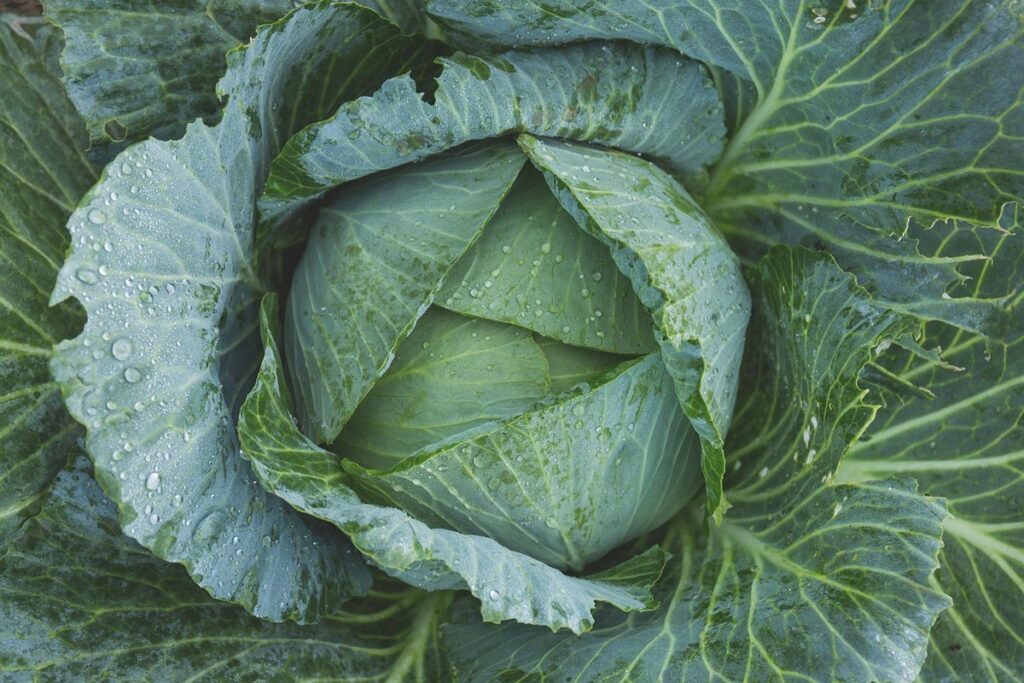
When selecting vegetables for your garden, it’s essential to consider factors that influence growth rates, such as climate and maturity periods. Let’s explore some popular choices together.
Factors Affecting Growth Rate
The growth rate of vegetables is influenced by various factors that you can control as a gardener. Climate plays a significant role in determining the growth rate of vegetables. For instance, most leafy greens like lettuce and spinach grow rapidly in cool temperatures between 60-70°F (15-21°C), while warm-season crops such as tomatoes and peppers thrive in temperatures above 65°F (18°C). Soil quality is also crucial; well-draining soil with the right pH level can significantly impact growth rates.
Sunlight exposure affects growth rates, too. Vegetables that require a long growing season, like broccoli and cauliflower, need at least six hours of direct sunlight per day. On the other hand, leafy greens can tolerate partial shade or indirect sunlight. Different vegetables also have varying growth rates due to their individual characteristics. For example, radishes mature in as little as 20-25 days, while carrots take about 60-70 days to reach maturity.
To optimize growth rates, gardeners should consider the specific climate and soil conditions of their area. They can also adjust planting schedules and sun exposure based on these factors. By understanding how these factors impact vegetable growth, you can better plan and manage your garden for optimal yields and healthier plants.
Understanding Vegetable Life Cycles
Vegetable life cycles are not as straightforward as they seem. While some vegetables mature within weeks, others take months to grow. Understanding these life cycles is crucial for planning and harvesting.
Germination, the first stage of plant development, can last anywhere from 3-21 days, depending on factors like soil temperature, moisture, and seed quality. Some seeds, such as beans and peas, sprout quickly within a week, while others, like broccoli and cauliflower, take up to three weeks. Make sure you understand the specific germination period for your chosen vegetables.
After germination, the seedling stage begins, lasting from 1-4 weeks. During this time, plants focus on developing their root system and leaves. Then comes the vegetative growth phase, which can last anywhere from a few weeks to several months. Tomatoes, for instance, require around 60 days of vegetative growth before they’re ready to produce fruit.
As you plan your garden, keep in mind that these life cycles overlap and vary between vegetables. Research the specific needs of each plant to ensure optimal growth and harvest times.
Determining Growth Time
Now that you’ve chosen the perfect veggies for your garden, let’s dive into determining their growth time so you can plan and prepare accordingly. This is crucial to ensure a bountiful harvest at the right moment.
Estimating Days to Maturity (DTM)
Estimating Days to Maturity (DTM) from seed packets and gardening books is an essential step in planning a successful harvest. These estimates provide a general idea of when vegetables are likely to be ready for picking, but they’re not always accurate. Factors like weather conditions, soil quality, and specific growing techniques can influence the actual growth time.
When using DTM estimates, consider them as a starting point rather than a hard deadline. For example, if a seed packet says that a broccoli crop is ready in 55 days under ideal conditions, but you’re experiencing unseasonal warmth or coolness, it may be ready sooner or later. To adjust for these variations, monitor your plants’ progress closely and look for visual cues like size, color, and texture.
It’s also essential to note that some vegetables, like leafy greens and herbs, are harvested continuously, while others, like root vegetables and squash, are picked once they reach maturity. By understanding the DTM estimates and adjusting them based on your specific growing conditions, you can plan for a bountiful harvest and make the most of your gardening efforts.
Factors That Influence Growth Rate Variance
Weather patterns play a significant role in determining growth rate variance. Temperature fluctuations can either speed up or slow down the growth process, with optimal temperatures varying between 60°F and 90°F (15°C to 32°C) for most vegetables. For instance, tomatoes require consistent heat above 65°F (18°C), while lettuce prefers cooler conditions around 70°F (21°C).
Irrigation schedules also impact growth rates significantly. Overwatering can lead to root rot, causing plants to grow more slowly, while underwatering results in stunted growth due to nutrient deficiency. On the other hand, consistent moisture levels allow for optimal nutrient uptake and promote healthy growth.
Nutrient availability is another crucial factor affecting growth rates. Soil pH levels, nutrient deficiencies, and excesses all contribute to variations in growth rates. For example, a lack of phosphorus can stunt root development, while an overabundance of nitrogen promotes leafy growth at the expense of fruit production. Understanding these factors allows gardeners to make informed decisions about their soil management strategies and adjust irrigation schedules accordingly.
Growing Fast-Growing Vegetables
If you’re eager to harvest fresh produce quickly, this section will guide you through growing fast-growing vegetables that mature in as little as 20-30 days. Let’s dive into some of these speedy growers!
Quick-Producing Leafy Greens
When it comes to quick-producing leafy greens, there are several popular options that can be harvested in under 20 days. Lettuce, spinach, and kale are some of the fastest-growing varieties, making them perfect for busy gardeners or those who want a rapid crop turnaround.
For optimal growth, these leafy greens require specific conditions. Lettuce and spinach thrive in cooler temperatures between 60-70°F (15-21°C), while kale can tolerate warmer temperatures up to 80°F (27°C). Ensure they receive adequate moisture, but avoid overwatering, which can lead to root rot and other issues.
To further boost growth, consider using a hydroponic or container garden system. These setups provide precise control over water quality, nutrient delivery, and temperature, allowing for faster and more efficient growth. For example, some growers have reported harvesting lettuce in as little as 10-12 days using these systems.
Some popular leafy green varieties with fast growth times include:
• ‘Loose-Leaf’ lettuce (10-14 days)
• ‘Red Leaf’ lettuce (12-16 days)
• Baby spinach (6-8 days)
• ‘Curly-Leafed’ kale (15-20 days)
By understanding the specific needs of these leafy greens and providing optimal growing conditions, you can enjoy a rapid harvest and keep your garden productive throughout the growing season.
Rapidly Producing Root Vegetables
Root vegetables are some of the fastest-growing types of veggies you can cultivate in your garden. Carrots, beets, and radishes take around 20-40 days to mature, making them perfect for impatient gardeners or those who want a quick harvest. However, these speedy growers require specific growing conditions to thrive.
To create an environment that fosters rapid growth, start by selecting a spot with full sun and well-draining soil. Beets, for instance, love moist but not waterlogged soil, while carrots prefer the opposite – dry to medium moisture levels. Radishes are quite adaptable but will bolt (go to seed) if temperatures rise above 75°F (24°C). Make sure your soil pH is between 6.0 and 7.0 for optimal growth.
Some common pitfalls that can hinder rapid root veggie growth include overcrowding, poor soil quality, and inconsistent watering. Plant carrots at a depth of about ¼ inch to avoid green shoulders and promote straight growth. Beets and radishes are more forgiving but still require thinning to 2-3 inches apart as they mature. By avoiding these mistakes, you’ll be enjoying fresh, crunchy root vegetables in no time!
Growing Slow-Growing Vegetables
If you’re looking to grow your own food but don’t have a lot of time, slow-growing vegetables are perfect for busy gardeners. We’ll explore some popular varieties that mature in 60 days or more.
Understanding the Needs of Heirloom Varieties
Heirloom varieties are a treasure trove for home gardeners, offering unique flavors and textures that can’t be found in their hybrid counterparts. However, these open-pollinated wonders often require more time to mature, with some taking up to 60 days or longer to reach full maturity.
One of the key characteristics of heirloom vegetables is their genetic diversity. Unlike hybrids, which are bred for specific traits like disease resistance and high yields, heirlooms are preserved for their distinctive taste, texture, and appearance. This means they often require more attention and care from gardeners, but the rewards are well worth it.
When growing heirloom varieties, keep in mind that they may need more time to germinate, and some may even require vernalization (exposure to cold temperatures) to break dormancy. For example, Brussels sprouts can take up to 90 days to mature, while broccoli may need as long as 55 days. To ensure success with heirlooms, choose varieties that are suitable for your climate and growing conditions, and be prepared to provide extra care and attention throughout the growing season.
If you’re new to growing heirloom vegetables, start by selecting varieties that are known to do well in your region. Check seed packets or online resources for specific growing requirements and days to maturity. With a little patience and know-how, you can enjoy the rich flavors and textures of heirloom varieties in your own garden.
Tips for Growing Brassicas and Other Slow-Maturing Vegetables
When growing slow-maturing vegetables like broccoli, cauliflower, and Brussels sprouts, it’s essential to create optimal conditions to ensure successful harvests. These crops require a longer growth period than many other vegetables, typically taking 50-100 days or more from sowing to maturity.
To manage potential problems that may arise during their extended growth periods, provide your slow-maturing veggies with plenty of space to breathe. Overcrowding can lead to disease and pest issues, which can further prolong the growing process. Ensure good air circulation by leaving enough room between plants, ideally around 12-18 inches for broccoli and cauliflower.
Another crucial factor is temperature management. Slow-maturing vegetables prefer cooler temperatures, typically in the range of 60°F to 70°F (15°C to 21°C). Avoid exposing them to extreme heat or cold fluctuations, as this can cause stress and delay maturity. Regularly monitor soil moisture and adjust watering schedules accordingly to avoid nutrient deficiencies and root rot.
By providing your slow-maturing vegetables with the right conditions and careful management, you can enjoy a bountiful harvest of these delicious crops.
Climate-Specific Considerations
When growing vegetables, it’s essential to consider how different climates and weather conditions can impact their growth rates. Let’s explore some specific climate factors that affect vegetable maturation times.
Hot Weather (Tropical/Temperate Zones)
In tropical and temperate zones, extreme heat can significantly impact vegetable growth rates. High temperatures can lead to stunted plant growth, reduced yields, and increased susceptibility to pests and diseases. For example, tomatoes typically take 60-90 days to mature, but in scorching heat, they may only produce a few fruit before wilting.
To counteract the effects of high temperatures, adjust your growing schedule by planting vegetables that thrive in warm weather or using techniques like row covers to shade plants during the hottest part of the day. For instance, okra and southern peas are excellent choices for hot climates as they can tolerate temperatures up to 100°F (38°C). Consider also incorporating heat-tolerant varieties of popular crops like lettuce, spinach, and eggplants into your garden.
Additionally, ensure proper soil moisture by watering deeply but infrequently to encourage deep root growth. This will help vegetables withstand drought conditions better. By understanding how intense heat affects vegetable growth rates and implementing these strategies, you can create a thriving garden even in the most extreme temperatures.
Cold Weather (Temperate/Cool Zones)
In cold weather climates with temperate or cool zones, plant growth is significantly influenced by the duration and intensity of frosts. Sensitive vegetables like lettuce, spinach, and peas are particularly vulnerable to frost damage, which can be detrimental to their development. To mitigate this risk, gardeners can employ various strategies. For instance, planting sensitive varieties at a later stage in the season allows them to mature after the last frost date has passed.
Some hardy vegetables like broccoli, cauliflower, and kale can tolerate light frosts but may still require protection during prolonged periods of cooler temperatures. Row covers or cold frames can be used to provide additional insulation and extend the growing season. For optimal growth, choose varieties specifically bred for cool-season production, which tend to mature more quickly than their warm-season counterparts.
In regions with mild winters, certain vegetables like Brussels sprouts and cabbage can be grown year-round. Consider using techniques such as succession planting or staggered sowing to ensure a continuous harvest throughout the season.
Harvesting Your Vegetables
Now that your vegetables are mature, it’s time to harvest them. This section will guide you through the process of picking and enjoying your homegrown crops at just the right moment.
The Importance of Regular Monitoring and Pruning
Monitoring and pruning are essential practices that can make all the difference in the growth and quality of your vegetables. Regularly inspecting your plants allows you to catch potential issues before they become major problems, preventing over- or under-maturation.
For example, if you’re growing tomatoes, keep an eye out for signs of ripeness like color changes or softening skin. Removing any unripe or rotten produce prevents the spread of disease and maintains the overall health of your plant. Pruning techniques also play a crucial role in optimizing growth.
When it comes to pruning, there are two primary goals: promoting healthy growth and encouraging fruiting. For leafy greens like lettuce and spinach, remove individual leaves as needed to encourage bushy growth. This process is called “succession harvesting.” For fruiting vegetables like cucumbers and squash, remove lower leaves to prevent disease and direct the plant’s energy towards producing more fruit.
Some key tips for regular monitoring include: checking soil moisture daily, inspecting plants for pests or diseases weekly, and adjusting pruning techniques based on the specific vegetable variety you’re growing. By incorporating these habits into your gardening routine, you’ll be well on your way to a bountiful harvest.
Timing Your Harvest for Optimal Taste and Texture
Timing your harvest is crucial to enjoying optimal taste and texture from your homegrown vegetables. Different vegetables reach their peak flavor and texture at various stages of maturity, so it’s essential to recognize the signs of readiness.
For example, tomatoes are typically ready to harvest when they’re fully red and have a slight give when pressed. Leafy greens like lettuce and spinach are best picked in the early morning, before the heat of the day causes them to wilt. On the other hand, root vegetables like carrots and beets can be left in the ground for a longer period, but will eventually become woody and fibrous if over-matured.
To ensure the best possible harvest, look for these signs of readiness:
• Check the color: Many vegetables turn from green to vibrant colors when ripe.
• Inspect texture: Gently press or pinch the vegetable to assess its firmness.
• Smell: Some vegetables, like tomatoes and cucumbers, give off a sweet aroma when ripe.
• Taste: If possible, taste the vegetable to ensure it’s at the optimal level of sweetness.
Keep in mind that over-harvesting can lead to weaker plants and reduced yields. Learn to recognize the signs of readiness for your specific vegetables to enjoy the best flavor and texture possible.
Conclusion
Now that we’ve explored the growth times for a variety of popular vegetables, it’s time to summarize our findings and wrap up. Let’s take a final look at what we’ve learned so far.
Recap of Key Takeaways
In this final section, we’ll recap the key takeaways from our exploration of vegetable growth rates. As you’ve learned throughout this article, factors such as variety, climate, soil quality, and initial seed size significantly impact how long it takes for vegetables to grow.
One crucial point is that different varieties of vegetables have distinct growth cycles. For example, leafy greens like lettuce and spinach mature in as little as 20-30 days, while root vegetables like carrots take around 60-70 days to reach full maturity. These variations underscore the importance of selecting the right variety for your specific climate and growing conditions.
In addition to variety, soil quality plays a critical role in vegetable growth rates. Well-draining, fertile soil can accelerate plant development, whereas poor soil conditions can slow it down significantly. Make sure to test your soil pH levels and adjust accordingly, as optimal ranges vary between 6.0-7.0 for most vegetables.
Climate also has a substantial impact on growth rates. Temperature fluctuations, light exposure, and moisture levels all influence the speed at which vegetables mature. For instance, tomatoes require a long growing season with consistent temperatures above 60°F (15°C) to produce fruit.
Finally, initial seed size can affect growth rates as well. Larger seeds often produce faster-growing plants, while smaller seeds may result in slower development. By considering these factors and selecting the right variety for your specific conditions, you’ll be well on your way to growing a successful vegetable crop.
In summary, understanding the interplay between variety, climate, soil quality, and initial seed size is crucial for optimizing vegetable growth rates. With this knowledge, you can make informed decisions when planning your garden and enjoy a bountiful harvest all season long.
Frequently Asked Questions
Can I grow vegetables indoors with artificial lighting?
Yes, you can grow vegetables indoors using artificial lighting, but it’s essential to consider the type of light spectrum required for specific plants. For example, leafy greens and herbs prefer cooler temperatures (around 60-70°F/15-21°C) and can thrive under LED or T5 lighting. However, larger plants like tomatoes require more intense light sources, such as HPS lights. Research the specific requirements for your chosen vegetables to ensure optimal growth.
How do I determine the ideal growing conditions for my climate?
To determine the ideal growing conditions for your climate, consider factors like temperature, humidity, and sunlight hours. You can consult local gardening resources or online databases that provide specific information on climate zones and corresponding growing conditions. Additionally, most seed packets will include guidelines on optimal growth temperatures and requirements.
What’s the best way to maintain soil quality while extending the growing season?
Maintaining healthy soil is crucial for extending the growing season. Regularly add compost or well-rotted manure to improve soil structure and fertility. Also, consider implementing cover crops between harvests to replenish nutrients and suppress pests. Mulching can help retain moisture and regulate soil temperature.
Can I grow vegetables in containers on a balcony or patio?
Yes, you can grow vegetables in containers on a balcony or patio, but ensure the container has good drainage holes and use a well-draining potting mix. Select compact or dwarf varieties that thrive in smaller spaces, such as cherry tomatoes, leafy greens, or herbs like basil and mint.
How do I estimate the harvest time for my specific vegetable variety?
To estimate harvest time, research the Days to Maturity (DTM) for your specific vegetable variety. This information is usually provided on seed packets or by consulting a gardening resource database. Keep in mind that factors like climate, soil quality, and sunlight exposure can affect actual growth rates. Regularly monitor plant development and adjust your expectations accordingly.