
Are you itching to know when your homegrown tomatoes will be ripe and ready for the dinner table? Understanding the growth cycle of tomatoes is crucial for any gardener or farmer, as it helps determine the ideal planting time, pruning schedule, and harvest expectations. But just how long does it take for tomatoes to grow from seed germination to juicy ripeness? The answer lies in a delicate balance of factors, including climate, soil quality, and weather conditions that affect maturation time. In this article, we’ll break down the stages of tomato growth, from sowing seeds to harvesting, and explore how environmental conditions influence the ultimate ripening time.
Understanding Tomato Growth Stages
To understand how long it takes for tomatoes to grow, let’s break down the key stages of their development from seed to ripe fruit. We’ll explore each stage in detail.
Germination: From Seed to Sprout (7-14 days)
The first stage of tomato growth is germination, where seeds transform into sprouts. This critical phase typically occurs between 7-14 days after sowing, depending on factors like temperature, moisture, and seed quality. Warmth promotes rapid germination; most seeds will sprout within 7-10 days at temperatures above 70°F (21°C). However, if the environment is cooler or drier, this process may take longer.
To optimize seed starting, ensure the soil remains consistently moist but not waterlogged. Covering the pot with a clear plastic bag helps maintain humidity and warmth. When sowing seeds, place them about ¼ inch deep in well-draining mix to prevent overwatering. Avoid exposing seeds to direct sunlight until they’ve developed their first set of leaves.
Keep in mind that germination rates can vary significantly depending on seed type and storage conditions. Fresh seeds typically exhibit higher germination success compared to older or low-quality ones.
Seedling Stage: Developing Roots and Leaves (1-2 weeks)
At this critical stage, your tomato seedlings are busy developing their roots and leaves. This is a time of rapid growth, and it’s essential to provide them with the right conditions to thrive.
During the first week, you’ll start to notice your seedlings emerging from their shells. They’ll begin to develop their true leaves, which are larger and more robust than their initial cotyledons. It’s crucial to ensure they’re getting enough light; aim for 12-14 hours of direct sunlight or use grow lights to supplement. Adequate lighting will promote healthy leaf growth and help your seedlings develop a strong root system.
Make sure the soil is consistently moist but not waterlogged, as this can lead to root rot. Feed your seedlings with a balanced fertilizer once a week to provide essential nutrients for growth. You can also use a water-soluble fertilizer to give them an extra boost. Keep an eye on the temperature; most tomato varieties prefer daytime temperatures between 65-70°F (18-21°C) and nighttime temperatures around 55-60°F (13-15°C).
Climate and Soil Conditions Affecting Growth
Climate and soil conditions play a significant role in determining how long it takes for tomatoes to grow, as some varieties thrive in warmer temperatures while others require cooler weather. Let’s dive into these factors that impact growth time.
Temperature and Day Length Effects on Tomato Plants
Temperature and day length have a significant impact on tomato plant growth. In regions with hot summers, such as California or Florida, ideal temperatures for tomato plants range from 65°F to 85°F (18°C to 30°C). For areas with cooler summers, like the Pacific Northwest or New England, optimal temperatures are between 60°F and 80°F (15°C to 27°C).
Day length also plays a crucial role. Tomatoes require at least 6 hours of direct sunlight per day to produce well. In regions near the equator or during peak summer months, this is not an issue. However, in areas with shorter days, like northern latitudes or during winter months, supplemental lighting may be necessary.
To adapt planting schedules according to temperature and day length, consider starting seeds indoors 6-8 weeks before the last frost date for your area. This allows seedlings to develop strong roots and stems before being transplanted outside. In regions with cool summers, plant tomatoes as soon as the soil can be worked in spring. For hot climates, plant in late spring or early summer when temperatures are more moderate.
Soil pH and Nutrient Requirements for Tomatoes
When growing tomatoes, having optimal soil conditions is crucial for maximum yields and healthy plant growth. This includes maintaining an ideal pH level between 6.0 and 7.0, which allows plants to absorb essential nutrients efficiently. If the pH is too high or low, it can lead to nutrient deficiencies, affecting fruit production.
To determine your soil’s pH level, you’ll need a soil testing kit or send a sample to a laboratory for analysis. Based on the results, adjust the pH accordingly by adding organic matter like compost or acidic fertilizers if needed.
In addition to maintaining a suitable pH, ensure that your soil has adequate nutrient levels. Tomatoes are heavy feeders and require a balanced diet of nitrogen (N), phosphorus (P), and potassium (K). A general rule is to provide 20-10-15 (N-P-K) fertilizer during the growth phase. However, this may vary depending on your region’s soil type and local expert recommendations.
Regularly inspecting your plants’ leaves for signs of nutrient deficiencies can help you adjust the fertilization schedule accordingly. By fine-tuning your soil conditions to meet tomato plant requirements, you’ll be well on your way to a bountiful harvest within 60-90 days.
Factors Influencing Tomato Maturation Time
So, you’re wondering what can affect how long it takes for your tomatoes to ripen? Let’s dive into the key factors that influence tomato maturation time.
Variety Selection: Impact on Growth Rate and Maturity Date
When selecting a tomato variety, it’s essential to consider its impact on growth rate and maturity date. This is crucial because different varieties can mature anywhere from 60 to over 100 days, depending on factors such as climate, growing season, and the specific characteristics of each plant.
Some popular varieties like ‘Early Girl’ and ‘Patio’ are bred for their rapid growth and early production, typically maturing in around 50-60 days. These compact plants thrive in cooler temperatures and produce fruit quickly. On the other hand, larger varieties like ‘Better Boy’ and ‘Cherry Roma’ take longer to mature, often requiring around 70-90 days.
When choosing a variety for your garden, it’s vital to select one that suits your local climate and growing season. If you live in an area with long summers or mild winters, you can opt for more heat-tolerant varieties like ‘Brandywine’ or ‘Cherokee Purple’. However, if you experience cooler temperatures or shorter growing seasons, choose a variety bred specifically for those conditions.
It’s also worth noting that some hybrid varieties are designed to mature quickly and produce multiple harvests per season. These can be an excellent choice for growers who want to make the most of their garden space and extend their tomato production period.
Weather Conditions Affecting Tomato Ripening (Heat, Drought, etc.)
Extreme weather conditions can significantly impact tomato ripening times. Heatwaves, for instance, can cause tomatoes to ripen prematurely, leading to a soft and overripe texture. Prolonged droughts, on the other hand, can slow down fruit growth, resulting in underdeveloped or deformed fruits.
When faced with such conditions, gardeners can take proactive measures to mitigate their effects. Irrigation is one of the most effective ways to maintain optimal moisture levels, especially during hot and dry spells. Providing your tomato plants with a consistent supply of water will help regulate their growth and promote healthy ripening. Shading your plants during peak sun hours can also provide relief from intense heat.
Another approach is selecting varieties that are bred for tolerance against extreme weather conditions. Look for heat-tolerant or drought-resistant tomatoes, which have been engineered to perform better under stress conditions. These varieties may not produce as quickly as others but will ensure a steady supply of fruit throughout the growing season.
Common Challenges to Tomato Growth and Development
Tomato plants are susceptible to various challenges that can hinder their growth and development, such as pests, diseases, and inadequate care. Let’s take a closer look at some of these common obstacles you might encounter.
Pest and Disease Management Strategies for Healthy Plants
To ensure healthy plants and optimal tomato growth, it’s essential to address common pests and diseases that can impact yields. Among the most prevalent threats are aphids, whiteflies, and hornworms, which can be managed using integrated pest management (IPM) techniques.
These include introducing natural predators or parasites of pests, such as ladybugs for aphid control. Crop rotation, sanitation, and physical barriers can also help prevent infestations. For example, covering plants with fine-mesh row covers can prevent whiteflies from reaching them.
Diseases like fusarium wilt, septoria leaf spot, and bacterial spot are also major concerns. IPM strategies involve monitoring plants regularly for early signs of disease, using resistant cultivars when available, and practicing good hygiene through pruning infected areas and disinfecting tools.
To implement effective IPM, gardeners should monitor their plant population daily for any signs of stress or pests, ensuring quick action can be taken if necessary. By combining these methods, you’ll be able to protect your tomato crop from common threats and promote healthy growth throughout the season.
Nutrient Deficiencies: Causes, Symptoms, and Remedies
Nutrient deficiencies can significantly impact tomato growth, leading to stunted development and reduced yields. One of the primary causes of nutrient deficiencies is soil degradation, which can result from intensive farming practices, poor fertilization, or inadequate crop rotation. Identifying symptoms early on is crucial for corrective measures.
Symptoms of nutrient deficiencies may include yellowing or chlorosis, stunted growth, or deformed leaves. For example, a nitrogen deficiency will cause leaves to turn pale green or yellow, while a magnesium deficiency will lead to interveinal chlorosis. These visual cues can help gardeners identify the underlying issue.
To prevent stunted plant development, ensure your tomato plants receive balanced fertilization, with a mix of NPK (nitrogen-phosphorus-potassium) and micronutrients like calcium and magnesium. Test your soil regularly to determine nutrient levels and adjust your fertilizer accordingly. Aim for a comprehensive approach that addresses both soil quality and overall plant health.
Harvesting Tomatoes at the Right Time
Knowing when to harvest your tomatoes is just as important as understanding their growth cycle. We’ll explore how to determine if it’s time to pick those ripe red treats.
Signs of Ripeness: Color, Texture, and Scent Indicators
When it comes to determining if your tomatoes are ready for harvest, there are several signs you can look out for. Regularly inspecting your plants is crucial for optimal ripeness.
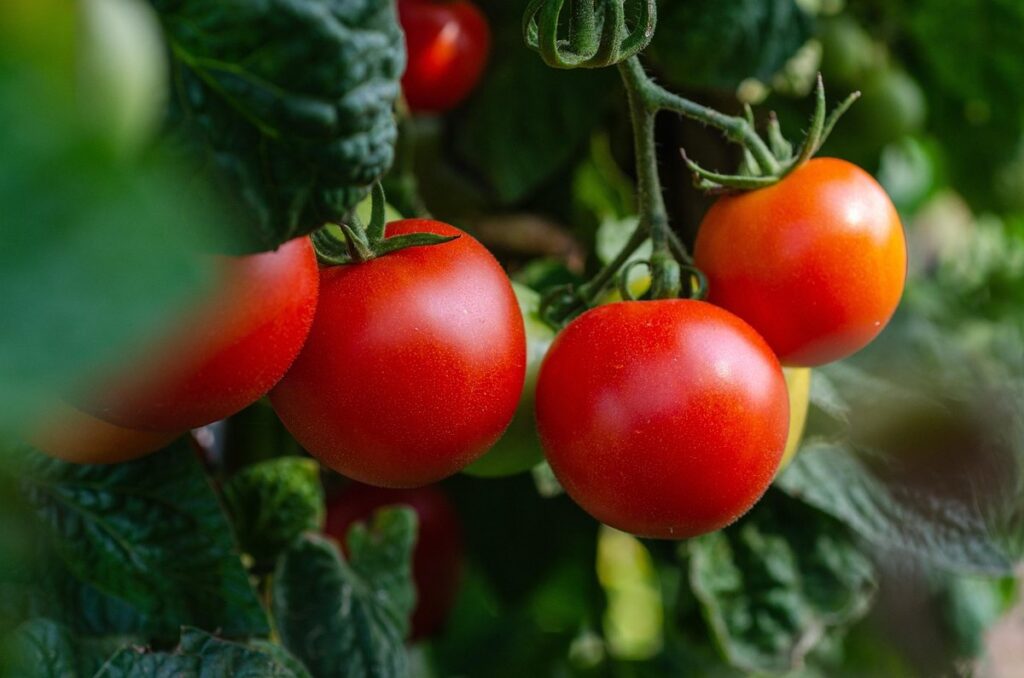
Start by checking the color of the tomatoes. Tomatoes will typically turn from green to their final color as they ripen. For example, red tomatoes will deepen in shade from a light pinkish hue to a vibrant red, while yellow tomatoes will turn from green to a bright yellow or golden yellow. However, some varieties like Green Zebra or Black Krim may remain green even when ripe.
Next, inspect the texture of the tomato by gently squeezing it. A ripe tomato should yield to pressure but still feel firm. If it’s too soft, it’s likely overripe. Check for any bruises or soft spots, which can be a sign that the tomato is not at its best quality.
Finally, give your tomatoes a sniff. Ripe tomatoes will typically have a sweet, slightly earthy aroma. Be cautious of overly strong scents, as these can indicate over-ripeness.
Harvest Methods: Hand-Picking vs. Machine-Harvesting
When it comes to harvesting tomatoes, two common methods are hand-picking and machine-harvesting. Both have their advantages and disadvantages, which we’ll explore in more detail.
Hand-picking is a labor-intensive method that allows for greater care when selecting ripe fruit. This approach minimizes plant damage, ensuring the vine remains intact for future harvests. However, it can be time-consuming and costly due to the manual labor involved. Small-scale farmers or gardeners may prefer hand-picking for its precision, but larger operations often find it impractical.
Machine-harvesting, on the other hand, is a more efficient method that uses mechanical devices to pluck tomatoes from the vine. While this approach can lead to reduced labor costs and increased productivity, it poses risks of damaging the plant or bruising the fruit. Machines may not be able to distinguish between ripe and unripe tomatoes, resulting in lower fruit quality.
To determine which harvesting method is best for your tomato crop, consider factors such as the size of your operation, the type of tomato variety, and your budget. If you’re a small-scale grower prioritizing plant preservation and optimal fruit quality, hand-picking might be the better choice. Larger operations seeking to maximize efficiency may prefer machine-harvesting despite potential drawbacks.
Post-Harvest Care for Long-Lasting Tomatoes
To ensure your homegrown tomatoes stay fresh and delicious, proper post-harvest care is crucial to prevent spoilage and maintain their texture. We’ll cover essential tips for extending the life of your ripe tomatoes.
Storage Conditions Affecting Tomato Freshness
To keep harvested tomatoes fresh for as long as possible, it’s essential to store them under optimal conditions. Temperature control is crucial, as temperatures above 60°F (15°C) can cause ripening and spoilage. Ideally, store tomatoes at a consistent temperature between 45°F and 55°F (7°C and 13°C), which slows down the ripening process.
Maintaining high humidity levels also plays a vital role in keeping tomatoes fresh. Store them away from direct sunlight and heat sources to prevent moisture loss through evaporation. Keep the storage area’s relative humidity at around 80-90% by using a humidifier or placing the tomatoes in a sealed container with wet paper towels.
When handling harvested tomatoes, be gentle to avoid bruising, which can lead to spoilage. Store them stem-end down on a wire rack or tray to allow air circulation and prevent moisture accumulation. Regularly inspect stored tomatoes for signs of spoilage, such as soft spots or mold, and remove any affected fruits promptly.
Tips for Preserving Tomatoes Through Processing or Canning
When it comes to enjoying your homegrown tomatoes throughout the year, preserving them through various methods is a great way to extend their shelf life. One popular method is canning, which involves heating the tomatoes to kill off bacteria and then sealing them in airtight jars. To ensure safe canning practices, make sure to follow tested recipes and guidelines from reputable sources like the USDA’s Complete Guide to Home Canning.
Another method for preserving tomatoes is freezing. Simply wash, chop, and pack the tomatoes into airtight containers or freezer bags, leaving about an inch of space at the top. This will prevent the formation of ice crystals that can cause the tomatoes to become mushy. Dehydrating is also an option, allowing you to store dried tomatoes in a cool, dry place for up to six months.
To dehydrate tomatoes, slice them thinly and place them on a baking sheet lined with parchment paper. Dry at 135°F (57°C) for 6-8 hours or until the desired level of dryness is reached. Regardless of the method chosen, it’s essential to store preserved tomatoes in a cool, dark place to maintain their flavor and texture.
When freezing or dehydrating tomatoes, it’s crucial to remove excess moisture to prevent spoilage and maintain quality. Use a clean cloth or paper towels to blot excess water from the surface of the tomatoes before packing them away for storage. By following these tips and guidelines, you can enjoy your homegrown tomatoes year-round and make the most of your harvest.
Frequently Asked Questions
What’s the optimal temperature for seed germination?
Tomato seeds typically sprout between 70°F (21°C) and 80°F (27°C). If you’re planting indoors, ensure your growing space maintains a consistent warmth during this critical phase. Keep the soil at a comfortable temperature by placing pots near an east-facing window or using a heating mat.
How can I protect my tomato plants from sudden temperature fluctuations?
Tomato plants are sensitive to extreme temperature changes. To shield them from wind, frost, or intense heat, consider covering your garden with row covers or individual plant covers during harsh weather conditions. This will help regulate soil temperature and protect the delicate fruit.
Can I grow tomatoes in containers if my yard has poor soil quality?
Yes, you can successfully grow tomatoes in containers even on poor-quality soil as long as it drains well. Use a high-quality potting mix specifically designed for containers. Also, ensure your container is at least 5-gallons in size and has adequate drainage holes to prevent waterlogged conditions.
How do I determine if my tomato plants need more nutrients?
Monitor your plant’s overall health by inspecting its leaves, stems, and fruit regularly. Look out for signs of nutrient deficiencies such as yellowing leaves (nitrogen), white spots on leaves (potassium), or stunted growth (phosphorus). Adjust your fertilizer schedule accordingly to provide the necessary nutrients.
What if I accidentally overwater my tomato plants during germination?
Don’t panic! If you’ve inadvertently waterlogged your soil, wait until the top inch of soil feels dry before resuming watering. Prune any affected roots gently with clean scissors or pruning shears to prevent further rotting. Monitor your plant closely for signs of recovery.