
Composting is an essential practice for any gardener or eco-conscious individual, as it helps reduce waste, creates nutrient-rich soil, and promotes sustainable living. However, one common question often pops up: how long does compost take to be ready for use? The answer can vary significantly depending on several factors, including the type of materials being composted, the aeration and moisture levels, and even the temperature. A thorough understanding of these variables is crucial for achieving optimal results.
In this comprehensive guide, we’ll delve into the world of composting timelines, exploring what to expect from your efforts and providing actionable tips to speed up the process. We’ll examine the key factors that influence compost quality, discuss realistic expectations for different types of compost piles, and share expert advice on how to overcome common challenges. Whether you’re a seasoned composter or just starting out, this article aims to empower you with the knowledge needed to successfully create rich, fertile soil from household waste.
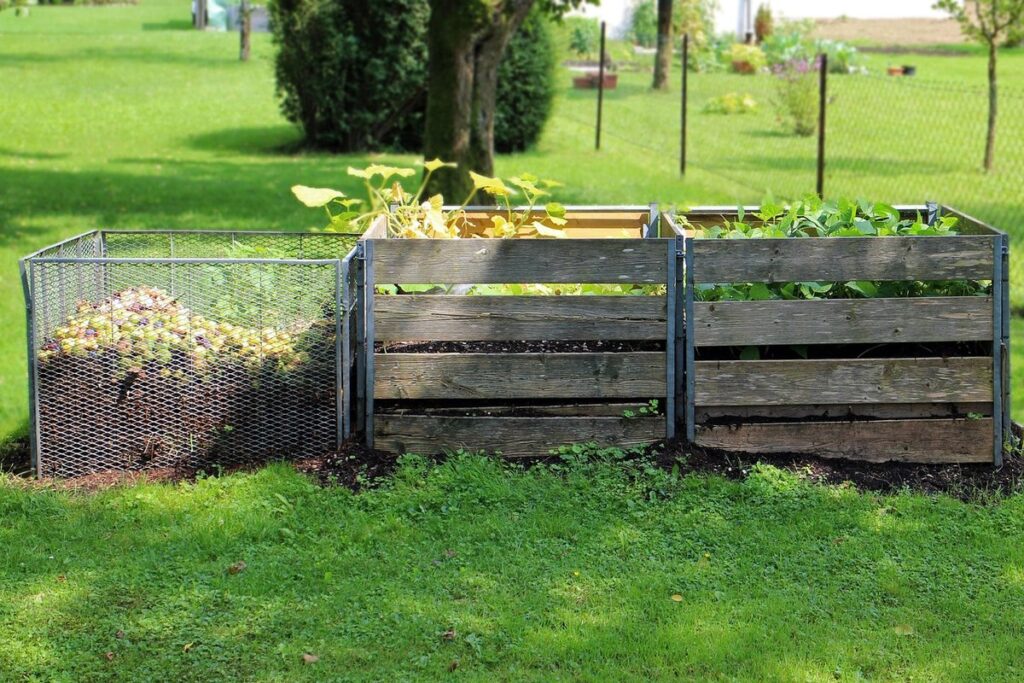
Understanding Composting Basics
Let’s break down the composting process, starting from scratch and exploring what you need to know to create nutrient-rich soil for your garden. This is where we’ll cover the essential basics of composting.
The Importance of Moisture in Composting
Moisture plays a vital role in the composting process. It helps to break down organic matter by activating enzymes and microorganisms that decompose the material. The ideal moisture level is between 50-60% of the compost pile’s total weight, which allows for optimal microbial activity without creating anaerobic conditions.
Too little water can lead to a dry, crumbly texture and slow down decomposition. This is because microorganisms thrive in moist environments, and without sufficient water, they struggle to break down organic matter efficiently. On the other hand, too much water can cause the compost pile to become soggy or even anaerobic, which can lead to unpleasant odors and create an ideal environment for pests.
To maintain optimal moisture levels, it’s essential to monitor your compost pile regularly. A simple way to check is by performing a “squeeze test”: if the compost feels like damp soil when squeezed, it’s likely at the right level of moisture. Avoid adding too much water at once, as this can create an imbalance and slow down the decomposition process. By keeping the moisture levels in check, you’ll be able to speed up the composting process and produce high-quality compost in a shorter timeframe.
Types of Composting Methods and Their Impact on Timeframes
When it comes to composting, there are various methods that can significantly impact the timeframe of the process. Understanding these different approaches will help you determine which one suits your needs best and ultimately influence how long your compost takes.
Hot composting is a fast-paced method that involves actively managing the decomposition process by regularly turning the pile and maintaining optimal moisture levels. This approach typically yields compost within 1-3 weeks, depending on factors like temperature, carbon-to-nitrogen ratio, and monitoring. It’s ideal for those who want to speed up the process but requires regular attention.
Cold composting, on the other hand, is a more hands-off method that relies on natural decomposition processes. This approach can take anywhere from 6-24 months, depending on factors like material quality, pile size, and environmental conditions. Bokashi composting combines elements of hot and cold methods by using microorganisms to break down organic matter in an airtight container, resulting in a compost-like product within 1-2 weeks.
When choosing a method, consider your available time, space, and resources. For instance, if you’re short on time, hot composting might be the best option. However, if you have a large quantity of materials or prefer a more hands-off approach, cold composting could work better.
Factors Affecting Compost Speed
When it comes to composting, several factors can significantly impact how quickly your pile breaks down, and understanding these variables is key. Let’s explore what affects compost speed.
Carbon-to-Nitrogen Ratio: The Key to Efficient Composting
Achieving the perfect balance between carbon-rich “brown” materials and nitrogen-rich “green” materials is crucial for efficient composting. This balance is often referred to as the carbon-to-nitrogen (C:N) ratio. The ideal C:N ratio varies from 20:1 to 30:1, but this can be adjusted depending on the specific materials being used.
High-carbon materials include dried leaves, straw, and shredded newspaper, while high-nitrogen materials include fresh grass clippings, food scraps, and manure. For example, a mix of 2 parts of dry leaves (high in carbon) to 1 part of fresh grass clippings (high in nitrogen) would provide an optimal C:N ratio.
To create the perfect balance, consider these tips:
* Start by adding a layer of high-carbon materials to your compost pile.
* Next, add a smaller amount of high-nitrogen materials on top.
* Monitor the temperature and moisture levels, making adjustments as needed.
* Regularly turning the pile will also help to distribute the materials evenly.
By maintaining the ideal C:N ratio, you can ensure that your compost piles break down efficiently, reducing the overall composting time.
Temperature and Its Role in Accelerating Composting
Temperature plays a crucial role in accelerating composting. Microorganisms, such as bacteria and fungi, break down organic matter into carbon dioxide, water, and heat. The ideal temperature range for composting is between 130°F (54°C) and 140°F (60°C). Within this range, microorganisms work most efficiently to decompose materials.
Maintaining optimal temperatures is essential for rapid composting. If the temperature drops below 100°F (38°C), microbial activity slows down, extending the composting process. Conversely, extremely high temperatures can kill off beneficial microbes and lead to unpleasant odors.
To accelerate composting, it’s vital to provide adequate aeration and moisture. Regular turning of the pile helps ensure sufficient oxygen supply, which in turn raises the temperature. Monitoring temperature is also crucial; if it rises above 160°F (71°C), you may need to slow down the process by adding more carbon-rich materials or turning the compost more frequently.
Aim for a balance between moisture and heat to create an ideal environment for microorganisms to thrive.
Typical Compost Timeline
Now that you’ve got a basic understanding of how composting works, let’s dive into what to expect from your composting project in terms of timeline.
Initial Breakdown Phase (0-2 weeks)
During the initial breakdown phase of composting, which typically lasts between 0-2 weeks, large particles begin to break down into smaller ones. This is a crucial step where microorganisms such as bacteria and fungi start to emerge and multiply. Their primary role is to feed on the easily decomposable materials in your compost pile.
As these microorganisms feed on the organic matter, they release enzymes that further aid in breaking down complex particles. You may notice an increase in temperature within the compost pile during this phase, often reaching as high as 130-140°F (54-60°C). This heat helps to kill off weed seeds and pathogens, making your finished compost safe for use.
To speed up the process, make sure to maintain adequate moisture levels by sprinkling water regularly. Aim for a consistency similar to a damp sponge. It’s also essential to ensure that oxygen is flowing freely throughout the pile, either through regular turning or using aeration methods.
Main Decomposition Phase (2-6 weeks)
During the main decomposition phase, which typically lasts between 2-6 weeks, organic matter starts breaking down rapidly. This is when the compost pile reaches its optimal temperature, usually around 130-140°F (54-60°C), and microorganisms such as bacteria and fungi thrive.
As decomposition accelerates, earthworms become increasingly active, helping to break down complex organic molecules into simpler compounds. They play a crucial role in this phase by consuming decaying plant matter and excreting nutrient-rich castings that further enrich the compost.
Humus formation is another key process occurring during this period. As microorganisms continue to work their magic, they transform raw organic materials into stable, dark-colored humus. This process involves the breakdown of lignin, a complex polymer found in plant cell walls, releasing valuable nutrients like carbon and nitrogen.
To ensure efficient decomposition, it’s essential to maintain optimal moisture levels (around 50-60% water content) and aeration within your compost pile. This will help microorganisms work more efficiently, accelerating the breakdown process and minimizing potential odors or pests. Regular turning of the pile can also speed up decomposition by introducing oxygen and preventing matting.
Tips for Speeding Up Composting
Composting can be a long process, but there are ways to speed it up. Let’s explore some tips and tricks to help you accelerate the composting timeline without sacrificing quality.
Adding Bulking Agents: A Key to Faster Breakdown
When you’re trying to speed up composting, one of the most effective strategies is to add bulking agents like straw or shredded newspaper. These materials serve two critical purposes: they improve airflow within the compost pile and provide a stable structure that allows for efficient decomposition.
By incorporating bulking agents into your compost mix, you’ll create channels through which oxygen can flow freely. This enhances microbial activity, accelerating the breakdown of organic matter. A good rule of thumb is to maintain an optimal carbon-to-nitrogen ratio by adding 2-3 parts “brown” materials (bulking agents) for every 1 part “green” materials (food waste and yard trimmings).
Shredded newspaper is a popular choice due to its high cellulose content, which provides ample oxygenating channels. Straw, on the other hand, is ideal because it’s readily available and can help regulate moisture levels within the compost pile. Simply layer these bulking agents between your green materials or mix them in at regular intervals to achieve optimal results. With consistent effort and attention to detail, you’ll be able to speed up your composting process significantly.
Maintaining a Healthy Balance: The Importance of Regular Turning
Regular turning is an essential aspect of maintaining a healthy balance within your compost pile. When you turn your compost regularly, it ensures that carbon, nitrogen, and moisture levels remain balanced. This balance is crucial for creating an ideal environment where microorganisms can thrive, breaking down organic matter efficiently.
To maintain this balance, aim to turn your compost every 7-10 days during the initial stages of decomposition. As the pile matures, you can gradually increase the turning frequency to once a month. Turning also helps distribute heat evenly throughout the pile, which accelerates the composting process. A well-balanced compost pile will typically have a mix of “green” materials (high in nitrogen) and “brown” materials (high in carbon), as well as adequate moisture.
When turning your compost, make sure to aerate it thoroughly by gently mixing the top 6-8 inches with a pitchfork or shovel. This simple yet crucial step will help maintain optimal conditions for decomposition, ensuring that your compost matures within a reasonable timeframe.
Common Composting Challenges and Solutions
As you work on perfecting your composting skills, it’s inevitable that you’ll encounter some common obstacles that can slow down the process. Let’s tackle these challenges together and explore their solutions.
Managing Pests and Diseases: Protecting Your Compost Heap
Compost heaps are not immune to pests and diseases, which can ruin an otherwise healthy composting process. Common culprits include fruit flies, rodents, aphids, and slugs, among others. To prevent infestations, ensure your compost pile has adequate carbon-to-nitrogen ratios, as imbalances can attract unwanted visitors.
Regular turning of the pile also helps to aerate it, reducing moisture and anaerobic conditions that foster pest growth. Add a 4-6 inch layer of finished compost or well-rotted manure at the bottom of your heap to deter pests from reaching the nutrient-rich core. Use natural deterrents like cayenne pepper, garlic, or hot peppers to repel slugs and snails.
If you do encounter pest issues, act quickly to prevent infestations from spreading. Remove any affected areas, treat with neem oil or insecticidal soap, and reintroduce beneficial organisms like earthworms or microbe-rich compost teas. By maintaining a balanced compost pile and taking swift action when pests are spotted, you can protect your heap from destruction and ensure a healthy finished product in no time.
Overcoming Odor Issues: Tips for Reducing Unpleasant Smells
One of the most frustrating challenges faced by composters is dealing with unpleasant odors emanating from their compost heaps. Unpleasant smells can be a sign that your composting process has gone awry, and if left unchecked, they can even attract pests and create unsanitary conditions. So, what causes these smelly issues in the first place?
Common culprits include over-moisture, anaerobic decomposition, and an imbalance of “green” (nitrogen-rich) and “brown” (carbon-rich) materials. For instance, if your compost pile is too wet, it can create a perfect breeding ground for putrid-smelling microorganisms. Similarly, a lack of oxygen can lead to anaerobic conditions, resulting in the production of hydrogen sulfide gas – that nasty “rotten egg” smell we all dread.
To reduce or eliminate unpleasant odors, start by ensuring your compost heap has the right balance of materials and moisture levels. Aim for a mix of 2/3 brown materials (like dried leaves) and 1/3 green materials (such as food scraps). Regularly turn your pile to maintain adequate airflow and speed up decomposition. You can also add odor-absorbing materials like activated charcoal or lime, but be sure to follow proper usage guidelines.
Conclusion and Best Practices
Now that you’ve got a grasp on composting timescales, let’s wrap up with some essential takeaways to put your new knowledge into action effectively.
Recap of Key Takeaways
As you’ve reached the end of this comprehensive guide on composting timescales, let’s summarize the key takeaways to help you better understand the factors affecting composting speed and typical compost timelines. One crucial point is that the quality and quantity of organic matter are essential determinants of composting time.
A general rule of thumb is that hot composting methods can produce finished compost within 1-3 months, while cold composting methods may take anywhere from 6-12 months or more. The carbon-to-nitrogen ratio, moisture levels, and turning frequency also significantly impact the speed of decomposition.
To give you a better idea, here are some approximate compost timelines based on different methods:
* Hot composting: 1-3 months
* Cold composting: 6-12 months
* Vermicomposting (worm composting): 1-2 weeks
Keep in mind that these are general guidelines and actual composting times may vary depending on specific conditions.
Final Tips for Achieving Optimal Composting Results
As you reach the final stages of composting, it’s essential to maintain optimal conditions to ensure successful decomposition. To achieve this, continue to regularly turn and aerate the pile to prevent matting and promote healthy microbial activity. This will also help to speed up the composting process.
Another critical aspect is monitoring moisture levels. Aim for a mix that’s similar to a damp sponge – not soggy or dry. Overwatering can lead to anaerobic conditions, while underwatering may slow down decomposition.
Additionally, be mindful of odors and pests. If you notice unpleasant smells, turn the pile more frequently or add bulking agents like straw to absorb excess moisture. Similarly, if you spot pests like rodents or flies, cover the pile with a lid or tarp to deter them.
Regularly inspect your compost for any signs of imbalance, such as mold growth or an excessive amount of green materials. Make adjustments accordingly to maintain the optimal 2:1 carbon-to-nitrogen ratio and pH levels between 6.0 and 7.0.
By following these tips, you’ll be able to fine-tune your composting process and achieve a rich, nutrient-dense end product in no time.
Frequently Asked Questions
What are the ideal conditions for speeding up composting?
Maintaining optimal aeration, moisture levels, and temperature is crucial for accelerating composting. Ensure your pile has enough space for oxygen to circulate (at least 3-4 feet wide and tall), keep it moist but not waterlogged, and aim for temperatures between 130°F and 140°F. Regular turning can also help to speed up the process.
How often should I turn my compost pile?
Turning your compost pile regularly is essential to maintain a healthy balance of carbon-to-nitrogen ratios and ensure even decomposition. Aim to turn your pile every 7-10 days during the initial breakdown phase (0-2 weeks) and less frequently as it progresses into the main decomposition phase (2-6 weeks).
Can I use compost tea bags or supplements?
While not necessary, using compost tea bags or supplements can accelerate the composting process. These products contain beneficial microorganisms that can help to speed up decomposition and improve soil health. However, be cautious not to overdo it, as too many additives can disrupt the natural balance of your compost pile.
What if I notice pests or diseases in my compost heap?
Pests like rodents, raccoons, or flies can pose a challenge to composting. To manage these issues, ensure your pile is well-covered and maintained regularly. You can also use physical barriers like netting or fine-mesh screens to keep unwanted visitors out. Regular turning and maintaining optimal moisture levels will also help to prevent disease.
Can I add weeded soil or contaminated materials to my compost?
It’s generally recommended to avoid adding heavily weeded or contaminated materials to your compost pile, as they can harbor seeds, diseases, or pests that may spread to your garden. However, if you do need to include these materials, ensure to mix them thoroughly with other composting materials and maintain a healthy balance of carbon-to-nitrogen ratios.