
Composting chicken manure can be a great way to turn waste into a valuable resource for your garden, but have you ever wondered how long it takes? The time it takes for chicken manure to compost depends on several factors, including temperature, pH levels, and moisture content. If not done correctly, chicken manure can become an unwelcome addition to your yard, creating odors and attracting pests. But with the right techniques, you can create a nutrient-rich compost that will make your plants thrive.
In this article, we’ll explore the factors that influence chicken manure composting time and provide tips on how to achieve optimal results. We’ll cover different types of chicken manure, such as layer and broiler waste, and discuss the importance of aeration, moisture levels, and carbon-to-nitrogen ratios in speeding up the composting process. Whether you’re a seasoned gardener or just starting out, this guide will help you turn your chicken manure into a valuable resource for your garden.
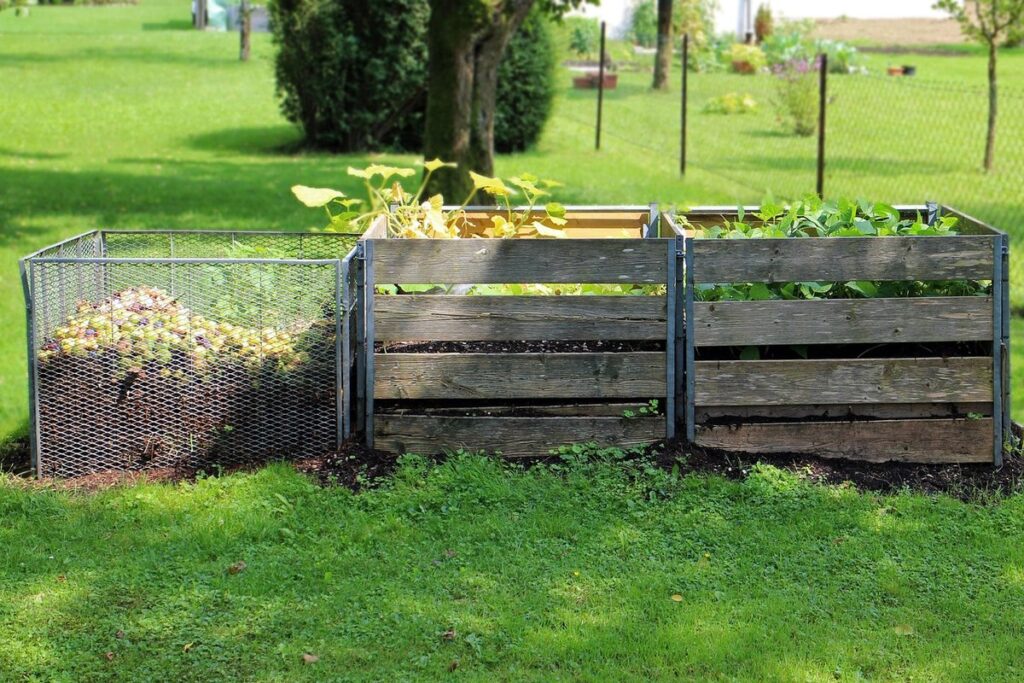
Understanding the Basics of Chicken Manure Composting
Before we dive into the specifics of how long chicken manure takes to compost, let’s cover the basics you need to know. Understanding the composting process will help you make informed decisions about your project.
What is Chicken Manure Composting?
Chicken manure composting is a natural process that involves breaking down chicken waste into a nutrient-rich soil amendment. This technique has gained popularity among gardeners and farmers due to its numerous benefits. For one, it reduces the environmental impact of large-scale poultry farming by converting waste into a valuable resource.
Composting chicken manure requires specific conditions, including adequate moisture, oxygen, and carbon-to-nitrogen ratios. When these elements are balanced, microorganisms in the compost pile feed on the nitrogen-rich waste, producing carbon-based compounds as a byproduct. This process creates an excellent fertilizer for plants, teeming with essential micronutrients.
The advantages of chicken manure composting lie not only in its environmental benefits but also in its cost-effectiveness. By utilizing what would otherwise be a hazardous waste product, farmers and gardeners can create a sustainable nutrient source without the need for synthetic fertilizers. This approach is especially appealing to those looking to minimize their ecological footprint while maximizing crop yields.
Types of Chicken Manure and Their Composting Properties
When it comes to chicken manure composting, not all types of manure are created equal. Different breeds and living conditions can significantly impact the composition and composting properties of the manure. Let’s take a closer look at some common types of chicken manure and their unique characteristics.
Broiler chicken manure, for example, tends to be higher in nitrogen and phosphorus compared to layer manure, making it ideal for creating nutrient-rich compost. However, its high moisture content can make it more challenging to balance carbon-to-nitrogen ratios during the composting process. On the other hand, layer manure is typically lower in nitrogen but higher in potassium, which can help create a balanced fertilizer.
Duck manure, often overlooked as a potential compost source, has some distinct advantages. Its high pH levels and low water content make it easier to balance carbon-to-nitrogen ratios, resulting in faster composting times. However, its high salt content may require additional care when using it as a compost ingredient. Understanding the unique characteristics of these different types of chicken manure can help you tailor your composting approach for optimal results. By choosing the right type of manure and adjusting your composting methods accordingly, you can create a rich, nutrient-dense fertilizer in no time.
Importance of Effective Composting Techniques
Proper composting techniques are crucial when dealing with chicken manure, as it’s high in nitrogen and low in carbon. This imbalance can lead to an ammonia smell, anaerobic conditions, and a slower decomposition process. To mitigate this issue, it’s essential to maintain a suitable carbon-to-nitrogen ratio.
Aim for a mix of 2/3 “brown” materials (high in carbon) like straw or shredded newspaper, with 1/3 “green” materials (high in nitrogen) such as chicken manure and grass clippings. This balance will help speed up the decomposition process and reduce odors. Additionally, maintaining optimal moisture levels is vital – aim for a mix that’s damp but not soggy.
Aeration also plays a significant role in effective composting. Ensure your pile has adequate space between materials to allow air to circulate freely. Turn the pile regularly to introduce oxygen and speed up decomposition. By following these guidelines, you’ll be able to create an optimal environment for chicken manure decomposition, reducing its volume and minimizing potential drawbacks like ammonia smell or anaerobic conditions.
Factors Influencing Chicken Manure Composting Time
The time it takes for chicken manure to compost can vary significantly depending on several key factors, including moisture and carbon-to-nitrogen ratio. These variables play a crucial role in speeding up or slowing down the composting process.
Temperature and pH Levels in Compost Piles
When it comes to composting chicken manure, two crucial factors come into play: temperature and pH levels. Understanding these parameters is essential to create an optimal environment for decomposition.
Temperature plays a significant role in the composting process. The ideal temperature range for effective decomposition is between 130°F (54°C) and 140°F (60°C). This heat zone allows microorganisms to thrive, breaking down organic matter efficiently. Temperatures above 160°F (71°C) can kill off beneficial microbes, while temperatures below 100°F (38°C) slow down the process.
pH levels also impact decomposition rates. The ideal pH range for composting is between 6.0 and 7.5. If your compost pile’s pH is too low (acidic), it can lead to an overgrowth of pathogens, slowing down decomposition. Conversely, a high pH level (alkaline) can kill off beneficial microbes, halting the process.
Monitoring temperature and pH levels in your compost pile ensures optimal conditions for efficient decomposition. To achieve this balance, aim for regular turning and adequate carbon-to-nitrogen ratios.
Moisture Content and Its Effect on Composting Speed
Maintaining optimal moisture levels is crucial for efficient composting of chicken manure. The ideal range for moisture content is between 50-60%. This allows for adequate microbial activity and heat generation, which are essential for breaking down organic matter.
Deviations from this range can significantly slow or even stall the composting process. If the moisture content is too low (typically below 40%), the pile may not generate enough heat to kill pathogens and weed seeds. Conversely, excessive moisture (above 70%) can lead to anaerobic conditions, producing unpleasant odors and potentially creating leachate.
To achieve optimal moisture levels, it’s essential to monitor your compost pile regularly and adjust as needed. A simple method is to use the “squeeze test.” When you squeeze a handful of compost material, it should form a ball that crumbles easily when released. If it doesn’t hold its shape, add more water; if it’s too soggy, add dry materials.
Proper moisture management will not only speed up the composting process but also ensure a high-quality end product.
Aeration, Turning, and Their Role in Accelerating Decomposition
Aeration and turning of the compost pile are crucial steps that play a significant role in accelerating decomposition. When chicken manure is added to the compost pile, it releases a high amount of nitrogen-rich compounds. If not managed properly, these compounds can lead to anaerobic conditions, resulting in unpleasant odors, pathogens, and pests.
Adequate aeration ensures oxygen circulation within the compost pile, allowing microorganisms to break down organic matter efficiently. This process is facilitated by regular turning of the compost pile, which helps to distribute heat evenly and prevents compacting. Aim to turn your compost pile every 7-10 days, using a pitchfork or shovel to gently mix the materials.
When turning the compost pile, make sure to inspect it for any signs of anaerobic conditions. If you notice excessive moisture, odors, or pests, take corrective action by adding more bulking agents (like straw or shredded newspaper) and turning the pile more frequently. By incorporating aeration and regular turning into your composting routine, you can significantly accelerate decomposition and produce high-quality compost for your garden in a shorter timeframe.
Composting Timeframes for Different Chicken Manure Types
When composting chicken manure, different types can affect the speed and quality of the finished product. Let’s break down the typical composting timeframes for various poultry manure varieties.
Broiler Chicken Manure: Composting Times and Challenges
Broiler chicken manure is one of the most challenging types to compost due to its high nitrogen content and potential pathogens. Composting broiler chicken manure requires careful monitoring and management to prevent ammonia buildup, odors, and the spread of diseases. On average, it takes 30-60 days for broiler chicken manure to break down into a stable compost.
However, this process can be prolonged if not managed correctly. The high nitrogen levels in broiler chicken manure can lead to an over-abundance of ammonia, which can create unpleasant odors and even harm the beneficial microbes involved in decomposition. To mitigate this risk, it’s essential to balance the carbon-to-nitrogen ratio by adding sufficient amounts of dry bedding materials like straw or hay.
Additionally, pathogens like E. coli and Salmonella can be present in broiler chicken manure, posing a significant health risk if not handled properly. Therefore, it’s crucial to follow strict sanitation protocols when composting broiler chicken manure, including using proper equipment, maintaining adequate ventilation, and ensuring the compost pile reaches a minimum temperature of 131°F (55°C) to kill off any pathogens.
Layer Hen Manure: Composting Characteristics and Recommendations
Layer hen manure has distinct characteristics that set it apart from other types of chicken waste. One key difference is its higher carbon-to-nitrogen ratio compared to broiler litter and guinea fowl manure. This means layer hen manure tends to have less nitrogen content, making it a more balanced addition to the compost pile.
Composting layer hen manure requires specific conditions to break down effectively. For optimal results, aim for a carbon-rich material-to-manure ratio of 2:1 or 3:1. Adding materials like dried leaves, straw, or shredded newspaper can help balance out the nitrogen content in the manure.
In terms of temperature and moisture levels, layer hen manure composting works best at moderate temperatures between 130°F and 140°F (54°C to 60°C). Keep the pile consistently moist, but not waterlogged. Regular turning of the compost pile will also facilitate decomposition.
Aim for a minimum of 6-8 weeks for the initial breakdown phase of layer hen manure composting. After this period, the material should be well on its way to becoming stable compost that can be used as fertilizer in your garden.
Duck Manure: Special Considerations and Composting Strategies
Duck manure presents unique challenges and opportunities when it comes to composting. One of its standout characteristics is its exceptionally high phosphorus content – often exceeding that of chicken manure. This makes duck manure an excellent choice for gardeners seeking to boost their soil’s fertility, particularly in terms of supporting fruiting plants like tomatoes and peppers.
However, the high phosphorus levels also pose a risk: over-addition can lead to nutrient imbalances and potentially harm your plants. To mitigate this, it’s crucial to balance duck manure with carbon-rich materials during composting. Aim for a mix that contains 20-30% “green” materials (like fresh grass clippings or leaves) and 70-80% “brown” materials (such as shredded newspaper or wood chips).
As an example, you could add one part of duck manure to three parts of straw or hay. By carefully monitoring the C:N ratio and allowing for adequate aeration, gardeners can create nutrient-rich compost that’s perfect for their plants’ needs – without risking nutrient overloads.
Maintaining Quality and Safety During Composting
As you work towards composting your chicken manure, it’s essential to maintain quality and safety by balancing moisture levels, avoiding contamination, and monitoring temperature. This section provides guidance on these critical factors.
Monitoring Temperature, pH, and Moisture Levels
Monitoring temperature, pH, and moisture levels is crucial for maintaining a healthy composting process. You want to create an environment that fosters microbial activity, breaking down the organic matter efficiently. Temperature fluctuations can signal whether your pile is too hot or cold.
For chicken manure composting, ideal temperatures range from 130°F to 140°F (54°C to 60°C). Monitor temperature regularly by inserting a compost thermometer into the center of the pile. If it exceeds 160°F (71°C), aerate the pile immediately to prevent overheating and potential fires.
Maintain optimal pH levels between 6.0 and 7.5, slightly acidic to neutral, as this supports microbial growth. Monitor the pH using pH testing kits or strips. Aim for a moisture level of 40-60% by checking the pile’s consistency. If it’s too dry, add water; if it’s too wet, turn the pile to aerate.
Regular monitoring helps ensure your composting process is efficient and safe. Take temperature readings daily, and pH every week or two.
Managing Odors and Pathogens in Chicken Manure Compost
Managing odors and pathogens effectively is crucial when composting chicken manure. To minimize these issues, it’s essential to handle the manure properly from the start. Store the manure in a well-ventilated area, away from water sources and living spaces. Ensure the storage containers are clean, dry, and have adequate capacity to prevent overflow.
When applying the composted manure, maintain a uniform application rate to avoid overloading the soil with nutrients. This can lead to odors, as bacteria break down excess nitrogen and other compounds. Regularly monitor pH levels during the composting process, as an imbalance can contribute to odor production.
To further reduce pathogens and odors, consider incorporating bulking agents like straw or shredded newspaper into the compost pile. These materials help balance carbon-to-nitrogen ratios and promote aerobic decomposition. Aim for a ratio of 2/3 “brown” materials (dry, carbon-rich) to 1/3 “green” materials (wet, nitrogen-rich). Regular turning and monitoring of the compost can also help maintain optimal conditions and prevent unwanted odors or pathogens from developing.
Quality Control Measures for Finished Compost Products
To ensure that your finished compost product meets safety and regulatory standards, it’s crucial to implement quality control measures throughout the composting process. This includes regular testing for contaminants such as heavy metals, bacteria, and pathogens.
For instance, you should test your finished compost for E. coli, Salmonella, and other pathogenic bacteria to guarantee consumer safety. You can also use a compost analyzer to check pH levels, nutrient content, and moisture levels. Keeping accurate records of these tests is vital to demonstrate compliance with regulatory standards.
Furthermore, it’s essential to implement good manufacturing practices (GMPs) in your composting facility. This includes adhering to standard operating procedures, maintaining a clean environment, and ensuring proper equipment maintenance. Regular training for staff on quality control measures is also necessary to prevent human error.
Additionally, consider obtaining third-party certifications such as Compost Quality Alliance (CQA) or US Composting Council’s Seal of Testing Assurance (STA). These certifications can help build trust with your customers and demonstrate a commitment to producing high-quality compost products.
Conclusion: Optimizing Chicken Manure Composting Times and Outcomes
Now that you’ve learned how to compost chicken manure effectively, let’s summarize key takeaways for optimizing outcomes in minimal time.
Recap of Key Takeaways
To ensure successful chicken manure composting, it’s essential to grasp the key takeaways from our discussion. Chicken manure composting times are influenced by several critical factors, which we’ll recap below.
First and foremost, carbon-to-nitrogen (C:N) ratios play a significant role in determining the speed of decomposition. Aim for a mix with a 25:1 C:N ratio to facilitate efficient microbial activity. This can be achieved by blending chicken manure with other compost materials like leaves or straw.
pH levels also significantly impact the composting process, with optimal ranges typically between 6.5 and 7.5. If your chicken manure’s pH is too high or low, it may slow down decomposition rates. To rectify this, you can incorporate acidic or alkaline materials to adjust the pH accordingly.
Temperature monitoring is another crucial aspect of composting. Aim for temperatures above 130°F (54°C) to eliminate pathogens and weed seeds. Regularly checking temperature levels ensures that your compost pile remains within a conducive range.
Moisture content also needs to be monitored, with optimal ranges between 40-60% water content. Insufficient moisture can lead to inefficient decomposition, while excessive moisture fosters anaerobic conditions and odors.
Lastly, aeration is vital for maintaining aerobic microbial activity, which aids in breaking down organic matter efficiently. Regular turning or mixing of your compost pile will ensure sufficient oxygen levels.
By incorporating these key takeaways into your chicken manure composting routine, you’ll be well on your way to producing high-quality compost and optimizing decomposition times. Remember to monitor C:N ratios, pH levels, temperature, moisture content, and aeration to achieve successful results.
Frequently Asked Questions
What if I notice a strong odor during the composting process?
Yes, odors are normal, especially when chicken manure is first added to the pile. However, persistent or intense odors can indicate inadequate aeration, excessive moisture, or imbalanced carbon-to-nitrogen ratios. Regularly inspect your compost pile and turn it every 7-10 days to introduce oxygen, reduce moisture, and maintain optimal nutrient balances.
Can I compost chicken manure with other materials like vegetable scraps?
Yes, you can mix chicken manure with other compostable materials like vegetable scraps, leaves, or straw. In fact, combining different types of waste helps achieve a balanced carbon-to-nitrogen ratio and speeds up the decomposition process. Aim for a mix of 2/3 “brown” materials (dry, carbon-rich materials) to 1/3 “green” materials (wet, nitrogen-rich materials).
How often should I monitor temperature levels in my compost pile?
Monitor temperature levels every 7-10 days by inserting a thermometer into the center of your compost pile. The ideal temperature range is between 130°F and 140°F (54°C to 60°C). If temperatures exceed 160°F (71°C), it may indicate too much nitrogen-rich material, leading to potential pathogen growth.
Can I use chicken manure from a small backyard flock for composting?
Yes, you can definitely use chicken manure from your small backyard flock. However, it’s essential to maintain proper hygiene and composting practices to avoid contamination risks. Ensure adequate aeration, moisture control, and carbon-to-nitrogen balance to create a safe and nutrient-rich compost.
How do I know when my chicken manure compost is ready for use in the garden?
Your finished compost should have an earthy aroma, crumbly texture, and a dark brown color. Before using it as fertilizer, make sure it’s fully broken down by checking its carbon-to-nitrogen ratio (around 20:1) and testing for pathogens or weed seeds.