
Here is a possible introduction for the blog post:
If you’re like many home cooks, you’ve probably found yourself in a situation where you need to leave squash out at room temperature for an extended period. Whether it’s for prep work or as part of a meal, knowing how long squash can safely stay out without spoiling is crucial to avoid foodborne illnesses and waste. But did you know that leaving squash out for too long can be detrimental to its quality and safety? In this article, we’ll dive into the world of squash storage and provide expert tips on how to maximize its shelf life while ensuring it remains safe to eat.
This introduction sets up the importance of understanding how long squash can safely remain at room temperature, mentions common mistakes to avoid (leaving it out for too long), and hints at the expert storage tips that will be covered in the article. The tone is conversational and friendly, addressing the reader directly.
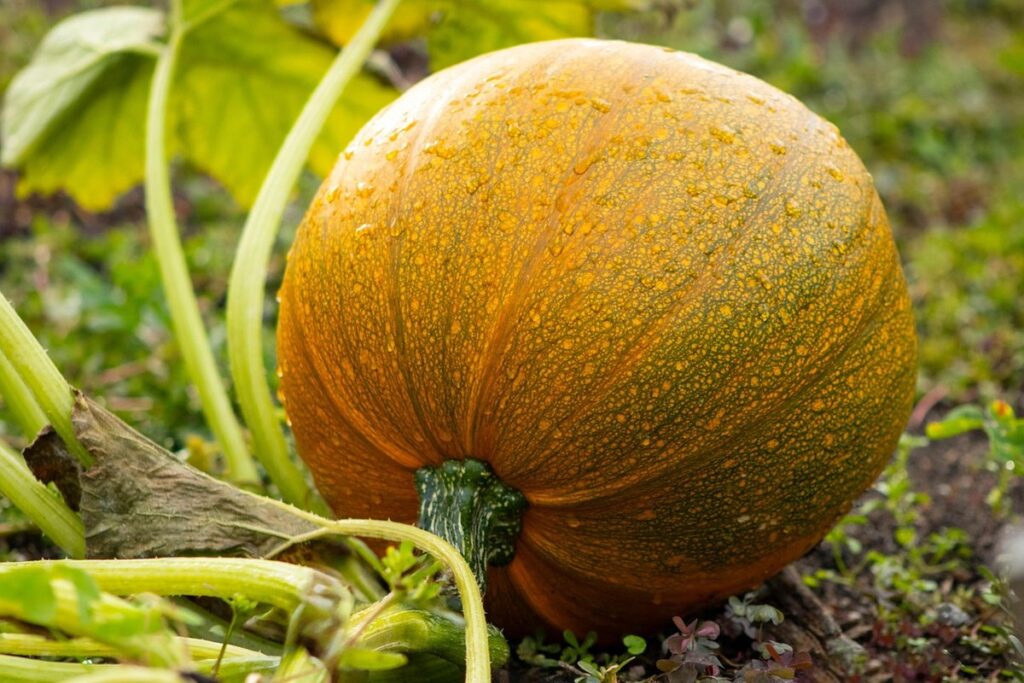
Understanding Squash Storage Requirements
Now that you know how long squash can be safely left out, let’s dive into the specifics of storage: understanding your squash’s optimal temperature and humidity requirements is crucial.
The Importance of Proper Storage Conditions
When storing squash, it’s essential to maintain proper conditions to keep it fresh for as long as possible. If not stored correctly, squash can quickly deteriorate, resulting in a loss of nutrients and flavor.
To begin with, temperature plays a significant role in preserving squash freshness. Store your squash in a cool, dry place, away from direct sunlight and heat sources. The ideal storage temperature is between 50°F to 60°F (10°C to 15°C), which slows down the ripening process significantly. For instance, storing butternut squash at room temperature can cause it to spoil within 7-10 days. However, if stored in a cool place, it can last for up to 2 months.
Humidity also needs attention when storing squash. Aim for a relative humidity of 50-60% to prevent moisture buildup and associated mold growth. Make sure the container or bag used for storage has adequate ventilation to allow air circulation. Lastly, avoid overcrowding your storage area as this can lead to pressure on individual squash, causing bruising and spoilage. By following these simple guidelines, you’ll be able to enjoy your squash longer while maintaining its quality.
Factors Affecting Squash Shelf Life
Squash is a delicate fruit that requires proper storage to maintain its freshness. Several factors can affect squash shelf life, making it crucial to understand their impact. Temperature plays a significant role in determining the longevity of squash. For example, a temperature range of 50°F to 60°F (10°C to 15°C) is ideal for storing squash. However, exposure to temperatures above 65°F (18°C) can cause the fruit to spoil quickly.
Humidity levels also significantly impact squash shelf life. Squash should be stored in an area with moderate humidity, around 50-60%. High humidity can lead to mold growth and rot, while low humidity causes moisture loss, resulting in a wilted appearance.
Light exposure is another critical factor that affects squash longevity. Direct sunlight or bright artificial light can cause the skin of the squash to turn yellow and develop soft spots. To extend the shelf life of your squash, store it away from direct sunlight and avoid placing it near heat-emitting appliances.
When storing squash, ensure good air circulation to prevent moisture buildup. Proper storage will help maintain the freshness of your squash for a longer period.
Common Mistakes in Storing Squash at Room Temperature
When storing squash at room temperature, it’s easy to make mistakes that can lead to spoilage or a reduced shelf life. One common error is not checking the squash regularly for signs of spoilage. Squash can quickly turn from fresh and firm to soft and mushy, especially if it’s exposed to heat or light. If you notice any mold, sliminess, or an off smell, it’s best to err on the side of caution and discard the squash.
Another mistake is storing squash in a humid environment. While squash needs some moisture to stay fresh, too much humidity can cause it to rot quickly. Keep squash away from areas where water tends to collect, such as near sinks or refrigerators with leaky doors.
It’s also important to note that different types of squash have varying storage requirements. For example, acorn squash is more sensitive to heat than butternut squash. Make sure you’re storing the right type of squash for your needs and following its specific storage guidelines.
To avoid these common mistakes, check on your squash daily and make adjustments as needed. Store it in a cool, dry place away from direct sunlight and heat sources.
The Effects of Leaving Squash Out Too Long
Leaving squash out too long can have some unpleasant consequences, including mold growth and a loss of nutritional value. If you’re unsure what to expect, read on for more information.
Spoilage and Rot Causes
When you leave squash out too long, it’s not just a matter of aesthetics – it can also become a food safety issue. The biochemical processes that cause spoilage and rot are complex, but understanding them is key to preventing these problems.
Enzymatic reactions play a significant role in the breakdown of squash cells. Polyphenol oxidase (PPO) and pectin methyl esterase (PME) are two enzymes responsible for this process. PPO catalyzes the browning reaction, which converts phenolic compounds into melanins, causing discoloration. PME breaks down pectin, a key component of cell walls, leading to softening and decay.
Temperature, humidity, and handling also contribute to spoilage. As squash sits out, it’s exposed to oxygen, which promotes the growth of microorganisms like bacteria, yeast, and mold. These microorganisms feed on the squash’s natural sugars and release enzymes that break down its cellular structure. To minimize spoilage, store squash in a cool, dry place or refrigerate it promptly after purchase. Regularly inspect your squash for signs of decay and use it within a few days to avoid these biochemical processes from taking hold.
Safety Concerns and Foodborne Illness Risk
Consuming spoiled or rotten squash can pose serious health risks due to the potential presence of bacteria and other contaminants. Bacteria like E. coli, Salmonella, and Listeria can thrive on moist surfaces of squash, especially when it’s left out for extended periods.
If you notice any visible signs of spoilage such as mold, sliminess, or an unpleasant odor, discard the squash immediately to avoid potential foodborne illnesses. Even if the squash looks fine, consuming it can still lead to health issues, including digestive problems and allergic reactions.
To minimize the risk of foodborne illness, make sure to store cut or cooked squash in airtight containers and refrigerate them promptly. If you’re unsure whether your squash is safe to eat, err on the side of caution and discard it.
A general rule of thumb is to use up perishable squash like zucchini, acorn squash, or butternut squash within 3-5 days of storage at room temperature. If you won’t be using it within that timeframe, consider freezing or refrigerating it to extend its shelf life.
Economic Impacts and Waste Reduction Strategies
The economic impact of leaving squash out too long is staggering. Not only does it contribute to an astonishing amount of food waste, but also results in financial losses for households and businesses alike. The average American household throws away approximately $1,500 worth of edible food annually, with a significant portion being fruits and vegetables like squash.
To put this into perspective, if you were to estimate the value of a single discarded squash at $2 (a conservative estimate), that’s equivalent to throwing away around 750 dollars’ worth of food each year. Multiply this by the number of households in your area or country, and the numbers become staggering.
So, what can be done to minimize waste? Plan ahead by purchasing only what you need, shop from local farmers who use minimal packaging, and get creative with recipe ideas that incorporate every part of the squash – from the skin to the seeds. Store your squash properly to extend its shelf life, and consider donating any surplus to a local food bank or soup kitchen. By making these simple adjustments, we can significantly reduce the economic impact of leaving squash out too long and contribute to a more sustainable food system.
Best Practices for Storing Squash in Different Environments
Storing squash effectively depends on your environment, whether it’s a cool pantry, a humid kitchen, or even outdoors. We’ll explore optimal storage methods for each scenario to keep your squash fresh.
Refrigerator Storage Methods and Techniques
When storing squash in the refrigerator, it’s essential to maintain optimal conditions to keep them fresh for an extended period. The ideal temperature range for refrigerating squash is between 32°F (0°C) and 40°F (4°C). This will slow down the ripening process and prevent spoilage.
It’s also crucial to control humidity levels in the refrigerator, as squash can absorb moisture from the air and become soggy or develop mold. Aim for a relative humidity level of around 80-90%. You can achieve this by storing squash in a sealed container or plastic bag with a few holes punched in it to allow air circulation.
When packaging squash, make sure to wrap them individually in plastic wrap or aluminum foil to prevent moisture and other odors from affecting their flavor. Store the wrapped squash in a single layer on the refrigerator shelf, rather than stacking them on top of each other, which can cause damage and bruising.
By following these simple storage techniques, you’ll be able to keep your squash fresh for up to 2-3 weeks in the refrigerator.
Freezer Storage Options and Benefits
Freezing is an excellent method for preserving squash, allowing you to enjoy it throughout the year. The process is straightforward: first, select a suitable type of squash that freezes well, such as butternut or acorn squash. Next, cook and mash or puree the squash before portioning it into airtight containers or freezer bags.
Freezing offers several benefits for squash storage. It helps to slow down the ripening process, preventing spoilage and decay. Freezer storage also makes it easier to manage large quantities of squash, reducing food waste and saving you time in the long run. Additionally, frozen squash can be used in a variety of recipes, from soups to baked goods.
When considering freezing as an option, keep in mind that it’s essential to use a vacuum sealer or remove as much air as possible from containers to prevent freezer burn. Labeling the containers with the date and contents is also crucial for easy identification later on.
Outdoor Storage Solutions for Squash Harvests
When storing squash outdoors, you have several options to consider. One popular choice is using sheds or other enclosed structures to protect your harvest from the elements. These can be ideal for larger quantities of squash, as they provide ample space and protection from wind, rain, and sun damage.
Another option is a cold frame, which can help extend the storage life of your squash by regulating temperature and humidity levels. These frames are often made of wood or metal and have a transparent roof to allow natural light in while keeping out harsh weather conditions.
Specialized containers, such as breathable bags or mesh-covered bins, can also be used to store squash outdoors. These options are lightweight, easy to move, and won’t damage the squash during storage. However, they may not provide the same level of protection against extreme temperatures or moisture as a shed or cold frame.
When choosing an outdoor storage solution, consider the climate and weather conditions in your area to select the most suitable option for your squash harvest.
Common Types of Squash and Their Unique Storage Needs
There are many types of squash, each with its own special needs when it comes to storage, so let’s break down some common varieties. From acorn squash to zucchini, we’ll explore their unique storage requirements.
Acorn Squash Storage Requirements
When it comes to storing acorn squash, there are specific conditions you should follow to maintain its quality and longevity. Ideally, store acorn squash in a cool, dry place with good ventilation. A temperature range of 50°F to 60°F (10°C to 15°C) is optimal, while relative humidity levels below 60% will help prevent moisture-related issues.
If you plan to keep the squash for an extended period, consider storing it away from direct sunlight and heat sources. You can also store acorn squash in a root cellar or basement with consistent temperatures and humidity levels. Avoid storing squash near ethylene-producing fruits like apples or bananas, as they may cause the squash to ripen prematurely.
Some potential issues to watch out for when storing acorn squash include soft spots, mold, or decay. Regularly inspect your stored squash for any signs of spoilage and remove any affected areas promptly to prevent further deterioration.
Butternut Squash Storage Tips
Butternut squash is one of the most popular types of winter squash, and for good reason. It’s sweet, nutty flavor makes it a staple in many fall and winter recipes. However, its delicate nature requires careful storage to maintain its quality. To store butternut squash, you’ll want to keep it away from direct sunlight and heat sources, as high temperatures can cause it to spoil quickly.
Ideally, the temperature for storing butternut squash should be between 45°F (7°C) and 50°F (10°C). This will slow down the ripening process and help prevent mold growth. It’s also essential to maintain a relative humidity of 40-50% in the storage area. This can be achieved by placing the squash on a tray or in a container with good air circulation.
When storing butternut squash, make sure it’s completely dry before placing it in the storage area. Any moisture on the skin can cause it to rot faster. You can also store it in a paper bag or breathable cloth to maintain humidity and prevent moisture buildup. With proper storage conditions, you can enjoy your butternut squash for several months, depending on its ripeness and quality when stored.
Other Types of Winter Squash and Their Storage Needs
Beyond pumpkins and butternut squash, there are numerous other winter squash varieties that can add variety to your kitchen. Spaghetti squash, for instance, is a popular choice due to its unique stringy flesh, perfect for mimicking pasta dishes. Delicata squash, on the other hand, boasts a sweet, nutty flavor and tender skin, making it ideal for roasting.
When it comes to storing these winter squashes, their specific needs differ from those of pumpkins and butternut squash. For example, spaghetti squash tends to dry out quickly if not stored properly, so keep it in a cool, humid place or wrap it tightly in plastic wrap or aluminum foil. Delicata squash, being more delicate, requires a bit more TLC: store it in an area with consistent temperatures between 50-60°F (10-15°C) and avoid direct sunlight.
It’s also worth noting that other winter squash varieties, such as acorn squash and kabocha squash, have similar storage needs to pumpkins and butternut squash. However, it’s essential to research the specific requirements for each variety you have on hand, as some may require more precise temperature or humidity controls. By understanding their unique characteristics and storage needs, you can enjoy your winter squashes for a longer period while maintaining their quality and flavor.
Signs of Spoilage and Tips for Extending Shelf Life
When storing squash, it’s essential to be aware of signs that indicate spoilage, as well as simple tips for extending its shelf life in your kitchen.
Recognizing Early Warning Signs of Squash Spoilage
When handling squash, it’s essential to be aware of the early warning signs that indicate spoilage is imminent. This will help you enjoy your squash for a longer period and avoid foodborne illnesses.
One of the first indicators of spoilage is visual changes. Check for soft spots or mushy patches on the surface of the squash. As squash ripens, it naturally develops soft areas; however, if these areas are extensive or accompanied by other signs like mold or mildew, the squash has likely gone bad. Keep an eye out for any visible mold growth – even a small patch can indicate that the rest of the squash is also affected.
Texture-based indicators include excessive sliminess or a spongy feel when pressed gently with your fingers. If the skin feels sticky to the touch, it’s best to err on the side of caution and discard the squash.
Another giveaway is an unpleasant odor. A sweet, earthy aroma is normal for most types of squash; however, if you notice a sour or acrid smell, it’s time to inspect the squash more closely. Check the stem end – if it’s dry and brittle, the squash has likely over-matured.
Preparing and Curing Squash to Extend Shelf Life
Preparing squash for storage is crucial to extend its shelf life. To do this, start by washing the squash thoroughly with soap and water to remove dirt and bacteria that can cause spoilage. Next, dry the squash using a clean towel or letting it air-dry to prevent moisture buildup.
Curing the squash is another step that helps prevent decay. Cut the stem end off, leaving about 1 inch of flesh attached. This allows for better airflow and helps to dissipate ethylene gas, which promotes ripening. For winter squashes like acorn, butternut, or spaghetti squash, you can cure them at room temperature (around 60-70°F) for 7-10 days.
For summer squashes like zucchini, yellow crookneck, or pattypan, the curing process is shorter – just 2-3 days. Place them in a well-ventilated area, away from direct sunlight. Regularly check on your cured squash and remove any that show signs of spoilage to prevent it from spreading.
Proper preparation and curing can significantly extend the shelf life of your stored squash. By following these simple steps, you can enjoy your harvested squash for several weeks or even months to come.
Using Ethylene Gas and Other Methods to Prolong Shelf Life
When it comes to keeping squash fresh for an extended period, managing ethylene gas is a crucial step. Ethylene is a natural byproduct of fruit and vegetable ripening, and it can significantly accelerate the spoilage process. To prolong shelf life, you can use an ethylene gas absorber or scrubber, which are specifically designed to neutralize ethylene emissions.
Another innovative technique is modified atmosphere packaging (MAP), where the air around the squash is replaced with a mixture of gases that slow down ripening. This method has been successfully implemented in various industries, including horticulture and food processing. By replacing oxygen with nitrogen or carbon dioxide, you can create an environment that inhibits ethylene production.
In addition to these methods, some companies are exploring the use of nanomaterials and other innovative technologies to extend shelf life. For example, researchers have developed edible coatings that release anti-ripening agents, which can be applied directly to the squash surface. By experimenting with different techniques and products, you can find a solution that works best for your specific needs and keeps your squash fresh for longer.
Frequently Asked Questions
What are some common mistakes to avoid when storing squash at room temperature?
When storing squash at room temperature, it’s essential to monitor its condition regularly. Avoid leaving squash out for too long, as this can lead to spoilage and a loss of nutrients. Also, be cautious not to store squash in direct sunlight or near heat sources, as this can cause the squash to over-ripen and become mushy.
Can I still use squash that has started to show signs of spoilage?
No, it’s not safe to consume squash that has begun to show signs of spoilage. Spoilage can lead to foodborne illnesses, so discard any squash with visible mold, sliminess, or an off smell. Instead, focus on storing fresh and healthy squash using the methods outlined in our article.
How do I know if my squash is past its prime?
Check your squash regularly for signs of spoilage, such as soft spots, mold, or an unpleasant odor. If you’re unsure whether your squash is still good to eat, err on the side of caution and discard it. Regularly checking your stored squash will help you catch any issues before they become severe.
Can I store different types of winter squash together?
While some winter squashes, like acorn and butternut, can be stored together, others may not mix well. For example, spaghetti squash is more prone to moisture loss than other varieties, so it’s best stored separately to maintain optimal humidity levels. Always research specific storage needs for each type of squash you have.
How long does it typically take for squash to spoil after being left out too long?
The exact time frame will depend on various factors, including the temperature and humidity conditions. Generally speaking, squash can start to show signs of spoilage within 24-48 hours of being left out at room temperature. However, this can vary significantly depending on the specific circumstances, so it’s always better to err on the side of caution when handling stored squash.