
Are you eager to harvest juicy apples from your very own tree? But before that can happen, you need to know when to expect your apple tree to start producing fruit. The good news is that with proper care and planning, an apple tree can start yielding fruit within just a few years of planting. However, the exact timeframe depends on several factors, including climate, soil quality, and the specific variety of apple tree you’re growing. In this article, we’ll delve into the optimal time frame for apple tree fruit production, exploring how to choose the right tree, care for it properly, and prune it for maximum yield potential. Whether you’re a seasoned gardener or just starting out, our expert tips will help you get the most from your apple tree investment.
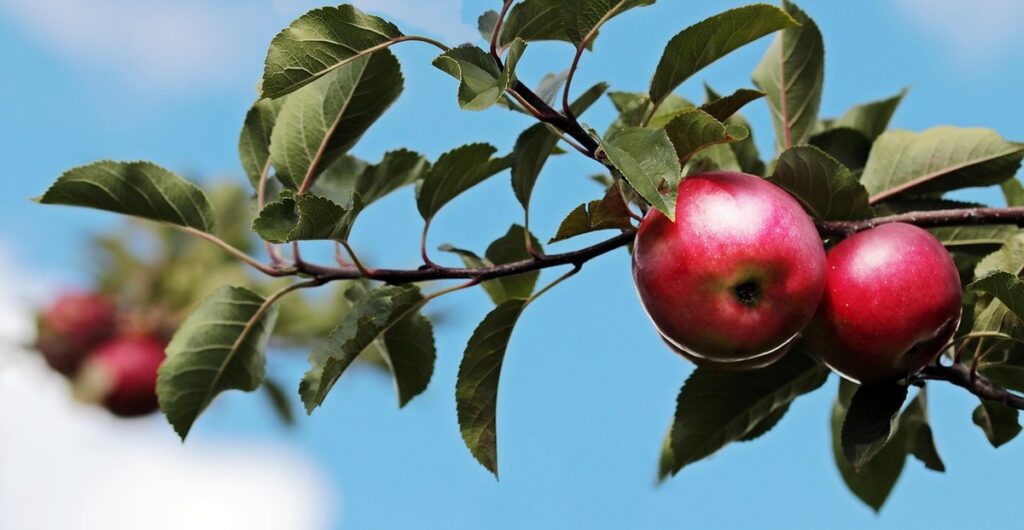
Choosing the Right Apple Tree Variety
When selecting a new apple tree, choosing the right variety can make all the difference for both beginners and experienced gardeners alike. Here are some tips to help you pick the perfect one.
Factors Affecting Fruit Production in Apple Trees
Apple trees require optimal growing conditions to produce an abundance of fruit. One crucial factor is tree age, as young trees typically take 2-5 years to start producing fruit after planting. However, this timeline can vary depending on factors like climate and soil quality.
Climate plays a significant role in apple production, with different varieties thriving in various temperature ranges. For instance, warm-season apples like ‘Red Delicious’ prefer cooler temperatures, while cool-season varieties like ‘Gala’ perform well in warmer climates. Apple trees require specific chill hours (periods of cold weather) to break dormancy and produce fruit.
Soil quality is also essential for healthy apple production. Well-draining soil with a pH between 6.0 and 6.5 provides the necessary nutrients for optimal growth. Poor soil conditions can lead to reduced yields or even tree death.
Lastly, disease resistance is critical in ensuring consistent fruit production. Look for apple tree varieties that are resistant to common diseases like powdery mildew and scab. By considering these factors, you can create an environment conducive to healthy fruit production and enjoy bountiful harvests from your apple trees.
Understanding the Pollination Requirements of Apple Trees
When it comes to growing apple trees, pollination is a crucial aspect that can significantly impact fruit production. Apple trees are typically self-incompatible, meaning they require cross-pollination from another tree to produce viable seeds and fruit. This process usually occurs when the flowers of one tree are pollinated by pollen from another tree.
To ensure proper pollination, it’s essential to plant multiple apple trees near each other, ideally within 20-30 feet (6-9 meters) apart. This proximity allows for easy cross-pollination between the trees. If you have limited space, consider planting a mix of early and late-blooming varieties to increase the chances of successful pollination.
In addition to spatial considerations, timing is also crucial. Most apple trees require around 20-30 days of chill hours (temperatures below 45°F/7°C) before they begin producing flowers. Be sure to choose a variety that suits your local climate and provide adequate chill hours for optimal pollination.
The type of pollinator can also make a difference in fruit production. Honeybees are natural pollinators, but you can also supplement with other pollinators like bumblebees or mason bees. By understanding the pollination requirements of apple trees, you’ll be better equipped to ensure your trees receive the necessary attention for successful fruiting.
Selecting Apple Tree Varieties with High Yield Potential
When selecting an apple tree variety for high yield potential, there are several factors to consider. Home growers can benefit from choosing a variety that is not only disease-resistant but also suitable for their climate and soil type.
Some of the highest-yielding apple tree varieties for home growers include ‘Red Delicious’, ‘Gala’, and ‘Granny Smith’. These varieties consistently produce heavy crops, with some trees yielding up to 500 pounds per year. For example, a study by the University of California found that ‘Red Delicious’ trees in California’s Central Valley produced an average of 420 pounds per tree.
When selecting a variety for high yield potential, consider factors such as climate hardiness, disease resistance, and growth rate. Be sure to research the specific needs of your chosen variety and ensure it is well-suited to your growing conditions. By choosing a high-yielding variety and providing proper care, home growers can enjoy bountiful apple harvests in just a few years.
Planting and Caring for Your Apple Tree
To get started, let’s cover the essential steps of planting and caring for your apple tree to ensure it grows strong and healthy. Proper care is key to a fruitful harvest down the line.
Proper Planting Techniques for Optimal Growth
When planting an apple tree, proper techniques are crucial for optimal growth and fruit production. To begin, choose a location with full sun and well-draining soil to prevent waterlogged roots.
Dig a hole that’s two to three times as wide and just as deep as the root ball of your tree. Gently remove the tree from its container or burlap, taking care not to damage the roots.
Next, place the tree in the center of the hole and backfill with soil, making sure to firm it around the roots as you go. This helps prevent air pockets from forming, which can cause root damage over time.
Water thoroughly after planting and keep the soil consistently moist during its first year of growth. Mulch around the base of the tree to retain moisture and suppress weeds.
This proper planting technique sets the stage for a healthy, productive tree that will eventually yield an abundance of delicious apples. By following these steps, you’ll be well on your way to enjoying fresh fruit from your very own apple tree in just a few years’ time.
Soil Preparation and Fertilization
Proper soil preparation and fertilization are crucial for healthy apple tree growth and fruit production. When it comes to planting an apple tree, many people overlook the importance of preparing the soil properly. However, this step can make all the difference in how well your tree thrives.
Before planting, test your soil pH level and adjust it if necessary. Apple trees prefer a slightly acidic to neutral soil pH, ranging from 6.0 to 7.0. If your soil is too alkaline or too acidic, it can affect nutrient availability and root growth.
To prepare the soil, add organic matter such as compost or well-rotted manure to improve its structure and fertility. Mix in a balanced fertilizer according to the manufacturer’s instructions, taking care not to over-fertilize. A general rule of thumb is to apply 1/2 cup of fertilizer per year for the first three years after planting.
Don’t forget to mulch around your tree to retain moisture, suppress weeds, and regulate soil temperature. By giving your apple tree a solid foundation through proper soil preparation and fertilization, you’ll be well on your way to enjoying delicious homegrown apples in no time.
Factors Affecting Fruit Production Timeline
When it comes to apple trees, several factors influence how long they take to produce fruit, and understanding these variables is crucial for optimal growth. Let’s examine some of the key factors at play.
Environmental Factors Influencing Fruit Production
Environmental factors play a significant role in determining when apple trees will produce fruit. Climate is one of the most critical environmental factors affecting fruit production. Apple trees require a certain number of chill hours (hours below 45°F) to break dormancy and initiate flowering, which can vary depending on the specific variety. For instance, some popular apple varieties like ‘Gala’ and ‘Fuji’ need around 800-1000 chill hours, while others like ‘Red Delicious’ require only 600-700.
Temperature also impacts fruit production. Apple trees thrive in temperatures between 35°F and 75°F (2°C to 24°C). Prolonged exposure to extreme temperatures can lead to damage or reduced yields. For example, apple blossoms are highly susceptible to frost damage, which can significantly impact fruit set. Rainfall is another crucial factor, as consistent moisture levels throughout the growing season support healthy growth and fruit development.
When planting an apple tree, it’s essential to consider these environmental factors to ensure optimal growing conditions. Planting in areas with suitable climate, temperature ranges, and rainfall patterns will help you get closer to knowing when your tree will produce fruit. Additionally, choose a variety that suits your local environment and microclimate. By doing so, you’ll be better equipped to provide the best possible care for your apple tree, ultimately leading to healthier trees and more bountiful harvests.
Common Pests and Diseases That Can Reduce Yield
Apple trees are susceptible to various pests and diseases that can significantly impact their yields. One of the most common issues is powdery mildew, a fungal disease that causes white powder to form on leaves and fruits. This can lead to reduced fruit quality and lower yields. To prevent powdery mildew, ensure proper air circulation by pruning nearby plants and providing adequate space between trees.
Another issue is aphids, small sap-sucking insects that feed on tree sap, causing stunted growth and reduced fruiting. Ladybugs and lacewings are natural predators that can help control aphid populations. Regularly inspect your trees for signs of aphids and take action promptly if you notice any infestation.
Additionally, pests like codling moths and sawfly larvae can cause significant damage to apple trees. These insects feed on the fruit’s skin, causing scarring and discoloration. Use physical barriers or row covers to prevent egg-laying by female codling moths.
Prevention is key in maintaining healthy apple trees and minimizing pest-related issues. Regular monitoring, sanitation practices, and integrated pest management (IPM) strategies can help reduce the occurrence of these pests and diseases.
Monitoring Your Apple Tree’s Progress
To ensure your apple tree reaches its full potential, it’s essential to monitor its growth and development over time. This involves tracking key milestones, such as fruit set and harvest time.
Recognizing Signs of Fruit Development
As you monitor your apple tree’s progress, it’s essential to recognize signs of fruit development. This will help you anticipate when your trees are ready for harvest and make necessary adjustments to ensure a bountiful crop.
Fruit set typically occurs 2-3 months after pollination, but there are early indicators that can signal the start of fruit development. Look for these subtle changes: swollen buds, small green apples (about 1-2 inches in diameter), or tiny pink blossoms turning white. These signs indicate that the tree has successfully pollinated and is beginning to form fruit.
Another key indicator is the growth rate of the apple. Check for a rapid increase in size, often noticeable within 4-6 weeks after pollination. This growth rate will help you gauge whether your trees are developing fruit at an optimal pace.
Keep an eye on your tree’s overall health and make adjustments accordingly. For example, if you notice signs of stress or disease, take action to address these issues before they impact fruit development. By monitoring these early indicators, you’ll be better equipped to care for your apple tree and ensure a successful harvest.
Timing the Harvest for Maximum Flavor and Quality
Timing the harvest correctly is crucial to reap the rewards of your labor. When it comes to apple trees, the timing of the harvest can significantly impact the flavor and quality of the fruit. Harvesting apples at the right time ensures that they are ripe but not overripe, which can lead to a loss of texture and flavor.
If you pick apples too early, they may not have reached their full sweetness potential. On the other hand, waiting too long can cause them to become mealy or develop off-flavors. For example, some varieties like Red Delicious and Gala apples are ready for harvest when they’re firm but yield slightly to pressure. In contrast, varieties like McIntosh and Empire apples require a more gentle touch – they should be picked when they’re still slightly firm but show signs of softening around the stem.
To time your harvest perfectly, monitor your tree’s progress closely. Check the color, texture, and scent of the fruit regularly. A good rule of thumb is to pick apples every 7-10 days during the peak harvest season. This will help you catch them at their optimal ripeness. Remember, it’s better to err on the side of caution – a few days too early is better than a week or two too late.
Common Mistakes to Avoid When Growing Apple Trees
When growing apple trees, it’s easy to get caught up in the excitement and overlook some crucial mistakes that can affect fruit production. Let’s take a look at what not to do.
Planting Too Many Varieties
When planting multiple varieties of apple trees, it’s essential to consider the long-term consequences on your orchard’s productivity. While having a diverse selection can be beneficial for cross-pollination and pest resistance, over-planting can lead to reduced yields and increased management complexity.
The average lifespan of an apple tree is around 50 to 100 years, but some varieties can live up to 200 years or more. With so many years ahead, it’s crucial to maintain a balanced orchard ecosystem. Overcrowding by planting too many varieties can result in:
* Reduced sunlight penetration, which affects fruit production
* Increased competition for water and nutrients
* Higher susceptibility to pests and diseases due to weakened tree health
To avoid these issues, consider the following tips when planting multiple apple trees:
* Plant only 2-3 compatible varieties per acre, allowing at least 20 feet of space between each tree
* Choose disease-resistant or hardy varieties that can thrive in your climate
* Prune and maintain your trees regularly to promote healthy growth and air circulation
By being mindful of the number of apple tree varieties you plant, you can create a thriving orchard with optimal yields.
Poor Pruning Techniques
Poor pruning techniques can greatly hinder your apple tree’s growth and fruit production. Pruning is essential to maintain the tree’s shape, promote healthy growth, and encourage fruiting. However, improper pruning can lead to a range of problems.
For instance, over-pruning can remove too much foliage, leaving the tree vulnerable to disease and pests. This can cause stress, which can delay or even prevent the tree from producing fruit. It’s essential to prune only what is necessary, as excessive pruning can weaken the tree and reduce its lifespan.
Some common mistakes include topping or cutting back the branches too severely, which can lead to weak and unproductive growth. Removing too many water sprouts (shoots that grow from the trunk) can also cause stress, while neglecting to prune deadwood can leave the tree susceptible to disease.
To avoid these pitfalls, it’s crucial to prune your apple tree correctly. Prune no more than one-third of the branches in a single season, and focus on maintaining the tree’s natural shape rather than trying to impose an idealized form.
Conclusion and Next Steps
Now that you know how long it takes for your apple tree to produce fruit, let’s discuss what’s next: planning and preparing for a bountiful harvest.
Recap of Key Takeaways
As we conclude our discussion on the time it takes for apple trees to produce fruit, let’s recap the key takeaways from this article. If you’re a homeowner looking to grow your own apples or an aspiring orchardist, understanding the growth cycle of these beautiful trees is essential.
Here are the main points to remember:
* Apple trees typically take 2-5 years after planting to produce their first fruit, but this timeframe can vary depending on factors such as climate, soil quality, and tree variety.
* dwarf or semi-dwarf apple trees can start producing fruit within 1-3 years of planting, making them a great option for home gardeners with limited space.
* Factors like weather conditions, pests, diseases, and nutrient deficiencies can significantly impact the growth rate and fruit production of your apple tree.
To give you a better idea of what to expect, here’s a rough breakdown of an apple tree’s growth stages:
- Year 1: Planting and establishment – focus on providing the right environment for your tree to grow.
- Year 2-3: Root development and pruning – continue to prune and shape your tree to promote healthy growth.
- Year 4-5: Fruit set and harvesting – your apple tree should start producing its first fruits, but keep in mind that yields may be small initially.
By understanding the growth cycle of apple trees, you can better plan for the time it takes them to produce fruit and make informed decisions about care and maintenance. Remember to provide regular care, including watering, fertilizing, and pruning, to ensure your tree stays healthy and thrives over the years.
Frequently Asked Questions
Can I plant multiple apple tree varieties together to increase fruit production?
Yes, planting multiple varieties can be beneficial for cross-pollination, but it’s essential to choose complementary varieties that bloom around the same time and have similar growing requirements. Also, consider factors like space, climate, and soil quality when selecting multiple trees.
How often should I prune my apple tree to ensure maximum yield potential?
Regular pruning is crucial to maintain a healthy tree and promote fruiting. Prune your apple tree annually during its dormant season (winter or early spring), removing any dead, diseased, or damaged branches. Thin out the canopy to allow sunlight penetration and air circulation.
What if my apple tree isn’t producing fruit after several years of care?
If your apple tree still doesn’t produce fruit despite proper care and pruning, consider factors like climate suitability, soil quality, and potential pests or diseases. You may also want to inspect for signs of nutrient deficiencies or inadequate water supply. Consult a gardening expert for personalized advice.
How can I determine if my apple tree is receiving adequate sunlight?
Assess the site where your apple tree is planted by observing the sun’s path during different times of day and year. Ensure that the area receives at least six hours of direct sunlight per day, especially when trees are in fruiting phase. Consider factors like seasonal changes and potential shade from nearby structures.
Can I still expect fruit production if my apple tree is not yet 5 years old?
While most apple trees start producing within 2-5 years after planting, some varieties may take longer to mature. If your tree is under 5 years old but showing signs of growth and health, it’s likely just a matter of time before it starts fruiting. Continue providing optimal care, and monitor its progress closely for the best results.