
Have you ever stopped to think about how your favorite fruits actually grow on trees? From juicy apples to sweet oranges, the process of fruit growth is fascinating. But have you ever wondered what’s happening beneath the surface? How do seeds germinate into healthy trees that produce an abundance of delicious fruit? Learning the secrets of fruit growth can be incredibly rewarding, whether you’re a seasoned gardener or just starting out. In this article, we’ll take a closer look at the process of fruit growth on trees, from seed germination to ripening. We’ll also share valuable tips and tricks for optimizing growth and productivity in your own garden or orchard. Get ready to dig into the fascinating world of fruit growth!
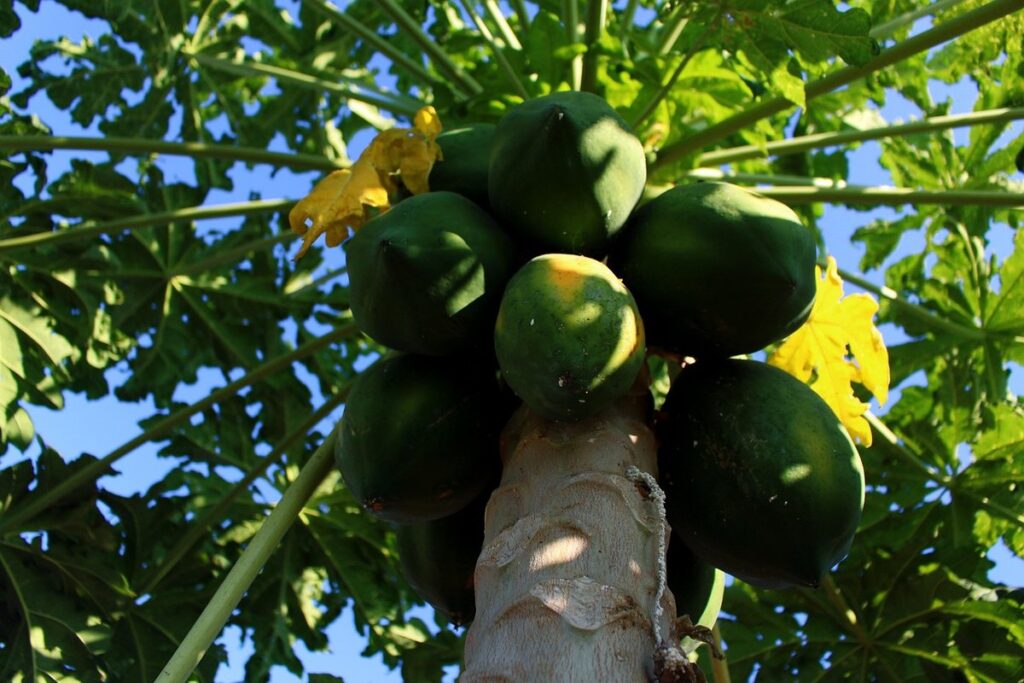
The Basics of Fruit Tree Growth
Let’s start with the foundation of fruit tree growth: understanding how trees develop from seed to maturity, and what factors influence their progress. This process is crucial for optimal fruit production.
Understanding the Life Cycle of a Fruit Tree
Understanding the life cycle of a fruit tree is crucial for understanding how fruits grow on trees. It’s a fascinating process that begins with seed germination and continues through sprouting, development, and finally, maturity.
Seed germination marks the first stage of a fruit tree’s life cycle. This occurs when a seed is exposed to water, air, and suitable temperatures, causing it to break dormancy and begin growing. As the seed absorbs water, it begins to swell, eventually producing a small sprout called a radicle, which grows downward into the soil. Above ground, another sprout called a hypocotyl emerges, developing into the stem of the tree.
As the tree develops, it goes through several stages of growth, including the development of leaves, roots, and branches. During this time, the tree is sensitive to environmental factors such as temperature, light, and water. Proper care during these early stages sets the foundation for a healthy, productive tree that will eventually bear fruit.
The entire life cycle can take anywhere from 5-10 years, depending on the species and growing conditions. With proper care and attention, a fruit tree can thrive and provide a bountiful harvest for decades to come.
Factors Influencing Fruit Tree Growth
Fruit tree growth is significantly influenced by various factors, which need to be carefully considered for optimal yields. Climate is a crucial factor, as most fruit trees require specific temperature ranges and moisture levels to thrive. For instance, citrus trees prefer warm temperatures between 64°F and 90°F (18°C and 32°C), while apple trees tolerate cooler conditions between 35°F and 75°F (2°C and 24°C). Soil quality is equally important, as fruit trees require well-draining soil rich in nutrients to grow. Soil pH levels should be adjusted accordingly; for example, citrus trees prefer slightly acidic soils with a pH range of 6.0-6.5.
Nutrient availability also plays a vital role in fruit tree growth. Fertilizers and compost can provide essential micronutrients like nitrogen, phosphorus, and potassium. Adequate watering is also necessary to prevent water stress, which can lead to reduced yields or even tree death. Additionally, pest management and pruning practices should be implemented regularly to maintain the overall health of the tree. By considering these factors and taking proactive steps, fruit growers can ensure their trees receive the best possible conditions for growth and development.
The Structure of a Fruit-Producing Tree
So, you’re curious to know how fruit trees are structured? A fruit-producing tree typically consists of roots, trunk, branches, and leaves that work together to grow delicious fruits.
The Root System
The root system of a fruit tree is often overlooked but plays a vital role in its overall growth and productivity. A healthy root system is essential for a fruit tree to absorb water and nutrients from the soil, which are then transported to the rest of the tree through the xylem. This process allows the tree to support itself and produce delicious fruits.
When roots grow deep into the soil, they can access more moisture and minerals, reducing the risk of drought stress and nutrient deficiencies. On the other hand, shallow root systems can lead to decreased water and nutrient uptake, affecting fruit production. To promote a healthy root system, fruit growers should focus on creating a balanced soil mix with adequate organic matter, ensuring proper drainage, and avoiding over-watering.
A good rule of thumb is to mulch around the base of the tree to retain moisture and suppress weeds that compete for resources. Regular pruning can also stimulate lateral root growth, encouraging the tree to spread its roots further into the surrounding soil. By prioritizing root health, fruit growers can set their trees up for success and enjoy a bountiful harvest.
The Trunk and Branches
The trunk and branches are the unsung heroes of fruit production. They work tirelessly to support the weight of the tree, providing a sturdy framework for growth. The trunk, being the main stem of the tree, acts as the central axis around which the entire structure revolves. It’s responsible for transporting water, nutrients, and sugars produced by photosynthesis from the roots to the leaves.
As the tree grows, branches develop from the trunk, extending outward in a radial pattern. These branches serve multiple purposes: they provide structural support, create space for new growth, and facilitate air circulation around the leaves. Without strong branches, the weight of the fruit would be too much for the trunk to handle, leading to branch breakage or even tree collapse.
Think of it like a skyscraper – just as the foundation is essential to supporting the building’s weight, the trunk provides the necessary support for the tree’s growth and fruit production.
Leaf Structure and Function
Leaves are the primary organs of photosynthesis in fruit-producing trees, responsible for converting sunlight into energy that fuels growth and development. To carry out this crucial function, leaves have evolved a unique structure characterized by stomata, veins, and chloroplasts.
Stomata, or tiny pores found on the underside of leaves, regulate gas exchange between the leaf and atmosphere. These openings allow carbon dioxide to enter the leaf while releasing oxygen produced during photosynthesis. A mature tree can have millions of stomata, ensuring an efficient gas exchange process.
Veins, a network of vascular tissues, transport water and nutrients absorbed by roots to various parts of the plant, including leaves. They also play a crucial role in translocating sugars produced during photosynthesis to other parts of the tree. This process supports fruit growth and ripening.
Chloroplasts are organelles within leaf cells responsible for capturing light energy from sunlight, initiating photosynthesis. Chlorophyll pigments absorb blue and red wavelengths, while reflecting green light, giving leaves their characteristic color. Effective photosynthesis in leaves is essential for a tree’s ability to produce fruit, highlighting the intricate relationship between leaf structure and function with fruit growth.
The Process of Fruit Formation
So, how exactly do fruits grow on trees? Let’s dive into the fascinating process of fruit formation and explore the stages that lead to a delicious, ripe harvest.
Flowering and Pollination
The process of flowering and pollination is a critical step in fruit formation. Fruit trees produce flowers as part of their reproductive cycle, which are either self-pollinating or require cross-pollination from another tree of the same species.
Flowers on fruit trees are typically small and delicate, consisting of five petals and reproductive organs that contain the male and female gametes. The male reproductive organ, called the anther, produces pollen, while the female reproductive organ, called the stigma, receives it. After pollination, fertilization occurs when a sperm from the pollen fuses with the egg in the ovary.
Some fruit trees are self-pollinating, meaning they can produce fruit without cross-pollination. However, many others require assistance to ensure proper pollination and fertilization. For example, apple and pear trees require cross-pollination, while cherry and plum trees are self-pollinating. To encourage cross-pollination in your orchard, consider planting multiple trees of the same species or using a bee-friendly environment to attract pollinators.
Keep in mind that proper timing is essential for successful pollination. Fruit trees usually produce flowers in late winter or early spring, and optimal pollination occurs when flowers are open and receptive to pollen.
Fertilization and Embryogenesis
Fertilization is the process where pollen from the male reproductive part of the tree (the anther) fertilizes the female reproductive part (the stigma), resulting in the fusion of genetic material. This crucial step takes place when a pollinator, such as a bee or butterfly, collects pollen and carries it to another flower on the same tree. If the conditions are favorable, this transfer leads to successful fertilization.
After fertilization, embryogenesis begins – the development of an embryo within the ovary. The fertilized egg, now called a zygote, starts dividing rapidly, eventually forming a fruit bud. This is when the characteristics of the developing fruit begin to take shape. Factors like temperature, humidity, and nutrients available in the soil can influence this process, affecting the size, color, and quality of the final product.
As the embryo grows, it’s surrounded by the ovary walls, which will eventually become the edible part of the fruit. The growth rate depends on the specific tree species, climate, and available resources.
The Ripening Process
As we’ve explored how fruits develop from blossoms, let’s now dive into what happens next: the ripening process that brings them to maturity. This crucial stage is essential for enjoying your favorite tree-ripened treats.
Hormonal Regulation
As fruits grow and mature on trees, they undergo a series of complex physiological changes that ultimately determine their ripening process. One key player in this process is the plant hormone system, which regulates various aspects of fruit development, including growth, maturation, and senescence.
At the heart of hormonal regulation lies ethylene production. This potent gas plays a crucial role in initiating the ripening process by triggering a series of biochemical reactions that break down cell walls and increase sugar content. As fruits produce more ethylene, they emit signals to surrounding cells, inducing changes that soften their texture and sweeten their flavor.
Abscission, the process of fruit detachment from the tree, is also influenced by plant hormones. Hormonal balances regulate the growth of abscission zones at the stem-fruit interface, facilitating a clean separation when the fruit reaches maturity. Factors such as temperature, light exposure, and nutrient availability can impact hormonal regulation, underscoring the importance of optimal growing conditions for successful fruit development.
By understanding how hormonal regulation contributes to the ripening process, you can better appreciate the intricate mechanisms governing fruit growth on trees. This knowledge also empowers farmers to optimize their cultivation practices and promote healthy tree-fertilizing relationships that lead to high-quality crops.
Environmental Factors
When it comes to fruit ripening, environmental factors play a significant role. Temperature, light, and water availability are crucial for optimal ripening, and these conditions can vary depending on the type of fruit tree.
Temperature is one of the most critical environmental factors influencing fruit ripening. Most fruit trees require a certain temperature range to break dormancy and initiate ripening. For example, apples typically ripen at temperatures between 65°F and 75°F (18°C and 24°C), while citrus fruits like oranges and lemons prefer warmer temperatures above 70°F (21°C). If the temperature drops too low, fruit development can slow or even halt.
Light exposure also affects fruit ripening. Many fruit trees require full sun to produce well-ripened fruit. However, some varieties like kiwis and figs can tolerate partial shade. Water availability is equally important, as drought stress can impede fruit growth and ripening.
To ensure optimal fruit ripening, growers often employ techniques like pruning, training, and thinning to regulate light exposure and promote healthy tree development.
Common Challenges to Fruit Growth
As you learn how fruits grow on trees, it’s essential to be aware of the common challenges that can hinder their growth and development. Factors such as inadequate watering, nutrient deficiencies, and pests are major obstacles to overcome.
Pests and Diseases
Fruit trees are susceptible to various pests and diseases that can impact their growth and productivity. Some common pests that can harm fruit trees include aphids, whiteflies, spider mites, and codling moths. These pests can weaken the tree’s immune system, making it more vulnerable to disease.
Diseases such as powdery mildew, fungal infections, and bacterial spotting can also affect fruit trees. Powdery mildew, for example, causes a white, powdery coating on leaves and stems, while fungal infections like root rot and crown gall can be devastating if left untreated. Regular monitoring of your tree’s health is crucial to prevent pest infestations and disease outbreaks.
To keep your fruit tree healthy, practice good gardening habits such as maintaining proper watering schedules, pruning infected branches, and using integrated pest management techniques. For instance, introducing beneficial insects like ladybugs or lacewings can help control aphid populations naturally.
Nutrient Deficiencies
Nutrient deficiencies are a common challenge that can limit fruit tree growth and impact yields. Among the essential macronutrients, nitrogen (N), phosphorus (P), and potassium (K) play critical roles. A deficiency in these nutrients can lead to reduced plant vigor, smaller fruits, or even complete failure of fruit set.
Nitrogen is particularly crucial for leaf development and fruit production. Without sufficient N, trees may appear pale yellow due to inadequate chlorophyll production, a condition known as “chlorosis.” On the other hand, excessive N application can cause excessive vegetative growth at the expense of fruiting. To avoid this, maintain optimal soil pH (around 6.0-7.0) and apply balanced fertilizers that contain N.
Phosphorus is vital for root development and energy production within the tree. A P deficiency may lead to stunted growth or reduced fruit set. Potassium helps regulate water balance and aids in overall plant health. Symptoms of K deficiency include premature defoliation, scorching leaves, and poor fruit quality.
To prevent nutrient deficiencies, test your soil regularly and adjust fertilizer applications accordingly. Maintain optimal pH levels and use balanced fertilizers to provide trees with the necessary nutrients for healthy growth.
Optimizing Fruit Tree Growth
To help your fruit trees thrive, we’ll focus on optimizing their growth by discussing essential factors like pruning techniques and nutrient-rich soil conditions. Proper care can significantly boost yields.
Best Practices for Planting and Care
When it comes to planting and caring for fruit trees, there are several best practices that can make all the difference in their growth and productivity. First and foremost, choose a location with full sun and well-draining soil. Fruit trees need at least six hours of direct sunlight per day, so avoid shaded areas or those with poor drainage.
When planting, consider factors such as soil pH and nutrient levels. Most fruit trees prefer slightly acidic to neutral soil (pH 6.0-7.0), but specific requirements may vary depending on the tree type. Dig a hole twice as wide and just as deep as the root ball, adding organic matter like compost or manure to improve fertility.
Water your new tree regularly during its first year, providing about 1 inch of water per week. Mulch around the base to retain moisture and suppress weeds. Prune your fruit tree annually to maintain shape, promote healthy growth, and encourage fruiting branches.
By following these guidelines, you’ll be well on your way to establishing a thriving fruit tree that will provide bountiful harvests for years to come.
Sustainable Agriculture Methods
When it comes to promoting healthy fruit tree growth, sustainable agriculture methods are essential for long-term success. One of the most effective ways to achieve this is by switching to organic fertilizers. Unlike synthetic fertilizers that can harm the environment and the trees themselves, organic options like compost, manure, or bone meal provide a natural source of nutrients.
To implement integrated pest management (IPM), start by identifying potential threats to your fruit trees, such as pests, diseases, or weeds. Then, use a combination of techniques like physical barriers, biological control methods, and cultural controls to prevent infestations. For example, you can use row covers to keep insects away from the trees during peak pest seasons.
Some beneficial microorganisms like mycorrhizal fungi can also be used to promote soil health and tree growth. Regularly inspect your trees for signs of stress or disease, and take action promptly to prevent minor issues from becoming major problems.
Conclusion
As we conclude our comprehensive guide on how fruits grow on trees, it’s essential to remember that the process is a fascinating combination of science and nature. By understanding the intricacies of fruit growth, you can appreciate the complexity and beauty of the natural world. Now that you’ve learned about the different stages of fruit development, from pollination to ripening, you’re equipped with valuable knowledge to explore the wonderful world of orchards and gardens. Whether you’re a seasoned gardener or an enthusiastic learner, this guide has provided you with practical advice on how to nurture your own fruit trees, ensuring a bountiful harvest and a deeper connection with nature. Take what you’ve learned and apply it to your next gardening project!
Frequently Asked Questions
Can I grow multiple types of fruit trees in the same orchard?
Growing a diverse range of fruit trees in one orchard can be beneficial for pollination, pest control, and soil health. However, ensure that the mature tree sizes and growth habits are compatible to avoid overcrowding. Also, research any specific growing requirements, such as temperature tolerances or nutrient needs, to optimize growth.
How often should I water my fruit trees?
Fruit trees require consistent moisture, especially during their first year of establishment. Aim to provide about 1 inch of water per week through a combination of rainfall and irrigation. Monitor soil moisture levels by inserting your finger into the soil up to the knuckle; if it feels dry, it’s time for watering.
Can I use organic methods to control pests and diseases?
Yes, there are many effective organic methods for controlling pests and diseases in fruit trees. These include introducing beneficial insects, practicing good sanitation and pruning habits, using physical barriers or traps, and applying natural fungicides like copper-based products.
How can I speed up the ripening process of my fruit?
While you can’t rush nature entirely, there are some techniques to help ripen your fruit more quickly. Regularly inspect your trees for overripe or rotting fruit, removing these as soon as possible to prevent disease spread and encourage healthy growth. Also, provide optimal growing conditions, including sufficient sunlight, water, and nutrients.
Can I propagate new fruit trees from seed, or do I need to purchase grafted varieties?
While it’s technically possible to grow a new tree from seed, this method often produces unpredictable results in terms of flavor, texture, and yields. Grafting is generally preferred as it ensures the retention of desirable traits like disease resistance, pest tolerance, and optimal growth habits.