
As a potato enthusiast or a seasoned farmer, you’re probably curious about how deep your spuds can grow. It’s no secret that optimal yields require understanding how potatoes develop underground. But did you know that factors like soil quality, climate, and variety can significantly impact the depth of growth? In this comprehensive guide, we’ll delve into the world of subterranean potato development, exploring what affects their growth depth and providing expert tips on how to coax your tubers to reach their full potential. From understanding the ideal growing conditions to mastering techniques for deep potato growth, you’ll learn everything you need to know to take your potato crop to the next level and achieve maximum yields.
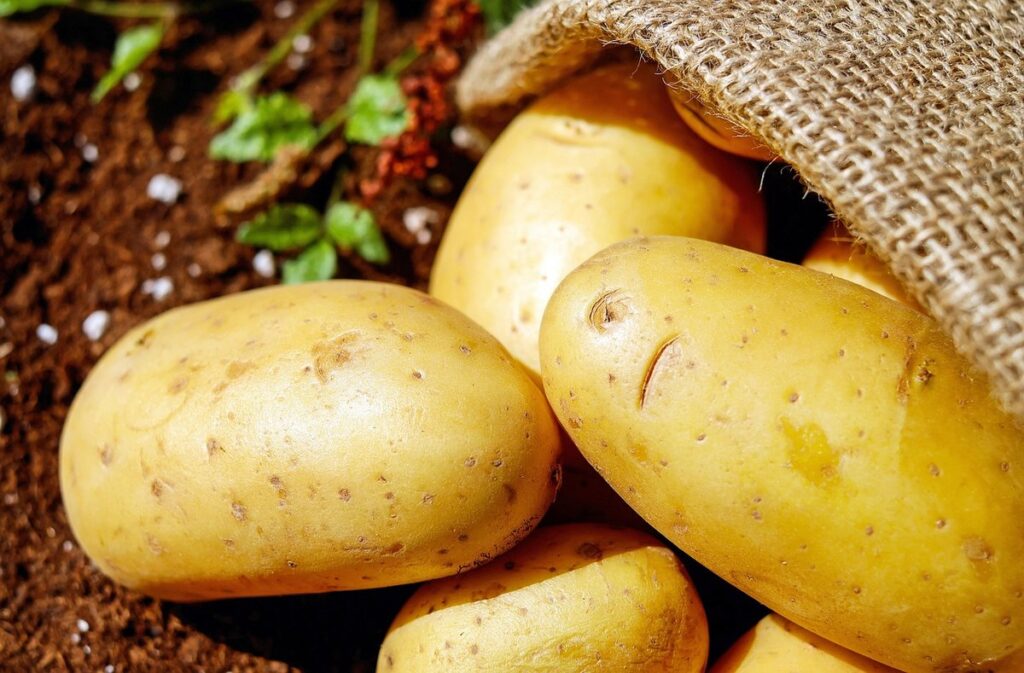
Understanding Potato Anatomy
To grow a decent crop, you need to know where and how potatoes develop their complex underground system. Let’s dive into the fascinating world of potato anatomy.
The Structure of a Potato Plant
A potato plant is made up of three main parts: the stem, leaves, and tubers. The stem, also known as the haulm, grows from the ground upwards and can reach heights of over 2 feet. It’s covered in small, hairy roots that absorb water and nutrients from the soil.
The leaves of a potato plant are typically dark green or purple in color and have wavy edges. They grow alternately along the stem, allowing the plant to make efficient use of sunlight. As the plant grows, it produces new leaves and stems through a process called tillering, which allows the plant to spread out and produce more tubers.
But what about the tubers themselves? Potatoes grow underground as part of an extensive network of roots and stems that branch off from the main stem. These underground structures are made up of modified stems called stolons, which produce new tubers at their tips. As long as there is sufficient moisture and nutrients available in the soil, potatoes will continue to grow and multiply through this process.
Tuber Formation and Development
When it comes to understanding potato growth, it’s essential to grasp the process of tuber formation and development. Underneath the soil, a complex series of events unfolds as potatoes transform from small buds into edible tubers.
Tuber formation begins when a stolon – a long stem that produces new roots and shoots – reaches the surface or near-surface soil layer. The apical meristem at the tip of the stolon starts to differentiate into a tuber primordium, which is essentially an embryonic potato. As the plant grows, starch accumulation becomes the primary focus for tuber development.
Factors influencing tuber growth include temperature, light, water availability, and nutrient supply. Generally, temperatures between 60°F (15°C) and 70°F (21°C) promote optimal growth rates. Adequate moisture is also crucial, as it aids in starch synthesis and transport within the plant. When conditions are favorable, a mature potato can develop multiple tubers, each weighing up to several ounces or more.
To encourage healthy tuber development in your own garden, make sure to provide a stable environment with optimal growing conditions.
Factors Affecting Potato Growth Depth
When growing potatoes, several key factors can influence how deep they grow, and understanding these variables is crucial for optimal yields. Let’s dive into what affects potato growth depth.
Soil Conditions and Their Impact on Growth
Soil conditions play a significant role in determining the depth to which potatoes can grow. pH levels are crucial, as spuds thrive in slightly acidic to neutral soil, typically between 4.5 and 7.0 on the pH scale. At these levels, nutrients like nitrogen, phosphorus, and potassium are readily available for uptake by potato tubers. However, if the soil is too alkaline or acidic, nutrient availability decreases, and stunted growth can occur.
Moisture content also affects depth of growth. Adequate moisture helps maintain optimal temperatures for growth, typically between 60°F to 80°F (15°C to 27°C). Drought conditions slow down growth, while excessive water can lead to rot and other issues. Aim for about 20 inches of rainfall or irrigation annually, spaced evenly throughout the growing season.
Nutrient availability is another critical factor. Potatoes require a balanced mix of nitrogen, phosphorus, and potassium. Soil testing can help determine these levels, allowing you to adjust your fertilization strategy accordingly.
Temperature and Climate Influences on Tubers
Temperature and climate conditions play a significant role in determining the growth depth of potatoes. Temperature fluctuations can either promote or hinder tuber formation, depending on the stage of plant development.
Optimal temperatures for tuber initiation are typically between 10°C to 15°C (50°F to 59°F). Temperatures above 18°C (64°F) can lead to early senescence and reduced yield. Conversely, prolonged exposure to temperatures below 5°C (41°F) can cause root growth to slow or even cease.
Climate conditions also influence tuber depth. For example, in regions with high soil water content, potatoes may grow shallower due to the ease of moisture availability, whereas in areas with limited rainfall, potatoes tend to penetrate deeper in search of water.
To optimize potato yields, farmers should aim to maintain a consistent temperature range between 12°C to 15°C (54°F to 59°F) during tuber formation. Additionally, controlling soil moisture and ensuring adequate nutrient supply can also contribute to deeper tuber growth.
Measuring Potato Growth Depth
Now that you know why measuring depth is crucial for optimal potato growth, let’s dive into how to accurately determine just how deep your spuds are growing.
Using Root Mapping Techniques
When it comes to measuring potato growth depth, root mapping techniques can provide accurate and detailed insights into a plant’s underground development. To use these techniques effectively, you’ll need a few specialized tools.
Begin by gently excavating the soil around the base of the potato plant, taking care not to damage any growing tubers or roots. Next, carefully wash away excess dirt from the exposed roots, allowing you to visually assess their depth and extent.
There are two main root mapping techniques: hand-digging and mechanical excavation. Hand-digging involves manually excavating soil layers to create a vertical profile of the plant’s root system. This method is often used in small-scale gardening or research settings.
Mechanical excavation, on the other hand, employs specialized equipment like trenchers or backhoes to dig deeper and more accurately. This technique is typically reserved for larger agricultural operations or areas with complex soil structures.
Regardless of which method you choose, it’s essential to record your findings systematically, including notes on root depth, spread, and any notable features or variations in the soil profile.
Visual Inspection Methods for Estimating Depth
When conducting a visual inspection to estimate potato growth depth, several key factors come into play. One of the most obvious indicators is tuber size. As potatoes grow, they increase in diameter and circumference, making them easier to spot in the soil. However, this method has its limitations – large tubers don’t necessarily equate to deeper growth.
Another visual cue is tuber color. Potatoes growing closer to the surface tend to be greener or more yellowish due to exposure to sunlight. Those developing further below are often whiter or creamier in hue. Still, it’s not always possible to rely solely on color as a determinant, especially when working with different varieties.
To enhance accuracy, combine these visual indicators with other data points. For instance, examine the soil conditions and assess how far down water and nutrients can reach. Consider factors like soil type, texture, and structure – all of which impact root development and growth depth.
When estimating potato growth depth via visual inspection, it’s essential to consider multiple cues and not over-rely on any single indicator. By combining tuber size, color, and other environmental factors, you’ll get a more accurate picture of your potatoes’ subterranean journey.
Common Challenges in Potato Growth Depth
As a gardener, you might find that your potatoes aren’t growing as deeply as you’d like – and it’s not just a matter of lack of sunlight. In this section, we’ll address some common challenges to potato growth depth.
Dealing with Root Rot and Other Diseases
Root rot and other diseases can wreak havoc on your potato crop, reducing yields and compromising the quality of your harvest. One common cause of root rot is excess moisture, which can lead to fungal growth and infection. To prevent this issue, ensure that your soil drains well and avoid overwatering. Mulching around plants can also help regulate soil moisture.
Other diseases that affect potatoes include late blight, powdery scab, and blackleg. These diseases thrive in humid environments and can be spread through contaminated seed tubers or water. Regularly inspect your plants for signs of disease, such as yellowing leaves or dark spots on the tubers. To prevent disease transmission, use certified disease-free seed potatoes and maintain good hygiene when handling plants.
If you do encounter a diseased plant, remove it immediately to prevent further spread. Apply fungicides or other treatments as directed by the product label to control the infection. Keep in mind that prevention is key – adopt best practices for irrigation, crop rotation, and soil management to minimize your potato’s exposure to disease.
Factors Contributing to Reduced Yield
When potatoes don’t grow to their full potential, it can be frustrating for farmers and gardeners alike. One of the main reasons for reduced yield is inadequate or inconsistent tuber growth. Several factors contribute to this issue.
Soil temperature plays a crucial role in potato tuber formation. If the soil is too cold, tuber growth will slow down, resulting in smaller potatoes. On the other hand, if it’s too warm, the risk of disease increases. Aim for a consistent temperature between 60°F and 70°F (15°C and 21°C) for optimal growth.
Water stress is another significant factor affecting potato yield. Potatoes need consistent moisture levels to grow well. Drought conditions can cause tubers to rot underground, leading to reduced yields. Ensure your soil has adequate drainage and water your potatoes regularly.
Lastly, poor soil quality can also impact potato growth. Lack of essential nutrients like nitrogen, phosphorus, or potassium can stunt tuber development. Test your soil regularly and amend it with organic matter or fertilizers as needed. By understanding these factors and taking corrective measures, you can promote healthy tuber growth and increase your potato yield.
Best Practices for Encouraging Deep Potato Growth
To maximize deep potato growth, follow these essential best practices that will help your spuds grow strong and healthy. Let’s dive into the most effective techniques for encouraging deep roots.
Soil Preparation and Management Strategies
Proper soil preparation and management are essential for encouraging deep potato growth. Crop rotation is one of the best practices to adopt when growing potatoes. This involves rotating potatoes with other crops that have different nutrient requirements, such as legumes or corn. This not only helps maintain soil fertility but also reduces the risk of pests and diseases.
When it comes to fertilization, potatoes require a balanced diet of nitrogen, phosphorus, and potassium. However, over-fertilizing can lead to shallow root growth and reduced yields. Instead, opt for slow-release fertilizers that provide nutrients throughout the growing season.
Irrigation management is also crucial in promoting deep potato growth. Aim for about 1-2 inches of water per week, either from rainfall or irrigation. Avoid overwatering, which can lead to weak and shallow roots. A good rule of thumb is to apply 6-8 gallons of water per plant per season.
By adopting these best practices, you’ll be well on your way to growing deep, healthy potatoes that are less susceptible to disease and more resistant to pests.
Optimal Sowing Times and Depths
When it comes to encouraging deep potato growth, timing and depth of sowing play crucial roles. Optimal sowing times vary depending on your location, but generally, spring planting should occur when the soil has warmed up to at least 40°F (4°C). In regions with a long growing season, you can sow seed potatoes in late winter or early spring.
As for sowing depth, it’s essential to plant the seed potato about 2-4 inches deep, depending on the variety. Some varieties like ‘Nicola’ and ‘Shetland Black’ prefer shallower depths, while others like ‘Maris Piper’ require a bit more soil coverage. To ensure proper development, make sure the “eyes” of the seed potato are facing upwards, allowing them to sprout towards the surface.
For maximum tuber growth, aim for 6-8 hours of direct sunlight per day and maintain consistent moisture levels throughout the growing season. Avoid overwatering, which can lead to rot and other issues. By getting these basics right, you’ll be well on your way to promoting deep potato growth and a bountiful harvest.
Conclusion: Achieving Deep Potato Growth
In conclusion, achieving deep potato growth requires understanding their unique needs. As we’ve discussed throughout this guide, potatoes are more than just a surface-level crop. They have a complex underground system that responds to various environmental factors. To encourage deep growth, make sure your soil is rich in nutrients and has good drainage. This will allow the tubers to develop further down without getting waterlogged.
Additionally, avoid over-fertilizing, as this can promote shallow growth. Instead, focus on providing consistent moisture levels and ensuring adequate sunlight. By doing so, you’ll be rewarded with larger, more robust potatoes that have reached their full depth potential. Don’t be discouraged if your first attempts don’t yield the results you want – patience and practice are key to mastering deep potato growth.
Frequently Asked Questions
What are some common mistakes I should avoid when preparing my soil for deep potato growth?
When preparing your soil, it’s essential to avoid over-tilling, which can damage the soil structure and lead to reduced yields. Also, be cautious of using excessive amounts of fertilizers or chemicals, as these can harm beneficial microorganisms in the soil. Instead, focus on maintaining a balanced pH level (around 4.5-7.0), incorporating organic matter like compost, and ensuring adequate drainage.
How do I measure the growth depth of my potato crop without using root mapping techniques?
While root mapping is an effective method, it’s not feasible for everyone. To estimate growth depth through visual inspection, look for the color and texture of the soil. As potatoes grow deeper, the soil will become more compacted, and the tubers will start to produce a slightly different-colored or lighter-colored skin. You can also use a spade to carefully dig around the plant without damaging it.
Can I still achieve deep potato growth with containers?
While container gardening can be challenging for root development, you can still achieve decent yields by selecting varieties that are compact or dwarf-sized. Make sure your containers have sufficient depth (at least 12 inches) and use a well-draining potting mix. Keep the soil consistently moist but not waterlogged to prevent root rot.
What’s the optimal temperature range for potato growth, and how can I protect my crop from extreme temperatures?
Potatoes grow best in cool temperatures between 40°F (4°C) and 70°F (21°C). To protect your crop from frost damage, consider using row covers or cold frames. During hot summer months, provide shade for your plants to prevent scorching.
How can I determine if my potato variety is suitable for deep growth?
Check the seed packet or consult with a local nursery expert to see which varieties are known to produce deeper tubers (look for keywords like “deep-set” or “high-yield”). Also, research the specific growth habits of your chosen variety and consider factors like soil quality and climate when making a decision.