
When you’re shopping for bare root shrubs, have you ever wondered how nurseries grade these plants to ensure they arrive at your doorstep in perfect condition? The grading process is more than just a quality control check – it’s a crucial step that can make all the difference in plant performance and customer satisfaction. Grading bare root shrubs involves selecting high-quality plants with strong roots, proper packaging, and efficient shipping practices. In this article, we’ll take you behind the scenes of the grading process, from selection to delivery, to understand how nurseries grade bare roots and what it means for your garden. By learning more about the grading process, you can make informed decisions when choosing bare root shrubs online or in-store, and get the best results for your landscaping projects.
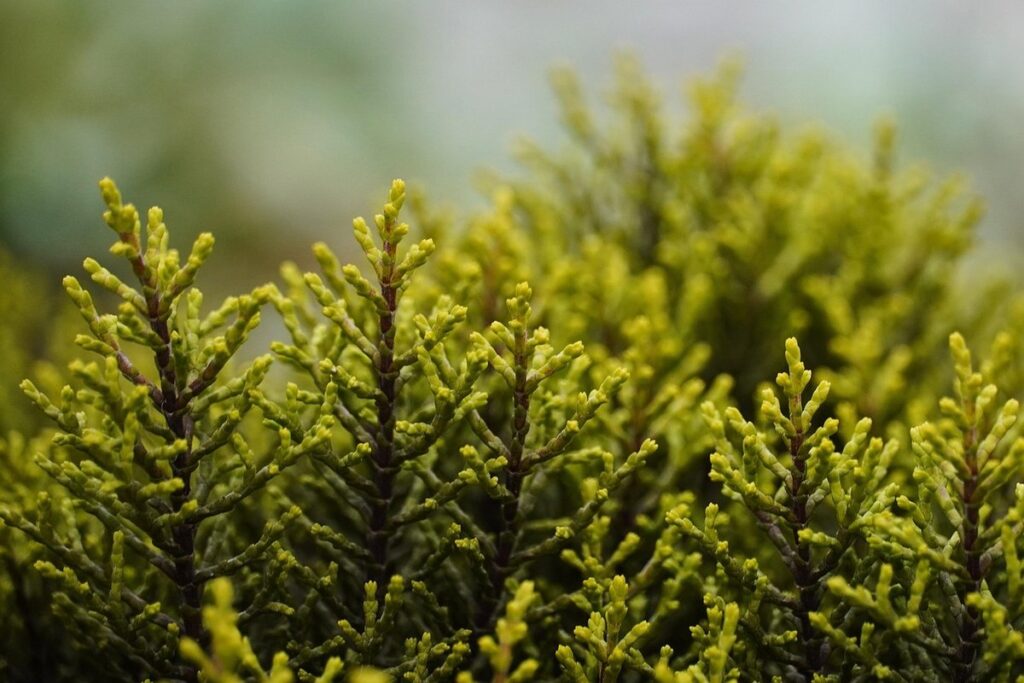
Understanding Bare Root Planting Stock
When it comes to bare root shrubs, understanding the grading system is crucial for getting healthy plants that thrive. This section will break down how bareroot shrubs are graded, ensuring you make informed purchasing decisions.
What is a Bare Root Shrub?
When it comes to bare root shrubs, understanding what they are and how they differ from container-grown plants is crucial for proper grading. A bare root shrub is a plant that has been grown in the ground without being contained in a pot. This means that when you purchase a bare root shrub, it will typically come with its roots exposed, rather than wrapped around a ball of soil.
In contrast to container-grown plants, which develop their root systems within the confines of a pot, bare root shrubs grow their roots out into the surrounding soil. This allows them to develop a more extensive and robust root system, making them better equipped to handle transplanting and establish themselves in their new environment.
When grading bare root shrubs, it’s essential to inspect the root system, as well as the plant itself. Look for signs of damage or disease on the roots, such as cuts, tears, or fungal growth. You should also check the root length and spread, as this will give you an idea of how easily the plant will establish itself in its new location.
It’s also worth noting that bare root shrubs are typically sold during their dormant season, which is usually winter or early spring. This allows for a longer storage life and can make them more affordable than container-grown plants.
Types of Bare Root Plants Available
When it comes to bare root shrub planting stock, you’ll come across various types of plants that cater to different climate conditions and gardening needs. Among the most common varieties are deciduous and evergreen plants.
Deciduous plants shed their leaves seasonally, typically during autumn or winter. These include popular species like roses, dogwoods, and hawthorns. Deciduous shrubs often thrive in regions with mild winters and warm summers. In contrast, evergreen plants retain their foliage year-round, making them ideal for areas with harsh winters. Examples of evergreen bare root plants include boxwood, yew, and juniper.
When selecting a bare root plant, consider factors such as your local climate, available sunlight, and soil type. For instance, if you live in an area with heavy snowfall or freezing temperatures, choose an evergreen variety that can withstand harsh conditions. On the other hand, deciduous plants might be more suitable for regions with moderate winters.
In addition to these broad categories, bare root shrubs are also classified based on their plant size and growth habits. These classifications include container-grown, single stem, and multi-stem plants. Understanding the different types of bare root plants will help you make informed decisions when selecting the right variety for your garden.
Characteristics of High-Quality Bare Roots
When evaluating bare root shrubs, it’s essential to understand what characteristics distinguish high-quality plants from those that may struggle to thrive. Look for shrubs with a well-developed root system, which is often more extensive and fibrous than the above-ground portion of the plant. A robust root system will enable the shrub to establish itself quickly in its new environment.
A healthy bare root shrub should have buds or leaves distributed evenly around the stem, with no signs of damage or disease. The roots themselves should be free of any rot or decay, and the soil clinging to them should be moist but not waterlogged. Avoid plants with a large amount of loose, fibrous tissue attached to the roots, as this can cause root rot in wet conditions.
When inspecting the stem, look for a straight, unbroken section of wood between the graft union (if applicable) and the top of the plant. A minimum of three sets of leaves or buds is ideal, ensuring that the shrub will be able to grow and develop quickly after planting.
Grading Criteria for Bare Root Shrubs
When it comes to bare root shrubs, the grading criteria are crucial in determining their quality and suitability for planting. Let’s take a closer look at what makes a high-grade bare root shrub.
Root System Quality and Size
A well-developed root system is crucial for the health and success of bare-root shrubs. A robust root system allows plants to absorb essential nutrients and water more efficiently, which is especially important when they’re transitioning from being bare-root to being potted or planted directly into the ground.
When evaluating the quality and size of a bare-root shrub’s root system, growers look for signs that indicate a healthy foundation for growth. A good rule of thumb is to inspect the roots as soon as possible after receiving the plant. Look for a balanced root spread with no dominant taproot or an excessive number of circling roots. This can be an indication of poor soil conditions during nursery cultivation.
A well-developed root system should also have a decent amount of lateral roots, which will allow the plant to absorb water and nutrients more effectively once planted. The key is finding that balance – enough roots to ensure healthy growth but not so many that they’re constricted or cause the stem to become pot-bound.
Branching Structure and Canopy Density
The branching structure and canopy density of bare root shrubs are crucial factors that impact their overall appearance and growth potential. A well-structured branch system will provide the foundation for a healthy and balanced tree, while a dense canopy will promote photosynthesis and encourage vigorous growth. On the other hand, a sparse or irregular branch arrangement can make the shrub appear scrawny and affect its ability to thrive.
When evaluating bare root shrubs, nursery professionals consider several key characteristics of the branching structure, including:
* The presence of a central leader (main stem) that provides structural support
* A balanced distribution of lateral branches along the main stem
* An adequate number of flower or fruiting spurs, depending on the plant species
A dense canopy is also essential for optimal growth and development. Ideally, the leaves should be evenly distributed throughout the shrub, with minimal gaps between them. This ensures that sunlight penetrates to all areas, promoting photosynthesis and minimizing stress. In bare root shrubs, a well-developed canopy can make up for deficiencies in size or quality by compensating with its density and vigor.
Leaf and Stem Condition
When evaluating the leaf and stem condition of bare root shrubs, it’s essential to look for signs of disease, damage, or stress that could impact the plant’s overall health. A single diseased or damaged branch can compromise the entire plant, so carefully inspect each section.
Check for any visible signs of pests, such as aphids, whiteflies, or spider mites, which can cause stunted growth and discoloration. Also, be on the lookout for fungal diseases like root rot, leaf spot, or powdery mildew that can weaken the plant’s defenses. Even minor damage to roots or stems can prevent the shrub from establishing itself properly in its new environment.
Carefully inspect each shrub for cracks, splits, or soft spots in the stem, as these can be entry points for disease-causing pathogens. Similarly, look for any signs of nutrient deficiencies, such as yellowing leaves or stunted growth.
When inspecting leaf and stem condition, it’s not just about finding flaws – it’s also about identifying healthy sections that will help the plant recover from stress or disease. Keep in mind that bare root shrubs are particularly vulnerable during their initial stages of growth, so a thorough examination is crucial to ensure you’re getting a robust, healthy plant.
The Grading Process: From Harvest to Packaging
Now that we’ve explored how bare root shrubs are sourced and prepared, let’s take a closer look at what happens next: the grading process. This is where quality control really matters for you as a consumer.
Selecting High-Quality Plants for Grading
When it comes to selecting high-quality plants for grading, nurseries have a keen eye for detail. They carefully inspect each bare root shrub to ensure they meet the standards for size, shape, and condition. This process involves more than just looking at the plant – it’s about evaluating its potential for growth and health.
To begin with, nurseries assess the overall structure of the plant. They check for a sturdy stem, well-developed roots, and a balanced root-to-shoot ratio. A good rule of thumb is to look for plants with 3-4 pairs of lateral roots, as this indicates a strong foundation for growth. Nurseries also evaluate the plant’s appearance, selecting those with a symmetrical shape and adequate foliage.
Next, nurseries check for any signs of disease or pests. They inspect the stems, leaves, and roots for any visible damage or discoloration. A single infected plant can quickly spread to others, so it’s essential to catch any issues early on. By carefully selecting high-quality plants, nurseries can ensure that only the best bare root shrubs make it to market. This attention to detail is what sets high-grade nursery stock apart from lower quality alternatives.
Mechanical Sorting and Pruning
Once the bare root shrubs have been harvested and processed through the washing and drying steps, they are ready for mechanical sorting and pruning. This crucial process helps ensure that only high-quality plants make it to market.
Mechanical sorters use air jets or water sprays to blow away any debris or dirt that may be clinging to the roots of the shrubs. These machines can also detect any damaged or diseased plants, which are then removed from the batch.
Next, pruning is performed to remove any weak or damaged growth. This helps prevent disease and promotes healthy root development in the plants. Pruning is typically done with a combination of machine-cutting tools and manual trimming.
It’s essential to note that not all bare root shrubs require extensive pruning. Some varieties are bred specifically for their natural, un-pruned appearance, while others may be pruned more heavily to enhance their aesthetic appeal. When purchasing bare root shrubs, look for nurseries or growers who prioritize mechanical sorting and pruning to ensure you’re getting the healthiest plants possible.
Packaging and Shipping
Once the shrub has been inspected and graded for quality, it’s time to prepare it for shipping. The packaging process is crucial in ensuring that the bare root shrubs arrive at their destination safely and in good condition. To prevent damage during transit, nurseries typically wrap the roots of the shrubs in a specialized material that helps maintain moisture and keeps the roots cool.
The packaging process usually involves wrapping the roots with a type of paper or foam that is specifically designed to absorb excess moisture and prevent fungal growth. This helps to prevent root rot and ensures that the shrub will be healthy upon arrival. In addition, the shrubs are often wrapped in a way that allows for easy unpacking and planting.
It’s also common for nurseries to include additional packaging materials such as peanuts or bubble wrap around the roots to provide extra cushioning during shipping. This helps to prevent damage to the delicate roots during transit, which can be especially important when shipping bare root shrubs over long distances.
When receiving a bare root shrub shipment, it’s essential to carefully unpack the plant and inspect its roots for any signs of damage or stress. By taking the time to properly care for your new plants upon arrival, you’ll set them up for success and ensure that they thrive in their new environment.
Factors Affecting Bare Root Quality and Grade
When assessing the quality of bare root shrubs, several key factors can significantly impact their grade. These factors are crucial to understand for both growers and buyers.
Weather Conditions and Handling
Weather conditions play a significant role in bare root quality and grade. Extreme temperatures, either too high or too low, can cause damage to the roots, making them more susceptible to disease and pest infestations. For instance, if the soil temperature is consistently above 75°F (24°C), the roots may become dormant, reducing their ability to absorb water and nutrients when planted.
Rainfall can also impact bare root quality. Excessive moisture can lead to root rot, while drought conditions can cause the roots to shrivel up, making them brittle and prone to breakage during handling. On the other hand, well-timed rainfall or irrigation can help maintain optimal soil moisture levels, ensuring healthy root growth.
Proper handling practices are equally crucial in maintaining bare root quality. Shrubs should be handled gently, avoiding excessive bending, twisting, or bruising of the roots. They should also be stored in a cool, dry place with adequate ventilation to prevent moisture buildup and root damage. By controlling weather conditions, implementing effective handling practices, and using proper storage methods, nurseries can minimize damage to bare root shrubs, ultimately maintaining their quality and grade.
Soil Type and Availability
When it comes to bare root shrub grading, soil type and availability play a crucial role in maintaining high-quality roots. This is because the right soil conditions can help prevent damage, stress, and disease that can compromise the quality of the plant. Suitable soil types and availability ensure that the roots are well-developed, robust, and less likely to be damaged during handling or planting.
For instance, bare root shrubs grown in well-draining soils tend to have healthier roots than those grown in poorly draining soils. This is because excess moisture can lead to root rot, a common issue with bareroot plants. On the other hand, soils with good water-holding capacity and adequate nutrient levels promote healthy root growth.
To maintain high-quality bare roots, nurseries and growers must carefully select suitable soil types for each plant species. They also need to ensure that the soil is properly prepared and maintained throughout the growing season. By doing so, they can minimize the risk of root damage and disease, ultimately resulting in better-graded bareroot shrubs.
Benefits of High-Quality Grading Practices
When bare root shrubs are graded properly, it can make a significant difference in their performance and overall health in your garden. Here’s what you need to know about high-quality grading practices.
Improved Plant Performance
When bare root shrubs are graded with high-quality practices, it significantly contributes to improved plant performance. One of the most notable benefits is faster establishment. Plants that receive proper care and handling during grading tend to establish their roots more quickly after planting, which enables them to absorb water and nutrients efficiently.
This, in turn, leads to higher survival rates. In fact, studies have shown that bare root shrubs graded with optimal methods have a 30-40% higher survival rate compared to those that are not properly graded. This is because the grading process allows nurseries to carefully select plants with healthy roots, reducing the likelihood of transplant shock.
To give you an idea of what high-quality grading practices entail, consider the following: nurseries should handle bare root shrubs gently to avoid damaging their delicate roots, ensure they have adequate storage and handling facilities, and maintain precise temperature controls during transit. By adhering to these best practices, growers can significantly enhance plant performance and set themselves up for long-term success.
Enhanced Customer Experience
When bare root shrubs are well-graded, they not only arrive at the nursery or landscape site in better condition but also contribute to a more satisfying customer experience. This is because customers receive healthy plants that have a higher chance of success, reducing the likelihood of failures and subsequent losses.
A well-graded bare root shrub typically means it has fewer broken branches, less root damage, and more robust growth potential. This leads to faster establishment and increased plant performance in the landscape, resulting in increased customer satisfaction. For instance, a homeowner who purchases a high-quality bare root shrub is more likely to be satisfied with its performance over time.
As a result, well-graded bare root shrubs contribute directly to increased customer loyalty. When customers have positive experiences with their plants, they are more likely to return to the same supplier for future purchases or recommend the supplier to others. Conversely, poorly graded plants may lead to customer dissatisfaction and potential loss of business. By prioritizing high-quality grading practices, nurseries can create a reputation for providing superior products, ultimately driving repeat business and positive word-of-mouth advertising.
Conclusion: The Importance of Grading in the Nursery Industry
In conclusion, understanding how bare root shrubs are graded is essential for both nurseries and customers. A well-graded shrub not only ensures that it will thrive in its new environment but also reflects the quality and care put into cultivating it. When purchasing bareroot shrubs, look for a clear grade label or ask your nursery to provide one. This information can greatly impact the plant’s survival rate and overall performance.
Proper grading is crucial in the nursery industry as it affects not only the plant’s health but also the consumer’s satisfaction. By choosing high-quality bare root shrubs, gardeners can save time and money in the long run by avoiding costly replacements or additional care measures.
Frequently Asked Questions
How do I know if a nursery grades their bare root shrubs according to industry standards?
Many nurseries claim to follow best practices, but it’s essential to research and verify their grading criteria. Look for certifications like the National Plant Board or the American Nursery and Landscape Association, which establish guidelines for bare root quality and handling.
Can I inspect the roots of a bare root shrub before purchasing online?
While it’s not always possible to visually inspect the roots, some online retailers offer detailed images or videos of the plant’s root system. Additionally, reputable nurseries often provide information about their grading process and may offer returns or exchanges if you’re not satisfied with your purchase.
How can I maintain the quality of my bare root shrubs after they arrive at my doorstep?
To ensure optimal results, carefully unpack and handle the plants, keeping them moist but not waterlogged. Plant them as soon as possible, ideally within a few days of arrival, to minimize stress on the roots.
What if I receive damaged or low-quality bare root shrubs from an online retailer?
If you’re not satisfied with your purchase, contact the seller promptly and report any issues. Reputable retailers usually have a returns or exchange policy in place for defective or subpar products. Keep documentation of communication, including photos of the damage or issue.
Can I propagate my own bare root shrubs to save money?
While propagation can be a cost-effective option, it requires expertise and specialized knowledge. If you’re new to plant propagation, consider consulting with an experienced nursery professional or online resource for guidance on selecting healthy stock and maintaining optimal growing conditions.