
Imagine walking through a forest on a warm summer day, and suddenly, you’re surrounded by the sound of explosions. It’s not a war zone, but rather the natural wonder of balsam fir trees releasing their seeds into the world. This fascinating process is called “explosive seed dispersal,” where the tree fires its seeds into the air, sending them flying in all directions. But what’s behind this unique method? And how does it impact ecosystems and biodiversity? In this article, we’ll take a closer look at the science behind balsam fir’s explosive seed dispersal and explore its effects on the environment. We’ll delve into the fascinating world of plant reproduction and discover why this remarkable process is crucial for the survival of these incredible trees.
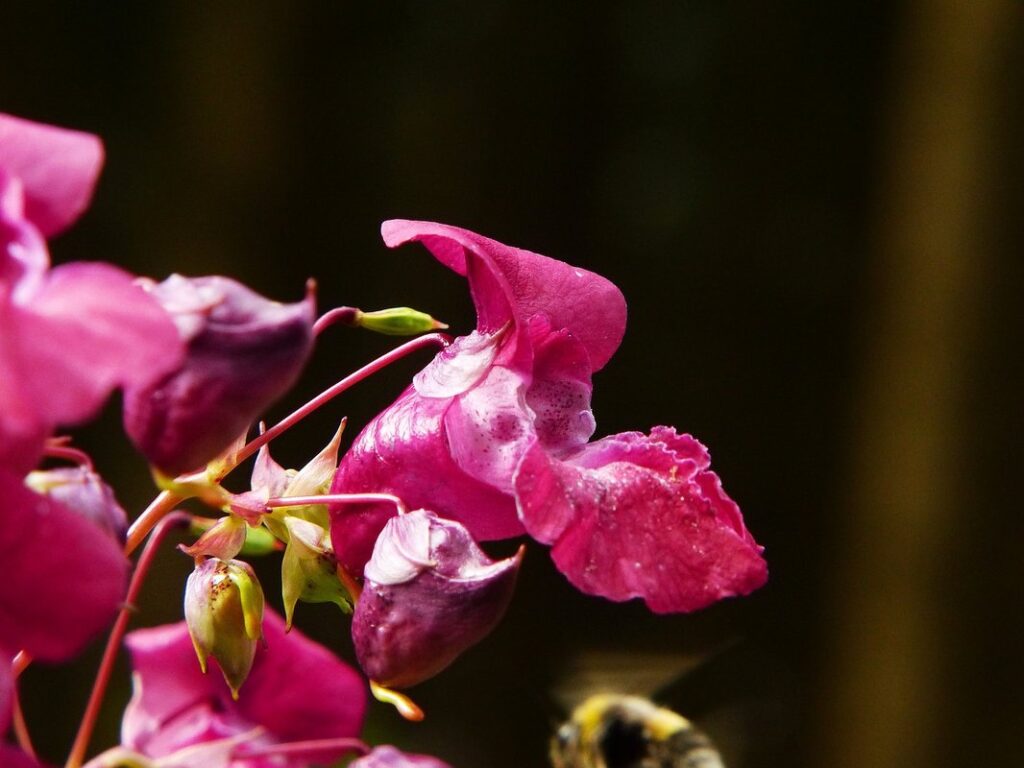
The Science Behind Seed Dispersal
Now that we’ve explored why balsam trees rely on fires, let’s dive into the fascinating science behind how they disperse their seeds in response to these flames.
Importance of Seed Dispersal in Plant Survival
Seed dispersal is more than just a natural process; it’s essential for the survival and spread of plant species like balsam. Without effective seed dispersal, many plants would be unable to reproduce, propagate, and adapt to their environments.
For instance, if all balsam seeds were dispersed from the same area, they’d be highly susceptible to disease and pests, leading to a rapid decline in population. Conversely, when seeds are carried by wind, water, or animals over longer distances, they’re more likely to establish themselves in new areas with favorable conditions.
This process also allows plants like balsam to escape harsh microclimates, genetic bottlenecks, and other limitations that might hinder their growth. As a result, seed dispersal contributes significantly to the maintenance of biodiversity, as various species can spread and intermingle with others.
In the case of balsam, its unique strategy for firing seeds into the air (as we’ll explore in greater detail later) plays a crucial role in ensuring its survival and proliferation. By understanding this vital process, you can gain a deeper appreciation for the intricacies of plant biology and perhaps even apply some of these principles to your own gardening practices!
Types of Seed Dispersal Methods
Seeds have evolved various strategies to ensure their survival and propagation. One of the primary methods is wind dispersal, where seeds are released into the air and carried away by wind currents. This process can be facilitated through adaptations such as explosive seed pods or lightweight seeds with feathery appendages.
Balsam trees utilize this method by producing catkins that release seeds when ripe. The seeds are then dispersed by wind, often traveling long distances before germinating. Water dispersal is another method employed by some plants, where seeds are carried away by water currents. This process can be seen in aquatic plants such as lotus and water lilies.
Animals also play a significant role in seed dispersal, with many plants relying on them to transport their seeds. This can occur through various mechanisms, including endozoochory (seeds being digested and then excreted by animals), epizoochory (seeds adhering to animal fur or feathers), or even myrmecochory (ants carrying seeds back to their colonies).
Balsam trees have been observed to utilize the latter method, with ants playing a crucial role in seed dispersal. This unique relationship highlights the intricate and often symbiotic relationships between plants and animals in the natural world.
Unique Features of Balsam Seeds
Balsam seeds are equipped with unique features that enable them to disperse efficiently through fire. One of these features is the presence of a seed coat containing a waxy substance called mucilage. This sticky coating helps to protect the seed from damage and allows it to adhere to animal fur, clothing, or other objects, increasing its chances of being carried away from the parent plant.
Another notable feature of balsam seeds is their ability to withstand high temperatures. When exposed to heat, the seed coat expands and becomes brittle, causing it to crack open and release the seed inside. This process allows the seed to be dispersed far from the parent plant, often in areas with favorable growing conditions.
In addition to these features, balsam seeds also contain a small amount of explosive chemicals that are released when exposed to heat. These compounds help to break open the seed coat, allowing the seed to escape and disperse more easily. This unique combination of features makes balsam seeds highly effective at dispersing through fire, allowing them to colonize new areas and propagate their species.
The Mechanism of Balsam’s Explosive Seed Release
Let’s dive into the fascinating mechanism behind balsam’s explosive seed release, a process that’s both intriguing and essential for its survival. We’ll explore the intricacies of this remarkable phenomenon.
Anatomy of the Balsam Fruit and Seed Structure
The balsam fruit’s unique structure plays a crucial role in its explosive seed release mechanism. The fruit itself is a berry-like capsule, commonly referred to as an elaisosome, which contains multiple seeds encased within a single fruitpod. This pod serves as a critical component of the explosive mechanism.
As the balsam fruit matures and dries out, it undergoes a process called desiccation, where the water content inside the seedcoat diminishes significantly. This reduction in moisture triggers an enzymatic reaction that breaks down the cell walls within the seedpod, releasing a large amount of gas pressure buildup. When this pressure reaches a critical point, the explosive mechanism is triggered, forcing the seeds to be explosively ejected from the fruit.
This process is often accompanied by a characteristic loud cracking sound, signaling the successful release of the seeds. The unique anatomical features of the balsam fruit and seed structure enable this remarkable phenomenon, allowing the plant to disperse its seeds efficiently over long distances. By understanding the intricacies of the explosive mechanism, we can gain valuable insights into the adaptive strategies employed by plants like the balsam to ensure their survival in diverse environments.
Factors Influencing Seed Release
When it comes to the explosive release of balsam seeds, environmental factors play a significant role. Temperature is one such factor that triggers seed release. Balsam plants require a certain level of chill hours to produce viable seeds. Typically, temperatures between 35°F and 45°F (2°C and 7°C) help induce dormancy in the seed pods. As the temperature drops or rises above this range, it can signal the plant to release its seeds.
Moisture is another crucial factor that influences seed release. Balsam plants thrive in humid environments, and a certain level of moisture in the soil helps them prepare for seed dispersal. When the soil becomes too dry, the seed pods may remain dormant, waiting for optimal conditions to burst open. On the other hand, excessive moisture can also hinder seed release.
Wind speed is another environmental factor that contributes to balsam’s explosive seed release. Light winds or gentle breezes help disperse seeds over short distances, allowing them to settle in suitable environments. Strong winds, however, can scatter seeds too far and wide, potentially affecting their viability and germination rates.
Comparative Analysis with Other Plant Species
Balsam’s unique seed release mechanism has piqued interest among botanists and scientists, who are eager to understand its intricacies. To gain a deeper understanding of this phenomenon, it’s essential to compare and contrast balsam’s explosive seed release with other plant species.
One notable example is the morning glory (Ipomoea purpurea), which also exhibits an explosive seed dispersal mechanism. However, unlike balsam, morning glories rely on explosive force generated by a gas bubble within the fruit wall to disperse their seeds. In contrast, balsam’s explosive seed release is facilitated by a complex interplay of mechanical and chemical processes.
Other plant species, such as the okra (Abelmoschus esculentus), utilize wind-driven mechanisms for seed dispersal. Meanwhile, plants like the willow (Salix spp.) rely on water flow to disperse their seeds. The varying strategies employed by different plant species highlight the adaptability and diversity of seed dispersal mechanisms in nature.
It’s worth noting that studying these contrasting methods can provide valuable insights into balsam’s unique mechanism and potentially lead to new discoveries and applications in agriculture, horticulture, or other related fields.
How Balsam’s Explosive Seed Release Affects Ecosystems
When balsam plants explode their seeds, it creates a ripple effect throughout the ecosystem, influencing everything from nutrient cycles to local wildlife populations. Let’s dive into how this process affects the delicate balance of nature.
Impacts on Biodiversity and Ecosystem Balance
When balsam plants release their seeds through explosive dispersal, it can have significant impacts on local biodiversity and ecosystem balance. This unique seed dispersal method can spread seeds far beyond the parent plant’s immediate surroundings, potentially altering the landscape in profound ways.
For native species, this rapid expansion of non-native balsam can lead to competition for resources such as light, water, and nutrients. As balsam plants establish themselves in new areas, they may outcompete native species that have evolved over thousands of years to occupy specific ecological niches. This shift in dominance can disrupt delicate ecosystem balances, potentially leading to changes in pollinator populations, altered food webs, or even a decline in biodiversity.
In some cases, invasive balsam plants may also facilitate the spread of other non-native species through their extensive root systems and dense canopies, which can create an ‘ecological vacuum’ that favors the growth of aggressive invaders. By understanding these potential impacts on local ecosystems, land managers and conservationists can take proactive steps to mitigate the effects of balsam seed dispersal and protect native plant populations.
Comparison with Other Seed Dispersal Methods
When comparing balsam’s explosive seed release with other methods used by plants to disperse their seeds, it becomes clear that each method has its unique advantages and disadvantages. Some plants, such as cottonwood trees, rely on the wind for dispersal, releasing cotton-like tufts of fluff that carry seeds away from the parent tree. This method is often seen in open areas where strong winds can be beneficial.
Other plants, like those in the genus Viola, use water to disperse their seeds. These tiny seeds are designed to float on water and can travel long distances before germinating. In contrast, balsam’s explosive seed release is a more dramatic approach that involves exploding its seeds into the air, often over 100 feet away from the parent plant.
The key advantage of balsam’s method is its ability to reach areas that would be inaccessible through other means. By releasing seeds explosively, balsam can colonize new territories and increase its genetic diversity. However, this method also comes with risks, such as overdispersal or competition from other plants in the newly colonized area.
It’s worth noting that while other methods may have their benefits, explosive seed release is a highly effective way for balsam to adapt to changing environments and ensure its survival.
Conservation Implications
When balsam’s explosive seed release occurs, it can have significant conservation implications for surrounding ecosystems. One of the primary concerns is the impact on native plant species. The sudden explosion of seeds can lead to an overabundance of balsam growth, potentially crowding out other vegetation and altering the ecosystem’s delicate balance.
In some areas, this has led to a decline in biodiversity as native plants struggle to compete with the invasive balsam. For example, in the Adirondack Mountains, studies have shown that the explosive seed release of balsam can reduce the cover of native shrubs by up to 30%. This not only affects the local flora but also has a ripple effect on fauna populations.
To mitigate these effects, conservation efforts often focus on controlling balsam growth through manual removal or targeted herbicide application. However, this approach requires careful consideration and planning to avoid further disrupting the ecosystem. In some cases, ecologists are exploring alternative methods, such as using biological controls like insects that specifically target balsam seed pods.
Cultural Significance and Human Interaction with Balsam Seeds
Balsam seeds have been a part of various cultural practices for centuries, holding spiritual and practical significance for many communities worldwide. Let’s explore how these seeds interact with humans on a deeper level.
Historical Uses of Balsam Seeds in Medicine and Rites
Balsam seeds have been used for centuries in various traditional medicine and ritualistic practices. In many Indigenous cultures, balsam seeds were highly valued for their medicinal properties, particularly in treating wounds, reducing inflammation, and relieving pain. The indigenous peoples of Eastern Canada and the northeastern United States believed that the seeds had antibacterial and antifungal properties, making them effective against infections.
In traditional medicine, balsam seeds were used to treat a range of ailments, from burns and scalds to fever and rheumatism. They were also used in rituals to purify and protect individuals, as well as to bring good fortune and prosperity. For example, the Mi’kmaq people of Eastern Canada would use balsam seeds to make tea that was believed to have healing properties, while the Ojibwe people would use them in smudging ceremonies to cleanse and purify their communities.
The historical uses of balsam seeds in medicine and rites demonstrate the significance of these plants in the cultural heritage of Indigenous peoples.
Modern-Day Applications and Challenges
In modern times, balsam seed dispersal has become increasingly relevant due to its significant impact on ecosystems. One of the major concerns is the potential for invasive species issues. Balsam fir seeds can spread rapidly and outcompete native vegetation, leading to changes in forest composition and structure.
For instance, in eastern North America, balsam fir has been implicated in the decline of red spruce populations due to competition for resources. This highlights the need for careful management strategies when introducing non-native species into an ecosystem.
Another challenge arises from the use of balsam fir seeds as a food source for wildlife. While they can provide essential nutrients during times of scarcity, over-reliance on this resource can lead to population declines in dependent species.
To mitigate these risks, it’s essential to adopt responsible practices when handling balsam seed dispersal. This includes proper identification and labeling of non-native seeds, as well as education and outreach programs for landowners and managers.
Future Research Directions
As we delve into the fascinating world of balsam seed dispersal, it’s essential to consider the future research directions that can further our understanding of this intricate process. One area of investigation could be the impact of climate change on balsam fire dynamics and seed dispersal patterns. Rising temperatures and altered precipitation patterns may alter the frequency and intensity of fires, potentially affecting seed viability and germination rates.
Researchers may also want to explore the role of human activity in shaping balsam seed ecology. For instance, controlled burns can be an effective tool for maintaining ecosystem balance, but they can also inadvertently promote invasive species growth. Investigating the consequences of these interactions could provide valuable insights into sustainable land management practices.
Another promising area of research is the examination of balsam’s chemical composition and its relationship to seed germination. By isolating specific compounds responsible for inducing dormancy or promoting germination, scientists may uncover novel approaches to seed propagation and forest restoration.
Conclusion: The Complexities of Balsam’s Seed Dispersal Strategy
Now that we’ve explored how balsam fires its seeds, let’s dive into the complexities and nuances of this unique seed dispersal strategy. This intricate process deserves our attention to truly understand its mechanisms.
Recap of Key Points
In conclusion to our comprehensive guide on balsam’s seed dispersal strategy, let’s recap the key points covered. We’ve explored the science behind balsam’s unique method of firing its seeds through explosive release, which is crucial for its survival and propagation.
Balsam trees rely on their ability to produce large quantities of seeds that are dispersed by fire, a process known as serotiny. This adaptation allows them to take advantage of natural disturbances, such as forest fires, to spread their seeds far and wide. As we discussed earlier, balsam seeds can remain dormant for up to 20 years before being triggered to germinate by heat.
We’ve also highlighted the importance of this seed dispersal strategy in shaping the ecosystems where balsam trees thrive. By relying on fire, balsam trees have developed a unique relationship with their environment, influencing local vegetation patterns and creating a complex web of interactions with other species.
In practical terms, understanding balsam’s seed dispersal strategy can inform forest management practices, particularly in areas prone to wildfires. By embracing this natural process, conservation efforts can promote the growth and resilience of balsam populations, while also preserving biodiversity.
Final Thoughts and Recommendations
As we conclude our comprehensive guide to balsam’s unique seed dispersal strategy, it’s essential to consider the implications and potential applications of this fascinating process. Balsam’s ability to ignite its seeds can have significant consequences for conservation efforts and ecosystem management.
For instance, understanding how balsam fires its seeds can inform strategies for restoring and preserving native ecosystems. By leveraging this natural mechanism, conservationists may be able to develop more effective methods for reintroducing balsam populations or promoting coexistence with other species.
In practical terms, researchers could investigate ways to harness the power of seed ignition in controlled environments, such as greenhouses or laboratories. This knowledge could have far-reaching implications for agriculture and horticulture, where precision seed dispersal can improve crop yields and reduce waste.
Ultimately, continued research into balsam’s remarkable seed dispersal strategy holds promise for advancing our understanding of plant biology and ecology.
Frequently Asked Questions
What are the ideal conditions for a balsam fir to release its seeds explosively?
Balsam firs typically release their seeds when the cones mature and open, usually after a natural fire or during periods of intense heat stress. However, optimal seed dispersal occurs in areas with moderate temperatures (around 60-70°F) and high humidity.
Can explosive seed dispersal be replicated artificially to aid reforestation efforts?
While it’s theoretically possible to simulate the process through controlled burns or mechanical means, such attempts can be unpredictable and may not fully replicate the natural mechanisms behind balsam fir seed release. Natural methods remain more effective for ensuring species survival and adaptation.
How do wildfires impact the regeneration of balsam firs in an ecosystem?
Wildfires can create opportunities for balsam fir regeneration by opening up space, reducing competition from other vegetation, and potentially providing a boost to seed germination rates. However, frequent or severe fires can also lead to population decline and reduced biodiversity.
Are there any specific conservation strategies that prioritize the preservation of balsam fir habitats?
Conservation efforts often focus on protecting and restoring old-growth forests, maintaining fire-resistant tree species, and reintroducing native wildlife populations to promote a balanced ecosystem. Additionally, habitat restoration projects involving controlled burns or seed dispersal can help rejuvenate depleted areas.
Can I plant balsam seeds in my garden, and what are the necessary precautions?
Yes, you can attempt to cultivate balsam fir trees from seed; however, it’s essential to replicate natural conditions, such as providing adequate moisture, maintaining a cool temperature (around 40-50°F), and mimicking the slow germination rate typical of wild seeds. Be cautious of overwatering, which can lead to poor seedling establishment or death.