
Potatoes are one of the world’s most widely consumed staple foods, but have you ever wondered how they’re carefully plucked from the earth? From small-scale farms to large-scale industrial operations, potato harvesting is an intricate process that requires precision and care. As it turns out, there’s more to harvesting potatoes than just digging them up – it’s a delicate dance of mechanical techniques, manual methods, and post-harvest handling that ensures optimal yields while minimizing waste.
In this article, we’ll take you on a journey through the art of potato harvesting, exploring the various techniques used today. We’ll delve into emerging trends in technology, like precision agriculture and robotics, which are revolutionizing the way potatoes are harvested. Along the way, we’ll also touch on sustainability considerations that can help minimize environmental impact while maximizing yields. Whether you’re a seasoned farmer or simply curious about where your potatoes come from, this comprehensive guide has got you covered!
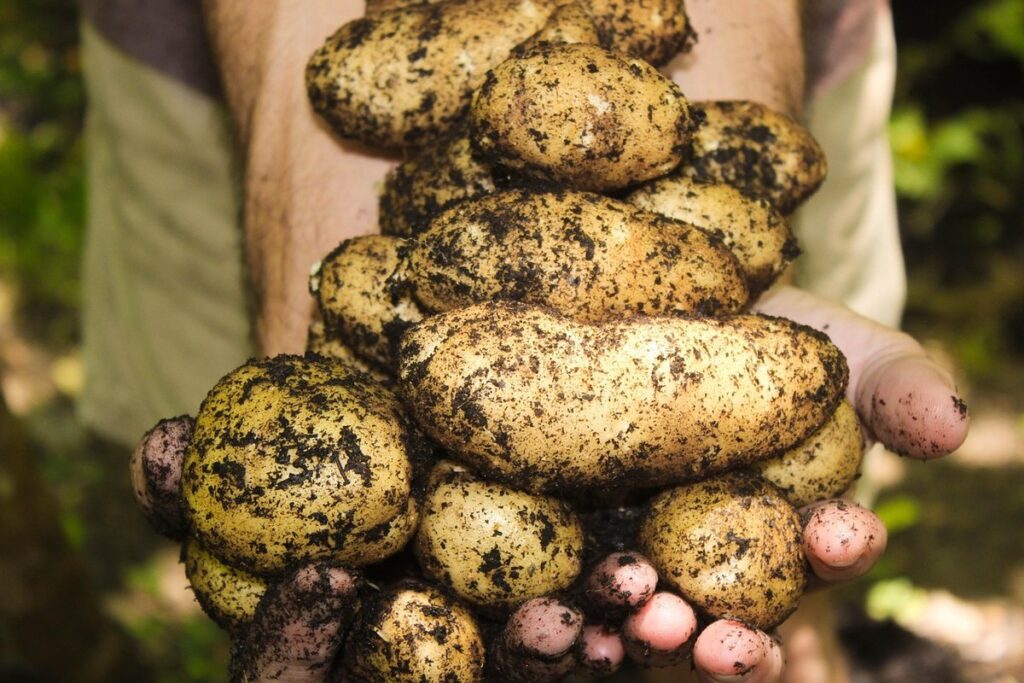
Understanding Potato Growth and Maturity
To harvest potatoes successfully, it’s essential to understand their growth stages and how to identify maturity, which can be a bit tricky. Let’s dive into the specifics of potato growth and maturity.
Factors Influencing Potato Maturity
Potato maturity is significantly influenced by several key factors. Weather conditions play a crucial role in determining when potatoes are ready for harvest. For instance, excessive rainfall can cause tubers to rot, while drought can lead to stunted growth and reduced yields. Soil quality also impacts potato maturity, as well-draining soils with adequate nutrients promote healthy root development.
Genetic traits of the potato variety can also influence maturity. Some varieties mature faster than others, and choosing a suitable variety for your climate and growing conditions is essential. For example, ‘Russet’ potatoes typically take around 100 to 120 days to mature, while ‘Yukon Gold’ takes about 90 to 110 days.
It’s essential to monitor these factors closely to determine the optimal harvest timing. Regularly inspecting potato fields for signs of maturity, such as yellowing leaves and soft soil, can help you decide when to start harvesting. By considering weather conditions, soil quality, and genetic traits, you’ll be better equipped to plan your harvest and maximize yields.
Assessing Potato Readiness for Harvest
Assessing potato readiness for harvest is a critical step that requires attention to detail and experience. Farmers typically start by digging test trenches around the field, usually 4-6 weeks before the estimated harvest date. These trenches provide valuable insight into the size and color of the tubers, indicating their maturity level.
When evaluating tuber size, farmers look for a minimum diameter of about 2-3 inches (5-7.5 cm). This is a general guideline, as some varieties may mature earlier or later than others. Checking the color of the skin is also important – mature potatoes tend to develop a deeper color, often ranging from light brown to dark purple.
Another method farmers use is called “squeezing.” They gently squeeze one end of the tuber to assess its readiness for harvest. A ripe potato will yield slightly to pressure but should not be too soft or mushy. By combining these visual and tactile assessments, farmers can determine when their potatoes are ready for harvesting, ensuring they’re picked at the optimal stage of maturity.
Mechanical Harvesting Techniques
When it comes to harvesting potatoes on a larger scale, mechanical techniques are often the most efficient and cost-effective method. This section explores the various machines used for mechanical harvesting.
Overview of Mechanized Potatoes Harvesters
Mechanized potato harvesters have revolutionized the way potatoes are harvested, increasing efficiency and reducing labor costs. These machines come in various types, including front-wheel assist harvesters, trailed beet-lift harvesters, and self-propelled harvesters. Each type is designed to handle specific harvesting needs and soil conditions.
A typical mechanical harvester consists of a series of components: a cutting unit, a lifting mechanism, and a conveying system. The cutting unit uses specialized tools to sever the potato plants from the soil, while the lifting mechanism gently lifts the cut plants into the machine’s hopper. From there, the potatoes are conveyed to storage bins or directly to a collection point.
Mechanized harvesters offer several advantages over manual harvesting, including faster speeds and reduced labor costs. However, their limitations include high initial investment costs and dependence on suitable soil conditions. In areas with rocky or uneven terrain, trailed beet-lift harvesters may be more effective than self-propelled models. When choosing a mechanical harvester, it’s essential to consider the specific needs of your farm, including soil type, crop density, and harvesting capacity.
Factors to Consider When Choosing a Harvester
When selecting a harvester for potato harvesting, there are several key factors to consider. First and foremost, you need to think about the soil type on your farm. Different harvesters are designed to handle different types of soil, so it’s essential to choose one that can navigate rough or smooth terrain with ease.
Crop density is another critical consideration. If your potatoes are planted closely together, you’ll need a harvester that can efficiently extract them without damaging the crop. On the other hand, if your spacing is wider, a less dense harvester may be sufficient.
Harvesting efficiency is also crucial to maximize yields and minimize costs. Consider how quickly the harvester can process the potatoes, as well as its fuel efficiency and maintenance requirements. For example, some harvesters are designed for high-speed harvesting, which can save time but may require more frequent maintenance. Others prioritize gentle handling of the crop, which can lead to higher yields but may compromise on speed. Ultimately, you need to weigh these factors against your specific farm needs and goals.
Manual Harvesting Methods
When it comes to harvesting potatoes, many farmers and gardeners still rely on traditional manual methods that require a bit of elbow grease. We’ll walk you through these techniques in more detail below.
Hand-Digging Techniques for Small-Scale Farmers
For small-scale farmers, hand-digging potatoes is an essential technique that requires precision and care. This method involves manually digging up the potatoes from the soil using a tool such as a fork, spade, or cultivator. It’s particularly useful for farmers who have limited access to machinery or prefer a more labor-intensive approach.
Hand-digging allows farmers to inspect the tubers individually, ensuring that they are not damaged during harvesting. This method also enables farmers to remove any weeds and debris from around the plants, promoting soil health. However, hand-digging can be time-consuming and labor-intensive, especially for larger plots of land.
To hand-dig potatoes effectively, farmers should start by carefully loosening the soil around each plant with a fork or spade. Next, gently dig under the plants to expose the tubers without damaging them. It’s essential to remove any rocks or debris from the soil to prevent damage to the tubers during digging. By following these steps and taking the time to inspect the tubers individually, small-scale farmers can harvest their potatoes with care and precision using this traditional hand-digging technique.
Tools and Equipment Used for Manual Harvesting
Manual harvesting requires specialized tools and equipment to ensure efficient and effective removal of potatoes from the soil. Farmers typically use a combination of spades, forks, and rakes to carefully dig around each plant without damaging the tubers.
A sturdy garden fork is an essential tool for manual harvesting, allowing farmers to gently loosen the soil around the potato plants without causing damage. The tines on a garden fork are designed to penetrate the earth while minimizing disturbance to the surrounding area.
Spades are also widely used for manual harvesting, particularly when the soil is heavy or clay-based. A sharp-edged spade enables farmers to dig more efficiently and with less strain, reducing the risk of damaging the potatoes.
Rakes are often employed in the final stages of harvesting to remove any remaining soil from the tubers. These tools come in various sizes and materials, including lightweight plastic options for smaller operations or heavy-duty steel rakes for larger commercial farms.
Regular maintenance is crucial for these tools to ensure they remain sharp and effective throughout the harvesting season. A well-maintained spade or fork can significantly reduce labor time and minimize waste.
Post-Harvest Handling and Storage
Once you’ve carefully harvested your potatoes, it’s essential to handle them properly to maintain their quality and prevent spoilage. Effective post-harvest handling and storage will help you enjoy your harvest for weeks to come.
Potato Grading and Sorting Systems
Grading and sorting potatoes after harvest is a critical step that significantly affects their quality, shelf life, and market value. Proper grading and sorting ensure that only the best tubers reach consumers while minimizing waste and losses for farmers. This process involves evaluating potatoes based on factors like size, shape, color, defects, and moisture content.
There are several types of potato grading and sorting systems used globally, including optical sorting machines and mechanical graders. Optical sorters use cameras to detect and eliminate defective or unwanted tubers with high accuracy. Mechanical graders utilize conveyor belts and rollers to separate potatoes based on size, weight, and shape. Another type is the air-jet separator, which uses a combination of air jets and vibrating screens to remove dirt, debris, and defects.
When selecting a grading and sorting system, it’s essential for farmers to consider factors like efficiency, capacity, cost-effectiveness, and maintenance requirements. Implementing an effective grading and sorting process can help farmers optimize their yields while improving product quality and meeting consumer demands.
Proper Storage Conditions for Potatoes
Proper storage conditions are crucial to maintaining the quality and longevity of potatoes after harvesting. When storing potatoes, it’s essential to maintain a consistent temperature between 40°F (4°C) and 50°F (10°C). This temperature range slows down the production of ethylene gas, which can cause potatoes to spoil quickly.
The ideal humidity level for potato storage is around 80-90%. High humidity helps to prevent moisture loss from the tubers, but be careful not to overdo it – excessive moisture can lead to rot. To achieve the right balance, you can cover the storage area with a breathable material like burlap or use a humidifier.
Ventilation is also vital for maintaining healthy potatoes. Make sure there’s good air circulation around the stored tubers to prevent moisture buildup and reduce the risk of disease. A fan or ventilation system can help achieve this. Additionally, store potatoes in a dark place, as light exposure can cause them to turn green and produce toxic compounds.
When storing potatoes, it’s also essential to monitor their condition regularly and remove any that show signs of spoilage to prevent further deterioration.
Environmental Impact of Potato Harvesting
As we explore the process of potato harvesting, it’s essential to consider the environmental impact that comes with it. We’ll delve into how modern farming practices are affecting our planet and what you can do to make a difference.
Sustainability Considerations in Potato Farming
When it comes to potato harvesting, sustainability considerations are essential for minimizing the environmental impact of this process. Soil erosion is a significant concern, as intensive farming practices can lead to soil degradation and loss of fertility. To mitigate this, farmers can adopt conservation tillage techniques, which reduce soil disturbance and preserve organic matter.
Water pollution is another pressing issue in potato farming. Irrigation systems can leach chemicals and fertilizers into water sources, affecting local ecosystems. Sustainable irrigation methods, such as drip irrigation, can significantly reduce water waste and minimize chemical runoff.
Energy consumption is also a critical factor to consider. Conventional harvesting equipment often relies on fossil fuels, contributing to greenhouse gas emissions. To address this, farmers can explore alternative energy sources, like solar or wind power, for powering equipment. By implementing these sustainable practices, potato farmers can not only reduce their environmental footprint but also improve crop yields and overall efficiency.
Climate Change Implications on Potato Yields
Climate change is posing a significant threat to potato yields worldwide. Rising temperatures are causing heat stress, which can lead to reduced tuber formation and lower yields. Altered precipitation patterns are also affecting potato growth, with droughts or excessive moisture leading to poor crop quality. Moreover, changing weather conditions are increasing the susceptibility of potatoes to diseases such as late blight.
For instance, a study in the UK found that for every 1°C increase in temperature, potato yields decrease by around 10%. In Ireland, extreme weather events have resulted in significant losses for farmers. To mitigate these effects, farmers can adopt climate-resilient crop varieties and implement more efficient irrigation systems. They can also adjust their planting dates to avoid heat stress or excess moisture.
By understanding the implications of climate change on potato yields, farmers can take proactive steps to adapt and improve their harvests. This includes monitoring weather forecasts, using precision agriculture techniques, and integrating crop rotation and cover cropping practices into their farming routines.
Emerging Trends in Potato Harvesting Technology
As we explore the art of potato harvesting, let’s take a look at some of the exciting emerging trends in technology that are revolutionizing the way potatoes are harvested today. From precision farming to automation, discover what’s new and next.
Autonomous Farming Systems and Robotics
Autonomous farming systems and robotics are transforming potato harvesting, offering increased efficiency and precision. These technologies utilize artificial intelligence, sensors, and machine learning to automate various stages of the harvesting process, from crop monitoring to mechanical handling. For instance, autonomous tractors equipped with GPS and computer vision can identify optimal harvest timing and navigate fields without human intervention.
One potential benefit of these systems is reduced labor costs, which can be significant in manual potato harvesting operations. However, their implementation also raises concerns about equipment maintenance, data security, and adaptability to different soil types and crop varieties. To maximize benefits, farmers should carefully assess their specific needs and choose the right technology stack for their operation.
Some pioneering examples of autonomous farming systems include drones that detect signs of stress in potato crops and automated harvesters capable of sorting and grading tubers in real-time. As these technologies continue to evolve, it’s essential for growers to stay informed about their capabilities and limitations, enabling them to make data-driven decisions and optimize their harvesting processes accordingly.
Precision Agriculture Techniques for Improved Yields
Precision agriculture techniques are revolutionizing potato harvesting by optimizing yields and reducing waste. By leveraging advanced technology, farmers can now monitor crop health, manage soil moisture levels, and apply fertilizers with precision.
Crop monitoring involves using drones or satellite imaging to track crop growth, detecting early signs of stress, disease, or pests. This allows for timely interventions, minimizing yield loss and promoting healthy plant development. Soil moisture management is another critical aspect, as it directly impacts potato quality and yields. By installing sensors that monitor soil moisture levels, farmers can optimize irrigation schedules, avoiding over-watering and reducing water consumption.
Variable rate application (VRA) is a precision agriculture technique where fertilizers or pesticides are applied at varying rates depending on the crop’s specific needs. This approach ensures that resources are used efficiently, reducing waste and environmental impact. For instance, if one section of the field requires more nitrogen than another, VRA can be programmed to deliver exactly what the crop needs, resulting in healthier plants and higher yields.
By implementing these precision agriculture techniques, potato farmers can significantly improve their harvests while minimizing environmental footprint.
Conclusion: Optimizing Potato Harvesting Practices
As you conclude your potato harvesting journey, it’s essential to reflect on the practices you’ve implemented. By now, you’re familiar with the importance of careful planning, precise timing, and efficient techniques. To optimize your harvesting process, consider maintaining a detailed record of each crop cycle. This will enable you to track progress, identify areas for improvement, and refine your methods over time.
For instance, note down factors like soil conditions, weather patterns, and pest management strategies. This documentation will serve as a valuable resource for future seasons, allowing you to fine-tune your techniques and maximize yields. By adopting this habit of continuous improvement, you’ll become an expert in potato harvesting and ensure the success of your crops year after year.
Frequently Asked Questions
What are the key weather conditions that influence potato maturity?
Weather conditions like temperature, sunlight hours, and rainfall significantly impact potato growth and maturity. Aim for a combination of moderate temperatures (around 60-70°F) and adequate moisture levels to promote optimal tuber development.
How do I identify potato damage during harvesting, and what can be done about it?
Inspect potatoes carefully for bruises, cracks, or soft spots that may have developed during the harvest process. Yes, minor bruising might not affect quality significantly, but extensive damage should be addressed through proper handling and storage techniques to minimize spoilage.
Can I use a mechanized harvester for small-scale potato farming, or are they only suitable for large operations?
While mechanized harvesters can be more efficient for larger areas, there are compact models designed specifically for smaller farms. Consider factors like land size, soil type, and your specific needs when choosing the right equipment.
How do I store harvested potatoes to maintain their quality and extend shelf life?
For optimal storage conditions, keep potatoes in a cool (around 40-50°F), dark area with high humidity levels. Avoid storing them near fruits or vegetables that release ethylene gas, which can accelerate spoilage. Yes, proper storage can significantly extend the shelf life of harvested potatoes.
What are some common issues that might arise during mechanized potato harvesting, and how can I troubleshoot them?
Be prepared to address common problems like uneven cutting, tangled vines, or equipment malfunction. Consult your harvester’s manual, consider seeking professional advice if needed, and maintain regular equipment checks to minimize downtime and ensure efficient harvesting operations.