
Are you looking to spice up your cooking routine with a punch of heat and flavor? Look no further than the humble hot small yellow pepper! These tiny, yet mighty peppers are a staple in many cuisines around the world, adding a burst of intense heat and depth to dishes. But their uses go beyond just adding heat – they also bring out the natural flavors of ingredients, making them a favorite among chefs and home cooks alike.
In this article, we’ll delve into the origins, benefits, and versatility of hot small yellow peppers in cooking. We’ll explore how to grow your own, plus some clever substitutes if you can’t get your hands on fresh ones. Whether you’re a seasoned foodie or just starting to experiment with new flavors, you won’t want to miss out on the secrets and tips we’ve gathered for using these incredible little peppers in your kitchen.
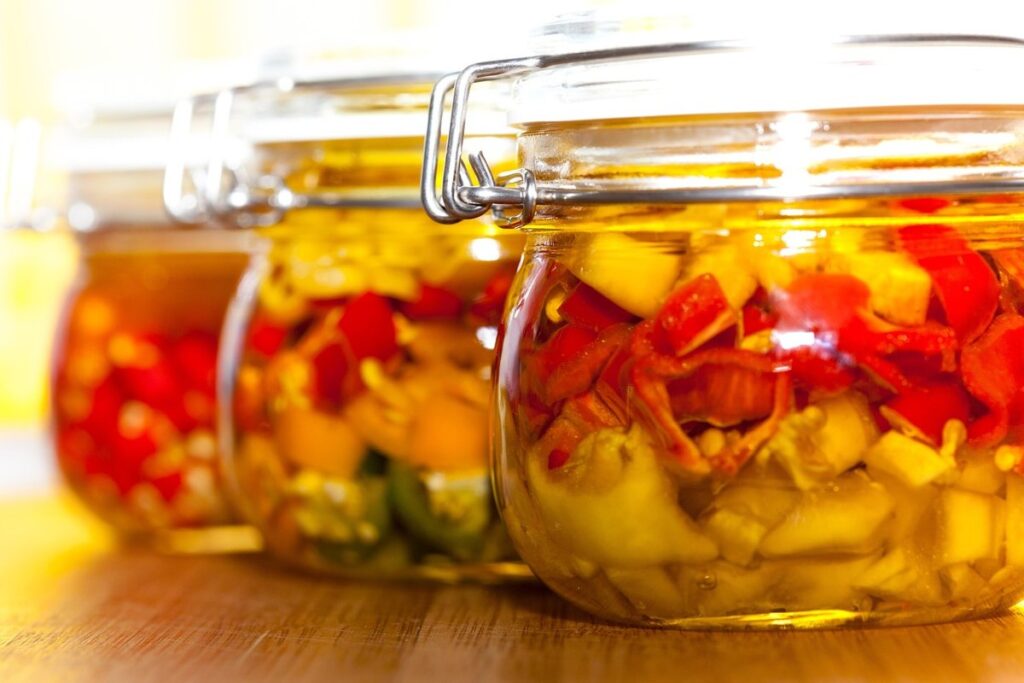
What is the Hot Small Yellow Pepper?
Let’s dive into what makes the hot small yellow pepper unique, from its fiery flavor to its surprising versatility. This little pepper packs a big punch!
Origin and History
The hot small yellow pepper has its roots in Southeast Asia, specifically in Thailand and India. Its origins date back thousands of years to a time when chilies were first domesticated from the wild American Capsicum plant. The earliest recorded use of chili peppers was by the Incas around 3000 BCE, but it’s believed that hot small yellow peppers were first cultivated in the tropical regions of Asia.
Over time, this pepper spread throughout the world as traders and travelers carried them to new lands. In India, for example, the hot small yellow pepper became an essential ingredient in many regional dishes, particularly in the cuisine of southern states like Andhra Pradesh and Tamil Nadu. Similarly, in Thailand, it’s a key component in many spicy sauces and curries.
Today, hot small yellow peppers are used in various cultures around the world to add flavor and heat to a range of dishes. They’re a staple in many Asian cuisines and are also gaining popularity in Western cooking due to their unique flavor profile and versatility. When using hot small yellow peppers, remember that they can be quite potent, so start with a small amount and adjust to taste.
Characteristics and Varieties
The hot small yellow pepper is characterized by its compact size, typically growing to be around 2-3 inches in length. Its bright yellow color and glossy skin make it a standout among other pepper varieties. The fruit’s cylindrical shape and narrow tail at the stem end are also distinguishing features.
There are several varieties of hot small yellow peppers, each with its own unique characteristics and level of heat. Some popular varieties include ‘Bird’s Eye’, ‘Thai Hot Yellow’, and ‘Yellow Cubanelle’. These peppers may differ in their shape, size, and flavor profile, but all retain the signature heat and bright color of the hot small yellow pepper.
When selecting a variety, consider factors such as your desired level of heat, flavor preferences, and intended use. For example, if you’re looking for a sweet and slightly smoky flavor, ‘Yellow Cubanelle’ may be the better choice. If you prefer an intense, fiery heat, ‘Bird’s Eye’ could be the way to go.
Culinary Uses of the Hot Small Yellow Pepper
You’re probably eager to learn how to use the hot small yellow pepper in your cooking, and fortunately for you, it pairs well with a variety of dishes from stir-fries to salads.
Adding Heat to Dishes
When it comes to adding heat to dishes, the hot small yellow pepper is an excellent choice. Its compact size and intense flavor make it perfect for infusing a variety of cuisines with a spicy kick.
In stir-fries, for instance, sliced or diced hot small yellow peppers can be added towards the end of cooking to preserve their crunch and flavor. This not only adds heat but also texture and color to the dish. Try pairing them with your favorite protein, such as chicken or tofu, and serve over steamed rice.
If you prefer a sauce-based approach, hot small yellow peppers can be blended into a paste along with garlic, ginger, and other aromatics to create a bold and spicy sauce. This is perfect for marinades, dipping sauces, or even as a finishing touch for grilled meats or vegetables.
One of the best ways to incorporate hot small yellow peppers into your cooking is to roast them before using them in a recipe. Roasting brings out their natural sweetness, which balances out the heat, creating a more complex and nuanced flavor profile. Experiment with different roasting times and techniques to find your perfect balance of sweet and spicy.
Remember, when working with hot small yellow peppers, it’s essential to handle them carefully to avoid irritation. Wear gloves or use tongs when handling the peppers, and avoid touching your face or eyes after handling.
Enhancing Flavors with Roasting and Grilling
When it comes to enhancing the flavors and textures of hot small yellow peppers, roasting or grilling is an excellent way to bring out their natural sweetness. This process not only adds depth to their flavor but also tenderizes them, making them more palatable.
To roast hot small yellow peppers, preheat your oven to 400°F (200°C). Place the peppers on a baking sheet and drizzle with olive oil, salt, and any other desired spices or herbs. Roast for about 20-25 minutes, turning occasionally until they’re blistered and charred. Remove from heat and let cool before peeling off the skin.
Grilling hot small yellow peppers is also a great option. Simply brush them with olive oil, season with salt and your preferred spices, and grill over medium heat for about 5-7 minutes on each side, or until they’re tender and slightly charred. Once cooled, peel off the skin to reveal the tender flesh.
Roasting and grilling not only elevate the flavor of hot small yellow peppers but also preserve their nutrient-rich properties. By incorporating these techniques into your cooking repertoire, you’ll unlock a whole new world of flavors and textures in your dishes.
Using in Sauces, Marinades, and Rubs
When it comes to adding depth and complexity to sauces, marinades, and rubs, the hot small yellow pepper is an excellent choice. Its bright, citrusy flavor pairs well with a variety of ingredients, from tangy tomatoes to rich meats.
To use the hot small yellow pepper in sauces, try incorporating it into a simple salsa by finely chopping 1-2 peppers and combining them with diced onions, garlic, cilantro, and lime juice. This adds a bold kick without overpowering the other flavors. You can also use the pepper’s heat to balance out sweet or rich sauces like teriyaki or BBQ.
In marinades, the hot small yellow pepper’s acidity helps to break down proteins and tenderize meat. Try mixing 1-2 minced peppers with olive oil, soy sauce, and herbs like thyme or rosemary for a marinade that adds depth without overpowering the dish. For rubs, the pepper’s flavor is best combined with other spices and seasonings to create a complex blend.
Remember to use gloves when handling hot small yellow peppers to avoid irritating your skin, and adjust the amount of pepper to suit your taste.
Health Benefits of the Hot Small Yellow Pepper
Research has shown that consuming hot small yellow peppers can have numerous health benefits, including reducing inflammation and boosting immunity naturally. Let’s dive into some of these incredible advantages!
Antioxidant Properties
The hot small yellow pepper is not only a flavorful addition to many dishes but also packs a punch when it comes to its antioxidant properties. The vibrant yellow color of this pepper is a dead giveaway of its high concentration of carotenoids, including beta-carotene and lutein. These potent antioxidants work tirelessly to neutralize free radicals in the body, protecting cells from damage and reducing inflammation.
Research has shown that regular consumption of hot small yellow peppers can help boost antioxidant levels in the body, which in turn may lower the risk of chronic diseases such as heart disease, cancer, and neurodegenerative disorders. In fact, a study published in the Journal of Agricultural and Food Chemistry found that the antioxidant activity of hot small yellow peppers was comparable to that of popular antioxidants like vitamin C and E.
To reap the benefits of the hot small yellow pepper’s antioxidant properties, aim to include it in your diet at least 2-3 times a week. You can add it to salads, stir-fries, or use it as a topping for sandwiches and wraps. By incorporating this superfood into your meals, you’ll not only add flavor but also provide your body with a powerful dose of antioxidants that can help keep you healthy and disease-free.
Anti-Inflammatory Effects
The hot small yellow pepper is not only a flavorful addition to various dishes but also possesses anti-inflammatory properties that can help alleviate certain health conditions. Chronic inflammation is a major contributor to many diseases, including arthritis, diabetes, and cardiovascular disease. The capsaicin present in the hot small yellow pepper has been shown to inhibit the production of pro-inflammatory enzymes, which play a key role in the development of these conditions.
Research suggests that consuming foods rich in capsaicin can help reduce inflammation and alleviate symptoms associated with conditions such as osteoarthritis and rheumatoid arthritis. A study published in the Journal of Nutrition found that participants who consumed a diet high in capsaicin experienced significant reductions in pain and stiffness compared to those who did not.
To reap the anti-inflammatory benefits of the hot small yellow pepper, you can incorporate it into your meals by adding sliced peppers to stir-fries or salads. You can also use them as a topping for tacos or sandwiches.
Growing and Caring for Hot Small Yellow Peppers
To successfully grow and care for your hot small yellow peppers, understanding their specific needs is crucial. This section will walk you through the essential steps to achieve a bountiful harvest.
Climate and Soil Requirements
Hot small yellow peppers thrive in warm and sunny climates with minimal frost. When selecting a location for growing these peppers, choose an area that receives full sun to partial shade, ideally 6-8 hours of direct sunlight per day. The ideal temperature range for hot small yellow pepper growth is between 65°F (18°C) and 85°F (29°C), with optimal growth occurring at temperatures around 75°F (24°C).
To provide the best possible soil conditions, ensure your garden bed has well-draining, loose soil with a pH between 6.0 and 7.0. Hot small yellow peppers prefer slightly acidic to neutral soil, making them adaptable to various types of soil. To prepare your soil, mix in compost or well-rotted manure to improve its fertility and drainage. A balanced fertilizer can also be applied during the growing season to promote healthy growth.
It’s essential to note that hot small yellow peppers are sensitive to extreme temperatures and frost, making them an ideal choice for container gardens or greenhouses where climate control is possible. By selecting a suitable location with adequate sunlight and preparing your soil accordingly, you’ll set your hot small yellow pepper plants up for success.
Tips for Pruning and Supporting Plants
Pruning hot small yellow pepper plants is essential to promote healthy growth, increase yields, and encourage bushy habits. By removing lower leaves that touch the soil, you can prevent fungal diseases from spreading and reduce moisture retention around the stem. Simply pinch or cut off these leaves with a pair of clean scissors or pruning shears.
To support your hot small yellow pepper plants, provide a trellis or cage to help them grow upright. This will also keep the fruit off the ground, reducing the risk of spoilage and pests. For larger varieties, consider using a stake to anchor the plant against strong winds.
Keep in mind that over-pruning can stress the plant, leading to reduced production. Prune your hot small yellow peppers regularly throughout their growth cycle, focusing on removing weak or spindly growth rather than cutting back the entire plant. With proper pruning and support, you’ll be rewarded with a bountiful harvest of delicious, spicy peppers.
Pest Management and Common Problems
As you nurture your hot small yellow pepper plants, it’s essential to be aware of common pests and problems that may affect their growth. Aphids, whiteflies, and spider mites are among the most prevalent pests that can infest these plants. These tiny insects feed on sap, causing curled or distorted leaves, stunted growth, and a sticky substance called honeydew.
To manage aphid populations, use neem oil or insecticidal soap to gently wipe down the leaves and stems. For whiteflies, introduce natural predators like ladybugs or lacewings into your garden. If spider mites are present, spray the plants with water daily to help dislodge them.
Common problems that may occur in hot small yellow pepper plants include powdery mildew, fungal diseases caused by overwatering and high humidity. To prevent this, ensure good air circulation around the plants and avoid watering at night. Regularly inspect your plants for any signs of disease or pests, taking prompt action to address issues before they spread.
Substitutes and Alternatives for the Hot Small Yellow Pepper
If you’re struggling to find or can’t get your hands on hot small yellow peppers, don’t worry, there are plenty of substitutes to try. We’ll explore some alternatives and their uses below.
Other Spicy Peppers
If you’re looking for alternatives to the hot small yellow pepper, there are several other spicy peppers that can add a similar kick to your dishes. One popular option is the Thai chili, also known as bird’s eye chili. This pepper has a bright, fiery flavor and a moderate level of heat, making it a great substitute in many recipes.
Another alternative is the Serrano pepper, which has a similar size and shape to the hot small yellow pepper but packs an even bigger punch. Its intense heat makes it perfect for adding a spicy kick to salsas, salads, and other dishes.
If you’re looking for something with a slightly sweeter flavor, consider using Jalapeño peppers. While not as hot as some of the other options on this list, they still bring a moderate level of heat and are a great addition to many Mexican and Southwestern-style dishes.
Keep in mind that when substituting peppers, it’s essential to adjust the quantity according to your taste preferences and the specific recipe you’re using. Start with small amounts and add more as needed to avoid overpowering your dish.
Non-Pepper Options for Adding Heat
If you’re looking to add heat to your dishes without using the hot small yellow pepper itself, there are several non-pepper options available. Spices and seasonings can be a great way to add depth and heat to your cooking.
One of the most popular alternatives is cayenne pepper’s cousin – red chili powder. Made from dried and ground red chilies, this spice can add a similar level of heat to your dishes as the hot small yellow pepper. Use it sparingly, as it can be quite potent. Another option is smoked paprika, which has a smoky flavor and a moderate level of heat.
If you’re looking for something a bit more subtle, try using Korean chili flakes, also known as gochugaru. These flakes have a slightly sweet and nutty flavor, making them a great addition to dishes like stir-fries or soups. You can also experiment with different types of mustard seeds, such as brown or black mustard seeds, which can add a pungent flavor and some heat.
When using any of these alternatives, remember that a little goes a long way. Start with small amounts and adjust to taste, as the heat level can quickly escalate.
Conclusion and Final Thoughts
Now that you’ve learned all about the hot small yellow pepper, let’s recap what we’ve covered and reflect on its unique characteristics.
Recap of Key Points
In conclusion to our comprehensive guide on the hot small yellow pepper, let’s recap some of the key points we’ve covered. As you now know, these peppers are a type of Capsicum annuum that pack a punch when it comes to heat and flavor.
We’ve discussed their unique characteristics, including their compact size, thin walls, and bright yellow color. These features make them an excellent choice for adding a burst of heat to various dishes. From the Scoville heat unit rating, which ranges from 10,000 to 23,000 SHU, we’ve seen that these peppers are relatively mild compared to other hot peppers.
Their flavor profile is often described as sweet and slightly smoky, making them an excellent addition to grilled meats, stir-fries, and sauces. We’ve also explored the different ways to prepare and preserve hot small yellow peppers, including roasting, freezing, and pickling. By following these tips, you can enjoy their unique flavor and heat all year round.
Remember, when working with hot peppers, it’s essential to handle them safely and use protective gear to avoid irritating your skin and eyes.
Tips for Future Exploration
Now that you’ve learned about the history, cultivation, and uses of the hot small yellow pepper, it’s time to think about where your exploration can take you next. If you’re hooked on this versatile ingredient like we are, here are some tips for future exploration:
Start by experimenting with different recipes. Try adding sliced or diced hot small yellow peppers to stir-fries, salads, or sandwiches for an instant flavor boost. You can also use them as a topping for tacos, pizza, or baked potatoes. Don’t be afraid to get creative and come up with your own unique combinations!
Consider growing your own hot small yellow pepper plants if you have the space. With proper care, they’re relatively easy to cultivate and will provide you with a steady supply of fresh peppers throughout the season.
Join online communities or forums dedicated to gardening or cooking to connect with others who share your passion for this ingredient. You’ll find plenty of resources, tips, and inspiration to take your exploration to the next level.
Finally, don’t be shy about trying new varieties or experimenting with different preparations methods. The hot small yellow pepper’s unique flavor profile is just begging to be explored in new and exciting ways!
Frequently Asked Questions
How do I store hot small yellow peppers to maintain their heat and flavor?
Proper storage is crucial to preserve the potency of your hot small yellow peppers. Store them in a cool, dry place away from direct sunlight and moisture. You can also keep them in an airtight container or ziplock bag in the refrigerator for up to two weeks.
Can I use hot small yellow peppers as a substitute in recipes that call for other types of chili peppers?
Yes, you can experiment with using hot small yellow peppers as a substitute in recipes. However, keep in mind that their unique flavor and heat profile may alter the overall taste and intensity of your dish. Start with a small amount and adjust to taste.
What are some common mistakes to avoid when growing hot small yellow pepper plants?
When growing hot small yellow peppers, be mindful of overwatering, which can lead to root rot and other issues. Also, ensure that your plants receive sufficient sunlight (at least 6 hours a day) and maintain optimal temperatures between 65-75°F (18-24°C).
Can I use hot small yellow peppers in sweet dishes, or are they only suitable for savory recipes?
While hot small yellow peppers are commonly associated with spicy dishes, you can experiment with using them in sweet recipes to add depth and complexity. However, be cautious not to overpower the other flavors, as their intense heat may dominate the dish.
How do I know if my hot small yellow pepper plant is getting enough nutrients, or if it needs fertilization?
Monitor your plant’s growth and health by checking for signs of nutrient deficiencies, such as yellowing leaves or stunted growth. If you suspect a lack of essential nutrients, consider using a balanced fertilizer specifically designed for vegetable plants like the hot small yellow pepper.