
Composting manure is an essential practice for any gardener or farmer looking to create nutrient-rich soil for their plants. But traditional composting methods can be smelly, time-consuming, and even hazardous if not done properly. That’s where hot composting comes in – a game-changing technique that transforms manure into a valuable resource while reducing odors and pathogens. By using the right mix of “green” materials like manure and “brown” materials like carbon-rich bedding, you can create a hot compost pile that breaks down quickly and efficiently, producing a rich humus that boosts soil fertility. In this article, we’ll walk you through the process of making nutrient-rich compost from manure using hot composting techniques.
Understanding the Basics of Composting Manure
Composting manure can be a bit tricky, but understanding the basic principles will set you up for success and ensure your hot compost turns out rich in nutrients. We’ll break down the essentials to get you started.
What is Hot Composting?
Hot composting is an efficient method of turning organic waste into nutrient-rich compost. This process involves creating a controlled environment where microorganisms can break down the materials quickly. In hot composting, the key to success lies in balancing the “green” and “brown” materials. Green materials include fresh manure from your animals, which are high in nitrogen, while brown materials like straw or dried leaves provide carbon.
To create this balance, aim for a mix that consists of 25-30% green materials and 70-75% brown materials by volume. This ratio allows microorganisms to break down the nutrients efficiently. It’s essential to maintain an optimal temperature between 130°F and 140°F (54°C and 60°C) during hot composting, which is usually achieved within a week or two. Regular turning of the pile will help speed up this process. By controlling the environment and balancing the materials, you can create nutrient-rich compost in no time, perfect for your garden’s needs.
Benefits of Composting Manure
Composting manure is an excellent way to transform a potential problem into a valuable resource for your garden. By composting manure, you not only eliminate the unpleasant odors and pathogens associated with raw animal waste but also create a nutrient-rich soil amendment that promotes healthy plant growth.
Raw manure can harbor weed seeds, bacteria, and other pathogens that can harm plants and contaminate soil. Composting breaks down these unwanted elements, rendering them harmless to your garden. This process involves microorganisms that break down the complex organic matter in manure into a stable, humus-rich compost that’s perfect for gardening.
Composting manure also significantly increases soil fertility by releasing essential nutrients like nitrogen, phosphorus, and potassium. These nutrients promote healthy plant growth, improve soil structure, and support beneficial microbial life. As a result, your plants will receive the right balance of nutrients to thrive, reducing the need for synthetic fertilizers and other chemical additives.
When done correctly, composting manure can increase crop yields by up to 50% and reduce soil erosion by improving its water-holding capacity.
Setting Up a Hot Compost Pile
Now that you have your ingredients, let’s dive into setting up your hot compost pile for efficient and effective decomposition. This process is crucial for maintaining optimal temperature and microbial activity.
Choosing the Right Materials
When it comes to hot composting manure, selecting the right mix of materials is crucial for creating a balanced and efficient process. This involves combining green materials high in nitrogen with brown materials rich in carbon. For manure hot composting, you’ll want to start by collecting herbivore manure such as horse or cow dung. This provides an excellent source of nitrogen, which will help fuel the decomposition process.
Next, you’ll need to add a mix of carbon-rich materials to balance out the nitrogen levels. Straw and shredded newspaper are both excellent choices for this purpose. A general rule of thumb is to aim for a mix of 2/3 brown materials to 1/3 green materials. For example, if you’re using a bale of straw (high in carbon), you could add it alongside a bucket of manure (high in nitrogen). By striking the right balance between these two material types, you’ll create an optimal environment for hot composting to occur, resulting in a rich and nutrient-dense final product.
Maintaining Temperature and Moisture Levels
Monitoring temperature and moisture levels is crucial to create an ideal environment for microbial activity in your manure hot compost pile. You’ll want to aim for a pile temperature between 130°F to 140°F (54°C to 60°C), which indicates that the decomposition process is proceeding efficiently.
To achieve this optimal temperature, ensure you’ve added the right mix of “green” materials (high in nitrogen and moisture) like fresh manure, grass clippings, or food waste, alongside “brown” materials (high in carbon and dryness) such as straw, shredded newspaper, or dried leaves. Aim for a ratio of 2/3 brown materials to 1/3 green materials.
Proper moisture levels are equally important. The pile should be kept moist, but not soggy – ideally, it should feel like a damp sponge when you squeeze it. If the pile gets too dry, add water; if it becomes too wet, turn it regularly to aerate and speed up evaporation.
Creating a Hot Composting System
To create a hot composting system, you’ll need to balance carbon-rich materials like leaves and straw with nitrogen-rich manure, ensuring a perfect mix for optimal decomposition.
Designing the Pile Structure
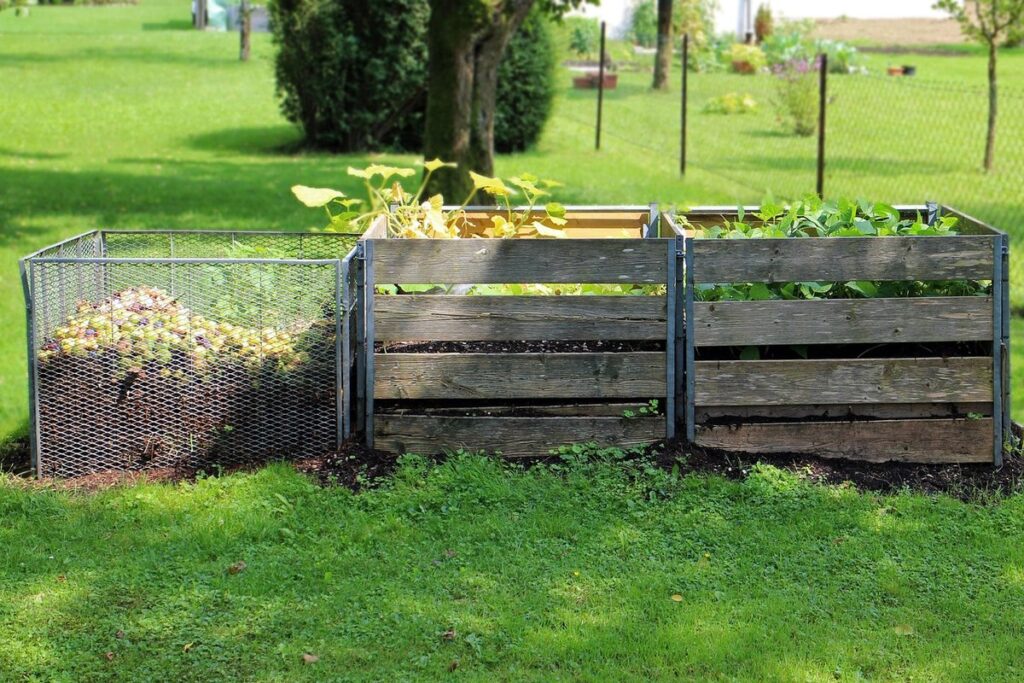
When designing the pile structure for a hot composting system, it’s essential to ensure adequate airflow and heat dissipation. This can be achieved by using either a tumbling composter or building a static bin with proper ventilation.
A tumbling composter is an excellent option as it allows for easy turning of the pile, which helps in maintaining oxygen flow and preventing anaerobic conditions that lead to odor and pest issues. These composters are also ideal for small-scale manure composting operations, making them a great choice for backyard gardeners or farmers with limited space.
If you’re building a static bin, ensure it has adequate ventilation by incorporating features such as:
• Aeration tubes or pipes
• Mesh panels for airflow
• Vents at the top and bottom of the bin
These features will help in circulating air through the pile, promoting heat dissipation, and preventing moisture buildup. When designing your static bin, also consider using a curved or sloping design to encourage rainwater runoff and prevent waterlogging.
Managing Odors and Pathogens
When working with manure hot compost, it’s essential to implement strategies for minimizing odors and pathogens. This not only ensures a healthy environment but also maintains the quality of the final product.
Covering the pile is an effective way to reduce odors and prevent pests from invading the area. Use a tarp or burlap to cover the top layer, ensuring it’s securely fastened with weights or rocks. Regularly turning the pile also helps to aerate it, reducing the likelihood of anaerobic conditions that can lead to unpleasant smells.
Maintaining an adequate carbon-to-nitrogen ratio is crucial for hot composting. Aiming for a mix of 2/3 “brown” materials (high in carbon) and 1/3 “green” materials (high in nitrogen) will help to speed up the decomposition process while minimizing odors and pathogens.
To put this into practice, start by layering your brown materials – such as dried leaves or straw – at the bottom of the pile. Then add a mix of green materials like manure, grass clippings, or kitchen scraps on top. Repeat this process until you reach the desired height, ensuring each layer is approximately 4-6 inches thick. This will help to create an environment that’s conducive to healthy decomposition and minimizes potential issues.
Monitoring and Maintaining the Composting Process
Now that you’ve got your compost pile heating up, it’s essential to keep an eye on its progress and make adjustments as needed to ensure a successful hot composting process.
Temperature Monitoring and Maintenance
Temperature monitoring is a crucial aspect of maintaining an optimal hot composting process. As temperatures fluctuate within the pile, it’s essential to keep track of these changes to ensure they remain within the ideal range for decomposition and pathogen reduction. Aim to maintain temperatures between 130°F (54°C) and 140°F (60°C), as this will help kill off pathogens while also speeding up the composting process.
To monitor temperature effectively, you’ll need a thermometer that can withstand high heat. Check your pile’s temperature daily by inserting the probe into the center of the compost pile, avoiding any hot spots or cold areas. If temperatures exceed 150°F (65°C) or drop below 120°F (49°C), make adjustments to the material mix or add more water as needed.
Remember that adding too much bulking agent can lead to reduced temperature readings, while inadequate moisture levels may cause the pile to heat up excessively. By monitoring your compost pile’s temperature and making adjustments accordingly, you’ll ensure a healthy decomposition process that produces high-quality manure hot compost for your garden or farm.
Turning and Aerating the Pile
As you continue to monitor and maintain your manure hot compost pile, it’s essential to turn the pile regularly. This process serves multiple purposes: maintaining aeration, speeding up decomposition, and preventing matting of materials. Matting occurs when the compost starts to clump together due to moisture and heat, which can lead to anaerobic conditions that harm the process.
To turn your manure hot compost pile, follow these steps:
* Every 2-3 days, use a pitchfork or shovel to gently turn the outer layers of the pile towards the center. Be careful not to compact the materials.
* Make sure to turn the entire pile in sections to avoid disrupting the temperature and carbon-to-nitrogen ratio.
* As you turn the pile, incorporate new materials such as more manure, bedding, or other green materials like leaves or grass clippings.
By regularly turning your compost pile, you’ll ensure that oxygen is present throughout the decomposition process. This simple action can speed up the process by 30-50% and prevent matting, ultimately resulting in a healthier and more efficient composting process.
Harvesting and Using Your Compost
Now that you’ve created your rich compost, it’s time to reap the rewards – learn how to harvest, store, and effectively use your finished hot compost.
Knowing When It’s Ready
Now that you’ve successfully completed the hot composting process and have a batch of rich, nutrient-dense manure compost on hand, it’s essential to know when it’s ready for use. While the aroma, texture, and color of your compost are excellent indicators, there are other crucial factors to consider before incorporating it into your garden.
One of the most significant ways to determine if your compost is ready is by its earthy aroma. A well-composted batch should have a rich, loamy scent, similar to that of forest soil. This smell indicates that the decomposition process has broken down the complex organic matter into simpler compounds, making it available for plant uptake.
In addition to its appearance and odor, test your compost’s pH levels to ensure they fall within the suitable range for your garden’s needs. Most plants prefer a slightly acidic to neutral soil pH (6.0-7.0). If your compost has an excessively high or low pH, it may impact plant growth or even harm them.
To determine nutrient content, consider performing a basic analysis or sending a sample to a lab for more detailed testing. This will provide you with information on the N-P-K levels and other essential nutrients present in your compost, helping you tailor its application according to specific crop requirements.
Incorporating Compost into Your Soil
When it’s time to harvest your manure hot compost, you’ll want to incorporate it into your soil to reap its full benefits. This can be done in two ways: as a top dressing or mixed with the existing soil.
Using compost as a top dressing is an excellent way to improve soil fertility and structure without disrupting the existing ecosystem. Simply spread a 1-2 inch layer of finished compost over the surface of your garden beds, making sure to avoid any plants that may be sensitive to the high nutrient content. As the compost breaks down, it will add a boost of nutrients and beneficial microbes to the soil, promoting healthy plant growth.
Alternatively, you can mix compost into the existing soil to create a more balanced and fertile growing environment. A general rule of thumb is to mix in 10-20% finished compost with your topsoil, depending on its initial nutrient content and your specific plant needs. This will not only improve soil structure but also increase its water-holding capacity, making it an ideal solution for areas prone to drought or poor drainage.
Remember to incorporate compost into the top few inches of soil where root systems are most active, as this is where nutrients are most readily available to plants. By doing so, you’ll be giving your garden a nutritional kickstart and setting yourself up for a bountiful harvest.
Troubleshooting Common Issues
We’ve covered the basics of manure hot composting, but we know things can go wrong sometimes. Let’s troubleshoot common issues that may arise in your composting process.
Temperature Fluctuations
Temperature fluctuations can be a common issue when composting manure hot. If temperatures are inconsistent, it’s essential to take corrective action to ensure a successful and healthy composting process. One solution is to adjust the material ratios. For example, if the pile is too dry, adding more green materials like fresh grass clippings or vegetable scraps can introduce more nitrogen-rich ingredients that help to moderate temperatures.
On the other hand, if the pile is too wet, you may need to add more brown materials like straw or shredded newspaper to absorb excess moisture. Another option is to ensure sufficient aeration by turning the pile regularly, which helps to speed up decomposition and regulate temperature fluctuations.
In some cases, adding more water might be necessary, but it’s crucial to avoid overwatering, as this can lead to anaerobic conditions and unpleasant odors. A general rule of thumb is to maintain a mix that’s 2/3 “brown” materials (dry) and 1/3 “green” materials (wet), with adequate water added to keep the pile consistently moist but not soggy.
Pests and Pathogens
As you create your manure hot compost pile, it’s essential to keep an eye out for pests and pathogens that can contaminate the process. Regularly inspecting the pile is crucial to maintaining its health and preventing potential problems.
When checking for pests, look for signs of rodents, birds, or insects like fruit flies or ants. These unwanted visitors can break down the compost materials too quickly, creating an imbalance in the carbon-to-nitrogen ratio and potentially leading to odors or a decrease in quality. To control pest populations, use fine-mesh netting or hardware cloth to cover the pile, weigh down any loose materials with rocks or bricks, or install a rodent guard around the pile.
It’s also vital to be aware of pathogens like E. coli and Salmonella that can arise from contaminated manure. These microorganisms can pose health risks if not handled properly. To mitigate this risk, ensure you’re using animal manure from a trusted source, following proper handling and storage procedures, and maintaining adequate temperatures within the compost pile (usually above 131°F) to kill off pathogens.
Frequently Asked Questions
Can I mix manure from different animals in the same hot compost pile?
Yes, you can mix manure from different animals, but it’s essential to balance the nitrogen levels carefully. Manure from herbivores like horses or cows tends to be higher in carbon and lower in nitrogen compared to carnivore or omnivore manure. Make sure to maintain a balanced ratio of “green” and “brown” materials to avoid creating an environment that’s too hot for optimal decomposition.
How do I maintain the right moisture levels in my hot compost pile?
Maintaining the ideal moisture level is crucial for hot composting. Aim for a mix that’s 50-60% water content. You can check this by squeezing a handful of materials – if it forms a ball and holds its shape, it’s ready to go into the pile. If the mix feels too dry or too wet, adjust your additions accordingly.
What happens if I notice odors or pests in my hot compost pile?
Don’t worry; these are common issues in hot composting! Odors often indicate high nitrogen levels or inadequate carbon balance. Pests like flies or rodents might be attracted to the nutrient-rich environment. To address odors, add more “brown” materials and ensure proper aeration. For pests, use physical barriers or trap them using humane methods.
Can I speed up the composting process by turning my hot compost pile frequently?
Turning your pile can indeed speed up the decomposition process, but do it wisely! Excessive turning might disrupt the temperature balance and cause fluctuations in microorganism activity. Aim for moderate turning every 7-10 days to maintain oxygen levels without over-stirring the mix.
What should I do if my hot compost pile doesn’t reach the ideal temperatures (above 130°F/54°C) despite following all guidelines?
Temperature issues can be challenging! First, ensure you’ve maintained a proper balance of “green” and “brown” materials. Next, check your moisture levels – if they’re too low or too high, it might impact temperature. Finally, consider the microclimates within your pile; some areas might be cooler due to shading or poor airflow. Adjust these factors accordingly to optimize temperature conditions.