
Are you tired of throwing away food waste and wondering how to turn your kitchen scraps into something valuable for your garden? Hot composting is an efficient and effective way to transform your organic waste into nutrient-rich fertilizer, perfect for a thriving garden. Not only does it reduce waste and lower your environmental footprint, but it also provides your plants with the essential nutrients they need to grow strong and healthy. In this article, we’ll dive into the benefits of hot composting, share setup tips and tricks to get you started, and offer troubleshooting advice so you can avoid common mistakes. By the end of this post, you’ll be equipped with all the knowledge you need to successfully create your own nutrient-rich fertilizer at home using hot composting techniques.
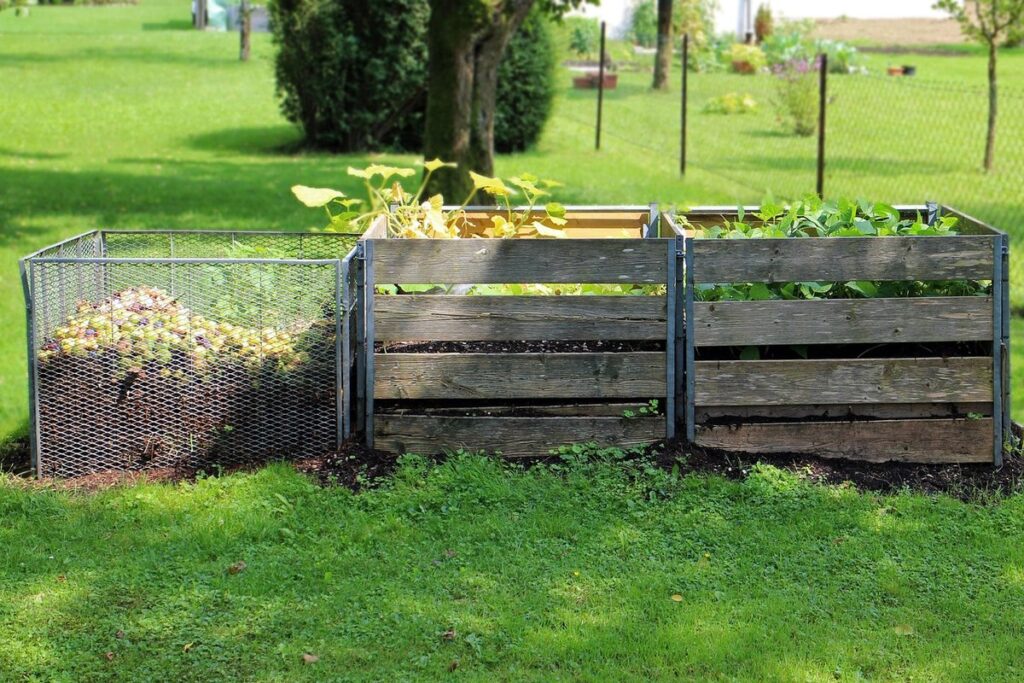
What is Hot Composting?
Let’s dive right into what hot composting actually is and how it differs from regular composting methods you may be familiar with.
The Benefits of Hot Composting
One of the most significant advantages of hot composting is its ability to kill off weed seeds and pathogens, making it a highly effective method for managing food waste. This process involves maintaining an optimal temperature range between 130°F and 140°F (54°C – 60°C), which is lethal to most weed seeds and disease-causing microorganisms.
As a result, hot composting reduces the risk of introducing unwanted pests or weeds into your garden. For example, if you’re composting vegetable scraps with seeds from invasive plant species, hot composting will ensure that these seeds are eliminated, preventing them from spreading in your garden.
By killing off pathogens and weed seeds, hot composting creates a clean and sterile environment for beneficial microorganisms to thrive. This leads to the production of a high-quality, nutrient-rich fertilizer that can help improve soil health and support plant growth.
How Hot Composting Differs from Cold Composting
Hot composting is often compared to cold composting, but they are two distinct methods with different approaches and results. The main difference lies in their ability to break down organic matter at varying rates.
Cold composting involves piling up food waste and yard trimmings without actively managing the decomposition process. This method relies on natural processes, taking months or even years for materials to decompose fully. In contrast, hot composting accelerates this process by maintaining high temperatures (typically between 130°F and 140°F) through active management of carbon-to-nitrogen ratios, moisture levels, and aeration. This results in faster decomposition rates – often within weeks – and higher temperatures that kill off pathogens and weed seeds.
The faster decomposition rate and controlled temperatures make hot composting ideal for turning food waste into nutrient-rich fertilizer quickly. Regular mixing and monitoring are key to achieving optimal conditions, ensuring your hot compost pile reaches the perfect balance of heat, moisture, and aeration.
Choosing the Right Materials for Hot Composting
When it comes to hot composting, selecting the right materials is crucial for creating an ideal environment for decomposition. Let’s dive into the essential considerations for choosing the perfect mix of “green” and “brown” materials.
Selecting the Perfect Carbon-to-Nitrogen Ratio
Achieving an ideal carbon-to-nitrogen ratio is crucial in hot composting. This balance ensures that microorganisms have enough food to break down the waste efficiently, releasing heat and producing a rich fertilizer. An imbalance can lead to unpleasant odors, slow decomposition, or even attract pests.
To determine the carbon-to-nitrogen (C:N) ratio, you’ll need to know the nitrogen content of your materials. Nitrogen-rich items like manure, blood meal, or fish emulsion have high N values (around 10-12%). Carbon-rich materials, such as straw or shredded newspaper, have low C values (around 1-3). Aim for a mix with an initial C:N ratio between 20:1 and 30:1. This balance will start to shift as the composting process begins.
As you collect materials, use a rough estimate of their N content to plan your mix. For example, if using manure (high N), add more carbon-rich materials like straw or sawdust to achieve the desired ratio. Be mindful that some materials can be high in nitrogen but low in carbon (like green leaves). To balance these, incorporate additional carbon sources.
The ideal C:N range will also depend on factors like moisture levels and temperature. Monitor your compost pile’s decomposition progress, adjusting the mix as needed. Remember, achieving an optimal ratio is a guideline; flexibility is key to successful hot composting.
Adding Green Materials: What You Need to Know
When it comes to hot composting, adding green materials is a crucial step in creating a nutrient-rich fertilizer for your garden. Green materials are high in nitrogen, which helps speed up the decomposition process and balances out the carbon-heavy browns you’ll be adding to the pile.
Some examples of excellent green materials include food scraps like vegetable peels, fruit rinds, and meat trimmings. These items are rich in nitrogen and will help jumpstart the composting process. You can also add grass clippings, which are another high-nitrogen option. Just be sure to chop them up into smaller pieces before adding them to the pile.
When selecting green materials, remember that they should make up about 20-30% of your total compost mixture. Too much nitrogen can lead to anaerobic conditions and unpleasant odors. Aim for a balance by mixing in plenty of browns – like dried leaves or shredded newspaper – to soak up excess moisture and provide carbon.
Aim to add green materials in moderation, as they can be overwhelming if overused. For example, adding too much grass clippings can lead to an anaerobic environment, whereas using the right amount will create a balanced ecosystem that encourages healthy decomposition.
Setting Up Your Composting System
Before you start hot composting, it’s essential to set up a system that will allow your pile to reach and maintain high temperatures. This means choosing a location and selecting the right containers for your compost bin.
Building a Compost Pile or Bin
Building an effective compost pile or bin is crucial for hot composting. A well-designed system ensures optimal airflow, moisture, and carbon-to-nitrogen ratios, which are essential for efficient decomposition.
When constructing a hot composting system, start by considering size. Aim for a minimum of 3x3x3 feet (90x90x90 cm) in volume to allow for adequate mixing and oxygen circulation. A larger pile may require additional supports or bin structures to maintain stability. Choose a shape that maximizes surface area, allowing for easy access and efficient decomposition.
Proper ventilation is also vital. Ensure your system has at least 50% porosity to facilitate airflow. Consider adding a layer of coarse material like wood chips or straw on top to help with drainage and oxygen supply. Regularly check and adjust the pile’s moisture levels, aiming for 50-60% water content. Finally, maintain an optimal carbon-to-nitrogen ratio by alternating layers of “green” (nitrogen-rich) and “brown” (carbon-rich) materials.
Tips for Managing Odors and Moisture
When it comes to hot composting, managing odors and moisture is crucial for maintaining a healthy and thriving compost pile. You want to create an environment that’s conducive to decomposition, rather than one that’s breeding ground for pests and diseases.
To minimize unpleasant odors, aim for a carbon-to-nitrogen (C:N) ratio of 2:1 or 3:1. This balance will help break down organic matter efficiently without creating anaerobic conditions. Regularly adding ‘green’ materials like fresh grass clippings or kitchen scraps will contribute to the nitrogen content.
Maintaining optimal moisture levels is equally important. Aim for a damp, but not soggy, consistency – similar to a damp sponge. This range of 40-60% moisture ensures that microorganisms can function optimally and decomposition occurs quickly. If you notice dry spots, add some water; conversely, if the pile is too wet, let it sit uncovered for a day or two.
To ensure your compost pile remains balanced, aim to turn it every 2-3 days during active decomposition phases. This simple step will help redistribute heat and moisture evenly throughout the pile. With proper management of odors and moisture, you’ll create an optimal environment for hot composting – leading to rich, nutrient-dense fertilizer that’s perfect for your garden or indoor plants.
Maintaining the Right Conditions for Hot Composting
To successfully hot compost, it’s crucial that you maintain the right conditions, which involves balancing moisture, carbon, and nitrogen levels in your pile. Here’s how to achieve optimal decomposition.
Monitoring Temperature and Turning Frequency
Monitoring temperature and turning frequency are crucial aspects of hot composting. By tracking these factors, you can ensure that the decomposition process is happening at an optimal rate.
To monitor temperature, use a compost thermometer to check the pile’s internal temperature daily or every other day. Aim for temperatures between 130°F and 140°F (54°C and 60°C), which indicates thermophilic activity and efficient decomposition. If temperatures drop below 100°F (38°C) or rise above 160°F (71°C), it may indicate issues with moisture, aeration, or carbon-to-nitrogen ratio.
As for turning frequency, aim to turn the pile every 2-3 days during the active composting phase. This will help maintain oxygen levels, speed up decomposition, and prevent matting. Use a pitchfork or shovel to gently mix the materials, taking care not to compact the pile. By monitoring temperature and adjusting your turning schedule accordingly, you’ll be able to create a balanced environment that fosters optimal hot composting conditions.
Remember, consistency is key: maintain a regular routine for monitoring temperature and turning frequency to ensure successful hot composting results.
Ensuring Adequate Aeration and Moisture Levels
Adequate aeration and moisture levels are crucial for hot composting to occur efficiently. When air circulation is insufficient, microorganisms struggle to break down organic matter, leading to reduced decomposition rates and unpleasant odors.
To ensure sufficient air circulation, maintain the right balance between carbon-rich brown materials (e.g., dried leaves) and nitrogen-rich green materials (e.g., fruit scraps). Aim for a mix of 2/3 brown materials and 1/3 green materials. Also, regularly turn your compost pile every few days to introduce oxygen and speed up decomposition.
Moisture levels also play a significant role in hot composting. The ideal moisture level is between 50-60% water content, which should feel like a damp sponge when squeezed gently. If the pile becomes too dry, it may not heat up properly, while excessive moisture can lead to anaerobic conditions and unpleasant odors.
Monitor your compost pile’s temperature regularly, as high temperatures indicate adequate decomposition and sufficient aeration.
Managing Common Issues in Hot Composting
Now that you’ve set up your hot composting pile, let’s tackle some common issues that can pop up and derail the process. We’ll address typical problems like odors, pests, and inadequate heat.
Dealing with Pest Infestations
Identifying and dealing with pest infestations is an unfortunate reality when practicing hot composting. These unwanted visitors can quickly spread disease and compromise the integrity of your compost pile. Common pests to watch out for include rodents, flies, and even snakes.
To prevent pest problems, ensure your composting area is clean and free from debris. Keep a tight seal on your bin or enclosure to prevent intruders. Regularly monitoring your pile for signs of pests will allow you to address issues early on. Rodents can be deterred by adding a 4-6 inch layer of fine gravel at the base of your composting area.
In cases where pest infestations do occur, it’s essential not to panic. Flies can be dealt with by turning your pile regularly and allowing air to circulate. If rodents have taken up residence, carefully remove any bedding material they’ve brought in and disinfest your equipment. Regularly maintaining a balanced carbon-to-nitrogen ratio will help deter pests.
Prevention is always better than cure. By following these simple tips, you can minimize the risk of pest infestations and maintain a healthy hot composting process.
Troubleshooting Temperature Fluctuations
Temperature fluctuations can be a major setback in hot composting. To maintain an optimal decomposition environment, it’s crucial to monitor and regulate temperature levels. If you notice sudden drops or spikes, don’t panic – there are ways to rectify the situation.
First, check your carbon-to-nitrogen ratio (C:N). A balanced mix is essential for healthy decomposition. Too much nitrogen can lead to excessive heat, while too little can result in low temperatures. Aim for a 2:1 to 3:1 ratio of “brown” materials (dried leaves, straw) to “green” materials (food scraps, grass clippings).
Another culprit behind temperature fluctuations is moisture levels. Ensure your compost pile isn’t too wet or dry. Aim for a damp but not soggy consistency. You can add brown materials to absorb excess moisture or water the pile lightly if it’s too dry.
Finally, check your insulation and aeration. Properly layered piles with adequate space between layers can help regulate temperatures. If you notice cold spots, try adding more brown materials or turning the pile to introduce oxygen. By monitoring these factors, you’ll be able to maintain a stable environment for decomposition and produce rich, nutrient-dense compost.
Harvesting Your Finished Compost
Now that you’ve successfully completed the hot composting process, it’s time to reap the rewards by harvesting your finished compost. Let’s dive into how to extract this nutrient-rich treasure from your pile.
Recognizing When It’s Ready
When your hot compost pile is ready to harvest, it’s essential to recognize the signs that indicate its transformation into a rich fertilizer. A key indicator of finished compost is its dark color. As the decomposition process progresses, the materials break down and release humus, which gives the compost its characteristic dark brown or almost black hue.
Another telltale sign of completion is the compost’s texture. Finished hot compost should have a crumbly consistency similar to that of soil. This is due to the breakdown of organic matter into simpler components. To check for this texture, simply dig your hand into the pile and gently squeeze a small amount of compost. If it holds its shape but breaks apart easily, it’s likely ready.
The earthy aroma of finished hot compost is also unmistakable. As the microorganisms continue to break down the materials, they release volatile compounds that give off a pungent yet earthy smell. While this scent can be overpowering, it’s a natural byproduct of the decomposition process and indicates that your compost has reached its optimal state.
Putting Your Compost to Good Use
Now that you’ve successfully harvested your finished hot compost, it’s time to think about putting it to good use. As a hot composting enthusiast, you’re likely eager to reap the benefits of your hard work. Fortunately, hot compost is incredibly versatile and can be used in a variety of ways to enrich your garden.
One of the primary uses for hot compost is improving soil structure. By adding this nutrient-rich fertilizer to your soil, you’ll be able to improve its drainage, aeration, and overall health. This is particularly beneficial if you have heavy clay or sandy soils that tend to dry out quickly. To incorporate hot compost into your soil, simply mix it in at a ratio of 1 part compost to 10 parts existing soil.
Another way to utilize your finished hot compost is as a fertilizer for your plants. You can use it as a mulch around the base of your plants, or mix it directly into the soil when planting new seedlings. Hot compost is particularly effective for boosting the growth and productivity of fruiting vegetables like tomatoes and cucumbers. Simply sprinkle a 1-inch layer of hot compost around the base of your plants and water well to see the results.
When using hot compost as a fertilizer, keep in mind that it’s high in nutrients, so start with small amounts and gradually increase as needed. You may also find that you can reduce your reliance on synthetic fertilizers by incorporating hot compost into your garden routine.
Frequently Asked Questions
Can I hot compost indoors, or is it strictly an outdoor activity?
Yes, you can hot compost indoors, but it requires careful consideration of space, temperature control, and odor management. If you’re planning to hot compost indoors, ensure you have a well-ventilated area with adequate space for the compost pile, and take precautions to minimize odors.
How do I know if my compost is too hot or cold?
Temperature fluctuations can be a challenge in hot composting. Aim for a temperature range between 130°F (54°C) and 140°F (60°C). If your compost is consistently above 145°F (63°C), it’s likely too hot, which can kill beneficial microorganisms. Conversely, if the temperature drops below 120°F (49°C), it may indicate insufficient carbon-to-nitrogen ratio or inadequate aeration.
What happens if I add meat or dairy products to my compost pile?
Adding meat and dairy products to your hot composting pile is not recommended, as they can attract pests, create unpleasant odors, and potentially harm microorganisms. Stick to adding vegetable scraps, fruit peels, and other carbon-rich materials that will help maintain the optimal temperature range.
Can I mix hot compost with cold compost?
While it’s technically possible to combine hot and cold compost, it’s essential to note that hot compost can “kill” cold compost by reaching temperatures that inhibit microbial activity. To achieve optimal results, create separate piles for each method or follow specific guidelines for integrating them.
How often should I turn my compost pile during the hot composting process?
Regular turning is crucial in maintaining a healthy temperature range and ensuring proper aeration. Aim to turn your compost pile every 2-3 days, especially when temperatures exceed 130°F (54°C). This will help maintain oxygen flow, prevent matting, and promote efficient decomposition.