
Hostas are one of the most versatile and popular perennials out there, and for good reason. With so many incredible varieties to choose from, you’re sure to find the perfect ones to add some unique charm to your garden or outdoor space. Whether you’re a seasoned gardener or just starting out, selecting the right hostas can be a daunting task – but don’t worry, we’ve got you covered! From compact and adorable ‘Blue Mouse Ears’ that are perfect for small spaces, to majestic giants like ‘Krossa Regal’, there’s truly a hosta variety for every taste and need. In this article, we’ll delve into the world of hostas, exploring how to choose the right ones for you and providing expert tips on how to care for them so they thrive all season long.
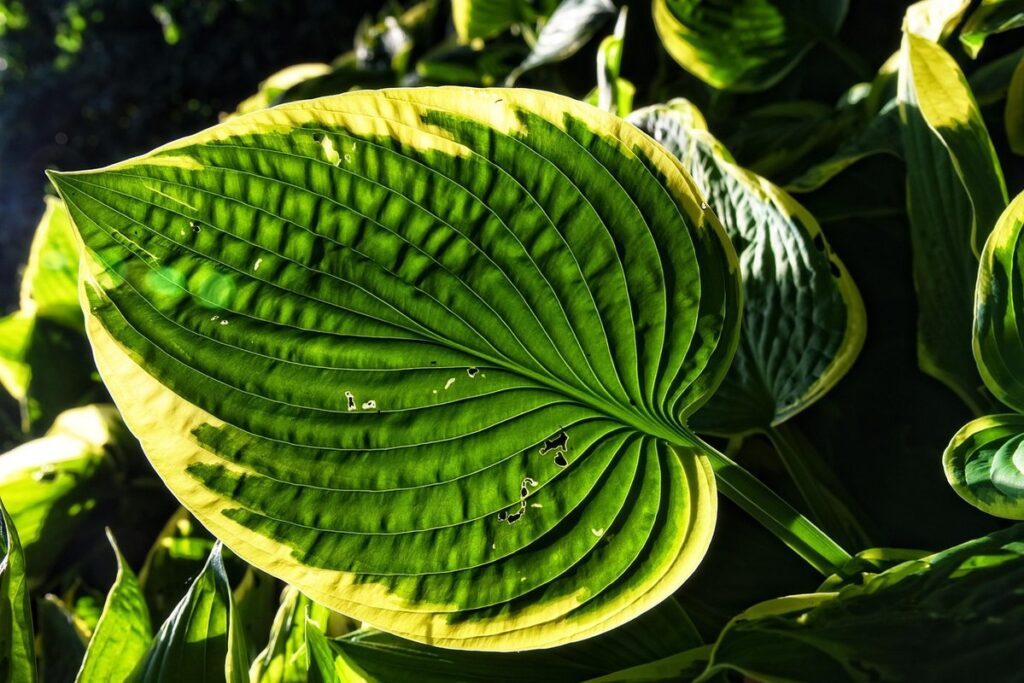
Choosing the Right Hostas for Your Garden
When selecting hostas for your garden, it can be overwhelming with so many varieties to choose from. Let’s break down what to consider when making this important decision.
Understanding the Basics of Hosta Selection
When selecting hostas for your garden, it’s essential to consider several key factors. Climate is one of the most critical aspects to think about. Different hosta varieties thrive in various temperature ranges and humidity levels. For instance, if you live in a hot and humid climate, look for heat-tolerant hostas like ‘Sum and Substance’ or ‘Patriot’. On the other hand, if your area experiences cold winters, choose varieties with better hardiness, such as ‘Blue Fountain’ or ‘Golden Tiara’.
Soil type is another crucial factor to consider. Hostas prefer well-draining soil that’s rich in organic matter. If your soil tends to be sandy or prone to waterlogging, amend it with compost or perlite to create a more hospitable environment. Also, keep in mind that hostas have varying light requirements. Some varieties can tolerate full sun, while others are sensitive to intense sunlight and require partial shade. When selecting hostas, make sure to choose varieties suitable for your specific sunlight conditions.
When assessing your garden’s climate, soil, and sunlight, you’ll be better equipped to select the most suitable hosta variety.
Popular Types of Hostas for Different Zones
When selecting hostas for your garden, it’s essential to consider the specific USDA Hardiness Zone you’re in. Hostas are incredibly versatile and can thrive in various climates, but some varieties excel in particular zones. Here’s a rundown of popular types of hostas that do exceptionally well in different zones:
In zone 3-5, look for robust varieties like ‘Blue Mouse Ears’, which can withstand harsh winters and produce beautiful blue flowers. Another excellent choice is ‘Sum and Substance’, with its large leaves and bright yellow flowers. These hardy hostas will keep your garden looking stunning even during the coldest months.
For warmer climates in zones 6-8, opt for more delicate varieties like ‘Fragrant Bouquet’ or ‘Gold Standard’. They’ll provide a pop of color without compromising on their ability to thrive in warmer temperatures. If you live in zone 9, consider varieties with high heat tolerance, such as ‘Krossa Regal’, which boasts enormous leaves and stunning white blooms.
Ultimately, choosing the right hosta variety for your zone will ensure they grow strong, healthy, and provide years of enjoyment.
Tips for Selecting Hostas Based on Plant Size
When selecting hostas for your garden, it’s essential to consider plant size. Not only will this help you create a visually appealing landscape, but it will also ensure that your plants have enough space to thrive.
If you’re short on space, compact hosta varieties are an excellent choice. These small-scale plants typically grow between 6-12 inches in diameter and are perfect for containers or edging beds. ‘Blue Mouse Ears’ and ‘Gold Standard’ are two popular compact varieties that produce beautiful foliage without taking up too much space.
Medium-sized hostas, ranging from 1-2 feet in diameter, offer a balance between size and impact. These versatile plants can be used as focal points or added to borders for a more substantial display of color. Look for medium-sized varieties like ‘Krossa Regal’ or ‘Sum and Substance’ for their striking foliage.
Large hostas, measuring 2-3 feet in diameter or more, are ideal for creating a dramatic statement in your garden. These showstoppers can be used as specimen plants or added to corners to draw the eye. Some popular large varieties include ‘August Moon’, ‘Gold Rush’, and ‘Miyoshi’. By considering plant size when selecting hostas, you can create a cohesive and visually appealing landscape that showcases these beautiful plants in all their glory.
Top 10 Most Popular Hosta Varieties for Gardeners
If you’re looking to add some beautiful and low-maintenance plants to your garden, we’ve got you covered with our top picks for hosta varieties that are sure to impress. From compact blooms to vibrant foliage, discover the best!
#1: ‘Blue Mouse Ears’ – A Compact Delight
‘Blue Mouse Ears’ is a compact hosta variety that has captured the hearts of many gardeners. This charming plant boasts blue-green foliage with wavy edges, resembling miniature mouse ears – hence its name! Its leaves are relatively small, measuring around 3-4 inches in length and 2-3 inches wide.
To grow ‘Blue Mouse Ears’, choose a location with partial shade to full sun, depending on your region’s climate. This variety tolerates some direct sunlight but prefers dappled shade to maintain its vibrant color. The soil should be well-drained and rich in organic matter – hostas love humus! Water regularly, but make sure not to overwater, which can lead to root rot.
In terms of care, ‘Blue Mouse Ears’ is relatively low maintenance. Divide the plant every 3-4 years to maintain its vigor and encourage new growth. This variety attracts pollinators like bees and butterflies, adding a touch of wildlife charm to your garden. With proper care, ‘Blue Mouse Ears’ can grow up to 12 inches tall and 18 inches wide – perfect for small spaces or containers!
#2: ‘Krossa Regal’ – A Large-Scale Hosta
The ‘Krossa Regal’ hosta is one of the largest and most impressive varieties out there. As its name suggests, this plant can grow quite tall, often reaching heights of up to 4 feet (1.2 meters). When choosing a spot for your ‘Krossa Regal’, be mindful of its size – it needs plenty of space to spread out without competing with other plants for water and nutrients.
When planted in the right conditions, this hosta variety can make a stunning addition to any garden. Its large leaves are dark green on top and white underneath, creating an attractive bi-color effect. As your ‘Krossa Regal’ matures, it will produce beautiful purple flowers in mid-to-late summer that attract pollinators and add further interest to the plant.
Keep in mind that this hosta is hardy in zones 3-8, which means it can thrive in a variety of climates. It’s also relatively low-maintenance, requiring only occasional watering and fertilization.
#3: ‘Royal Standard’ – A Classic Choice
The ‘Royal Standard’ hosta variety has been a long-time favorite among gardeners due to its stunning appearance and low-maintenance requirements. Originating from the 1960s, this cultivar was bred by renowned plant hybridizer E.Y. Russell, who aimed to create a hosta with large, attractive foliage.
As you’d expect from its name, ‘Royal Standard’ boasts some of the largest leaves in the hosta world – often reaching up to 10 inches in length and width. The color is a rich blue-green, providing a beautiful contrast to other plants in your garden. This variety’s size and vibrant color make it an excellent choice for adding depth and visual interest to shade gardens.
When growing ‘Royal Standard’, keep in mind its moderate watering needs – it prefers well-drained soil but can tolerate some drought. Also, be aware that this hosta is a slower grower compared to other varieties, so patience will be rewarded over time. With proper care, ‘Royal Standard’ will reward you with years of lush foliage and minimal maintenance requirements.
How to Care for Hostas in Your Garden
To keep your hostas thriving, it’s essential to provide them with proper care and maintenance. This involves understanding their specific needs, from watering and fertilization to pruning and pest control.
Watering and Irrigation Tips
When it comes to caring for hostas in your garden, proper watering and irrigation are crucial factors to ensure their survival. Overwatering can lead to root rot, while underwatering can cause the leaves to turn yellow and wilt. To determine how often to water your hostas, observe the soil moisture by inserting a finger into the soil up to the first knuckle. If the soil feels dry, it’s time to water.
In general, hostas prefer moist but well-draining soil, especially during their first growing season. Water them deeply once or twice a week, depending on weather conditions. Avoid getting water on the leaves to prevent fungal diseases from developing.
During hot summer months, increase watering frequency to ensure the roots have enough moisture. In cooler seasons, reduce watering to avoid overhydration. Be mindful of the soil mix you’re using; some mixes may retain more water than others.
Consider installing a drip irrigation system or soaker hose to deliver water directly to the roots while minimizing evaporation and runoff. By implementing these simple tips, you’ll be well on your way to creating a thriving hosta garden.
Fertilizing and Mulching Hostas
Hostas are heavy feeders and benefit from regular fertilization to maintain their vigor and promote healthy growth. When choosing a fertilizer for your hosta, look for a balanced, water-soluble formula that contains nitrogen, phosphorus, and potassium (NPK). A 10-10-10 ratio is ideal, but you can also opt for an organic option like fish emulsion or bone meal.
Apply fertilizer once in the spring when new growth begins, following the manufacturer’s instructions for the recommended amount. Repeat this process again in mid-summer to provide a boost during the active growing season. It’s essential not to over-fertilize, as this can lead to weak and spindly growth.
Mulching is also crucial for hostas, providing a layer of protection from extreme temperatures and retaining moisture in the soil. Use a 2-3 inch layer of organic mulch like wood chips or bark around the base of your plants, keeping it a few inches away from the crowns to prevent rot. Replenish the mulch as needed throughout the growing season to maintain its effectiveness.
Pruning and Dividing Hosta Plants
When it comes to caring for hostas, pruning and dividing are essential techniques that promote healthy growth and prevent overcrowding. Pruning helps maintain a plant’s shape, encourages new growth, and prevents fungal diseases from taking hold. The best time to prune hostas is in late winter or early spring, before new shoots emerge. Remove any dead or dying leaves, and cut back the foliage to about 3-4 inches above the ground.
Dividing hostas, on the other hand, involves separating mature plants into smaller sections, allowing them to regenerate and thrive. This process is typically done every 3-4 years, when the plant becomes too large for its container or starts to show signs of stress. To divide a hosta, carefully dig it up, gently wash away excess soil, and separate the roots using a sharp knife or garden fork. Replant the sections in well-draining soil, making sure each division has at least one growing eye.
By pruning and dividing your hostas regularly, you’ll be rewarded with robust, healthy plants that continue to thrive and provide beautiful foliage for years to come.
Common Problems and Solutions for Hosta Gardeners
As you dive deeper into growing your hosta collection, you may encounter some common issues that can be frustrating to deal with. Let’s tackle them together.
Identifying and Addressing Pests and Diseases
As you nurture your hosta garden, it’s essential to be aware of common pests and diseases that can affect these beautiful plants. Slugs and snails are two of the most notorious culprits when it comes to hosta damage. These slimy creatures feed on hosta leaves at night, leaving behind a trail of silvery slime and holes in the foliage. To prevent slug and snail infestations, consider using copper tape or crushed eggshells around your plants, as these elements deter them from crossing.
Another common issue is leaf spot, caused by fungal infections that spread through water droplets on the leaves. Symptoms include yellowing or blackening of leaves, often accompanied by a powdery white coating. To treat leaf spot, remove infected leaves and ensure good air circulation around your hostas. Regularly inspect your plants for signs of infection, and consider applying a fungicide as a preventative measure.
Crown rot is another serious disease that can affect hostas, caused by fungal growth in the crown (where the stem meets the roots). To prevent crown rot, avoid overwatering, which creates an ideal environment for fungal growth. Use well-draining potting mix and ensure good air circulation to promote healthy root growth.
To address these issues effectively, it’s crucial to adopt a proactive approach. Monitor your hostas regularly, inspecting for signs of pests or diseases. Keep your garden clean, removing weeds and debris that can harbor pests and diseases. By taking these precautions, you’ll be better equipped to prevent common problems and ensure the health and beauty of your hosta garden.
When treating infected plants, it’s essential to use targeted methods to avoid harming your hostas further. For example, if you suspect crown rot, avoid using fungicides that can exacerbate the issue. Instead, address the root cause by improving drainage and air circulation around your plants.
By being mindful of these common pests and diseases, you’ll be better equipped to prevent issues and keep your hosta garden thriving. With regular monitoring and maintenance, you’ll enjoy healthy, vibrant hostas for years to come.
Overcoming Challenges with Sun Scald or Winter Damage
Hostas can be notoriously susceptible to sun scald and winter damage, especially when grown in extreme weather conditions. As a hosta gardener, it’s essential to take preventative measures to protect your plants from these common issues.
Sun scald typically occurs when hostas are exposed to intense sunlight without sufficient shade, causing the leaves to become scorched and brittle. To prevent sun scald, consider providing afternoon shade for your hostas or planting them in a location with dappled sunlight. You can also use mulch or other materials to block direct sunlight from reaching your plants.
Winter damage often results from extreme cold snaps, heavy snowfall, or ice accumulation on hosta leaves. To mitigate winter damage, apply a layer of mulch or straw around the base of each plant before the first frost. This will help insulate the roots and protect the crown from freezing temperatures. Additionally, consider cutting back your hostas in the fall to about 3-4 inches from the ground, which will encourage new growth in the spring and reduce damage from snow and ice.
Hosta Companion Plants: Choosing the Right Friends
When growing hostas, selecting companion plants that complement their beauty is just as important as choosing the right variety itself. Let’s explore some fantastic options to pair with your beloved hostas!
Selecting Plants That Complement Hostas
When selecting companion plants to pair with hostas, consider the color palette you want to create. For example, a variegated hosta’s mottled leaves can be complemented by solid-colored perennials like daylilies or black-eyed Susans, which provide a striking contrast in texture and hue.
To add depth to your hosta beds, incorporate plants with varying growth habits, such as low-growing sedums or creeping thyme. These groundcovers not only fill gaps between larger plants but also create an attractive layered effect.
When it comes to growing requirements, think about the amount of sunlight and moisture your hostas receive. For instance, if you have shade-loving hostas, pair them with ferns or astilbe, which share similar needs. Alternatively, if your hostas thrive in full sun, combine them with plants like coneflower or bee balm, which can tolerate heat.
Some excellent companion plant options for hostas include:
• Hellebores, whose early-blooming flowers provide a charming contrast to hosta foliage
• Ornamental grasses, such as fountain grass or pampas grass, that add movement and texture to the garden
• Violets or impatiens, which can thrive in shade and create a lush carpet around hostas
Understanding Plant Pairings for Maximum Benefits
When it comes to growing hostas, many gardeners focus solely on selecting the right variety for their space. However, pairing hostas with complementary plants can elevate their performance and create a more dynamic garden ecosystem. By choosing the right companion plants, you can enhance the beauty of your hosta display while promoting healthy growth.
Some of the benefits of plant pairings include improved soil health, increased pest resistance, and enhanced visual appeal. For instance, planting hostas with coral bells (Heuchera spp.) or foamflowers (Tiarella cordifolia) can create a stunning foliage contrast that draws attention to your garden beds. Similarly, pairing hostas with flowers like coneflowers (Echinacea spp.) or black-eyed Susans (Rudbeckia hirta) can attract pollinators and add a burst of color to your landscape.
When selecting companion plants for your hostas, consider factors such as soil type, sun requirements, and growth habits. By choosing compatible plants that thrive in similar conditions, you’ll create a harmonious ecosystem where each plant benefits from the others’ presence.
Frequently Asked Questions
How do I know if a hosta variety is suitable for my climate?
When selecting hostas, it’s essential to consider your local climate conditions. Check the specific hardiness zone of your area and choose varieties that match or exceed it. For example, ‘Blue Fountain’ and ‘Golden Tiara’ are excellent choices for zones 4-8, while ‘Patriot’ and ‘Sum and Substance’ can thrive in warmer climates like zone 9.
Can I grow hostas in containers?
Yes! Hostas can be grown in containers, making them perfect for small spaces or areas with poor soil. Choose a large container (at least 6-8 inches deep) with good drainage and use a well-draining potting mix specifically designed for perennials. Keep the soil consistently moist but not waterlogged.
How do I prevent hostas from developing sun scald?
Sun scald occurs when hosta leaves are exposed to intense sunlight, causing discoloration or even death of the leaves. To prevent this, plant your hostas in a location that receives partial shade, especially during peak sun hours (usually between 11 am and 3 pm). You can also use a sheer curtain or shade cloth to filter the sunlight.
Can I divide hosta plants in the spring?
No, it’s best to divide hostas in the fall after they have finished growing. Spring division can be stressful for the plant and may lead to disease or pest issues. Wait until the new growth begins in early spring to assess which divisions are strong enough to replant.
How often should I fertilize my hosta plants?
Hostas benefit from regular fertilization, especially during their active growing season (spring-fall). Apply a balanced, water-soluble fertilizer (20-20-20) every 2-3 weeks. You can also use an organic alternative like compost or well-rotted manure to provide essential nutrients without burning the roots.