
If you’re a hosta enthusiast, you know how beautiful these shade-loving plants can be in your garden. But did you know that planting them with the right companion plants can take their beauty and health to the next level? When it comes to choosing the perfect companions for your hostas, there are many options to consider – some will add color and texture, while others will attract beneficial wildlife to your garden. In this article, we’ll explore the top hosta companion plants that will enhance your garden’s beauty and support its overall health. From flowering friends to wildlife supporters, we’ll cover it all, giving you the knowledge you need to create a thriving and stunning garden that showcases your beloved hostas in their best light.
Understanding Hostas and Their Needs
To make the most of hosta companion plants, you need to understand what these versatile plants require to thrive in your garden, including their ideal growing conditions. This involves knowing their sun, soil, and watering needs.
What Are Hostas?
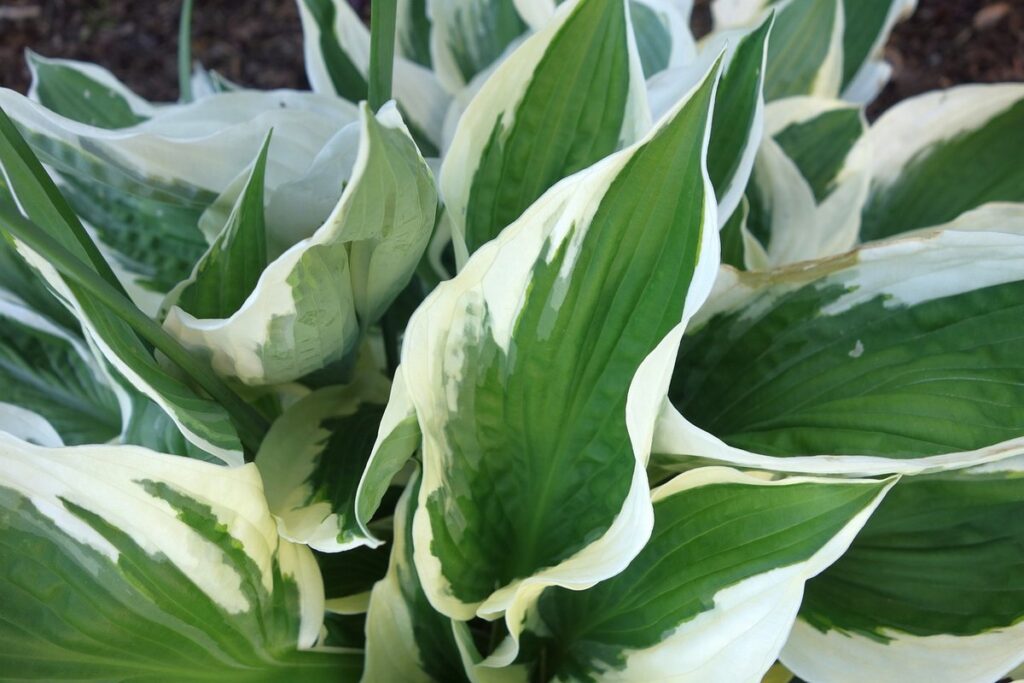
Hostas have become a staple in many gardens and landscapes due to their unique charm and adaptability. These shade-loving perennials are perfect for adding depth and texture to shaded areas of the garden. Their versatility makes them an excellent choice for various landscaping applications, from creating lush groundcovers to serving as ornamental plants.
One of the reasons hostas have gained popularity is their low-maintenance requirements. They can thrive in a variety of conditions, tolerating partial shade to full shade and moist to dry soils. This adaptability allows homeowners to incorporate hostas into areas where other plants might struggle to survive.
When selecting hosta varieties for your garden, consider the mature size of each plant to ensure proper spacing and prevent overcrowding. Some popular uses for hostas include creating a layered look in shaded areas or using them as a border plant to separate different sections of the garden.
Choosing the Right Variety of Hosta
When it comes to selecting the perfect hosta variety for your garden, you’re spoiled for choice. Hostas come in a staggering array of sizes, foliage colors, and hardiness zones, making them an excellent fit for almost every type of garden. Let’s break down some of the most common varieties and how they can complement your companion plants.
If you’re looking to add some delicate charm to your garden, consider miniature hostas (around 6-12 inches tall). These tiny wonders are perfect for containers or small spaces where a big impact is needed without overwhelming the surrounding area. On the other hand, giant hostas (up to 5 feet in height) bring dramatic flair and can create a stunning backdrop for your companion plants.
Dwarf hostas (around 1-3 feet tall) fall somewhere in between and are great for adding mid-level texture and interest to your garden beds. When selecting a hosta variety, remember to consider your hardiness zone and the mature size of the plant to ensure it fits comfortably in its designated space. This will allow you to maximize the benefits of its beautiful foliage and create a harmonious balance with your companion plants.
Preparing Your Garden for Hostas
Before you can enjoy the beauty of hosta companion plants, it’s essential to prepare your garden for these versatile perennials. First and foremost, choose a location that receives the right amount of sunlight. Hostas need partial shade to full shade, depending on their variety, so select a spot that gets dappled light or indirect sun.
When it comes to soil preparation, hostas prefer well-draining, rich soil with a slightly acidic pH between 5.5 and 6.5. Test your soil type and amend it if necessary by adding organic matter like compost or manure. Make sure the area is free of any debris and weeds, as these can compete with your hostas for water and nutrients.
Water requirements also play a crucial role in growing healthy hostas. Water them regularly during their first year after planting, but avoid overwatering, which can lead to root rot. Mulch around the plants to retain moisture and suppress weeds. By following these steps, you’ll be well on your way to creating an ideal environment for your hosta companion plants to thrive.
Selecting Companion Plants for Hostas
When it comes to pairing hostas with other plants, selecting complementary companions can make all the difference in creating a lush and thriving garden. Let’s explore some essential tips for choosing great companion plants for your hostas.
Benefits of Companion Planting with Hostas
Companion planting with hostas offers numerous benefits that can elevate your garden’s biodiversity, pest control, and soil health. By choosing companion plants carefully, you can create a thriving ecosystem that supports the growth of your beloved hostas. One significant advantage is increased biodiversity. When you plant diverse species alongside hostas, you attract a wider range of pollinators, beneficial insects, and microorganisms. This diversity encourages a balance in your garden’s ecological system, making it more resilient to pests and diseases.
To improve pest control, consider planting companion plants like garlic, chives, or mint near your hostas. These plants repel aphids, slugs, and snails that might otherwise damage your hosta leaves. Another benefit is improved soil health. Legumes like beans or peas fix nitrogen in the soil, which benefits hostas’ growth. Comfrey, with its deep taproots, brings up nutrients from lower soil layers, enriching the topsoil for your hostas. By incorporating these companion plants into your garden design, you can enjoy healthier, more vibrant hostas and a more balanced ecosystem overall.
Plants That Thrive in Shade: Potential Companion Plants for Hostas
When selecting companion plants for hostas, it’s essential to choose species that thrive in shade. Some excellent options include ferns, astilbe, and daylilies. These plants not only complement the beauty of hostas but also provide benefits such as improved soil health, increased biodiversity, and reduced pests.
Ferns are an ideal choice for shaded areas, with their delicate fronds adding a touch of elegance to your garden. They prefer moist, well-draining soil and can help retain moisture in the soil, reducing the need for frequent watering. For example, the autumn fern (Dryopteris erythrosora) is a popular variety that tolerates shade and requires minimal maintenance.
Astilbe is another excellent option, offering vibrant flowers in shades of pink, red, and white. They prefer moist to wet soil and can help attract pollinators to your garden. Daylilies are also suitable for shaded areas, with their sword-shaped leaves providing a structural element to the landscape. They are low-maintenance and can tolerate a range of soils, making them an excellent choice for busy gardeners.
Remember to consider factors such as mature size, growth habits, and soil preferences when selecting companion plants for your hostas. This will ensure that your chosen species complement each other’s needs and create a harmonious landscape.
Plants to Avoid Planting Near Hostas
When selecting companion plants for hostas, it’s essential to be mindful of potential rivals that might compete with or harm these lovely perennials. Some plants, like English ivy (Hedera helix), are invasive species that can outcompete hostas for water and nutrients. Their rapid growth can also lead to a loss of sunlight for your hostas, which they need to thrive.
Another aggressive spreader is creeping thyme (Thymus serpyllum). While it’s tempting to pair its low-growing habit with the stately appearance of hostas, beware: creeping thyme can quickly overtake them and even invade neighboring gardens. To avoid this, keep creeping thyme contained in a separate bed or container.
Other plants to approach with caution include Japanese knotweed (Fallopia japonica) and autumn olive (Elaeagnus umbellata). Both are known for their invasive tendencies and can easily outgrow hostas. By being aware of these potential competitors, you can create a harmonious garden that showcases the beauty of both hostas and companion plants while maintaining a balance of growth and health.
Designing a Hosta Companion Plant Garden
When it comes to designing a hosta companion plant garden, choosing plants that complement your hostas’ unique characteristics is key. Select flowers and foliage that harmonize with your hostas’ sizes, textures, and growth habits.
Creating a Harmonious Color Scheme
When selecting companion plants for your hosta garden, creating a harmonious color scheme is essential to achieving a visually appealing design. This involves choosing plants that complement the foliage and flower colors of your hostas. Consider the existing hues in your garden, such as shades of green, blue, purple, yellow, or white.
To create a cohesive look, pair hostas with plants having contrasting colors. For example, if you have predominantly green-leaved hostas, introduce flowers like bluebells (Hyacinthoides spp.) or forget-me-nots (Myosotis spp.), which will add vibrant splashes of color without overpowering the hostas.
Alternatively, combine hostas with plants having complementary colors. For instance, pair silver-leaved hostas with red-leafed coleus (Solenostemon scutellarioides) or coral-blooming heliotrope (Heliotropium arborescens). This approach will create a balanced and harmonious color scheme.
Keep in mind that texture also plays a significant role in creating visual interest. Combine smooth-leaved hostas with plants having unique textures, such as the delicate foliage of ferns or the vibrant blooms of coral bells (Heuchera spp.).
Using Companion Plants to Create Depth and Interest
When it comes to creating a visually appealing hosta companion plant garden, one of the most effective ways to add depth and interest is by layering different plants with varying growth habits and textures. By doing so, you can create a multi-dimensional landscape that invites exploration.
Start by selecting plants that have unique characteristics such as height, spread, or foliage texture. For example, pair tall perennials like daylilies or coneflowers with shorter varieties like creeping thyme or sedum. This contrasting growth habit creates visual interest and draws the eye through the garden.
To add depth, consider incorporating plants with varying foliage textures. Combine smooth-leaved hostas with fuzzy-leaved lamb’s ear or ferns with delicate, lacy foliage. The mix of different textures not only adds visual appeal but also provides a tactile experience for visitors to enjoy.
When selecting companion plants, remember that some species have shallow root systems and may require more frequent watering. Be sure to research the needs of each plant to ensure they complement one another in terms of moisture requirements.
Considerations for Small Gardens and Containers
When it comes to designing a hosta companion plant garden, many of us have limited space to work with. Whether you’re working with a small backyard or just a few containers on a balcony, the principles of selecting suitable companion plants remain the same. However, when space is at a premium, we need to be more thoughtful in our choices.
Consider starting with compact or dwarf varieties of hostas that are bred specifically for smaller gardens. These plants will provide all the benefits of their larger counterparts but with a more modest footprint. When it comes to selecting companion plants, look for species that have similar growing requirements and space needs. For example, creeping thyme is an excellent choice for containers because it’s compact, drought-tolerant, and can thrive in poor soil. Other options like small-blooming flowers or foliage plants like sedum or succulents are also great choices.
When selecting companion plants for your hosta garden, remember to choose a mix of bloomers, foliage plants, and perhaps a few specimen plants that will add visual interest throughout the growing season. By carefully curating this selection, you can create a thriving and beautiful garden in even the smallest of spaces.
Caring for Your Hosta Companion Plant Garden
Now that you’ve learned which hostas pair well together, let’s dive into how to keep your companion plant garden thriving and beautiful all season long. Proper care is essential for these lovely plants.
Watering Strategies for Companion Plants
When it comes to watering companion plants alongside your hostas, it can be easy to get carried away and end up overwatering these sensitive plants. But don’t worry, we’ve got some expert tips to help you strike the perfect balance.
First, consider using a drip irrigation system for your companion plants. This type of irrigation delivers water directly to the roots of the plant, reducing evaporation and runoff. It’s also incredibly efficient, ensuring that each plant gets exactly what it needs without wasting a single drop. For example, if you’re growing a low-growing herb like thyme or rosemary alongside your hostas, a drip irrigation system is perfect for delivering just the right amount of moisture to their roots.
Another strategy is to mulch around the companion plants. Mulching not only helps retain moisture in the soil but also suppresses weeds and regulates soil temperature. Use a thin layer (about 2-3 inches) of organic mulch like wood chips, bark, or straw to create a barrier that prevents excess water from reaching your hostas’ roots.
To avoid overwatering, make sure to check the soil moisture by inserting a finger into the soil up to the first knuckle. If the soil feels dry, it’s time to water; if it’s already moist, wait another day or two before watering again. With these simple strategies in place, you’ll be well on your way to creating a harmonious and thriving hosta companion plant garden that’s both beautiful and healthy.
Fertilizing Companion Plants Without Over-Fertilizing Hostas
When it comes to fertilizing companion plants without over-fertilizing your hostas, timing is everything. Most perennial flowers and grasses benefit from a balanced fertilizer during the growing season, typically from spring through summer. However, hostas are more finicky and can be susceptible to foliage burn if too much nitrogen is applied.
To avoid this issue, consider fertilizing companion plants at planting time or in early spring, before new growth emerges. This allows them to absorb the nutrients they need without overwhelming your hostas. For instance, if you’re planting a bed of coral bells (Heuchera) alongside your hostas, apply a balanced fertilizer at planting time and again 6-8 weeks later.
When fertilizing companion plants in the spring, keep an eye out for signs of over-fertilization on your hostas, such as yellowing leaves or crispy tips. If you notice these symptoms, cut back on fertilizer applications or switch to a slow-release product to give your hostas a break. Remember, it’s always better to err on the side of caution when fertilizing companion plants around your prized hostas!
Pest Control Measures for Companion Plants
When it comes to managing pests in your hosta companion plant garden, it’s essential to adopt an integrated pest management (IPM) approach. This holistic strategy combines physical, cultural, and biological controls to minimize the need for chemical pesticides.
Start by monitoring your plants regularly for signs of pests, such as aphids, slugs, or snails. Early detection allows you to take action before infestations become severe. Encourage beneficial insects like ladybugs and lacewings, which prey on common hosta pests. You can introduce these natural predators into your garden by purchasing them from a nursery or online.
Use physical barriers, like copper tape or crushed eggshells, to deter slugs and snails from reaching your plants. Remove weeds and debris that provide shelter for pests, and maintain good air circulation around your hostas. Water your plants at the base rather than overhead, reducing the risk of fungal diseases that can be spread by pests.
By implementing these IPM techniques, you’ll not only reduce chemical pesticide use but also promote a balanced ecosystem in your garden.
Advanced Techniques: Using Hosta Companion Plants for Wildlife Support
To take your wildlife-friendly garden to the next level, learn how to incorporate hosta companion plants that attract pollinators and provide essential shelter. These clever pairings are a game-changer for any nature lover.
Creating a Wildlife-Friendly Garden with Hostas
When it comes to creating a wildlife-friendly garden with hostas as the main attraction, incorporating native plants and features that support local wildlife is crucial. One of the most effective ways to do this is by planting native flowers, shrubs, and trees that provide nectar-rich blooms, berries, or seeds for pollinators and birds.
Consider adding native plants like coneflowers, black-eyed Susans, or butterfly milkweed near your hostas to attract butterflies and hummingbirds. You can also include a variety of grasses and sedges that offer seed heads for winter bird species. Don’t forget to incorporate shrubs like dogwood or viburnum that produce berries for birds to feast on.
To take it to the next level, consider adding features like bee hotels or birdhouses to your garden. These can be made from natural materials like bamboo, wood, or stone and are designed specifically to provide a safe haven for solitary bees, wasps, or other beneficial insects, as well as nesting sites for birds. By incorporating these native plants and wildlife-friendly features, you’ll create a thriving ecosystem that not only boosts your garden’s beauty but also supports local wildlife.
Supporting Pollinators with Hosta Companion Plants
When it comes to supporting pollinators in your garden, hosta companion plants can play a vital role. Not only do they add beauty and texture to your landscape, but they also provide food sources and shelter for bees and butterflies. By incorporating hosta companion plants into your garden design, you can create a haven for these crucial pollinators.
For example, some hosta varieties like ‘Blue Mouse Ears’ and ‘June Bride’ attract bees with their fragrant flowers in shades of blue and white. Meanwhile, companion plants like coneflower (Echinacea spp.) and black-eyed Susan (Rudbeckia hirta) draw in butterflies with their vibrant blooms. By planting these hosta varieties alongside coneflowers and black-eyed Susans, you can create a pollinator-friendly oasis that provides a constant source of nectar and shelter for bees and butterflies.
Remember to choose companion plants that bloom at different times to provide a steady supply of food throughout the growing season. This will not only attract more pollinators but also add visual interest to your garden as new blooms appear. By combining hosta with complementary flowers, you can create a thriving ecosystem that supports the health and well-being of your local pollinator population.
Using Hosta Companion Plants for Erosion Control and Soil Improvement
When it comes to maintaining a healthy and thriving garden, soil erosion and degradation can be significant concerns. Hosta companion plants are not only beautiful additions to your garden landscape but also offer valuable benefits for the soil. By incorporating these plants into your garden design, you can help stabilize the soil and prevent erosion while simultaneously improving its overall health.
Hosta companion plants, such as daylilies and coneflowers, have deep roots that allow them to hold the soil in place, preventing it from washing away during heavy rainfall or irrigation. This not only helps maintain the integrity of your garden beds but also reduces the risk of erosion-related damage to your home’s foundation or nearby waterways.
As these plants grow, they also contribute to nutrient cycling by adding organic matter to the soil through their leaves and stems. As they decompose, they provide essential nutrients for other plants in the garden, promoting a balanced ecosystem.
Frequently Asked Questions
What if I have a small garden or container – can I still use hosta companion plants?
Yes, hosta companion plants are perfect for small gardens and containers, as they add depth and texture without taking up too much space. Choose compact varieties of hostas and select smaller companion plants to create a lush and visually appealing arrangement.
How do I care for my hosta companion plant garden during the winter months?
To ensure your hosta companion plant garden thrives year-round, mulch around the base of the plants in autumn to protect them from frost. Also, consider using evergreen groundcovers or shrubs as companions to provide year-round interest and protection.
Can I use hosta companion plants for erosion control and soil improvement?
Yes, certain hosta companion plants can help with erosion control and soil improvement. For example, planting creeping thyme or sweet woodruff near your hostas can help prevent soil erosion and improve the overall health of your garden.
How do I choose the right companion plants for my specific climate and hosta variety?
When selecting companion plants for your hostas, consider factors like sun requirements, watering needs, and frost tolerance. Research companion plant options suitable for your local climate zone and select varieties that complement the growth habits and characteristics of your hosta.
Can I use hosta companion plants to create a wildlife-friendly garden with native pollinators?
Yes, many hosta companion plants are attractive to native pollinators and beneficial insects. Planting hostas alongside native flowers like coneflower or black-eyed Susan can attract bees and butterflies while supporting the local ecosystem.