
Hostas are one of the most versatile and low-maintenance perennials you can add to your garden. But, for these plants to thrive, proper care and division techniques are essential. If you’re a hosta enthusiast or just starting out, you know that dividing and propagating hostas is crucial to maintaining their health and vigor. However, this process can be daunting if you don’t have the right guidance.
In this article, we’ll delve into comprehensive hosta care, including division techniques and propagation methods. We’ll also cover common diseases, pests, and seasonal interest tips. Whether you live in a tropical or temperate climate, our expert advice will help you grow thriving hostas that bring beauty and structure to your garden all year round. By the end of this article, you’ll have the confidence and knowledge to become a hosta care pro.
Understanding Hostas
Understanding hostas is a crucial step in becoming a successful hosta gardener, as it sets the stage for optimal growth and maintenance. This section will break down the basics of hosta understanding.
What Are Hostas?
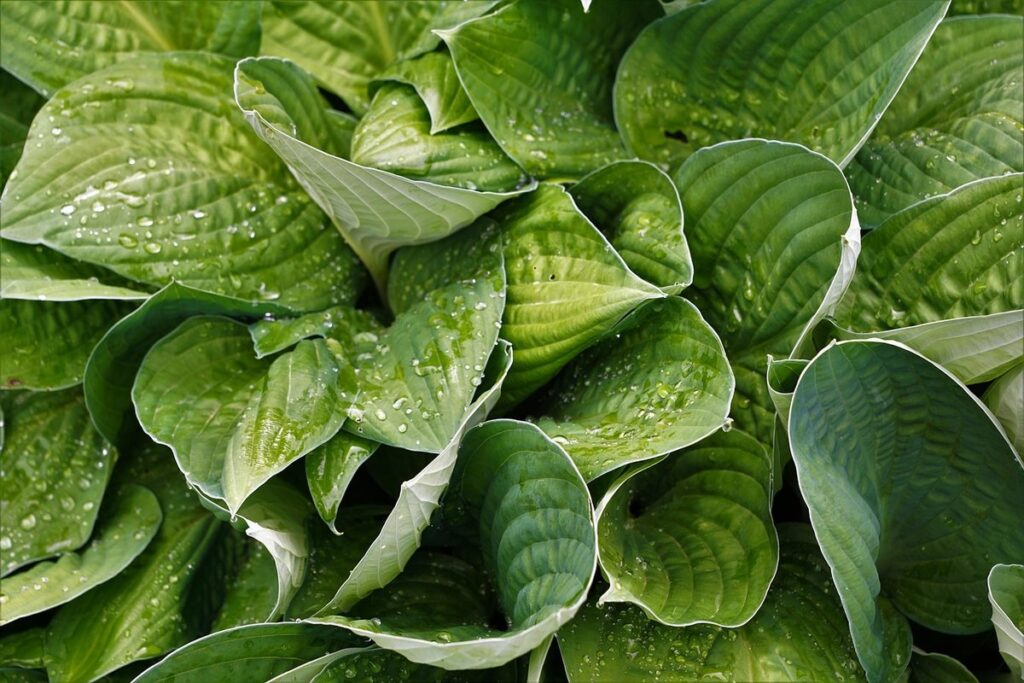
Hostas have become a staple in many gardens due to their stunning foliage and adaptable nature. These versatile plants are often chosen for their attractive leaves, which come in a range of colors from solid greens and blues to variegated patterns featuring shades of white, yellow, or gold. Their large leaves provide a beautiful backdrop for other flowers and foliage in the garden.
One of the main reasons hostas have gained popularity is their low-maintenance requirements. They can thrive in a variety of conditions, including shade, partial shade, and even full sun in warmer climates. This versatility makes them an ideal choice for gardeners with different levels of expertise or those who want to create a low-fuss landscape.
To get the most out of your hostas, consider planting multiple varieties that bloom at different times. This will extend their flowering season and provide constant interest throughout the growing period.
Choosing the Right Hosta Variety
When selecting a hosta variety for your garden, it’s essential to consider the specific conditions in which they will thrive. Climate plays a significant role in choosing the right hosta, as some varieties are more tolerant of heat and drought than others.
In regions with extreme temperatures or dry spells, opt for hostas that are bred for hot climates, such as ‘Sum and Substance’ or ‘Golden Tiara’. These varieties have adapted to withstand high temperatures and can tolerate periods of drought.
Soil type is another crucial factor in selecting a hosta variety. If your soil is heavy clay or sandy, look for hostas with shallow roots that are less likely to be affected by waterlogged conditions. ‘Blue Umbrella’ and ‘Krossa Regal’ are excellent choices for heavier soils.
Consider the intended use of your hostas as well. For container gardens, compact varieties like ‘Tiny Tears’ or ‘Miner’s Delight’ work beautifully. Shade gardens also benefit from a variety selection that complements other plants in terms of foliage color and texture.
Planting and Care
When it comes to successfully growing hostas, planting and care techniques are crucial to ensure they thrive. Learn how to properly plant and maintain your hosta plants for optimal results.
Preparing the Soil
When it comes to growing healthy and thriving hostas, proper soil preparation is often overlooked but plays a crucial role. The type of soil you have can either hinder or promote the growth of your plants. Hostas prefer well-draining, rich soil that’s slightly acidic, with a pH between 6.0 and 7.0.
To achieve this ideal pH balance, you may need to amend your soil by adding organic matter such as compost or manure. A general rule of thumb is to mix 2-3 inches of compost into the top 6-8 inches of soil before planting hostas. This will also improve moisture retention and reduce waterlogging.
In addition to pH balance, hostas require a balanced nutrient profile. You can achieve this by adding a slow-release fertilizer specifically formulated for perennials in the spring. However, avoid over-fertilizing, as this can cause more harm than good. Excessive fertilization can lead to weak stems and poor root growth.
To ensure optimal moisture retention, incorporate 2-3 inches of organic mulch such as bark or straw around your hostas after planting. This will also help suppress weeds and regulate soil temperature. By taking these simple steps, you’ll be giving your hostas the best chance to thrive and flourish in their new home.
Watering and Fertilization Habits
When it comes to watering and fertilization habits, hosta care requires attention to specific needs. Over-watering can lead to root rot, while under-fertilizing may stunt growth. To strike a balance, water your hostas when the top inch of soil feels dry to the touch. Avoid getting water on the leaves to prevent fungal diseases.
For optimal fertilization, use a balanced fertilizer (10-10-10) in early spring and again after division. Follow the manufacturer’s instructions for application rates and timing. You can also supplement with a high-phosphorus fertilizer (15-30-15) during the growing season to promote blooming.
Some important considerations include soil type: hostas prefer well-draining soil, which can affect watering needs. Additionally, be mindful of nearby plants competing for water and nutrients. Monitor your hosta’s growth and adjust fertilization accordingly. A general rule is to fertilize lightly, as over-fertilizing can cause more harm than good.
Remember, the key to healthy hosta growth lies in finding a balance between sufficient watering and fertilization. Regular monitoring will help you make informed decisions about their care.
Hosta Division: Why and When
When it comes time to divide your hostas, understanding why and when to do so is crucial for maintaining their health and promoting new growth. Knowing the signs of division is essential for a thriving garden.
Signs It’s Time to Divide Your Hostas
When you notice that your hosta plant has become too large for its container or is showing signs of disease, pests, or overcrowding issues, it’s likely time to divide it. Here are some common indicators that a hosta needs division:
* The plant has outgrown its container and is top-heavy, making it prone to tipping over.
* You notice roots growing out of the drainage holes or circling inside the pot.
* The center of the plant becomes bare as the outer leaves grow larger, leaving a sparse, uneven appearance.
As hostas mature, they can develop fungal diseases like crown rot or leaf spot if the soil is too wet. Check for signs of disease by looking for soft, mushy stems or black spots on the leaves. Overcrowding can also lead to pest issues, such as aphids or slugs, which can spread disease and cause damage.
If you notice any of these signs, it’s time to divide your hosta plant to give it room to breathe and prevent further problems. Divide the plant in early spring when new growth begins, making sure each section has at least one growing eye (a small bud on the crown) to ensure regrowth.
Step-by-Step Guide to Dividing Hostas
Dividing hostas is a delicate process that requires careful planning and execution to ensure successful replanting. Begin by selecting healthy, mature hosta plants with visible division lines on their rhizomes. Typically, the best time for division is in early spring or fall when hostas are dormant.
To start the division process, dig up the entire plant, taking care not to damage the roots. Gently wash away excess soil from the rhizome, allowing you to visualize the division points. Use a sharp, sterile knife or tool to carefully separate the divisions, making sure each section has at least one growth eye (the small white buds that will produce new leaves).
For replanting, choose a location with partial shade and well-draining soil. Dig holes slightly larger than the divided sections, spacing them 18-24 inches apart to allow for proper air circulation. Plant the divisions at the same depth as before, firming the soil gently around the roots. Water thoroughly to settle the soil.
Propagation Methods
When it comes to sharing hostas with friends and family, or simply multiplying your favorite varieties, you’ll want to know about the different propagation methods available. We’ll explore these techniques in more detail below.
Leaf Cuttings
Leaf cuttings are an excellent way to propagate new hosta plants, especially for gardeners who want to share their favorite varieties with friends and family. This method involves taking healthy leaves from mature hostas and rooting them to create brand-new plants. To increase the chances of success, it’s essential to choose the right time and conditions.
Select firm, dark-green leaves with a good balance between size and leaflet count. Avoid taking leaves that are too small or have signs of damage. Make clean cuts using sharp scissors or pruning shears, removing any excess stem tissue. Next, dip the cut ends in a rooting hormone powder or liquid to stimulate root growth.
Place the prepared cuttings in a propagation tray or pot filled with well-draining seed starting mix. Keep the soil consistently moist but not waterlogged, providing bright, indirect light. The temperature should be around 70-75°F (21-24°C) for optimal rooting success. With proper care and patience, you can expect new growth within 2-4 weeks, and roots will develop within 1-3 months.
Division vs. Propagation: When to Use Each Method
When it comes to increasing your hosta collection or rejuvenating overgrown clumps, you have two primary options: division and propagation. Both methods serve distinct purposes and are suited for different situations.
Division is ideal when dealing with mature hostas that have outgrown their containers or become congested in the garden bed. This method involves physically separating the plant’s roots and replanting them to create new individual plants. Division helps maintain plant health by reducing overcrowding, which can lead to disease and pest issues. It also allows you to share healthy divisions with friends and family.
On the other hand, propagation is better suited for smaller hosta pieces or fragments that may not have developed their own root system yet. This can include leaf cuttings, stem sections, or entire rhizomes. Propagation methods, such as layering or tissue culture, are often used in commercial settings to produce large quantities of hostas quickly.
Consider the age and health of your hosta when deciding between division and propagation. If you have mature plants that need rejuvenation, division is likely the best approach. However, if you’re looking to multiply small hosta fragments or create new varieties, propagation might be more suitable.
Common Problems and Solutions
We all encounter hiccups when caring for our hostas, from yellowing leaves to invasive pests. Let’s dive into common problems and their solutions to keep your plants thriving.
Dealing with Hosta Diseases and Pests
Dealing with hosta diseases is crucial to prevent them from spreading and killing your plants. One of the most common diseases affecting hostas is root rot, caused by overwatering or waterlogged soil. To prevent root rot, ensure good drainage around the plant and avoid watering during the winter months when hostas are dormant.
Another common disease is leaf spot, which can be caused by various fungi. To control leaf spot, remove infected leaves, disinfect pruning tools with 1 part bleach to 10 parts water, and apply a fungicide according to the product’s instructions. Slugs and snails are also a common problem for hostas, as they love to feed on their tender shoots.
To prevent slugs and snails from damaging your hostas, create a barrier around the plant using copper tape or crushed eggshells. Hand-picking them at night is also an effective way to control these pests. Regularly inspecting your plants and taking action quickly can help prevent diseases and pest infestations, ensuring your hostas remain healthy and thriving.
Troubleshooting Hosta Care Issues
If you’ve been noticing issues with your hostas’ yellowing leaves, weak stems, or uneven growth patterns, it’s likely due to inadequate care. Insufficient watering can cause leaves to turn yellow and wilt, while overwatering can lead to root rot. Check the moisture level in the soil by inserting a finger into the soil up to the first knuckle; if the soil feels dry, it’s time for water.
Weak stems may be a sign of inadequate fertilization or poor air circulation. Fertilize your hostas with a balanced, water-soluble fertilizer during the growing season (spring-fall). Make sure they have enough space to breathe by removing nearby plants and debris that can block airflow.
Uneven growth patterns might be caused by inconsistent watering schedules or exposure to too much direct sunlight. Try to maintain a consistent watering routine, and provide your hostas with some afternoon shade to prevent burning. By addressing these common care issues, you can get your hostas back on track and enjoy their beautiful foliage all season long. Regularly inspecting your plants will help you catch potential problems early, allowing for prompt correction.
Advanced Techniques for Seasonal Interest
To take your hosta care to the next level, we’ll explore advanced techniques for showcasing seasonal interest and maximizing your plant’s beauty throughout the year. This includes clever ways to incorporate color, texture, and movement.
Companion Planting with Hostas
Companion planting with hostas is an excellent way to add year-round visual interest to your landscape. By pairing hostas with other plants, you can create a beautiful and dynamic garden that attracts attention throughout the seasons.
When selecting companion plants for hostas, consider their foliage colors, growth habits, and flowering times to achieve striking combinations. For example, planting blue flowers like forget-me-nots or lobelia near yellow-leaved hostas creates a stunning contrast of cool and warm hues. Alternatively, combining hostas with ornamental grasses like pampas grass or fountain grass adds texture and movement to your garden.
To incorporate these pairings into your landscape design, consider the mature size of both plants and leave enough space for them to grow comfortably together. For instance, planting a large hosta near a smaller shrub can create a visually appealing balance between foliage sizes. By experimenting with different companion plant combinations, you’ll discover unique and captivating arrangements that showcase your garden’s natural beauty throughout the seasons.
Tips for Winter Care and Protection
As winter approaches, it’s essential to protect your hosta foliage from harsh conditions. Mulching is an excellent method for insulating plants and retaining moisture in the soil. Apply a 2-3 inch layer of organic mulch around the base of the plant, keeping it a few inches away from the crown. This will help regulate soil temperature and prevent frost heaving.
For extreme cold snaps or prolonged periods of snow cover, consider covering your hostas with burlap or breathable cloth. Secure the material with stakes or twine to prevent it from blowing away in the wind. Remove any debris that may accumulate on top of the plant during the winter months.
Regular maintenance is key to protecting your hostas. Before the first frost, inspect your plants for any signs of disease or pests. If you notice any issues, treat them promptly with fungicides or insecticides according to the manufacturer’s instructions.
Frequently Asked Questions
How do I know if my hostas are getting enough light?
Ensure your hostas receive at least four to six hours of direct sunlight or partial shade. If you’re unsure, observe the color and size of the leaves; they should be vibrant and healthy.
Can I divide my hostas in the winter?
It’s generally recommended to divide hostas during their dormant season (winter), but it can also be done in early spring before new growth begins. If dividing in winter, be cautious not to damage the rhizomes by using a sharp, sterile tool.
How often should I water my hostas during hot summer months?
Hostas require more frequent watering during dry spells, especially when temperatures exceed 90°F (32°C). Check the soil daily, and provide about 1-2 inches of water weekly. Reduce watering in fall as the plants go dormant.
Can I propagate hostas from just one leaf cutting?
While it’s possible to propagate hostas from a single leaf cutting, the success rate is lower than dividing established clumps or using division techniques. For optimal results, combine multiple methods (such as division and leaf cuttings) for maximum propagation potential.
What are some common pests that target hostas, and how can I prevent them?
Hostas are susceptible to pests like slugs, snails, and spider mites. To prevent infestations, maintain a clean garden by removing weeds and debris, use physical barriers around plantings, and consider organic pest control methods when necessary.