
If you’re looking for a way to add some drama and elegance to your shaded outdoor space, consider creating a stunning hosta and fern garden plan. These plants are perfect for areas that don’t receive direct sunlight, making them an ideal choice for those tricky-to-plant spots in your yard. With their beautiful foliage and delicate fronds, hostas and ferns can add a touch of serenity to any landscape. But with so many varieties to choose from, it can be overwhelming to know where to start.
In this article, we’ll take the guesswork out of creating a thriving hosta and fern garden plan. We’ll cover everything you need to know about selection, design, planting, and maintenance tips to ensure your shade garden flourishes all season long. By following our expert guide, you’ll be able to create a stunning display that brings beauty and tranquility to your outdoor space, perfect for any gardener looking to enhance their shaded area.
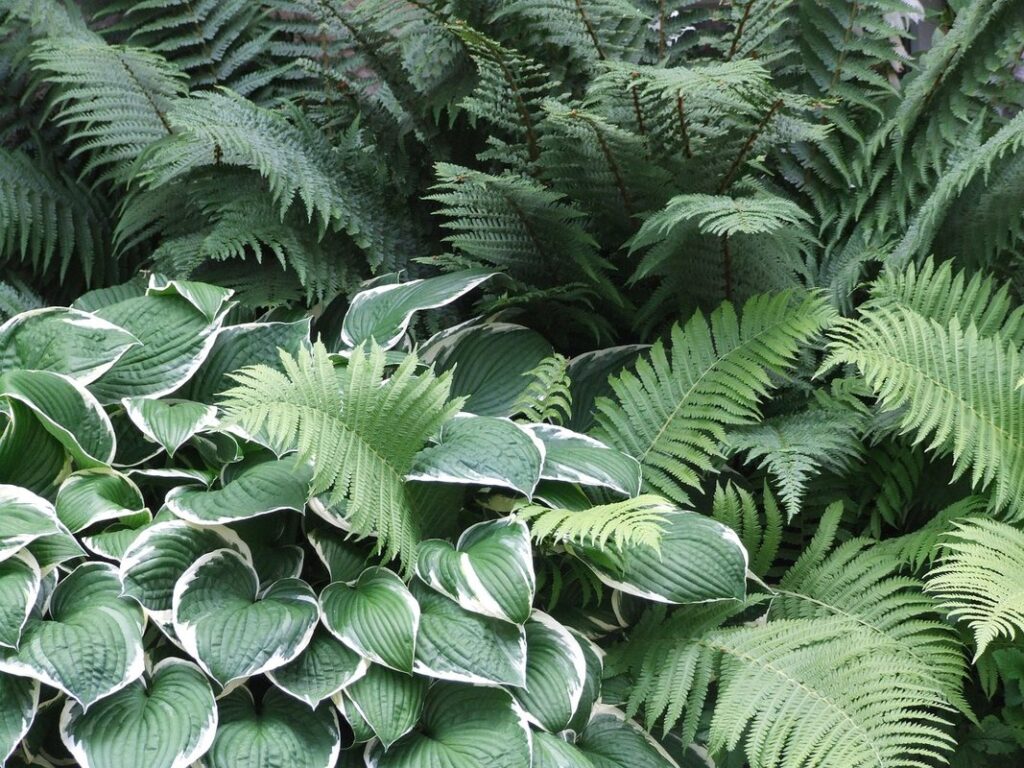
Planning Your Hosta and Fern Garden
Now that you have a solid understanding of these beautiful plants, it’s time to think about how to plan your hosta and fern garden for maximum impact.
Choosing the Right Location
When it comes to planning your hosta and fern garden, choosing the right location is crucial for their health and success. As a rule of thumb, hostas prefer partial shade to full sun, depending on the variety. If you’re planting a variety that thrives in full sun, look for a spot that receives at least six hours of direct sunlight per day. On the other hand, if your hosta prefers partial shade, aim for four to five hours of indirect sunlight.
When it comes to drainage, make sure the area you choose doesn’t collect water or have standing puddles after rainfall. Ferns are particularly sensitive to wet conditions and can be susceptible to root rot if their roots sit in waterlogged soil. Check the slope and incline of your yard to ensure that water will drain easily away from your plants.
Before planting, inspect the soil to determine its pH level and nutrient content. Hostas and ferns prefer slightly acidic to neutral soil (pH 6.0-7.0). Test your soil and amend it if necessary to create an optimal growing environment for your hosta and fern garden.
Selecting Varieties of Hostas and Ferns
When selecting varieties of hostas and ferns for your garden, it’s essential to consider their specific needs and characteristics. For instance, miniature hostas are perfect for small spaces and can thrive in partial shade, while large-leafed varieties prefer full shade and can grow up to 3 feet tall.
In terms of ferns, the autumn fern (Dryopteris erythrosora) is a popular choice that tolerates dry spells and requires minimal maintenance. On the other hand, the maidenhair fern (Adiantum spp.) prefers consistently moist soil and partial shade. When choosing between these two fern types, consider your garden’s specific climate and soil conditions.
To ensure your hostas and ferns receive adequate moisture, choose varieties that are drought-tolerant or require minimal watering. For example, the ‘Blue Mouse Ears’ hosta variety has small leaves that reduce water loss, while the ‘Misty Mood’ hosta is a compact variety that thrives in partial shade.
When selecting plant varieties, remember to consider factors like mature size, growth rate, and maintenance requirements. This will help you create a harmonious and low-maintenance garden that showcases your chosen hostas and ferns.
Designing Your Hosta and Fern Garden Layout
Now that you have your hostas and ferns selected, it’s time to think about how they’ll look together in a beautiful garden layout. Let’s explore some design principles to guide you through this process.
Creating a Balance Between Plants
When designing your hosta and fern garden layout, it’s essential to create a balance between these two types of plants. This means grouping them together for maximum visual interest while leaving space between them for air circulation.
To achieve this balance, start by selecting a few statement-making hostas with varying leaf sizes, colors, or shapes. Place them in the center or focal point of your garden bed, creating a cohesive group. Then, surround these statement plants with ferns that will complement their shape and texture. Use a mix of upright and compact fern species to add depth and visual interest.
As you place each hosta and fern, consider the mature size of each plant to ensure there’s enough space between them for air circulation. A good rule of thumb is to leave at least 12-18 inches between large plants and smaller ones like compact ferns or miniature hostas. This will prevent fungal diseases from taking hold in the dense foliage and keep your garden healthy and thriving.
Incorporating Other Elements into the Garden
As you design your hosta and fern garden layout, consider incorporating other elements to create a visually stunning and inviting space. Stepping stones, for instance, can be strategically placed throughout the garden to guide visitors through the lush foliage while also adding texture and visual interest. You can choose from a variety of materials, such as natural stone or brick, to match your garden’s aesthetic.
A small water feature, like a bubbling fountain or a simple birdbath, can also enhance the ambiance of your hosta and fern garden. The soothing sounds of running water will create a calming atmosphere, making it perfect for relaxation or meditation. Just ensure that the water feature is situated in an area where it won’t compete with the plants’ beauty.
Outdoor lighting is another element to consider when designing your garden layout. Solar-powered lights can be placed among the hosta and fern foliage to highlight their unique textures and add a warm glow to the space. This will also allow you to enjoy your garden during late evening hours, making it perfect for entertaining or relaxation.
Planting and Maintenance Tips
To ensure your hosta and fern garden thrives, let’s dive into some practical planting and maintenance tips to keep your plants happy and healthy all season long.
Preparing the Soil for Planting
When it comes to creating a stunning hosta and fern garden plan, proper soil preparation is key. Before planting, take some time to assess the condition of your soil. Hostas and ferns prefer well-draining, rich soil that’s high in organic matter. If your soil is heavy clay or sandy, amend it with compost or well-rotted manure to improve its structure.
To do this, mix in 2-3 inches of compost or well-rotted manure into the top 6-8 inches of soil. You can also add a layer of leaf mold or peat moss to help retain moisture and suppress weeds. If your soil is lacking essential nutrients, consider adding a balanced fertilizer according to the manufacturer’s instructions.
The goal is to create a fertile, well-draining environment that allows hostas and ferns to thrive. Remember that these plants have different growing requirements, so be sure to research specific needs for each variety. For example, some hosta varieties prefer slightly acidic soil while others tolerate a wider pH range. By taking the time to prepare your soil properly, you’ll set yourself up for success in creating a stunning and long-lasting hosta and fern garden plan.
Watering and Fertilizing Techniques
When it comes to creating a stunning hosta and fern garden plan, watering and fertilizing techniques are crucial for their health and growth. Hostas and ferns prefer moist soil but can be susceptible to overwatering, which can lead to root rot and other issues.
To determine the right watering schedule, check the soil moisture by inserting your finger into the soil up to about 2-3 inches deep. If the soil feels dry, it’s time to water. Aim for about 1-2 inches of rainfall or irrigation per week during hot summer months. It’s also essential to mulch around plants to retain moisture and suppress weeds.
When it comes to fertilizing, hostas and ferns benefit from a balanced fertilizer applied in the spring after new growth emerges. You can use a slow-release fertilizer or compost tea as an alternative. Mix 1 part compost with 10 parts water for a liquid solution that will provide essential nutrients without burning plant roots. Apply the fertilizer or compost tea according to package instructions, taking care not to overfertilize and potentially harm your plants.
Tips for Winter Care and Protection
To keep your beautiful hosta and fern garden thriving, you’ll want to protect them from winter damage by following these simple tips. This will ensure they’re ready for another stunning season of growth.
Protecting Plants from Harsh Weather Conditions
As you plan and create your stunning hosta and fern garden, it’s essential to protect these beautiful plants from harsh winter conditions. Extreme cold, wind, and snow can damage or even kill your beloved hostas and ferns if they’re not properly shielded.
One of the best ways to safeguard your plants is through mulching. Apply a thick layer (3-4 inches) of organic mulch like straw, bark chips, or pine needles around the base of your hostas and ferns. This will help insulate the soil, regulate moisture, and prevent heaving (when frozen soil pushes roots up). You can also use evergreen boughs or branches to create a living mulch.
Another solution is to cover plants with breathable materials like burlap or frost blankets. These will protect your hostas and ferns from harsh winds and snow while allowing moisture to escape. If you have potted plants, consider bringing them indoors during winter or placing them in an unheated garage or sunroom. Make sure the containers are large enough for the roots to breathe and the soil isn’t waterlogged.
Regularly check on your plants throughout winter, removing any debris or damaged foliage that may attract pests or diseases. By taking these simple precautions, you’ll ensure your hosta and fern garden remains healthy and vibrant even in the harshest of winters.
Dividing and Transplanting Hostas in the Spring
When spring arrives, it’s time to revive and rejuvenate your hosta plants. Dividing and transplanting hostas in the spring is an excellent way to promote healthy growth, encourage new foliage, and maintain their vibrant appearance. Typically, this process should be done when the soil has warmed up slightly but before new growth begins.
To divide and transplant hostas successfully, you’ll need a few essential tools: a sharp, sterile knife or garden spade for digging and separating rhizomes; a trowel for transplanting; and gloves to protect your hands from any remaining sap. Begin by carefully digging around the clump of hostas, making sure not to damage the surrounding soil. Gently separate the individual plants, using the knife to cut through any thick or tangled roots.
Once divided, replant the hostas in a spot with partial shade and well-draining soil, about 12-18 inches apart. Water thoroughly after transplanting and provide consistent moisture throughout their first growing season. By doing so, you’ll be giving your hostas a fresh start and ensuring they continue to thrive in your stunning hosta and fern garden plan.
Troubleshooting Common Issues
As you start planning and building your hosta and fern garden, you may encounter some common issues along the way. This section will help you troubleshoot those problems to ensure a thriving and beautiful garden.
Identifying Pests and Diseases
When it comes to creating a stunning hosta and fern garden plan, it’s essential to be aware of common pests and diseases that can affect these beautiful plants. Slugs and snails are one of the most significant threats to hostas and ferns, as they feed on the leaves and stems at night. To identify slug and snail infestations, look for holes or tears in the leaves, as well as a sticky substance left behind by their slimy trails.
Leaf spot is another common issue that can affect both hostas and ferns. This fungal disease appears as small, circular patches on the leaves, often with a yellowish or brownish center. To prevent leaf spot, make sure to provide good air circulation around your plants and avoid overhead watering, which can encourage fungal growth.
If you do encounter any of these issues, don’t panic! With prompt treatment, you can save your plants from further damage. For slugs and snails, set up traps or barriers around the affected areas, while for leaf spot, apply a fungicide according to the product’s instructions. Regularly inspecting your plants will help you catch any problems early on, allowing you to take action before they spread.
Addressing Soil-Borne Problems
When creating a stunning hosta and fern garden plan, it’s essential to address potential soil-borne problems that can hinder their growth. Poor drainage is one common issue that can lead to waterlogged soil, root rot, and other problems. To diagnose poor drainage, look for signs such as water pooling around plants or soggy soil that takes a long time to dry out.
To address poor drainage, consider raised beds or improving the soil structure by adding organic matter like compost or perlite. These materials help improve soil’s ability to absorb and filter water, reducing the risk of waterlogging.
Nutrient deficiencies are another issue that can affect hosta and fern growth. Symptoms include yellowing leaves or stunted plants. To diagnose nutrient deficiencies, test your soil pH and nutrient levels using a DIY kit or consult with a local nursery expert.
To address nutrient deficiencies, add a balanced fertilizer in the spring and fall, following the manufacturer’s instructions. You can also incorporate compost tea into your fertilization routine for an extra boost of nutrients.
Conclusion: Bringing Your Hosta and Fern Garden to Life
Now that you’ve planned your hosta and fern garden, it’s time to bring it to life! Start by selecting a variety of plants that fit within your color scheme and provide contrasting textures. Don’t be afraid to mix in some flowering perennials like coneflowers or black-eyed Susans to add pops of color and interest. As you begin planting, remember to stagger the heights of your hostas and ferns to create visual layers throughout the garden.
Take a step back and admire your handiwork as you continue to add more plants and decorative elements. Use a mix of large rocks, gravel, or wood chips to create pathways that invite exploration through the garden. As the seasons change, remember to mulch around your perennials to retain moisture and suppress weeds, keeping your hosta and fern garden looking its best all year round.
Frequently Asked Questions
Can I Mix Hostas with Other Plants Beyond Just Ferns?
You can create a stunning hosta and fern garden by incorporating other shade-loving plants like impatiens, astilbe, or hydrangea. These plants will add color and texture to your garden while complementing the foliage of your hostas and ferns. When selecting companion plants, consider their mature size, growth habits, and sun requirements to ensure a harmonious balance in your garden.
How Do I Protect My Hosta and Fern Garden from Extreme Weather Conditions?
Protecting your hosta and fern garden from harsh weather conditions is crucial for its survival. Yes, you can use mulch or straw to insulate the soil and prevent erosion during heavy rainfall. Additionally, consider using windbreaks like trellises or screens to shield your plants from strong winds. Waterlogged soil can be a major issue; ensure proper drainage by incorporating organic matter into the soil.
Can I Divide and Transplant Hostas in the Spring?
Yes, you can divide and transplant hostas in the spring when new growth begins. This is an excellent time to propagate hostas and share them with friends or family members. To do this successfully, dig up the entire clump, separate the rhizomes, and replant them in a well-draining area with partial shade.
How Often Should I Water My Hosta and Fern Garden?
Watering frequency will depend on your local climate and soil conditions. As a general rule of thumb, water your hostas and ferns when the top inch of soil feels dry to the touch. Avoid overwatering, which can lead to root rot and other issues. In hot summer months, you may need to water more frequently, while in cooler seasons, less frequent watering is acceptable.
Can I Grow Hostas and Ferns in Containers?
Yes, you can grow hostas and ferns in containers if you choose the right size and type of pot. Select a container with good drainage holes to prevent waterlogged soil. Use a well-draining potting mix specifically designed for shade plants. Keep in mind that hostas and ferns will require more frequent watering in containers due to the limited root space.