
If you’re anything like me, you’ve probably fallen in love with the unique beauty of the horsetail plant. But let’s be real – its striking appearance and versatility aren’t the only things that make it a great addition to your garden. With proper care, this low-maintenance plant can thrive in even the most challenging conditions.
In our comprehensive guide to horsetails plant care, we’ll dive into everything you need to know about growing these fascinating plants. We’ll cover their light requirements, soil conditions, and watering schedules – all the essential factors that will help your horsetails flourish. You’ll also learn how to fertilize, prune, and propagate these incredible plants, giving you the confidence to tackle any care challenge that comes your way. Whether you’re a seasoned green thumb or just starting out, our expert advice will have you growing healthy, thriving horsetails in no time.
Understanding Horsetails
To truly care for horsetail plants, it’s essential to understand their unique needs and characteristics. Let’s dive into what makes these fascinating plants tick.
What are Horsetails?
Horsetails have been around for over 400 million years, and it’s no wonder why they’ve managed to thrive despite the changing environment. These unique plants are classified under the division Spermatophyta, but they’re actually part of a distinct group that predates modern vascular plants.
You might be familiar with common names like Equisetum arvense (field horsetail) or Equisetum telmateia (giant horsetail). Horsetails come in over 100 species, and their classification is still debated among botanists. What’s not up for debate, however, is their adaptability – these plants can grow in a wide range of environments, from wetlands to dry fields.
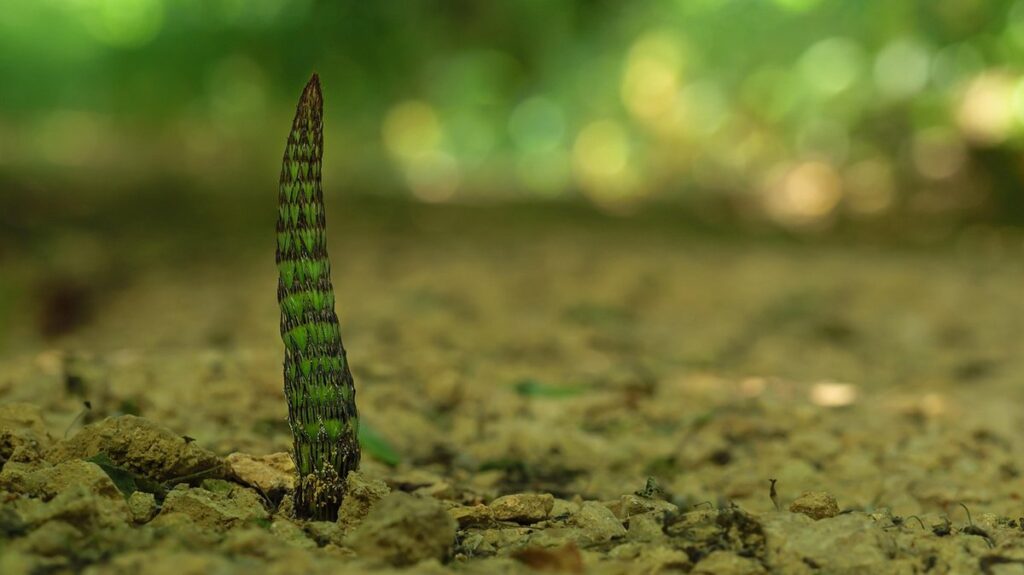
One thing that sets horsetails apart from other plants is their distinctive appearance. They’re recognizable by their hollow stems and feathery fronds, which resemble horse tails (hence the name). But don’t let their striking looks fool you – horsetails are also known for their medicinal properties and ability to purify water.
Despite their fascinating history and unique features, many people struggle to grow horsetails successfully. It’s not because they’re finicky plants, but rather because they require specific conditions to thrive. In the next section, we’ll dive into the essential care tips you need to know for healthy horsetail growth.
Importance of Horsetails in Gardening
Growing horsetails is not just about adding a unique feature to your garden; it’s also about leveraging their numerous benefits for your ecosystem and even personal well-being. One of the most significant advantages of having horsetails in your garden is their ability to control erosion. These hardy plants have deep roots that help hold soil together, preventing landslides and maintaining soil quality.
In addition to erosion control, horsetails also serve as a vital habitat for local wildlife. They provide shelter and food sources for various insects, birds, and small mammals, contributing to the overall biodiversity of your garden. Moreover, some species of horsetails have been found to possess medicinal properties, such as anti-inflammatory and antibacterial compounds.
To maximize these benefits, consider creating a dedicated area in your garden for growing horsetails. Provide them with moist soil and partial shade, and avoid over-watering or using chemicals that can harm the plants’ delicate ecosystem. By incorporating horsetails into your gardening routine, you’ll not only add visual interest but also contribute to a healthier environment for both humans and wildlife.
Choosing the Right Location
When it comes to growing horsetails, selecting a spot that suits their unique needs is crucial. Let’s explore how to choose the perfect location for your plants to thrive.
Light Requirements for Horsetails
When it comes to lighting for horsetails, there’s no one-size-fits-all approach. Different species have varying light requirements, which is essential to consider when choosing the right location for your plants.
For example, Equisetum arvense (field horsetail) and Equisetum sylvaticum (woodland horsetail) prefer full sun to partial shade. They can thrive in areas receiving 4-6 hours of direct sunlight per day, but be cautious not to expose them to intense midday sun, which can cause scorching.
On the other hand, some species like Equisetum ramosissimum (branched horsetail) and Equisetum palustre (marsh horsetail) prefer partial shade to deep shade. These plants often thrive in woodland environments or areas with dappled sunlight filtering through trees.
To determine the optimal light conditions for your horsetails, observe their natural habitats. If you’re growing a species that prefers full sun, choose a location that receives direct sunlight for at least 4-6 hours per day. Conversely, if your plant thrives in shade, select an area with dappled or filtered sunlight.
Soil Conditions for Horsetails
When it comes to choosing the right location for growing horsetails, soil conditions play a crucial role. Horsetails are adaptable plants that can thrive in various soil types, but they do have specific requirements when it comes to pH levels.
In general, horsetails prefer well-draining acidic soils with a pH range of 5.5 to 6.5. However, they can also grow in neutral soils with a pH between 6.5 and 7.5. It’s essential to note that alkaline soils with a high pH level above 8.0 are not suitable for horsetails as they may lead to nutrient deficiencies.
If your soil is too alkaline, you can try mixing in some peat moss or sulfur to lower the pH. On the other hand, if your soil is too acidic, adding limestone or dolomitic lime can help neutralize it. It’s also worth noting that horsetails can tolerate a wide range of nutrient levels, but they will perform best in soils with moderate nutrient availability.
When planting horsetails, make sure to prepare the soil by loosening it to a depth of about 12 inches and adding any necessary amendments before introducing the plants.
Planting and Spacing Horsetails
When planting horsetails, proper spacing is crucial for healthy growth, so it’s essential to learn how to plant them correctly in their ideal environment. We’ll walk you through the specific requirements for planting and spacing these unique plants.
Preparing the Soil
Before planting horsetails, it’s essential to prepare the soil properly. This involves removing weeds and debris that can compete with your plants for nutrients and water. Start by clearing a large area around the designated planting site. Use a fork or spade to loosen the top 6-8 inches of soil, being careful not to damage any underlying roots.
Next, remove any weeds or debris that are visible in the area. This may include grasses, broadleaf plants, and other weeds that can grow quickly and overshadow your horsetails. You can use a weeding tool or even a simple tool like a trowel to manually remove these unwanted growths. Be sure to dispose of them properly to avoid spreading seeds and propagating more weeds.
Once the area is clear, it’s time to loosen the soil further. Use a fork to gently aerate the soil, working in a zig-zag pattern to help break up any clumps or compacted areas. This will ensure that your horsetails have an easy path to establish their roots and grow strong and healthy. With a little bit of effort upfront, you’ll be well on your way to creating a thriving environment for your new plants.
Planting Methods for Horsetails
When it comes to planting horsetails, you have several methods to choose from. One of the most straightforward ways is sowing seeds directly in the ground. This method allows the plants to establish themselves naturally and can be a cost-effective option. To sow seeds successfully, prepare a moist soil environment with a pH between 5.5 and 7.0. Sow seeds about 1-2 inches deep and 12-18 inches apart, as horsetails require adequate space for growth.
Alternatively, you can transplant established horsetail plants from another location or nursery. This method is ideal if you’re short on time or want to achieve instant gratification. When transplanting, dig a hole that’s slightly larger than the plant’s root system and gently place the roots into the new soil. Water thoroughly and provide adequate sunlight for proper establishment.
Some gardeners also choose to propagate horsetails through division, which involves separating mature plants into smaller sections to increase their numbers. This method is best done in early spring or fall when the plants are dormant, reducing transplant shock. Regardless of the planting method you choose, ensure that your horsetail plants receive consistent moisture and adequate light for optimal growth.
Watering and Irrigation
When it comes to caring for your horsetail plant, proper watering is crucial to prevent overwatering and root rot. In this next part, we’ll discuss how often to water and the best irrigation techniques.
How Often to Water Horsetails
When it comes to watering horsetails, getting the frequency just right can be a bit tricky. The optimal schedule will depend on a few key factors, including climate and soil type.
In general, horsetails prefer moist but well-draining soil, which means they don’t like to be waterlogged. In hot, dry climates, you may need to water your horsetails more frequently – think every 2-3 days during the peak summer months. On the other hand, in cooler, rainier regions, you can get away with watering less often – maybe once a week during the spring and fall.
The type of soil you’re using will also play a role. If your horsetails are planted in sandy or loamy soil, they’ll dry out faster than those in clay-based soils. Keep an eye on the top inch of soil – if it feels dry to the touch, it’s time for a drink.
As a general rule of thumb, water your horsetails when the top inch of soil feels dry to the touch. This will help prevent overwatering, which can lead to root rot and other problems. And remember, it’s always better to err on the side of caution – under-watering is easier to correct than over-watering.
Drought Tolerance of Horsetails
When it comes to watering horsetails, some species are more drought-tolerant than others. The most common species, Equisetum arvense, is surprisingly adaptable to dry conditions and can survive with minimal watering. However, other species like Equisetum sylvaticum are less tolerant of drought and require consistent moisture.
To minimize water waste when growing horsetails in areas prone to drought, consider the following tips: Mulch around the base of your plants to retain soil moisture, avoid over-watering, which can lead to root rot, and choose a location with good air circulation to reduce evaporation. Watering deeply but infrequently encourages deep root growth, helping your horsetail plant withstand dry spells.
In regions where water is scarce, it’s also essential to monitor soil moisture levels regularly by inserting a finger into the soil up to the first knuckle. If the soil feels dry at this depth, it’s time to water. Be cautious not to over-water during periods of high temperatures or prolonged drought.
Fertilization and Pruning
To help your horsetail plant thrive, it’s essential to understand how to fertilize and prune it effectively. In this next part of our care guide, we’ll walk you through the best practices for these critical tasks.
Nutrient Requirements for Horsetails
Horsetails are known to be adaptable plants, but they still require specific nutrient requirements to thrive. When it comes to fertilizing horsetails, you’ll want to focus on providing them with the essential macronutrients and micronutrients necessary for growth.
A well-balanced fertilizer will typically include nitrogen (N), phosphorus (P), and potassium (K) as the primary macronutrients. Horsetails prefer a slightly acidic to neutral soil pH, between 6.0 and 7.0. As such, you’ll want to aim for a balanced fertilizer with a nitrogen-phosphorus-potassium ratio of around 10-10-10 or a mix of organic matter.
Organic fertilizers, like compost tea or worm castings, are excellent choices as they provide a slow release of nutrients and improve soil structure. You can also use synthetic fertilizers, but be cautious not to over-fertilize, which can damage the plant’s roots. When applying fertilizer, start with a small amount (about 1/4 teaspoon per gallon) and adjust based on the plant’s response.
In terms of micronutrients, horsetails require boron, copper, iron, manganese, molybdenum, zinc, and sulfur. These can be supplemented through fertilizers or by adding small amounts of these elements to the soil.
Pruning and Maintenance Techniques
Pruning is an essential part of horsetails plant care, as it helps control the plant’s height, promotes healthy growth, and prevents disease. When pruning horsetails, it’s best to cut back the stems to about one-third of their height. This will encourage new growth from the base of the plant and prevent it from becoming leggy.
To promote a bushy shape, prune individual shoots in late winter or early spring, removing any weak or spindly growth. Cut just above a node (the joint where a leaf meets the stem) to encourage branching. Make clean cuts using sharp pruning tools, taking care not to damage the plant’s delicate stems.
Regular maintenance is also crucial for preventing disease in horsetails. Remove any dead or dying foliage immediately, as this can spread infection to other parts of the plant. Keep an eye out for signs of pests like spider mites, mealybugs, and scale, which can be treated with insecticidal soap or neem oil.
By incorporating regular pruning and maintenance into your horsetails care routine, you’ll be able to keep your plants healthy and thriving all year round.
Common Problems and Pests
Horsetails can be a low-maintenance addition to your garden, but they’re not immune to common problems. Let’s take a look at some of the pests and issues that may affect your horsetail plants.
Identifying Common Issues with Horsetails
Horsetails are relatively low-maintenance plants, but they can still be susceptible to various issues that affect their health. One common problem is nutrient deficiencies, particularly a lack of nitrogen, iron, and magnesium. This can cause symptoms such as yellowing leaves, stunted growth, or weak stems.
Pests like spider mites, mealybugs, and scale insects can also infest horsetails. These tiny creatures feed on plant sap, causing damage to the plant’s tissues. To identify an infestation, look for white cottony patches, sticky honeydew droplets, or actual insects on the leaves.
Diseases like root rot and leaf spot can also affect horsetails. Root rot is caused by overwatering, leading to fungal growth in the roots. Leaf spot is a bacterial disease that causes black spots on the leaves, eventually killing them. Regularly inspect your plant for signs of pests or diseases and address the issue promptly.
To prevent these issues, ensure good air circulation, water carefully, and maintain a balanced fertilization schedule. Inspect your plant regularly to catch any problems early, making it easier to treat them effectively.
Solutions to Common Horsetail Problems
Horsetails can be prone to certain issues, but there are solutions to these problems. One common issue is root rot, which occurs when the plant’s roots sit in waterlogged soil for an extended period. To prevent this, ensure good drainage by elevating the pot or using a well-draining mix. If you do notice signs of root rot, carefully remove the affected area and repot the plant in fresh soil.
Pests like spider mites, mealybugs, and scale can also be problematic for horsetails. To prevent infestations, inspect your plants regularly and isolate new additions before introducing them to the rest of your collection. If you do encounter pests, treat the plant with insecticidal soap or neem oil according to the product’s instructions.
Another issue is leaf tip burn, which can be caused by overwatering or exposure to extreme temperatures. To prevent this, maintain a consistent watering schedule and provide your horsetail with bright, indirect light. If you do notice leaf tip burn, reduce watering until new growth appears.
Frequently Asked Questions
Can I grow horsetails indoors, or do they require outdoor conditions?
Horsetails can be grown indoors, but it’s essential to replicate their natural environment as closely as possible. Provide bright, indirect light and maintain a humid atmosphere by placing the pot on a tray with pebbles and water. Be cautious not to overwater, as indoor horsetails are more susceptible to root rot.
How do I handle common pests like spider mites or mealybugs on my horsetail plants?
Identify infested areas carefully before treating your horsetails. For minor issues, try rinsing the plant with water and neem oil. More severe cases may require insecticidal soap or systemic pesticides, but always follow the product instructions to avoid harming the plant.
What’s the best way to propagate new horsetail plants from mature ones?
To propagate horsetails, cut 4-6 inch stem sections in late spring or early summer and place them in water. After roots develop (usually within a few weeks), transfer the cutting into moist potting mix, keeping it consistently humid until established.
Can I grow horsetails in containers with poor drainage?
Horsetails are relatively tolerant of poor soil conditions but will still thrive better in well-draining containers. If using containers with limited drainage, be extra cautious not to overwater and increase the frequency of fertilization to compensate for nutrient deficiencies.
How long does it take for new horsetail plants to mature after planting?
Horsetails can grow surprisingly fast – some species can reach maturity within 6-12 months under ideal conditions. However, factors like soil quality, light exposure, and watering schedules significantly impact growth rates, so be patient and monitor your plants’ progress regularly.