
Hornworms can be devastating to your crops, causing significant damage and loss. But did you know that identifying these pesky pests is easier than you think? With their distinctive appearance and voracious appetite, hornworms are relatively simple to recognize – once you know what to look for. In this article, we’ll delve into the world of hornworm identification, covering not just how to spot them but also understanding their life cycle and behavior. We’ll explore integrated pest management strategies that will help you prevent infestations from taking hold in the first place. By the end of this comprehensive guide, you’ll be equipped with the knowledge to confidently recognize and manage hornworms, protecting your crops from these unwanted visitors.
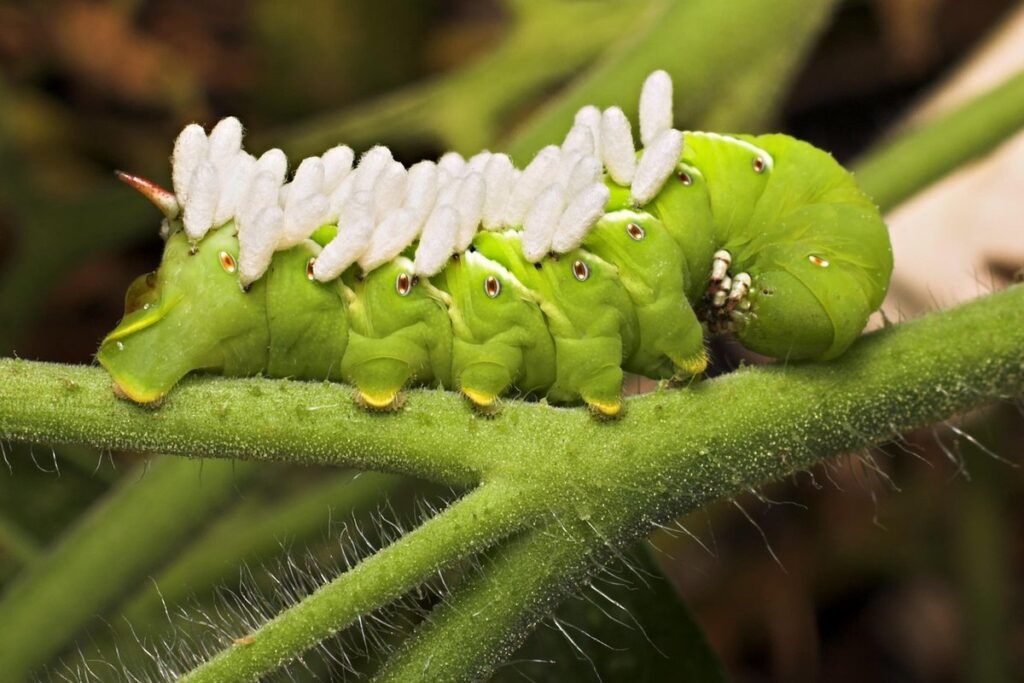
What are Hornworms?
Hornworms are a type of large caterpillar that belongs to the moth family, specifically the hawk moths. Understanding their basic characteristics is crucial for accurate identification.
Definition and Classification
Hornworms are one of the most common pests affecting tomato plants and other Solanaceae family members. To understand how to identify them effectively, it’s essential to grasp their definition and classification.
At its core, a hornworm is the larval stage of five species within the moth family (Sphingidae). These include the tobacco hornworm (Manduca sexta), tomato hornworm (Manduca quinquemaculata), and three other lesser-known species. The term “hornworm” specifically refers to Manduca species, which are distinguished by their distinctive horn-like protrusions.
In terms of classification, hornworms belong to the order Lepidoptera, which comprises moths and butterflies. Their life cycle consists of four stages: egg, larva (the hornworm stage), pupa, and adult. The larval stage is the most destructive, as it feeds voraciously on plant tissues. Understanding this basic classification and life cycle can help you better identify these pests and implement effective control measures.
Some common characteristics that distinguish hornworms from other insects include their large size (typically up to 4 inches long), green or brown coloration, and distinctive protrusions near the rear end of the body. By being aware of these defining features, you’ll be well-equipped to spot and manage these pests in your garden.
Types of Hornworms
There are two primary species of hornworms that are commonly encountered by gardeners and farmers: the tobacco hornworm (Manduca sexta) and the tomato hornworm (Manduca quinquemaculata). While they share some similarities, these pests have distinct characteristics that can help with identification.
The tobacco hornworm is larger in size compared to its tomato counterpart. Its body is a dull green color with five white stripes running along its sides. A distinctive feature of the tobacco hornworm is the presence of a large, fleshy horn protruding from the rear end of its abdomen. This horn can reach up to 2 inches in length and serves as a defense mechanism against predators.
The tomato hornworm, on the other hand, has a more rounded body with five white stripes that are typically less distinct than those found on the tobacco hornworm. It lacks the prominent horn found on its larger cousin but has a smaller, rounded protrusion from the rear end of its abdomen instead. Both species have a similar diet and can be found feeding on various plants in the nightshade family.
Physical Characteristics
To accurately identify a hornworm, let’s take a closer look at its physical characteristics, including size, coloration, and any distinctive markings. These details can be crucial in determining the species.
Body Structure
Hornworms are large, stout insects with distinctive physical characteristics that set them apart from other pests. Upon close inspection, you’ll notice their elongated body shape, typically around 4-6 inches (10-15 cm) in length, which is roughly the same size as a small stick insect. This robust appearance is due to their massive appetite for plant material, particularly tomato and pepper plants.
The color of hornworms can vary, but they are often green or brownish-green, allowing them to blend seamlessly into their surroundings. Their body features two prominent thoracic horns protruding from the head, hence their name. These horns are usually a darker shade than the rest of the insect’s body and serve as a defense mechanism.
When inspecting for hornworms, pay attention to the patterns on their bodies – they can have stripes or spots that resemble those found on leaves. If you’re still unsure about an identification, gently touch the insect; hornworms are often covered in a fine layer of hair-like structures called setae, giving them a somewhat fuzzy texture.
This distinctive combination of size, coloration, and body shape makes hornworms easy to identify, especially when compared to other pests.
Distinctive Features
One of the most distinctive features of hornworms is their characteristic horn-like protrusions, also known as corium, on the last segment of their body. This prominent feature can vary in size and shape depending on the species, but it’s often a bright yellow or white color. The horn is usually pointed at the end and can be quite large, making it an essential identifier for hornworms.
In addition to the horn, another notable feature is the presence of a pair of small, pointed horns or projections near the rear of the body, just below the corium. These are called “coriaceous tubercles” and can also help with identification.
When inspecting hornworms, it’s essential to look for these distinct features, as they are often absent in other caterpillar species. To make a positive identification, compare the horn shape, size, and coloration to those found on the larvae of known hornworm species.
Habitat and Distribution
To better understand where hornworms can be found, let’s take a closer look at their habitat and distribution patterns around the world. This includes identifying areas with high concentrations of these pests.
Native and Introduced Species
When it comes to hornworm identification, understanding the native and introduced species is crucial for accurate classification. Hornworms are predominantly found in North America, with five main species recognized: the tobacco hornworm (Manduca sexta), the hawk moth hornworm (Manduca quinquemaculata), the tomato hornworm (Manduca quinquemaculata var.), the cotton bollworm (Helicoverpa armigera), and the beet armyworm (Spodoptera exigua).
The tobacco hornworm is considered native to North America, while the other species have been introduced through trade and human activity. Introduced species can outcompete native species for resources, potentially disrupting local ecosystems. For example, in the southeastern United States, the tomato hornworm has become a significant pest due to its ability to adapt to various host plants.
To identify native versus introduced species, look for distinctive markings and habits. Native hornworms tend to have more pronounced patterns on their bodies compared to introduced species. Introduced species may also exhibit altered feeding behaviors or habitat preferences. When identifying hornworms in your area, consider consulting local field guides or expert entomologists for guidance on distinguishing between native and introduced species.
Preferred Host Plants
Hornworms have a distinct preference for certain host plants, and being aware of these preferences is crucial for identification. The most common host plants for hornworms are tomato (Solanum lycopersicum), tobacco (Nicotiana tabacum), and other members of the Solanaceae family, such as peppers, eggplants, and potatoes.
In fact, tomato is often considered the primary host plant for the hawk moth’s larvae, which are commonly referred to as hornworms. This close association has led many gardeners and farmers to mistake hornworm infestations on tomatoes for other pests. When inspecting a suspected infestation, check for the presence of tomato leaves or stems, as this can be a clear indicator that you’re dealing with hornworms.
Tobacco is another preferred host plant, although it’s less common in home gardens. If you notice hornworms on your tobacco plants, it’s essential to take action quickly to prevent infestations from spreading to other parts of the garden.
Life Cycle and Behavior
As you continue on your journey of identifying hornworms, let’s dive into their life cycle and behavior to better understand these pests. Understanding how they live will help you detect infestations more effectively.
Egg Stage
The hornworm’s life cycle begins with the egg stage, which is typically laid by the female hawk moth. Female moths are attracted to plants that provide a suitable environment for their eggs, such as tobacco, tomato, or cotton plants. The female will lay her eggs on the underside of leaves or stems, usually in clusters of 10-20 eggs.
The hornworm eggs themselves are small, white, and cylindrical, ranging from 0.5-1 mm in length. They have a smooth texture and are often difficult to spot without close examination. To locate the eggs, inspect the undersides of leaves, particularly on plants with a high nitrogen content, as these provide optimal conditions for hornworm development.
It’s essential to be aware that early detection of hornworm eggs is crucial for effective management and control. Regular monitoring of your crops can help you identify egg-laying sites before the larvae emerge, allowing you to implement integrated pest management (IPM) strategies to minimize damage.
Larval Stage
The larval stage of the hornworm life cycle is one of the most crucial phases, as it’s during this time that the damage to crops occurs. Hornworm larvae, also known as instars, emerge from eggs laid by female hawk moths and feed on plant tissues, including leaves, stems, and fruit. The growth rate of hornworm larvae is rapid, with some species capable of consuming entire plants in a matter of weeks.
As they grow, hornworm larvae can cause significant damage to crops, leading to reduced yields and economic losses for farmers. The feeding habits of hornworm larvae are voracious, with the ability to consume large amounts of plant material. For example, a single corn ear can be destroyed by a hungry hornworm larva in just one night. To control hornworm populations, farmers must monitor their crops regularly and remove any infested areas to prevent the spread of damage.
Some species of hornworms, like the tobacco hornworm, are more destructive than others due to their larger size and appetite.
Pupal Stage
The pupal stage of the hornworm life cycle is a critical phase where the caterpillar undergoes a dramatic transformation to emerge as an adult moth. This stage can last anywhere from 7-14 days, depending on factors such as temperature and humidity.
During this period, the hornworm’s body breaks down into a liquid-like state, releasing enzymes that dissolve most of its tissues. The pupa, also known as a chrysalis, is formed when the caterpillar’s cells reorganize to create the adult moth’s organs, muscles, and skin. It’s during this time that the hornworm’s body undergoes significant changes, including the formation of wings, reproductive organs, and other adult features.
To identify a pupal stage hornworm, look for a stationary, motionless caterpillar with a slightly shrunken appearance. The pupa will be attached to a leaf or twig, often in a protected location such as under a branch or in a crevice. While it’s difficult to determine the sex of the moth at this stage, observing the size and shape of the pupa can provide clues about its future adult form.
Identification Tips
To accurately identify hornworms, look for distinctive features such as their size, color, and markings, which can vary depending on the species. Pay close attention to these characteristics to ensure correct identification.
Visual Inspection
When inspecting your plants for hornworms, it’s essential to know where and what to look for. Start by checking the undersides of leaves, stems, and branches, as these are common hiding spots for these pests. Look for large, green caterpillars with white or yellow stripes, typically found on the lower parts of plants.
Inspect the areas around flowers, fruit, and new growth, as hornworms tend to congregate in these areas. Check the soil around the base of plants, as eggs can be laid there. Keep an eye out for frass (insect waste) and damaged leaves or stems, which are signs that hornworms may be present.
When inspecting your plants, gently turn over large leaves and check their undersides carefully. Use a flashlight to illuminate dark areas, making it easier to spot hornworms hiding in the shadows. Be thorough in your inspection, as small infestations can quickly escalate into larger problems if left unchecked. Regular visual inspections will help you catch hornworm infestations early on, reducing damage to your plants and preventing long-term problems.
Monitoring Methods
Monitoring hornworm infestations requires a combination of vigilance and strategic monitoring methods. To detect these pests early on, consider using sticky traps. These adhesive traps are designed to capture insects without harming them, making it easy to identify the presence of hornworms. Place sticky traps near areas where hornworms tend to congregate, such as around plants or in greenhouses.
Another effective monitoring method is pheromone traps. Hornworms release sex-specific pheromones that can attract other hornworms of the same sex. By releasing pheromones that mimic these scents, pheromone traps can lure in female hornworms, making it easier to detect infestations. To increase their effectiveness, place pheromone traps near areas with high hornworm activity.
It’s essential to check and reset sticky traps regularly to ensure they continue to catch insects effectively. Similarly, replace pheromone lures as specified by the manufacturer to maintain trap efficacy. By combining these monitoring methods, you can stay ahead of potential infestations and prevent damage to your crops.
Integrated Pest Management
When it comes to controlling hornworm populations, a holistic approach is often more effective than relying on chemical pesticides. This is where integrated pest management (IPM) strategies come into play. IPM involves combining physical, cultural, biological, and chemical controls to minimize harm to the environment while maximizing crop yields.
A key aspect of IPM is monitoring your crops regularly for signs of hornworm infestation. Keep an eye out for large holes in leaves, frass (insect droppings), and actual hornworms on the plant. By catching problems early, you can take action before populations get out of control.
To implement IPM effectively, consider these steps:
* Hand-pick hornworms from your plants regularly to prevent damage
* Use row covers or fine-mesh screens to prevent adult moths from reaching your crops
* Encourage beneficial insects like ladybugs and lacewings, which prey on hornworm larvae
* Rotate crops to break the life cycle of the pest and reduce soil-borne diseases
Control and Prevention
Now that you know how to identify hornworms, let’s dive into what you can do to control their populations and prevent infestations from happening in the first place.
Non-Chemical Methods
When it comes to controlling hornworms, many gardeners reach for chemical pesticides as a first line of defense. However, non-chemical methods can be just as effective – and better for the environment – when used correctly. One simple yet effective method is hand-picking. Regularly inspect your plants, particularly those with large leaves or in areas where hornworms tend to congregate. Use gloves or tweezers to pluck off any you find, taking care not to damage surrounding foliage.
Physical barriers can also deter hornworms from feeding on your plants. Cover individual plants with fine mesh or row covers to prevent them from reaching their preferred snacks. For example, if you have a tomato plant that’s particularly susceptible to hornworm infestations, covering it with a layer of lightweight cloth can save the plant from significant damage.
Cultural controls involve modifying garden practices to make your plants less appealing to hornworms. This includes watering and fertilizing more judiciously – over-fertilization can attract hornworms – as well as planting companion species that repel them. Some examples include basil, garlic, and marigold.
Chemical Controls
When it comes to managing hornworm populations, chemical controls can be an effective solution. However, it’s essential to use these methods judiciously, as over-reliance on insecticides can harm the environment and potentially lead to pesticide-resistant pests.
For gardeners, systemic insecticides like neonicotinoids are often recommended for hornworm control. These chemicals are absorbed by the plant and can provide long-lasting protection against hornworms. However, it’s crucial to follow the product label instructions carefully, as improper application can harm beneficial insects and contaminate soil and water.
Another option is to use insect growth regulators (IGRs), which disrupt the hornworm’s life cycle and prevent them from reaching adulthood. Bt (Bacillus thuringiensis) sprays are also effective against hornworms and can be used as a foliar spray or mixed with water for systemic application.
Before applying any chemical control, inspect your plants thoroughly to confirm the presence of hornworms. It’s also essential to consider integrated pest management (IPM) strategies that combine physical removal, cultural controls, and monitoring to minimize the need for insecticides altogether.
Preventative Measures
Preventing hornworm infestations requires a proactive approach to crop management. Crop rotation is an effective preventative measure that can be implemented to break the life cycle of hornworms. By rotating crops, you can disrupt their food source and reduce the likelihood of infestation. For example, if you notice hornworms on your tomato plants, consider rotating to a different crop like corn or soybeans for the next season.
Proper sanitation is also crucial in preventing hornworm infestations. Remove any debris, weeds, and decaying plant matter from around the affected area, as these can attract adult moths and encourage egg-laying. Regularly inspect your crops for signs of hornworm damage, such as holes or tears in leaves, and remove any infested plants to prevent further spread.
Regular scouting is essential in detecting early signs of hornworm infestations. Monitor your crops regularly, checking the underside of leaves and stems for hornworm eggs and larvae. By catching infestations early, you can take action to contain them before they spread and cause significant damage.
Frequently Asked Questions
What are the common mistakes farmers make when trying to control hornworm infestations?
Farmers often make the mistake of relying solely on chemical controls, which can harm beneficial insects and contaminate soil and water. A more effective approach is integrated pest management (IPM), which involves monitoring populations, using physical barriers, and introducing natural predators or parasites.
How do I know if my hornworm infestation is severe enough to require professional help?
If you notice extensive damage to your crops, a high population density of hornworms, or difficulty controlling the infestation through non-chemical methods, it may be necessary to seek assistance from a pest management professional. They can assess the situation and provide tailored advice for effective control.
Can I use neem oil as a chemical control method against hornworms?
Yes, neem oil is a viable option for managing hornworm populations. This botanical insecticide disrupts insect growth and development, causing them to succumb to infections or die off. However, always read and follow the label instructions carefully, and mix with water according to recommended dilution rates.
How often should I monitor my crops for signs of hornworm activity?
Regular monitoring is crucial in managing hornworm populations effectively. Inspect your crops at least once a week during peak growing seasons, focusing on areas where hornworms are most active, such as the base of the plant and leaf axils.
What are some natural predators that can help control hornworm populations?
Parasitic wasps like Trichogramma and Chelonus spp. are natural enemies of hornworms. Encourage their presence by planting beneficial flowers nearby or introducing them into your garden through biological pest control methods. These wasps will help reduce hornworm numbers, minimizing the need for chemical controls.