
As we cozy up our homes for the winter months, it’s easy to forget that the dry air can have some not-so-festive consequences. Holiday dry plant, or dry indoor air, can cause a range of issues from scratchy throats and irritated eyes to dry, flaky skin. But why does this happen? And more importantly, what can you do about it? The answer lies in understanding the causes and symptoms of holiday dry plant, as well as learning some simple solutions to prevent and treat its effects on your skin, respiratory system, and overall health. In this article, we’ll dive into the world of holiday dry plant, exploring its causes, symptoms, and best practices for maintaining a healthy indoor environment during the winter months, so you can enjoy the season without sacrificing your well-being.
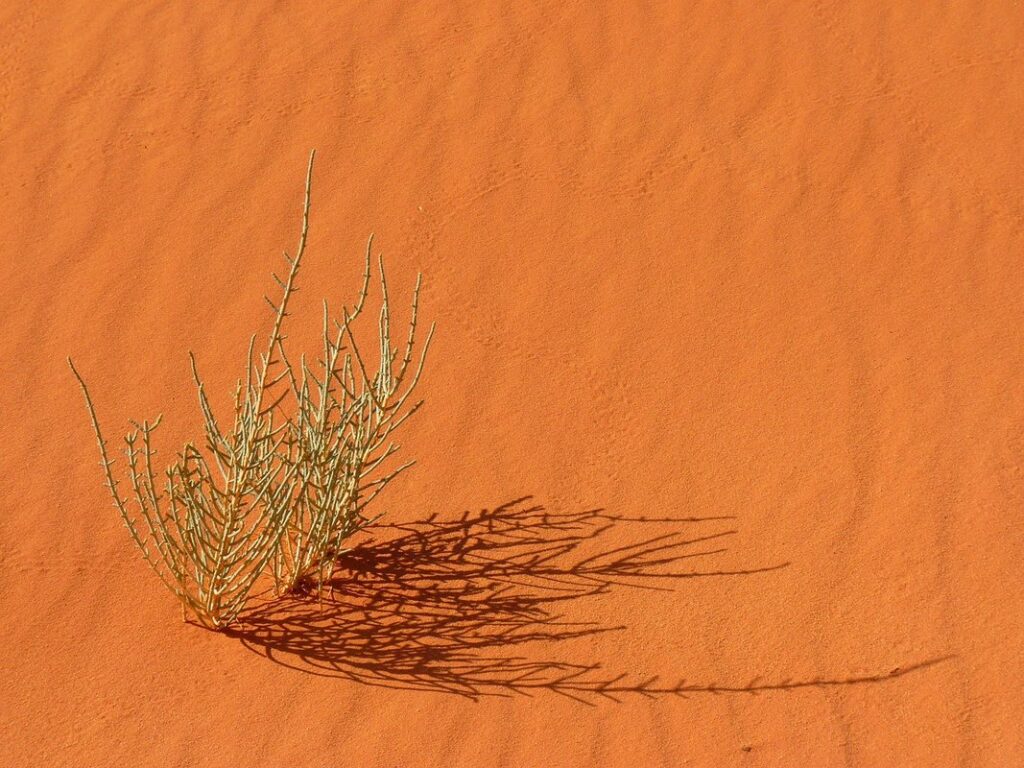
Understanding Holiday Dry Plant
Now that we’ve discussed what holiday dry plant is and its symptoms, let’s dive into understanding the underlying causes behind it. We’ll explore the factors that contribute to this condition.
What is Holiday Dryness?
Holiday dryness is a common phenomenon where plants experience stress due to low humidity levels, leading to water loss and dehydration. This condition is more pronounced during the winter months when indoor heating systems dry out the air. The primary cause of holiday dryness is the drastic change in temperature and humidity levels indoors.
As you decorate your home with lush greenery, it’s essential to understand that these plants are exposed to conditions they wouldn’t normally experience in their natural habitat. When the air is too dry, plant cells lose water at an alarming rate, causing leaves to wilt, turn brown, or drop off entirely.
To prevent holiday dryness, ensure your home has a humidifier running to maintain optimal humidity levels (between 40-60%). Group plants together to create a microclimate that helps retain moisture. Water your plants thoroughly before the holiday season, and avoid getting water on leaves to prevent fungal diseases from taking hold. Regularly inspect your plants for signs of dryness, such as crunchy leaves or brittle stems.
Effects of Seasonal Moisture Depletion
When you bring a holiday dry plant into your home, it’s not just its leaves that can suffer from the environment. The low humidity levels that come with the season can also have an impact on your own health and well-being.
Reduced humidity levels in homes are known to exacerbate skin issues like eczema and acne. This is because the moisture-deprived air can strip your skin of its natural oils, leading to dryness, itchiness, and irritation. If you’re prone to these conditions, you may find that they worsen during the holiday period.
Respiratory problems are another concern in low-humidity environments. The dry air can irritate your throat and lungs, making it harder to breathe, especially for people with pre-existing respiratory conditions like asthma or COPD. Children and older adults are also more susceptible to these issues.
To mitigate the effects of seasonal moisture depletion on your health, consider using a humidifier in your home. These devices release moisture into the air, helping to maintain a healthy humidity level between 30-50%. This can make a significant difference in how you feel during the holiday period.
Common Causes of Holiday Dry Plant
As you decorate your home for the holiday season, it’s not uncommon to see some of your plants looking parched and wilted. But what’s behind this common phenomenon? Understanding the causes of holiday dry plant is key to preventing it from happening in the first place.
One major contributor to holiday dry plant is the sudden change in environment that comes with decorating. When you bring plants indoors, they’re exposed to a new climate with lower humidity levels and often warmer temperatures. This can cause them to lose moisture rapidly, leading to wilting leaves and stems. Additionally, the increase in indoor lighting during the holidays can also stress your plants, making them more susceptible to dryness.
Another factor is over-handling. With all the hustle and bustle of holiday entertaining, it’s easy to neglect watering schedules or even accidentally knock over a plant while rushing around. This can cause root damage and further exacerbate dryness issues.
You can take steps to prevent holiday dry plant by adjusting your watering schedule, providing humidity trays for your plants, and being more mindful of their placement in the home.
Overheating Systems
Central heating systems are a common culprit when it comes to dry air in homes, especially during the holiday season. As the mercury drops outside, our homes tend to get hotter and drier due to the increased heat output from our central heating units. This can have a devastating effect on your plants, causing them to wilt and drop their leaves.
The warm air blown through our vents is typically dry and lacks moisture, making it difficult for plants to thrive in these conditions. To make matters worse, many homes are already experiencing low humidity levels due to the dry winter air outside. This creates an environment that’s hostile to plant growth, causing even the hardiest of plants to suffer.
If you notice your plants are droopy or have crispy leaves, it may be a sign that they’re struggling with dry air. To combat this, try placing your plants on a tray filled with water and pebbles. As the water evaporates, it’ll add moisture back into the air, helping to alleviate the dryness.
Low Humidity Levels
When you’re struggling with dry skin, sinus pressure, and other issues, it’s easy to overlook one of the most significant contributing factors: low humidity levels in your home. During the holiday season, when temperatures drop and heating systems kick in, indoor air can become incredibly dry. This is particularly problematic for people who live in arid climates or have existing respiratory conditions.
Low humidity levels can wreak havoc on your skin, causing it to feel tight, flaky, and irritated. It’s not just aesthetic issues; dry skin can also lead to painful cracks and fissures that may bleed when touched. Furthermore, low humidity exacerbates sinus pressure and congestion by drying out the nasal passages and sinuses.
To combat this issue, consider investing in a humidifier or using a pan of water on a low-temperature stove. You can also take shorter, warmer showers and apply moisturizer immediately after bathing to lock in moisture. By acknowledging and addressing low humidity levels, you’ll be better equipped to tackle the root causes of dry skin and other related issues associated with holiday dry plant.
Ineffective Indoor Air Purification
When it comes to indoor air purification systems, many of us assume they’re doing their job in maintaining healthy humidity levels. However, this might not always be the case. In fact, some air purifiers can even exacerbate dry air issues.
For instance, if an air purifier is designed primarily for removing particulate matter and volatile organic compounds (VOCs), it may use a HEPA filter that captures moisture-rich particles in the process. This means the air is being cleaned, but the humidity levels are actually being reduced further.
Another issue lies with ionizing air purifiers, which release negative ions to attract pollutants. These ions can also attract water molecules from the air, contributing to dryness rather than alleviating it.
To effectively address holiday dry plant issues, don’t rely solely on your indoor air purification system. Instead, consider using a humidifier specifically designed for humidifying large spaces or areas with high transpiration rates.
Symptoms of Holiday Dry Plant
So, you’re wondering how to spot a dry holiday plant? This section will help you identify the common symptoms that occur when your festive foliage starts to suffer from dehydration.
Skin Issues
Dry air can wreak havoc on our skin, causing discomfort and distress during the holiday season. One of the most common symptoms of dry plant-related skin issues is itchiness. Imagine trying to enjoy a cozy movie night with family and friends only to be constantly scratching at an itchy patch of skin. Not exactly relaxing.
Redness and cracked skin are also common problems associated with dry air. Dry skin can become inflamed, leading to redness that’s visible even under layers of clothing. Cracked skin, on the other hand, leaves you vulnerable to infection and irritation. It’s essential to take care of your skin during this time, especially if you’re prone to dryness.
To alleviate these issues, make sure to moisturize regularly with a rich cream or oil. Apply it immediately after bathing or showering while skin is still damp for optimal absorption. You can also try using humidifiers in areas where you spend most of your time, such as the living room or bedroom. These simple steps can help maintain moisture levels and reduce the occurrence of dryness-related skin problems.
Respiratory Problems
Dry air can be especially problematic for people who already struggle with respiratory issues. If you suffer from conditions like asthma, bronchitis, or sinusitis, dry indoor air can exacerbate symptoms and make it harder to breathe.
When the air is dry, the mucus membranes in your nose, throat, and lungs become irritated, leading to congestion and coughing. For asthmatics, this can trigger an attack, while bronchitis sufferers may experience more frequent and severe episodes. Sinusitis patients often report increased pressure and pain in their sinuses.
To combat these issues, consider using a humidifier in your home, especially during the dry winter months. A humidistat can help you regulate the moisture levels to a comfortable range between 30-50%. You can also take steam inhalations with eucalyptus or menthol to loosen mucus and soothe your airways.
Keep in mind that even mild respiratory issues can be worsened by dry air, so it’s essential to take proactive measures. By maintaining a healthy humidity level, you’ll reduce the risk of triggering an asthma attack, bronchitis episode, or sinus pressure flare-up.
Eye Irritation
Dry, irritated eyes are one of the most common complaints during the dry winter months. When your skin and mucous membranes lose their natural moisture barrier, it’s not just your skin that suffers – your eyes do too. As a result, you may experience irritation, redness, and blurred vision.
This discomfort is caused by several factors, including:
• Reduced tear production
• Increased evaporation of tears due to low humidity
• Cold air drying out the eyes
You might feel like grit or sand is stuck in your eyes, making them burn and itch. In severe cases, you may even experience tearing or discharge.
To alleviate dry eye symptoms, try these simple tips:
• Use artificial tears throughout the day
• Apply warm compresses to loosen up any blockages
• Blink regularly while working on screens
• Stay hydrated by drinking plenty of water
• Consider wearing goggles when exposing yourself to cold air
By implementing these solutions and staying vigilant about your eye health, you can alleviate discomfort and enjoy the holiday season with clear vision.
Preventing Holiday Dry Plant
To avoid holiday dry plant altogether, it’s essential to take preventative measures to ensure your plants receive the right amount of moisture and care during the festive period. Let’s explore some effective ways to do so.
Humidify Your Home
When choosing a humidifier to combat holiday dry plant symptoms, consider your home’s size and specific needs. A general rule of thumb is to opt for a humidistat-controlled humidifier, which can automatically adjust the moisture levels based on your desired setting.
For smaller spaces, a compact or portable humidifier might be suitable. These devices are often quiet, energy-efficient, and easy to move around. For example, you could place one in the living room where you spend most of your time, and another near your office area if you work from home.
If you have a larger space or want to target specific areas, look into central humidifiers that integrate with your heating system. These units are designed for whole-house coverage and can be more effective at maintaining consistent humidity levels throughout your home. When selecting a humidifier, also consider the type of filter used, as some models may release chemicals into the air.
Some popular types of humidifiers include ultrasonic, evaporative, and warm mist units. Each has its own pros and cons, so research to determine which one best suits your needs.
Reduce Heat Output
One of the primary causes of dry plants during the holiday season is an overheated environment. To prevent this, adjusting thermostat settings can make a significant difference. Consider lowering the temperature by 2-3 degrees to create a more comfortable and humid environment for your plants.
Keep in mind that plants typically thrive in temperatures between 65°F (18°C) and 75°F (24°C). Setting the thermostat lower than this range can help reduce heat output, while still maintaining a cozy atmosphere. You can also explore using space heaters or radiant floor heating to warm up specific areas, rather than relying on a central heating system.
Another strategy is to monitor your plant’s preferred humidity levels. Most plants prefer a humid environment, usually between 40-60% relative humidity. By adjusting the thermostat and maintaining a comfortable temperature, you can create an ideal environment for your holiday plants to thrive.
Monitor Indoor Moisture Levels
Monitoring indoor humidity levels is crucial to prevent holiday dry plant. High moisture can lead to fungal growth and root rot, while low humidity causes leaf drop and crispy edges. To achieve an optimal moisture balance, use a hygrometer to measure the relative humidity (RH) in your home.
Aim for a RH between 40-60% during winter months when heating systems dry out the air. You can also invest in a humidifier to add moisture back into the environment. Some popular options include cool-mist and ultrasonic humidifiers, which are energy-efficient and easy to clean.
To further optimize your indoor humidity levels, group plants together to create microclimates that retain moisture. Move potted plants away from heating vents and radiators, as these devices can dry out the air rapidly. Regularly inspect your plants for signs of over- or under-hydration, adjusting your watering schedule accordingly. By monitoring indoor humidity levels and making adjustments, you’ll be better equipped to prevent holiday dry plant and keep your plants thriving throughout the season.
Treating Holiday Dry Plant
So, you’ve identified the cause of your holiday dry plant and are now looking for ways to bring it back to life. This is where treatment options come in!
Over-the-Counter Remedies
If you’re experiencing dry skin, eyes, or respiratory issues due to holiday dryness, there are several over-the-counter remedies that can provide relief. For dry skin, consider using topical creams or ointments containing ingredients like hyaluronic acid, ceramides, or petroleum jelly. These help lock in moisture and soothe dry patches.
Some popular over-the-counter treatments for dry eyes include artificial tears with ingredients such as hydroxypropyl methylcellulose (HPMC) or glycerin. Look for preservative-free options to avoid irritating your eyes further. For severe cases, use eye drops that contain redness-relieving ingredients like naphazoline.
Respiratory issues like a dry cough can be addressed with over-the-counter medications such as cough suppressants or expectorants. Expectorants help loosen and clear mucus from the airways, while cough suppressants relieve coughing fits.
When shopping for over-the-counter treatments, read labels carefully to ensure you choose products that are fragrance-free, hypoallergenic, or specifically designed for sensitive skin or eyes. Always follow instructions for use and consult with a doctor if your symptoms persist or worsen despite treatment.
Natural Solutions
When it comes to treating holiday dry plant, many people reach for harsh chemicals and artificial moisturizers. However, these can often do more harm than good, stripping the skin of its natural oils and causing further irritation.
A more gentle approach is to turn to natural remedies that have been used for centuries to soothe and hydrate dry skin. One such solution is aloe vera gel, which contains compounds like aloin and aloe-emodin that have anti-inflammatory properties. Apply aloe vera directly to the affected area after bathing or showering, and watch as it quickly absorbs into the skin.
Another option is honey, a natural humectant that draws moisture from the air and locks it into the skin. Mix equal parts honey and olive oil (which also has moisturizing properties) for an intense hydrating treatment. Apply this mixture to your dry areas before bed and wake up feeling softer and smoother than ever.
When to Seek Medical Attention
If you’re experiencing severe or persistent symptoms of holiday dry plant, it’s essential to consult a healthcare professional for further assistance. While over-the-counter treatments can provide relief, they may not address the underlying cause of your condition.
Pay attention to warning signs that indicate you need medical help. These include difficulty breathing, chest pain, or swelling in your face, lips, tongue, or throat. If you notice any of these symptoms, seek immediate medical attention. Even if your symptoms seem mild, it’s always better to err on the side of caution and consult a doctor.
Your healthcare provider will evaluate your condition, provide a proper diagnosis, and recommend suitable treatment options. They may prescribe medication to help manage inflammation or infection, or refer you to a specialist for further evaluation. By seeking medical attention when necessary, you can effectively manage holiday dry plant and prevent complications that may arise from untreated symptoms.
Frequently Asked Questions
How can I maintain a healthy indoor environment with multiple holiday decorations?
To prevent holiday dry plant, consider using humidifiers near plants or high-traffic areas to maintain optimal humidity levels (30-50%). This is especially important when decorating with lush greenery or bringing in potted plants. Regularly check and adjust the humidifier to avoid over-moisturizing, which can lead to mold growth.
What are some signs of holiday dry plant that I should be aware of?
Look out for symptoms like dry skin, itchiness, and redness on your hands after handling plants or being around them. Respiratory issues such as coughing, sneezing, or congestion can also indicate low humidity levels. Keep an eye on your indoor plants; if they’re experiencing yellowing leaves, droopy branches, or slow growth, it may be a sign of holiday dry plant.
Can I use any over-the-counter remedies to treat holiday dry plant?
While over-the-counter moisturizers and humidifiers can provide temporary relief for skin issues and low humidity levels, consult your doctor before self-medicating. They can recommend personalized treatments based on the severity of symptoms and underlying health conditions. For minor cases, try natural solutions like drinking plenty of water, using a saline nasal spray, or taking short breaks in humid environments.
How do I determine if my home’s heating system is contributing to holiday dry plant?
Check your thermostat settings and consider reducing heat output during the winter months. If you’re experiencing issues with dry skin, respiratory problems, or eye irritation while indoors, adjust the temperature and humidity levels accordingly. Keep an eye on indoor moisture levels using a hygrometer; aim for 30-50% relative humidity to prevent holiday dry plant.
Are there any long-term solutions to preventing holiday dry plant in my home?
Yes! Consider investing in a whole-house humidifier or installing a smart thermostat that can automatically adjust temperature and humidity settings based on your schedule. Regularly inspect your indoor plants, providing them with the right amount of water and nutrients according to their specific needs. By incorporating these solutions into your winter routine, you’ll enjoy a healthier and more comfortable home environment all season long.