
As a proud owner of a beautiful hibiscus plant, you know how stunning they can be with their vibrant flowers and lush green leaves. However, without proper care and pruning, these plants can quickly become overgrown and unmanageable. Pruning your hibiscus is not just about cutting back branches – it’s an art that requires the right timing and technique to promote healthy growth and encourage blooming. In this article, we’ll guide you through the essential tips and techniques for pruning and caring for your hibiscus plants effectively. From determining the best time to prune to after-pruning care, we’ll cover everything you need to know to keep your hibiscus thriving all season long. By the end of this post, you’ll be equipped with the knowledge to become a hibiscus expert and enjoy these stunning flowers for years to come!
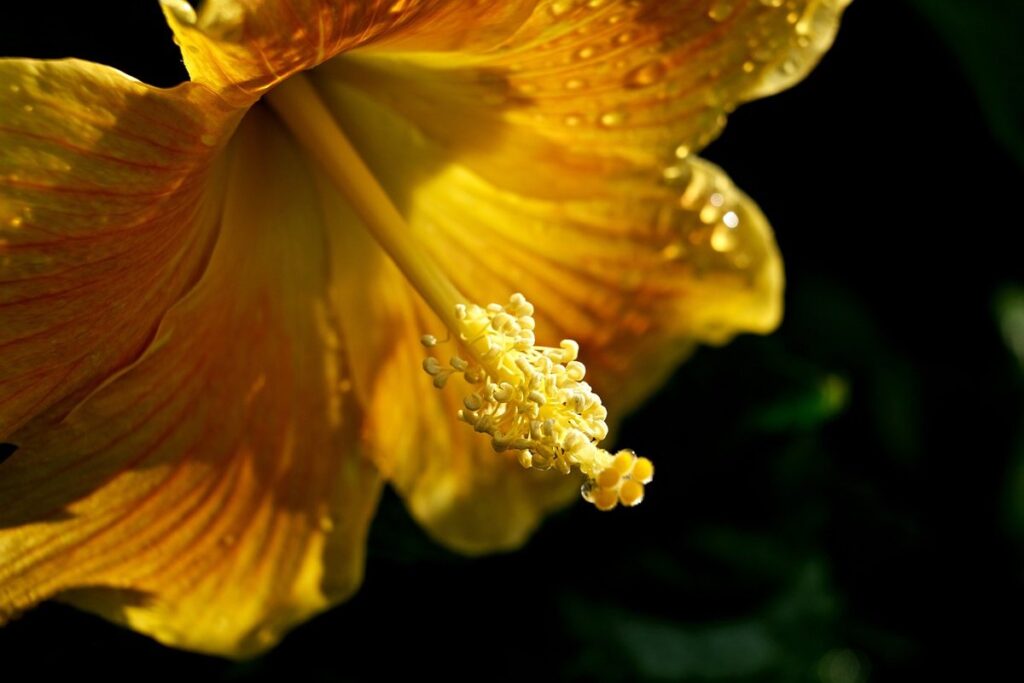
Understanding Hibiscus Plants
Before diving into pruning techniques, it’s essential to understand the basics of hibiscus plants and their unique characteristics that impact care and maintenance. Let’s start with what makes these tropical blooms so special.
What are Hibiscus Plants?
If you’re new to gardening or just starting to explore the world of hibiscus plants, it’s essential to understand what these stunning flowers are all about. Hibiscus plants belong to the Malvaceae family and come in a wide range of species, with over 200 known varieties worldwide. These tropical plants are widely popular for their vibrant colors, large showy blooms, and ability to thrive in warm climates.
One of the most distinctive features of hibiscus plants is their ability to grow into different shapes and sizes depending on the variety. Some species can grow up to 15 feet tall, while others remain compact and shrub-like. This diversity makes them a great choice for gardeners who want to add some visual interest to their outdoor spaces.
From a practical standpoint, hibiscus plants are relatively low-maintenance compared to other flowering plants. They require minimal pruning, can tolerate some neglect, and come in varieties that are suitable for containers or in-ground planting.
Benefits of Growing Hibiscus
Growing hibiscus plants offers numerous benefits that make them an excellent addition to any garden. One of the most noticeable advantages is their stunning beauty. Hibiscus flowers come in a range of vibrant colors, including pink, orange, yellow, and red, adding a pop of color to your outdoor space. Their large, showy blooms can grow up to 12 inches in diameter, making them a focal point in any garden bed.
In addition to their aesthetic appeal, hibiscus plants are also remarkably low maintenance. They thrive in full sun to partial shade and can tolerate a range of soil types, making them an ideal choice for busy gardeners or those new to gardening. With proper care, a single hibiscus plant can produce multiple blooms throughout the growing season.
Hibiscus plants have also been prized for their medicinal properties for centuries. The flowers, leaves, and stems contain compounds with anti-inflammatory and antioxidant properties, making them a popular ingredient in herbal remedies and teas. By incorporating hibiscus into your garden, you’re not only adding beauty to your outdoor space but also potentially gaining access to natural health benefits.
When to Prune Hibiscus
Pruning hibiscus plants at the right time is crucial for their health and blooming performance, so let’s explore when it’s best to prune your hibiscus.
Determining the Best Time for Pruning
Determining the best time to prune hibiscus plants depends on several factors, including climate, season, and plant growth stage. In warmer climates with mild winters, you can prune your hibiscus plants year-round, focusing on removing dead or damaged branches after flowering.
In areas with colder winters, it’s essential to wait until late winter or early spring when the threat of frost has passed before pruning. This allows new growth to emerge before the heat sets in. For hibiscus varieties that go dormant during winter, prune them immediately after they finish blooming in the fall to prevent damage from cold temperatures.
Consider the plant’s growth stage as well. Young hibiscus plants require more frequent pruning to maintain a bushy shape and encourage new growth. Mature plants can be pruned less frequently, focusing on removing dead or damaged branches and shaping the plant for optimal blooming.
Keep in mind that over-pruning can stress your plant, so it’s crucial to prune only what’s necessary. By taking these factors into account, you’ll be able to determine the best time for pruning your hibiscus plants and keep them healthy and thriving throughout the year.
The Importance of Regular Pruning
Regular pruning is not just a cosmetic task for hibiscus plants; it’s an essential practice that promotes healthy growth and development. By removing dead, diseased, or damaged branches, you prevent the spread of disease and encourage new, vigorous growth. This leads to a more robust and resilient plant that can better withstand environmental stresses.
Pruning also helps maintain your hibiscus plant’s desired shape and size. Regular pruning keeps the plant full and bushy, which is especially important for compact or dwarf varieties. It also encourages branching, resulting in more flowers per season.
Consider this: a single pruning session can increase flower production by up to 20% in some cases. This means you’ll enjoy an abundance of vibrant blooms throughout the growing season, without having to worry about the plant becoming too leggy or unmanageable.
To make the most of regular pruning, aim for a balanced approach that combines maintenance pruning with strategic shaping. Remove deadwood and any weak growth at least once a month during the active growing season. Use these opportunities to promote air circulation and sunlight penetration within the plant’s interior.
Pruning Techniques for Hibiscus
To keep your hibiscus plants healthy and thriving, it’s essential to learn various pruning techniques that promote new growth and prevent disease. This includes methods for shaping and maintaining your hibiscus’ natural form.
Methods for Pruning Different Types of Hibiscus
When pruning different types of hibiscus plants, it’s essential to consider their unique characteristics and growth habits. For tropical hibiscus varieties, which are known for their large flowers and rapid growth, regular pruning is necessary to maintain a desired shape and encourage new blooms.
For these types of hibiscus, use the “cut-and-come-again” method: cut back flowered branches by about one-third after they finish blooming. This encourages the plant to focus energy on producing new flowers rather than seed production. You can also trim back leggy stems to promote bushy growth and a more compact shape.
Hardy hibiscus, on the other hand, tend to be smaller and more upright in nature. Prune these plants by removing any dead or damaged branches in late winter or early spring, as new growth begins. This helps prevent disease and promotes healthy development.
Compact varieties of hibiscus are ideal for containers and small spaces, and require less pruning than larger varieties. Simply trim back leggy stems and remove spent flowers to maintain their compact shape and encourage repeat blooming.
Tools and Equipment Needed for Pruning
To prune your hibiscus effectively, you’ll need the right tools and equipment. A good pair of pruning shears is essential for cutting thick stems without causing damage to the plant. Look for shears with sharp blades and comfortable grips. You can also use loppers or pruning saws for thicker branches.
Gloves are a must-have when pruning hibiscus, as they protect your hands from thorns and sap. Choose gloves made of durable materials like leather or synthetic fabrics. A gardening hat or mask is also useful for protecting yourself from pollen and dust.
Other essential tools include a garden rake for clearing debris, a trowel or small shovel for planting new growth, and a watering can for keeping the plant hydrated after pruning. If you’re dealing with large hibiscus plants, consider investing in a pruning pole or step stool for better reach and balance.
Remember to disinfect your tools between cuts to prevent the spread of disease. A mixture of soap and water is sufficient for cleaning pruning shears and other equipment. By having these essential tools on hand, you’ll be well-equipped to prune your hibiscus with confidence and precision.
How to Prune Specific Parts of the Plant
When pruning specific parts of your hibiscus, it’s essential to know where and how to cut to maintain its shape, promote new growth, and encourage a bountiful harvest. Let’s dive into the details on cutting back individual plant components.
Pruning Stems and Branches
When it comes to pruning stems and branches on your hibiscus plant, the goal is to maintain its shape, promote healthy growth, and encourage blooming. Start by selecting the right tools: sharp, clean pruning shears or loppers for thicker branches. For smaller stems, you can use a pair of scissors.
Cutting Techniques:
To prune stems, cut just above a node (where a leaf meets the stem) at a 45-degree angle. This allows water to run off and reduces the risk of disease. When cutting branches, remove any dead or damaged wood first. Then, identify the weakest or most spindly growths and remove them entirely.
Aftercare:
Keep an eye on your plant in the days following pruning. Monitor for signs of stress, such as droopy leaves or yellowing foliage. If necessary, provide additional support with stakes or ties. Regular watering and fertilization will help your hibiscus recover from pruning.
Pruning Leaves and Flowers
When it comes to pruning leaves and flowers on your hibiscus plant, timing is everything. Pruning too much can cause stress, while not enough can lead to overgrowth. For optimal results, focus on removing spent blooms as soon as possible after they drop their petals. This encourages new flower growth and maintains the plant’s appearance.
To prune leaves, look for any that are wilted, yellowing, or showing signs of disease. Remove these by cutting them back at the base with a pair of clean pruning shears. Be cautious not to remove too many leaves at once, as this can shock the plant. Aim for about 20-30% reduction in foliage.
Regular removal of spent flowers and weak leaves will also help control pests like aphids and whiteflies, which thrive on overgrown plants. Additionally, prune any branches that are rubbing against each other or growing inwards to maintain air circulation and promote healthy growth.
After-Pruning Care for Hibiscus
Now that you’ve pruned your hibiscus, it’s essential to provide the right care to promote healthy growth and prevent pests from taking advantage of its newly exposed areas. Proper after-pruning care is crucial at this stage.
Watering and Fertilization
Proper watering and fertilization are crucial after pruning hibiscus plants to promote healthy growth and encourage new blooms. When you prune a hibiscus plant, you’re essentially cutting off a significant amount of foliage, which can be stressful for the plant. To combat this stress, it’s essential to provide your hibiscus with adequate water and nutrients.
Immediately after pruning, water your hibiscus plant thoroughly to help it recover from the shock. Stick to a regular watering schedule, but avoid overwatering, as this can lead to root rot and other problems. A general rule of thumb is to water your hibiscus when the top inch of soil feels dry to the touch.
In terms of fertilization, it’s best to wait until about two weeks after pruning before applying a balanced fertilizer (10-10-10). This allows your hibiscus time to recover from the pruning process and also helps prevent any potential damage caused by excessive nutrients. A slow-release fertilizer is ideal, as it provides sustained nourishment to your plant without burning its roots. By following these guidelines, you’ll be able to promote healthy growth, encourage new blooms, and keep your hibiscus thriving all season long.
Mulching and Pest Control
When it comes to after-pruning care for your hibiscus plants, mulching and pest control are crucial steps to ensure their health and vigor. Mulching provides a protective barrier against weeds, retains moisture, and regulates soil temperature.
To create an effective mulch bed around your hibiscus, apply 2-3 inches of organic material such as wood chips or bark. Avoid over-mulching, which can cause root rot and suffocate the plant. Keep the mulch layer away from the plant’s stem to prevent moisture buildup.
Pests like aphids, whiteflies, and spider mites are attracted to hibiscus plants due to their soft leaves and flowers. To control these pests:
* Inspect your plants regularly for signs of infestation.
* Use neem oil or insecticidal soap as a first line of defense against minor infestations.
* For more severe issues, consider introducing beneficial insects like ladybugs or lacewings that prey on these pests.
Keep in mind that prevention is key. Maintain good air circulation around your hibiscus plants and keep the area surrounding them free from debris to discourage pest populations.
Common Mistakes to Avoid When Pruning Hibiscus
When pruning your hibiscus, it’s easy to make mistakes that can harm your plant. Avoid cutting off too much of the stem at once and neglecting to disinfect your tools.
Injuries Caused by Incorrect Cutting Techniques
When pruning hibiscus plants, it’s easy to get caught up in the excitement of shaping and maintaining their vibrant blooms. However, using incorrect cutting techniques can have serious consequences for the health and well-being of your plant. One common mistake is tearing or crushing the delicate tissues of the stem.
This might seem like a minor issue, but it can lead to a range of problems, including infection, disease, and even death. When you crush or tear plant tissue, you create an entry point for pathogens that can spread quickly through the plant’s vascular system. This is particularly true for hibiscus plants, which are prone to fungal diseases.
To avoid this risk, it’s essential to use sharp, clean pruning tools specifically designed for cutting plant tissues. Make sure your blades are razor-sharp and free of debris before each use. When making cuts, always cut at a 45-degree angle, just above a node (where the leaf meets the stem). This allows the wound to heal quickly and minimizes the risk of infection. By taking these simple precautions, you can help keep your hibiscus plants healthy and thriving.
Over-Pruning: Signs and Consequences
When pruning hibiscus plants, it’s not uncommon for gardeners to overdo it. Over-pruning can lead to a range of negative consequences that may take time and effort to recover from. So, what are the signs of over-pruning, and how can you avoid them?
If you notice your hibiscus plant is stressed, weak, or showing signs of disease after pruning, it could be a sign that you’ve gone too far. Check for yellowing leaves, droopy stems, or an unusual drop in flower production – these are all potential indicators of over-pruning.
Another key indicator is the shape and size of your hibiscus plant. If you’ve pruned away too much foliage, your plant may appear sparse, leggy, or misshapen. This can also lead to a reduction in flower quality and quantity.
To avoid these issues, remember that hibiscus plants require a balance between pruning and allowing them to grow naturally. When pruning, focus on removing only the dead or damaged branches, rather than cutting back too much of the plant’s foliage at once.
Conclusion: Maintaining a Healthy Hibiscus Plant
Now that you’ve mastered pruning and care, it’s time to keep your hibiscus thriving year-round. This final section shares expert tips for maintaining a healthy and beautiful hibiscus plant.
Recap of Key Takeaways
Maintaining healthy hibiscus plants requires attention to pruning and care techniques. To recap, let’s revisit the key takeaways from this comprehensive guide.
Pruning is a crucial aspect of hibiscus care, as it promotes healthy growth, encourages blooming, and prevents disease. Regularly remove dead or diseased branches, cut back spent blooms, and shape the plant to maintain its desired size and form.
Monitor temperature fluctuations and humidity levels in your garden or indoor space to ensure optimal conditions for your hibiscus plant. Provide sufficient light, but avoid direct sunlight during peak hours to prevent scorching.
Water your hibiscus plant regularly, but avoid overwatering, which can lead to root rot. Fertilize with a balanced fertilizer during the growing season to promote healthy growth and blooming.
By incorporating these key takeaways into your care routine, you’ll be well on your way to maintaining a thriving and vibrant hibiscus plant that brings beauty and joy to your garden or indoor space for years to come.
Final Tips and Recommendations
To ensure your hibiscus plant thrives for years to come, consider these final tips and recommendations. Regularly inspect your plant for pests and diseases, taking prompt action if you notice any issues. Prune back leggy stems to maintain a balanced shape and encourage new growth.
Monitor your plant’s watering schedule carefully, adjusting as needed based on seasonal changes or extreme weather conditions. Fertilize sparingly but regularly, using a balanced, water-soluble fertilizer during the growing season.
To promote healthy root development, repot your hibiscus every 1-2 years in the spring when it becomes pot-bound. Be gentle when handling the roots to avoid damaging them.
Finally, don’t be afraid to experiment and try new things with your hibiscus plant. With patience, practice, and attention to detail, you can overcome common challenges and achieve optimal growth and beauty. By following these final tips, you’ll be well on your way to becoming a confident hibiscus care expert.
Frequently Asked Questions
What are the most common mistakes to avoid when pruning my hibiscus plant for the first time?
When starting out with hibiscus pruning, it’s easy to make mistakes that can damage your plant. One of the biggest mistakes is over-pruning, which can shock the plant and lead to disease or pest issues. To avoid this, start by removing only 1/3 of the plant’s branches at a time, allowing it to recover before making further cuts. Also, be mindful of pruning in the spring when new growth begins, as this can cause the plant to focus its energy on repairing itself instead of producing flowers.
Can I prune my hibiscus plant during extreme weather conditions?
Yes, it’s best to avoid pruning your hibiscus during intense heat or cold snaps. Pruning can stimulate new growth, which may not be well-suited for harsh weather conditions. Instead, wait until the weather stabilizes before making any cuts. If you must prune during adverse weather, make sure to disinfect your pruning tools between cuts to prevent the spread of disease.
How often should I water and fertilize my hibiscus plant after pruning?
After pruning your hibiscus, it’s essential to provide adequate care to promote healthy regrowth. Water your plant regularly, keeping the soil consistently moist but not waterlogged. As for fertilization, start with a balanced fertilizer (10-10-10 NPK) and apply it according to the manufacturer’s instructions. You can also add a layer of compost or mulch around the base of the plant to retain moisture and suppress weeds.
Can I grow hibiscus indoors year-round if I prune them regularly?
Yes, with proper pruning and care, you can enjoy hibiscus flowers indoors year-round. To do this, make sure your indoor space has sufficient light – ideally 4-6 hours of direct sunlight per day or supplemental lighting. Keep the temperature between 65°F to 95°F (18°C to 35°C) and maintain high humidity by misting the leaves regularly. Prune your hibiscus regularly to control size and promote blooming.
What are some alternative pruning tools I can use for hibiscus plants?
While traditional pruning shears are effective, you can also use loppers or pruning saws for thicker stems or branches. For more delicate cuts, consider using bypass pruners or gardening scissors with clean, sharp blades. When working with smaller leaves or flowers, try using thinning shears to make precise cuts and prevent damage to the plant’s tender tissues.