
Are you tired of having an underutilized outdoor space? Do you want to breathe new life into your yard while growing fresh herbs right at your fingertips? A beautifully designed herb garden border is just what you need! Not only do these lush borders add a pop of color and fragrance to your outdoor area, but they’re also incredibly functional. By planting the perfect blend of herbs, you’ll be able to cook up delicious meals with ease and enjoy the therapeutic benefits of gardening.
In this article, we’ll explore inspiring herb garden border ideas that will transform your yard into a vibrant oasis. From selecting the ideal plants for your climate and preferences to DIY project tips and maintenance advice, we’ve got you covered. Whether you’re a seasoned gardener or a beginner looking to get started, our expert tips will help you create a stunning herb garden border that brings joy to both your taste buds and your outdoor space.
Choosing the Perfect Plants
When selecting plants for your herb garden border, consider factors like growth habits, mature sizes, and companion planting to ensure a harmonious layout.
Think about the unique characteristics of each plant and how they’ll complement one another in terms of texture, color, and fragrance.
Selecting Herbs for a Thriving Border
When selecting herbs for a border, it’s essential to consider the climate and soil type of your garden. This will help you choose herbs that thrive in their environment, ensuring a lush and vibrant display all season long. For example, if you live in a hot and dry climate, opt for drought-tolerant herbs like rosemary or thyme, which require minimal watering. On the other hand, if you have rich, moist soil, consider planting fragrant herbs like mint or oregano.
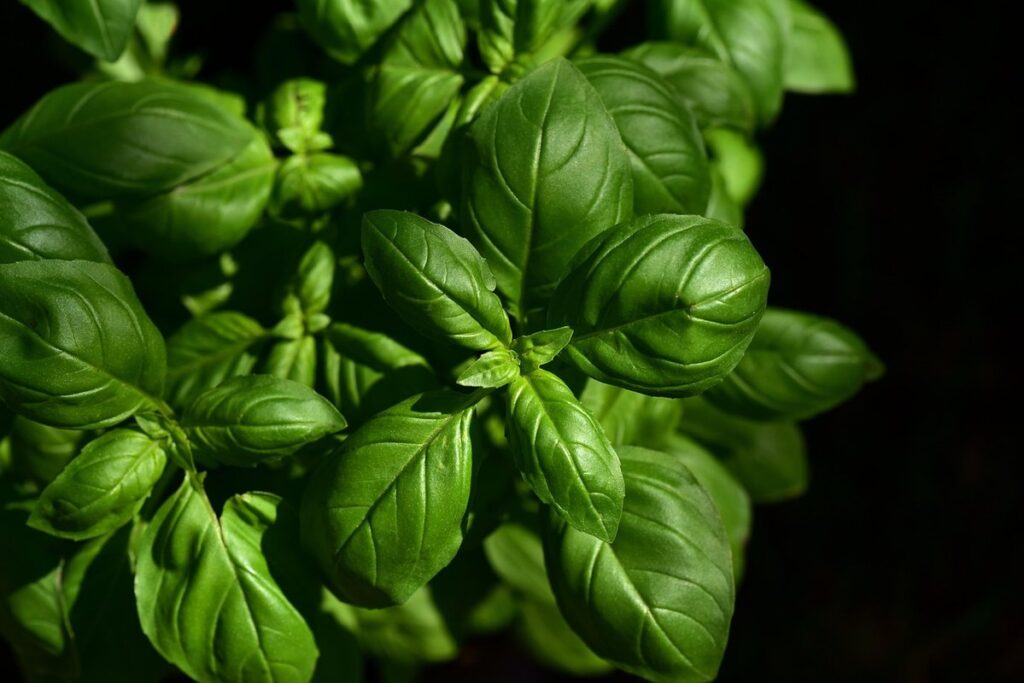
Maintenance requirements are also crucial to keep in mind. Some herbs, such as basil, need regular pruning to encourage new growth and prevent them from becoming leggy. Others, like chives, require less maintenance and can be harvested throughout the growing season. Consider your available time and energy when selecting herbs for your border.
Remember, a diverse selection of herbs will not only provide a stunning display but also offer a variety of flavors and textures to incorporate into your cooking. By choosing the right herbs for your climate, soil type, and maintenance needs, you’ll be well on your way to creating a thriving herb garden border that elevates your outdoor space.
Mixing and Matching Herbs with Companion Plants
When designing an herb garden border, it’s easy to get stuck in a rut and plant only herbs. But combining herbs with other plants can elevate the entire space. This practice is called companion planting, and it has numerous benefits.
Herbs like basil and mint are known to repel pests that target other plants. For example, basil repels aphids and whiteflies, while mint repels spider mites and ants. By pairing herbs like these with vegetables or flowers, you can reduce the need for pesticides and create a healthier environment for your plants.
Companion planting also adds visual interest to the border. A mix of textures, colors, and heights creates a dynamic look that’s visually appealing. Try pairing tall herbs like rosemary with shorter ones like thyme, and include some flowering plants like marigolds or nasturtiums to add pops of color.
When selecting companion plants, consider their growing conditions and space requirements. Some herbs, like mint, can be invasive and need to be contained. Others, like oregano, prefer well-drained soil and full sun. By choosing the right combination of herbs and other plants, you can create a thriving and beautiful herb garden border that’s tailored to your needs.
Designing Your Herb Garden Border
Now that we’ve explored some inspiring herb garden border ideas, let’s dive into designing a beautiful and functional border to complement your outdoor space. We’ll walk you through the essentials of planning a stunning herb border.
Creating a Theme or Style for Your Border
Creating a cohesive theme or style for your herb garden border is key to elevating your outdoor space. A well-designed border can transport you to a specific era or atmosphere, making your garden experience even more enjoyable.
Let’s start with some popular design themes: modern, rustic, and whimsical. For a modern look, consider incorporating sleek planters, clean lines, and minimalist decor. You can pair metallic accents like stainless steel or chrome with low-maintenance herbs such as thyme or rosemary. To create a rustic feel, think wooden planters, vintage garden tools, and natural materials like stone or brick. Pair herbs like mint or oregano with these elements for a charming, earthy vibe.
For a whimsical theme, get creative with colorful ceramic pots, lively statues, and playful signage. Combine herbs like basil or parsley with these fun accents to create a lively atmosphere perfect for entertaining. Consider mixing and matching different themes to create a unique look that reflects your personality and garden style.
Incorporating Vertical Elements and Trellises
When designing your herb garden border, don’t be afraid to think outside the box and incorporate vertical elements to add depth and structure. Trellises, obelisks, and arbors are excellent choices for achieving this effect. For example, a trellis can support climbing herbs like mint, lemongrass, or rosemary, while also providing shade and shelter from harsh sunlight.
Consider using a decorative arbor as a focal point in your border, perfect for training vining herbs like kiwi or passionflower. Not only will it add visual interest, but it will also create a sense of enclosure, framing the garden area beautifully. You can also use obelisks to support tall herb stems, such as basil or oregano, keeping them organized and adding a touch of elegance to your border.
When choosing vertical elements, consider the style and architecture of your home, as well as the overall aesthetic you want to achieve in your garden. With a little creativity, vertical elements can become a stunning feature of your herb garden border, elevating its beauty and functionality.
Edible Border Ideas
Transform your herb garden into a vibrant and functional space by incorporating edible border ideas that add beauty, flavor, and texture to your outdoor oasis. We’ll explore some creative options for you!
Using a Focal Point with a Large Herb Plant
When it comes to creating an eye-catching edible border, featuring a statement herb plant as the focal point can make all the difference. Consider placing a large rosemary or lavender bush at the center of the border – its size and stature will instantly draw attention and create visual interest.
Not only do these larger plants provide a beautiful backdrop for smaller herbs, but they also offer a chance to highlight your favorite varieties. For instance, you could feature a sprawling rosemary bush amidst compact thyme or oregano plants, creating a delightful contrast in texture and form. This type of layout not only adds visual appeal but also encourages growth and air circulation among the different plantings.
To maximize the impact of this focal point, be mindful of the surrounding space. Balance your statement herb with smaller companion plants, ensuring they don’t overwhelm it. Consider a mix of upright and trailing herbs to create depth and add layers to the design. With a little creativity, you can create a stunning edible border that’s both functional and visually striking.
Creating a Mediterranean-Inspired Border
Create an inviting and fragrant border inspired by the classic Mediterranean style. This region’s gardens have long been renowned for their lush vegetation, warm colors, and effortless charm. To bring this aesthetic to life in your herb garden, start by selecting a palette of herbs that thrive in the Mediterranean climate.
Choose drought-tolerant plants like rosemary, oregano, thyme, and lavender. These will add fragrance and texture to your border without requiring excessive watering. Incorporate ornamental plants such as olive trees, figs, or succulents to introduce interesting shapes and hues.
For a truly Mediterranean look, incorporate natural materials into your design, like terracotta pots or weathered stone walls. Use these elements to create raised beds or planters that add depth and visual interest to the space. Remember, the key to achieving this style is to emphasize simplicity and functionality while celebrating the beauty of nature.
Ornamental Border Ideas
Add some visual interest and personality to your herb garden borders with these creative ornamental ideas, perfect for a unique outdoor design.
These ornamental border ideas will inspire you to think beyond traditional hedges and edging options when creating a beautiful and functional herb garden.
Incorporating Foliage and Flowers with Herbs
When designing an herb garden border, it’s easy to get stuck in a rut by planting only herbs. However, by incorporating foliage and flowers into the mix, you can create a visually stunning and dynamic border that offers year-round interest.
Consider adding plants like boxwood or hostas for their attractive leaves, which provide structure and texture to the border. You can also incorporate flowering perennials like lavender or rosemary, which not only add color but also attract pollinators like bees and butterflies. For a pop of color, try incorporating annuals like marigolds or petunias that bloom in shades of pink, yellow, or purple.
To create a cohesive look, choose plants with varying growth habits and bloom times to ensure there’s always something in bloom. For example, you can plant tall herbs like sunflowers or lemongrass towards the back of the border, while smaller herbs like thyme or oregano go towards the front. This layered approach will add depth and visual interest to your herb garden border.
By mixing herbs with other plants that offer beautiful foliage or flowers, you’ll create a unique and inviting space that’s perfect for relaxing and entertaining.
Using Hardscaping Elements to Define Your Border
When it comes to creating an herb garden border that truly makes a statement, hardscaping elements play a crucial role. These materials not only add visual interest but also help define the space and create a sense of separation between your herbs and other areas of your outdoor space.
Consider using brick as a primary material for your border. Not only is it durable and low-maintenance, but it can also be stained or painted to match your home’s exterior style. For example, a warm red brick border complements a traditional garden setting, while a sleek black border pairs well with modern planters.
Stone and wood are other popular hardscaping materials that can add a unique touch to your herb garden border. Natural stone options like fieldstone or bluestone bring a sense of earthiness to the space, while wooden borders made from cedar or reclaimed wood offer a charming, rustic feel.
When selecting hardscaping materials, consider factors such as climate, maintenance needs, and personal style. By choosing the right combination of materials, you can create an herb garden border that not only defines your space but also enhances its overall aesthetic appeal.
Maintenance Tips for a Healthy Herb Garden Border
To keep your herb garden border thriving, it’s essential to implement regular maintenance practices that promote healthy growth and prevent pests. Regular watering and pruning are key.
Watering and Mulching Strategies
Proper watering and mulching are crucial for maintaining a healthy herb garden border. When it comes to watering, make sure not to overdo it – most herbs prefer well-draining soil and can be susceptible to root rot if the soil is too wet. Aim to water your herbs in the morning or early afternoon, so the plants have the entire day to dry out slightly.
Mulching is another essential practice for promoting healthy growth and preventing pests. Organic mulch materials like wood chips, straw, or bark help retain moisture, suppress weeds, and regulate soil temperature. For optimal results, apply a 2-3 inch layer of mulch around your herb plants, keeping it a few inches away from the plant stems to prevent rot.
Some popular mulching options include cocoa husk, coconut coir, and pine straw. These materials are not only effective but also visually appealing, adding a pop of color and texture to your outdoor space. Regularly replenish the mulch as needed to maintain its effectiveness and keep pests at bay.
Seasonal Care and Pruning Tasks
To keep your herb garden border thriving throughout the year, it’s essential to stay on top of seasonal care and pruning tasks. Spring is the perfect time for division and replanting, allowing you to refresh your border with new growth. Gently separate established plants, making sure each section has at least one “eye” or growing point. This will encourage healthy development and prevent overcrowding.
Summer’s heat requires more frequent watering and fertilization. Prune back tall-growing herbs like mint and lemongrass to maintain a manageable height and promote air circulation. Pinch off flower buds on herbs that produce them, directing the plant’s energy towards leaf production instead. Regularly inspect your plants for pests and diseases, using organic controls whenever possible.
In autumn, prepare your border for winter by cutting back most herb growth to about an inch above ground level. This will protect roots from freezing temperatures and encourage new growth in spring. Apply a layer of mulch or straw to retain moisture and suppress weeds. Finally, plan ahead for the next growing season, selecting varieties that thrive in your local climate and making notes on what worked well (and not so well) this year.
DIY Projects for a Personalized Herb Garden Border
Transform your outdoor space into a lush oasis by creating a one-of-a-kind herb garden border with these creative and easy-to-make DIY projects. Get inspiration from nature to personalize your garden’s edge.
Repurposing Old Items into Unique Planters
Get creative with old items by repurposing them as unique planters for your herb garden border. This sustainable approach not only reduces waste but also adds a personal touch to your outdoor space.
Take an old pallet, for instance, and clean it thoroughly before transforming it into a planter. You can add some decorative paint or stain to give it a rustic look that complements your herb garden’s charm. Another option is to use terra cotta pots that you’ve collected over time. Arrange them in a pattern on the border, alternating between large and small pots for visual interest.
You can also repurpose metal containers like old colanders or wire baskets as planters. Simply add some drainage holes at the bottom and fill with potting soil and your chosen herbs. Remember to choose items that are weather-resistant and suitable for outdoor use.
When selecting items to repurpose, consider their shape, size, and material. For example, an old wooden crate can be used as a vertical planter, while a metal bucket can serve as a unique hanging planter. With a little creativity, you can turn discarded items into one-of-a-kind planters that add character to your herb garden border.
Building Your Own Trellis or Arbor
Building a trellis or arbor for your herb garden is an exciting DIY project that can add a touch of elegance and functionality to your outdoor space. With some basic materials and tools, you can create a beautiful structure that not only supports your climbing herbs but also adds visual appeal.
To get started, gather the following materials: wooden posts or beams (1″ x 4″ or 1″ x 6″), wire mesh or netting, wooden brackets or screws, and a drill. You’ll also need a saw to cut the wood according to your design.
Start by preparing the base of your trellis or arbor using two of the wooden posts. Attach them securely with brackets or screws to create a stable foundation. Next, wrap wire mesh or netting around the frame, leaving enough space for your climbing herbs to grow. Secure the mesh with wire ties or screws to keep it in place.
Remember to consider the size and design of your trellis or arbor according to the mature size of your herb plants. You can also add decorative elements like wooden lattice panels or a gate to enhance its appearance. With these simple steps, you’ll have a beautiful trellis or arbor that complements your personalized herb garden border in no time!
Frequently Asked Questions
What are some essential herbs to include in my herb garden border, regardless of climate or personal preference?
Incorporating a mix of classic, versatile herbs like basil, rosemary, thyme, oregano, and mint will provide a solid foundation for your herb garden border. These popular choices offer a range of flavors, textures, and fragrances that can be used in various dishes. Plus, they’re relatively easy to care for and maintain.
Can I combine herbs with flowers or foliage plants in my herb garden border?
Absolutely! Combining herbs with flowering plants like marigolds, sunflowers, or daisies adds visual interest and attracts pollinators to your garden. Mixing herbs with foliage plants like hostas, succulents, or ferns creates a lush, layered effect and can help control weeds.
How do I determine the ideal spacing for my herb plants in the border?
To ensure healthy growth and prevent overcrowding, leave about 12-18 inches between each plant, depending on their mature size. Make sure to consider companion planting principles when placing tall herbs like rosemary or lavender behind shorter varieties like thyme or mint.
What are some creative ways to repurpose old items into unique planter containers for my herb garden border?
Get inventive and reuse materials like old boots, wooden crates, metal tubs, or mason jars as planters. Add a personal touch by decorating the containers with paint, ribbons, or other embellishments that match your garden’s theme.
Can I use a pre-made trellis or arbor from my local nursery for my herb garden border, or should I build one myself?
Both options are viable! If you’re short on time or not feeling crafty, purchasing a pre-made trellis or arbor can be a convenient solution. However, if you have some basic carpentry skills or enjoy DIY projects, building your own trellis or arbor using wood, metal, or bamboo can add a unique, personalized touch to your herb garden border.