
Are you tired of sacrificing your love for fresh herbs due to limited kitchen space or lack of outdoor area? If so, you’re in luck! Creating a thriving herb garden on your balcony is easier than you think. With just a few well-placed containers and some expert planning, you can grow your favorite herbs like basil, mint, and rosemary year-round. Whether you have a small studio apartment or a sprawling condo, a container garden on your balcony can provide endless benefits for both your cooking and the environment. In this article, we’ll share top tips on how to plan, design, and maintain a successful herb garden on your balcony, even in the smallest of spaces. By the end of it, you’ll be well on your way to enjoying fresh, fragrant herbs without breaking the bank or taking up too much space.
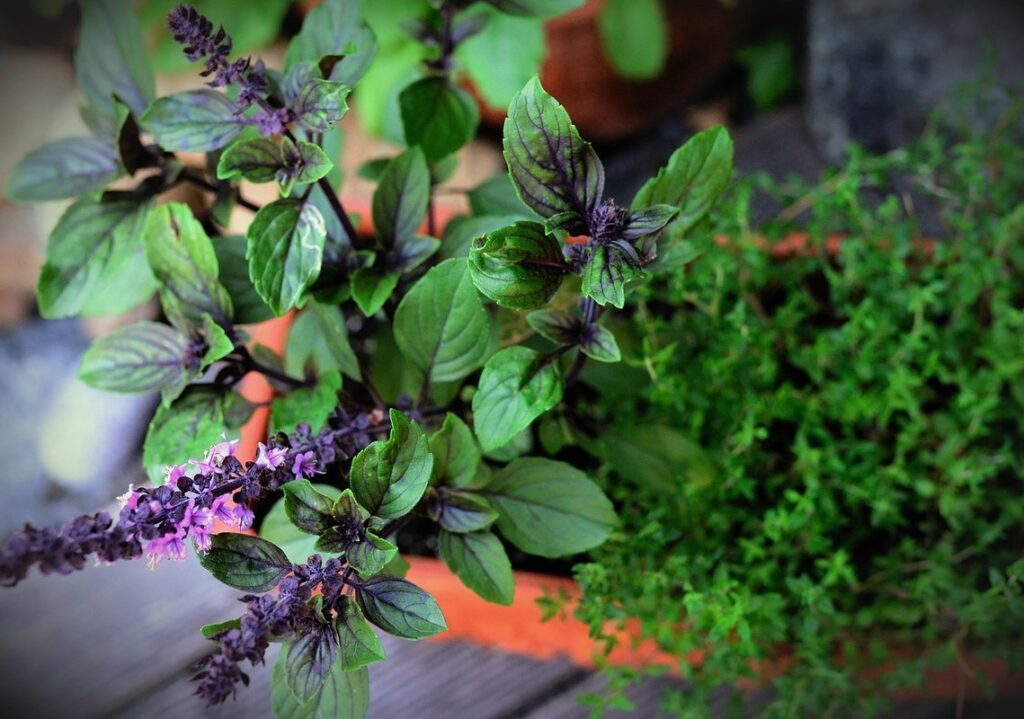
Planning Your Herb Garden Balcony
To create a beautiful and functional herb garden balcony, you’ll want to consider the space constraints and start planning with purpose. Let’s dive into the details of designing your perfect balcony oasis.
Assessing Your Space and Climate
When planning your herb garden balcony, it’s essential to assess your space and climate to ensure you’re selecting herbs that will thrive. Start by measuring the length and width of your balcony to determine its overall square footage. This will help you decide on the layout and size of your herb garden.
Next, consider the sunlight exposure of your balcony. Most herbs require at least 4-6 hours of direct sunlight per day, but some can tolerate partial shade. For example, basil and mint prefer full sun, while parsley and cilantro can do well in partial shade.
Pay attention to wind direction as well – a breezy spot may not be ideal for delicate herbs like chamomile or lemongrass. Temperature fluctuations are also crucial; if your balcony is exposed to extreme temperature swings, choose hardy herbs that can adapt to these conditions. By understanding your space and climate, you’ll be able to select the perfect herbs for your balcony garden, ensuring a thriving oasis in small spaces.
Choosing the Right Containers and Planters
When it comes to creating an herb garden balcony, choosing the right containers is crucial. Not only do they impact the aesthetic appeal of your space, but also the health and productivity of your herbs. Self-watering planters are an excellent option for balconies with limited space or inconsistent sunlight. These clever planters have built-in water reservoirs that reduce watering frequency, ensuring your herbs receive the right amount of moisture.
Hanging baskets are another great choice for balconies, allowing you to maximize vertical space and add a touch of whimsy to your garden. Look for durable, weather-resistant materials like wicker or metal, and consider using trellises or obelisks to support climbing herbs like mint or rosemary.
For those with limited space, vertical garden systems are an excellent option. These modular planters use a series of interconnected pockets to create a lush, green wall that can be tailored to your specific needs. They’re perfect for balconies with narrow profiles or compact spaces, and can even be mounted on walls or railings for added convenience.
When selecting containers, consider factors like drainage, material, and size to ensure they meet the unique needs of your balcony and herbs. By choosing the right containers, you’ll set your herb garden up for success, allowing it to thrive in even the smallest of spaces.
Selecting the Perfect Herbs for Your Balcony
When it comes to selecting herbs for your balcony garden, it’s essential to choose varieties that thrive in containers and can tolerate varying weather conditions. Consider herbs with compact growth habits, such as basil, mint, and rosemary, which require minimal pruning and can be easily contained within a small space.
For pest resistance, opt for herbs like lemongrass and citronella, which have natural insect-repelling properties. These plants are perfect for balconies exposed to full sun or partial shade. Chives and thyme are also great options, as they require minimal maintenance and can tolerate some neglect.
Some popular herbs that do well in container gardens include parsley, dill, and cilantro. However, keep in mind that these plants tend to bolt (go to seed) quickly, so be prepared to replant or harvest them regularly. To ensure the health of your herb garden, make sure to choose a well-draining potting mix and water your plants when the top inch of soil feels dry to the touch.
When selecting herbs for your balcony garden, consider the climate and microclimate of your space. This will help you choose varieties that are tailored to your specific conditions and will thrive in their new environment.
Design Ideas for a Beautiful Herb Garden Balcony
When it comes to designing a beautiful herb garden balcony, consider incorporating vertical elements to maximize space. This can be achieved by using trellises or a wall-mounted planter system that allows herbs like basil and mint to cascade down. You can also make use of hanging baskets, which not only add visual appeal but also help keep the floor clear for easy maintenance. For a more whimsical touch, consider adding a trellis with climbing peas or beans, which will attract pollinators and add a pop of color.
To create a cohesive look, choose a unifying theme such as coastal or bohemian chic, and stick to it when selecting planters, soil, and decorative elements. Consider using self-watering planters that reduce maintenance and allow for consistent growth. Don’t forget to leave space between plants for air circulation, which will help prevent fungal diseases and promote healthy herb production. By incorporating these design ideas, you can create a thriving oasis in even the smallest of spaces.
Maximizing Space with Vertical Gardening
To make the most of your balcony space, vertical gardening is a game-changer – we’ll show you how to create a lush oasis while keeping your footprint small.
Creating a Living Wall with Herbs
Creating a living wall with herbs is an excellent way to maximize space on your balcony while adding visual appeal and fragrance to your outdoor oasis. To design and install a thriving herb garden living wall, you’ll need to choose the right modular planters or pockets.
When selecting modular planters, consider the size of your balcony and the amount of sunlight it receives. For a small balcony with partial shade, opt for planters that can accommodate herbs such as mint, basil, or parsley, which can tolerate low light conditions. Make sure the planters have good drainage holes to prevent waterlogged soil.
To install the living wall, start by attaching the planters to a trellis or a freestanding wall using screws or hooks. Fill each planter with a high-quality potting mix specifically designed for herbs, and gently remove the plants from their pots, taking care not to disturb the roots. Arrange the plants in a visually appealing way, leaving about 2-3 inches between each planter.
To maintain your living wall, water the plants when the top inch of soil feels dry to the touch, and fertilize every 1-2 weeks during the growing season. With proper care, your herb garden living wall will thrive and provide you with fresh herbs all season long.
Hanging Basket Ideas for Small Spaces
If you’re short on space but still want to grow your favorite herbs, consider using hanging baskets as a creative solution. They can be hung from the balcony railing or even attached to a wall-mounted trellis, making them perfect for small spaces.
Choose shallow containers with good drainage holes to prevent waterlogged soil. Select herbs that thrive in partial shade and have compact growth habits, such as basil, mint, and parsley. Water them regularly, but avoid overwatering which can lead to root rot.
To maximize space, use a tiered hanging basket system or multiple smaller baskets arranged together. This will not only save floor space but also create visual interest. You can also incorporate self-watering planters that reduce the need for frequent watering.
For added style, attach small solar-powered lights around the baskets or use a decorative trellis to add texture and color. By following these simple tips, you’ll have a lush herb garden in no time, even with limited space on your balcony.
Balcony Herb Garden Maintenance and Care
When it comes to maintaining your balcony herb garden, regular watering is key. Check the soil moisture daily, and water when necessary, but avoid overwatering, which can lead to root rot and other issues. Aim for about 1-2 inches of water per week, either from rain or irrigation. Keep in mind that some herbs like basil and mint prefer more frequent watering, while others like rosemary and thyme are drought-tolerant.
To ensure your herbs receive the right amount of sunlight, consider rotating your planters seasonally to adjust for changes in sun patterns. Most herbs require at least 4-6 hours of direct sunlight per day, but some can tolerate partial shade. Make sure to also fertilize your herbs regularly with a balanced fertilizer to promote healthy growth and prevent nutrient deficiencies.
Watering and Irrigation Systems
When it comes to maintaining a thriving herb garden on your balcony, getting the watering right is crucial. We’ll break down the best irrigation systems for your compact space.
Fertilizing and Pruning Herbs
When it comes to creating a thriving oasis on your balcony herb garden, fertilizing and pruning are essential steps to promote healthy growth and prevent pests. Fertilize your herbs once a month with a balanced fertilizer that contains nitrogen, phosphorus, and potassium. You can also use a water-soluble fertilizer specifically designed for herbs, which will provide them with the necessary nutrients.
Pruning is another crucial step in maintaining a healthy herb garden. Regular pruning encourages bushy growth, prevents legginess, and promotes root development. To prune your herbs, simply pinch off flower buds to direct energy towards leaf growth, trim back overgrown stems, and remove any dead or diseased leaves. For example, basil loves to be pruned regularly, as it will encourage new growth and prevent the plant from flowering.
Some popular pruning techniques for specific herbs include:
• Pinching off rosemary tips to promote branching
• Trimming lavender after blooming to maintain shape and control height
• Regularly pinching off mint leaves to prevent overgrowth
By fertilizing and pruning your herbs regularly, you’ll be able to enjoy a bountiful harvest and create a thriving oasis on your balcony herb garden.
Pest Control and Disease Prevention
When it comes to maintaining a healthy and thriving herb garden on your balcony, pest control and disease prevention are crucial aspects to consider. Overwatering is often the root cause of many problems, including attracting unwanted pests like slugs, snails, and aphids. To prevent this, ensure you’re watering your herbs correctly by checking the soil moisture daily and avoiding overhead watering.
Another key factor in preventing disease is ensuring good air circulation around your plants. This can be achieved by keeping them at least 6-8 inches apart and pruning them regularly to maintain their shape. Regularly inspecting your plants for signs of pests or diseases like yellowing leaves, black spots, or white powdery coatings will also help you catch any issues early on.
Some popular natural pest control methods include using neem oil, insecticidal soap, or introducing beneficial insects like ladybugs or lacewings to your balcony garden. For disease prevention, try spraying a mixture of 1 tablespoon of baking soda and 1 gallon of water on the affected area to deter fungal growth.
Integrating Your Herb Garden Balcony with Indoor Spaces
When designing your herb garden balcony, it’s essential to consider how you can seamlessly integrate it with your indoor spaces. This will not only create a cohesive look but also make maintenance and harvesting easier. To achieve this, start by selecting herbs that thrive in low-light conditions or can be moved indoors when needed, such as basil, mint, and parsley. You can also use a trellis or a vertical planter to train vining herbs like lemon balm or rosemary to grow upwards, saving space on your balcony while keeping them accessible from inside. This way, you’ll have a continuous supply of fresh herbs year-round, and your indoor cooking experience will be enhanced by the convenience of having them just steps away.
Bringing the Outdoors In: Display Ideas for Harvested Herbs
Now that you’ve harvested your herbs, it’s time to showcase them in style. Let’s explore some creative ways to display your homegrown treasures and bring a touch of the outdoors indoors.
Creating a Functional Workspace on Your Balcony
Creating a functional workspace on your balcony is essential for harvesting, cleaning, and preparing your fresh herbs. This space should be designed to optimize efficiency while keeping your harvest organized.
Consider the layout of your balcony when designing your workspace. Measure the available area to ensure that your setup will fit comfortably without obstructing foot traffic or creating clutter. Designate a specific section for harvesting, another for cleaning, and one for preparation.
For the harvesting station, include a compact table or bench where you can place your herb baskets or pots. This surface should be near a good light source to inspect the herbs’ condition before harvesting. Add a small tray or container to collect excess leaves or debris from pruning.
The cleaning area needs gentle surfaces and adequate drainage for washing and rinsing herbs. A small, shallow sink or a designated rinse station with a drain will suffice. Consider installing a faucet-mounted sprayer for easy water control.
For the preparation zone, include a cutting board, herb stripper, and other necessary tools within easy reach. Store your utensils in a nearby cabinet or on a hanging rack to maintain organization and prevent clutter buildup.
To maximize space, consider vertical storage solutions like wall-mounted shelves or hooks for baskets. This will keep harvested herbs organized and out of the way while freeing up floor space for other uses.
Keep your workspace tidy by assigning a designated spot for each task and using labels to identify storage containers. Regularly clean and sanitize your equipment to maintain a safe working environment.
Conclusion: Enjoying Your Thriving Herb Garden Balcony
Congratulations on creating your very own thriving herb garden balcony! You’ve successfully transformed a small space into a lush oasis, bursting with fresh flavors and aromas. As you step out onto your balcony, surrounded by the sights and scents of nature, take a moment to appreciate your hard work and creativity. Whether you’re cooking up a storm or simply enjoying the serenity of your outdoor space, remember that your herb garden is more than just a decorative feature – it’s an edible haven waiting to be explored.
Regularly inspect your plants for signs of pests or disease, and don’t hesitate to prune back overgrown branches to maintain their shape. With a little TLC, your herb garden will continue to flourish and provide you with fresh herbs all season long. Enjoy experimenting with new recipes and flavor combinations using the fragrant leaves from your balcony garden – it’s a culinary adventure that never gets old!
Frequently Asked Questions
What if I don’t have direct sunlight on my balcony? Can I still grow herbs?
While most herbs require at least 4-6 hours of direct sunlight, there are some varieties that can tolerate partial shade or even artificial lighting. Consider growing mint, lemongrass, or Thai basil in a shaded area. You can also use grow lights to supplement natural light and promote healthy growth.
How do I prevent pests like aphids and whiteflies from infesting my herb garden?
To keep pests at bay, regularly inspect your plants for signs of infestation. Use neem oil or insecticidal soap to control mildew and fungal diseases that can attract pests. Also, ensure good air circulation around your plants by keeping them spaced out.
Can I use regular potting soil for my herb garden balcony?
Regular potting soil may not provide the necessary drainage and aeration for container-grown herbs. Opt for a well-draining potting mix specifically designed for containers or make your own by mixing perlite, vermiculite, and compost with regular potting soil.
What’s the best way to fertilize my herb garden balcony?
Feed your herbs regularly with a balanced fertilizer (10-10-10 NPK). Dilute it according to the manufacturer’s instructions, as over-fertilizing can damage plants. Consider using organic fertilizers like fish emulsion or compost tea for added nutrients.
Can I integrate my herb garden balcony with my indoor kitchen?
Absolutely! Create a seamless transition between your outdoor and indoor spaces by integrating planters and containers that match your home decor. Use the same type of lighting, watering system, and fertilizer to ensure continuity in care and maintenance. This will allow you to easily harvest fresh herbs for cooking.