
Are you looking for a low-maintenance winter interest plant that can add some much-needed charm to your garden? Look no further than Helleborus foetidus! This unassuming beauty is often overlooked, but it has a unique set of characteristics and care requirements that make it an ideal choice for gardeners who want a thriving specimen with minimal fuss. As its common name suggests, Helleborus foetidus has a distinct aroma – some might say it’s a bit stinky! But don’t let that deter you; this plant is a real showstopper in the winter months when many other plants are dormant. In this article, we’ll delve into the world of Helleborus foetidus and explore how to grow and propagate this beautiful specimen for a thriving garden, including its unique care requirements and propagation methods.
Introduction to Helleborus Foetidus
Welcome to our comprehensive guide, where we’ll delve into the often-overlooked world of Helleborus foetidus, a low-maintenance gem in winter gardens. In this section, let’s start by understanding what makes Helleborus foetidus so unique.
What is Helleborus Foetidus?
Helleborus foetidus is often overlooked amidst its more showy cousins, but it’s a hidden gem worth getting to know. Botanically speaking, Helleborus foetidus belongs to the Ranunculaceae family and is commonly known as the stinking hellebore due to its strong, unpleasant odor.
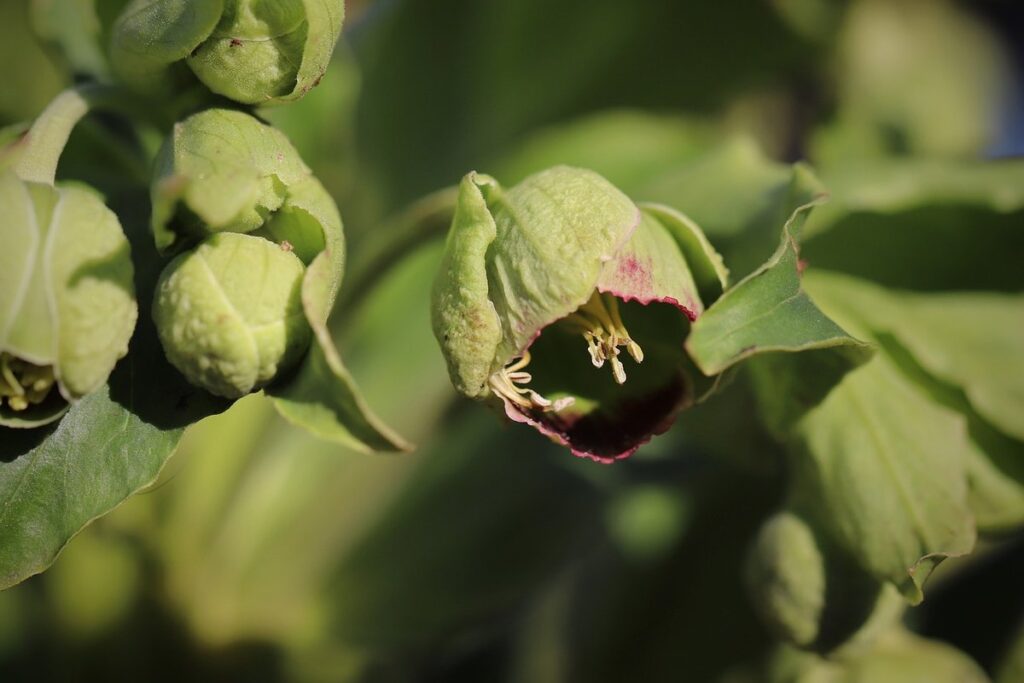
This unique characteristic is a result of the plant’s defense mechanism to deter herbivores from feeding on it. However, don’t let its pungent smell put you off – beneath the surface lies a delicate, evergreen beauty with attractive foliage and bell-shaped flowers that bloom in shades of greenish-yellow from January to April.
In terms of classification, Helleborus foetidus is an evergreen perennial that typically grows between 2-4 feet tall. It thrives in woodland gardens, cottage gardens, or even as a standalone specimen plant. Its versatility makes it an excellent choice for gardeners seeking low-maintenance yet visually appealing additions to their outdoor spaces.
Where Does Helleborus Foetidus Originate From?
Helleborus foetidus is native to Europe and Western Asia, specifically found in the mountainous regions of the Pyrenees, Alps, and Carpathian Mountains. This hardy perennial has been cultivated for centuries, prized for its unique, nodding bell-shaped flowers that bloom in late winter to early spring.
Its cultivation history dates back to the 17th century when it was first introduced to English gardens by botanists and horticulturists. Since then, it has become a popular choice among gardeners due to its ability to thrive in shady conditions and its low-maintenance requirements. In fact, Helleborus foetidus is often used as a naturalizing groundcover, spreading slowly over time to create a beautiful, lush carpet of foliage.
When cultivating Helleborus foetidus, it’s essential to provide the right growing conditions. Choose a spot with partial shade and moist, fertile soil that drains well. Avoid areas with standing water, as this can lead to root rot. With proper care, Helleborus foetidus will reward you with its stunning flowers and lush foliage for years to come.
Plant Characteristics and Identification
To get to know Helleborus foetidus even better, let’s dive into its key plant characteristics, from its foliage to its flowers.
Visual Identifiers: Leaves and Stems
Helleborus foetidus boasts some of the most recognizable and distinctive features among its kind. One of the standout characteristics is its foliage – leaves that are not only large but also have a unique, lanceolate shape. Typically measuring between 10-18 cm (4-7 in) long, these leaves are often an attractive dark green color with a subtle sheen.
Their shape and size allow them to make a statement even when the plant is not in bloom, making helleborus foetidus a great choice for adding some year-round interest to your garden beds or containers.
The stems themselves are sturdy, producing leafy growth that can reach up to 30 cm (12 in) tall. Note that these stems grow from the base of the plant and often have a reddish tint when young. This striking combination of foliage and stem makes for an impressive display come spring, and they provide an excellent backdrop for those gorgeous flowers.
To appreciate helleborus foetidus to its fullest potential, take note of how its leaves tend to be more leathery in texture than other species. The large leaves also grow opposite each other on the stem, adding a level of uniformity that makes them stand out.
Flowers and Foliage Coloration
When it comes to the visual appeal of Helleborus foetidus, its flowers and foliage coloration are definitely noteworthy. The plant produces small, nodding bells of greenish-yellow flowers that dangle from the stems during late winter to early spring. While the blooms may not be showy or vibrant like those of some other perennials, their subtle beauty is certainly charming.
The foliage of Helleborus foetidus is another story altogether. The leaves are dark green in color with a leathery texture and an attractive serrated edge. As the plant grows, it forms a low, spreading habit that’s perfect for adding depth and interest to woodland gardens or shady borders.
One of the unique characteristics of Helleborus foetidus is its ability to thrive in low-light conditions. This makes it an excellent choice for planting beneath trees or along shaded paths where other perennials may struggle to survive. With proper care, including regular watering and fertilization, Helleborus foetidus can become a stunning addition to your garden, even if it’s not the flashiest plant in the bunch.
In terms of growth habits, Helleborus foetidus is a slow-growing perennial that prefers well-drained soil and partial shade. With time, it will form a dense mat of foliage that’s perfect for suppressing weeds and adding texture to your garden beds. By choosing plants with similar growth habits and foliage coloration, you can create a beautiful, cohesive look in your garden that’s sure to impress.
Growing Helleborus Foetidus: Tips and Considerations
To cultivate helleborus foetidus successfully, consider factors such as soil preference, moisture levels, and required sunlight. Proper care will ensure these plants thrive in your garden.
Climate and Soil Requirements
Helleborus foetidus thrives in conditions that mimic its native woodland environment. When it comes to temperature, this plant is relatively hardy and can tolerate temperatures as low as 5°C (40°F). However, it prefers to grow in areas with moderate winters, around 10-15°C (50-59°F), which allows it to enter a state of dormancy.
In terms of humidity, helleborus foetidus likes a relatively humid environment, but not overly so. It can thrive in conditions ranging from 60-80% relative humidity. This means that you can grow it successfully in most gardens, provided they are not extremely dry or extremely wet.
Soil pH is another crucial factor to consider when growing helleborus foetidus. It prefers slightly acidic to neutral soils with a pH between 6.0 and 7.5. If your soil is too alkaline, it may lead to nutrient deficiencies in the plant. To create an optimal environment, aim for a mix of peat moss and compost or well-rotted manure. This will not only provide the necessary nutrients but also maintain a suitable acidity level.
To give you a better idea, helleborus foetidus can be grown successfully in USDA zones 6 to 8. In these regions, it typically flowers in late winter to early spring, providing a welcome splash of color during a period when many other plants are dormant.
Lighting and Watering Needs
When it comes to growing Helleborus foetidus, proper lighting and watering are crucial for this beautiful yet delicate plant. Hellebores generally prefer partial shade to full sun, but since Helleborus foetidus is a winter-flowering variety, it thrives in areas with dappled shade. This allows the flowers to bloom without being scorched by intense sunlight.
In terms of watering, Helleborus foetidus prefers well-draining soil and consistent moisture levels. Water them regularly during their growing season (fall through spring), but avoid overwatering as this can lead to root rot. Check the soil daily, and water only when it feels dry to the touch.
To further enhance your plant’s chances of success, consider the following tips: mulch around the base to retain moisture and regulate soil temperature; repot every 2-3 years to refresh the soil and provide more room for growth.
It’s also worth noting that Helleborus foetidus is relatively low maintenance in terms of watering, but it does appreciate a good soaking during periods of drought. Be mindful of your local climate and adjust your watering schedule accordingly. With proper care, you’ll be rewarded with stunning blooms from late winter to early spring.
Care and Maintenance for a Thriving Helleborus Foetidus
To keep your Helleborus foetidus healthy and thriving, it’s essential to understand its specific care requirements, including pruning and watering techniques. With these tips, you’ll be on your way to a lush and vibrant display of this beautiful winter-flowering plant.
Pruning and Deadheading
To promote healthy growth and encourage new blooms, pruning is essential for Helleborus foetidus. The process may seem intimidating, but with the right techniques, you can keep your plant thriving.
When to Prune:
Pruning should be done immediately after blooming, usually in late spring or early summer. This allows the plant time to recover and direct its energy towards new growth.
Step-by-Step Guide:
- Remove any dead or damaged stems.
- Cut back overgrown or leggy stems by about one-third.
- Trim off any seed heads to prevent self-seeding and encourage more blooms.
- Reduce foliage to maintain a balanced shape and promote air circulation.
Deadheading is also crucial for maintaining the plant’s appearance. Remove spent flowers as soon as they fade, taking care not to damage the delicate sepals that protect the buds. By doing so, you’ll prevent seed dispersal, direct energy towards new blooms, and keep your Helleborus foetidus looking its best throughout the growing season. Regular deadheading will also help maintain the plant’s compact shape and encourage more flowers to form in subsequent years.
Pest and Disease Management
Helleborus foetidus is generally a robust plant that can withstand various conditions, but it’s not immune to pests and diseases. One of the most common issues faced by helleborus growers is crown rot, which occurs when the plant’s roots are exposed to excessive moisture. This can be prevented by ensuring good air circulation around the plant and avoiding overwatering.
In terms of pests, slugs and snails can be a problem for helleborus foetidus. To manage these pests, remove weeds that may provide shelter for them, hand-pick any you see, or use barriers to prevent them from reaching your plants. Also, keep an eye out for aphids, which can spread disease.
Regular inspections and prompt action are key in managing diseases and pests. Monitor your helleborus foetidus regularly for signs of pests or disease, such as yellowing leaves, black spots, or white powdery patches. If you notice any issues, treat the affected areas immediately with fungicides or insecticides.
Some preventative measures include practicing good garden hygiene, using compost to improve soil health, and rotating your crops to avoid depleting nutrients in the soil. By taking these steps and staying vigilant, you can keep your helleborus foetidus healthy and thriving.
Propagation Methods for Helleborus Foetidus
Helleborus foetidus can be a bit finicky to propagate, but don’t worry, we’ve got you covered. Learn how to successfully multiply this charming winter-flowering plant using our tried-and-true methods.
Division and Layering Techniques
Division and layering are two reliable methods to propagate Helleborus foetidus. Division involves separating the plant’s rhizomes during repotting, usually every 3-4 years when it has outgrown its container. Begin by gently washing the roots with water, then tease apart the individual sections with a fork or knife, making sure each section has some growth buds and at least one ‘eye’. Replant the divisions immediately, firming the soil gently around the roots.
Layering is another way to multiply Helleborus foetidus. Choose a long stem on the mother plant, tie it to a stake or trellis to train it upwards, and apply rooting hormone powder to the buried section of the stem. Water well and keep the area consistently moist until roots develop. After 6-8 weeks, carefully cut the stem below the soil line, leaving as much of the original root system intact as possible.
To increase your chances of success with division or layering, choose healthy plants with a robust root system and provide optimal growing conditions for the new divisions or layered stems.
Seed Germination and Sowing
Germinating seeds from Helleborus foetidus can be a bit more challenging than propagating through division. However, with the right conditions and techniques, you can successfully start new plants from seed.
First, it’s essential to note that Helleborus foetidus seeds have a low germination rate, typically ranging from 10-20%. This is because their natural dormancy helps protect them from extreme temperatures and moisture fluctuations. To overcome this hurdle, we need to provide the right environment for germination.
For sowing, fill seed trays or pots with a well-draining mix specifically designed for seed starting. Plant the seeds about 1-2 mm deep and water gently but thoroughly. Keep the soil consistently moist during the first few weeks after sowing, as this will help break dormancy. Provide warmth, ideally around 65-75°F (18-24°C), to encourage germination.
Maintain high humidity by covering the trays or pots with a clear plastic bag or cloche. Monitor your seedlings closely and remove any dead or dying seeds, which can harbor diseases that might affect the remaining plants.
Ornamental Uses and Potential in Garden Design
When it comes to adding visual interest to your garden, Helleborus foetidus has a multitude of ornamental uses that are easy to incorporate into your design. Let’s explore how you can use its unique charm.
Companion Planting Opportunities
When it comes to companion planting with Helleborus foetidus, the possibilities are endless. This versatile plant pairs well with a variety of flowers and foliage that complement its unique charm. To create visually appealing garden spaces, consider pairing Helleborus foetidus with bulbs like snowdrops (Galanthus) or winter-flowering heathers (Erica carnea). These early bloomers will add pops of color to your garden in late winter and early spring, while the hellebore’s nodding bells provide a striking contrast.
For a more dramatic effect, plant Helleborus foetidus alongside tall grasses like miscanthus or pampas grass (Cortaderia selloana). The delicate texture of the hellebore will add depth to the garden while the grasses provide a stunning backdrop. You can also combine it with shrubs like winter-flowering viburnum (Viburnum x bodnantense) or mahonia, which offer berries and foliage that complement the hellebore’s evergreen habit.
Some other excellent companion plants for Helleborus foetidus include ferns like autumn fern (Dryopteris erythrosora) and coral bells (Heuchera sanguinea). These delicate plants will soften the overall look of your garden while creating a soothing, naturalistic atmosphere.
Seasonal Interest and Winter Interest
As winter’s chill sets in, many plants retreat into dormancy, leaving our gardens feeling barren and lifeless. But not Helleborus foetidus – this unassuming gem remains a constant presence, providing structural support and interest during the coldest months of the year. Its evergreen foliage forms a sturdy framework that can be relied upon to add depth and texture to winter landscapes.
In fact, Helleborus foetidus is often at its best during the winter months when other plants are struggling to survive. Its dark green, leathery leaves provide a striking contrast to the snow-covered ground, creating a sense of visual interest that’s hard to find in midwinter. By planting multiple specimens around a patio or seating area, you can create a dynamic display of foliage and structure that will draw the eye even on the darkest days.
By incorporating Helleborus foetidus into your winter garden design, you’ll be adding a level of depth and sophistication that’s hard to achieve with more seasonal plants. And as an added bonus, its flowers – which appear in late winter or early spring – are a lovely surprise, providing a sweet contrast to the cold, dark months of January and February.
Conclusion: Harnessing the Beauty of Helleborus Foetidus in Your Garden
As you’ve learned about the unique characteristics and benefits of helleborus foetidus, it’s time to put your newfound knowledge into action. Now that you know how to care for this low-maintenance perennial, how can you incorporate its charm into your garden design? Consider grouping helleborus foetidus with other winter-blooming plants like snowdrops and cyclamen to create a stunning winter display. Alternatively, use it as a groundcover or filler plant in a shaded area of your yard. By doing so, you’ll be able to appreciate its subtle beauty year-round. As the seasons change, helleborus foetidus will remain a constant source of interest and delight in your garden.
Frequently Asked Questions
How to Care for Helleborus Foetidus in Extreme Weather Conditions?
Helleborus foetidus is relatively hardy, but extreme weather conditions can still impact its health. If you live in an area with harsh winters or scorching summers, make sure to provide your plant with extra protection during these times. Mulch around the base to insulate the roots and prevent damage from freezing temperatures. During summer months, ensure it receives partial shade to avoid heat stress.
Can I Grow Helleborus Foetidus in Containers?
Yes, you can grow Helleborus foetidus in containers, but choose a large one with good drainage to accommodate its spreading habit. Use a well-draining potting mix and water carefully, as the plant is susceptible to root rot. Fertilize sparingly during the growing season, and make sure the container is at least 8-10 inches deep to provide enough room for the roots.
How Often Should I Water My Helleborus Foetidus During Droughts?
Water your Helleborus foetidus plant when the top inch of soil feels dry to the touch, but avoid overwatering. During prolonged droughts, reduce watering frequency to once a week or every 10-14 days, depending on soil moisture levels and weather conditions.
What Are Some Common Pests Affecting Helleborus Foetidus?
Aphids, slugs, and snails can be common pests affecting Helleborus foetidus. Regularly inspect your plant for signs of infestation, such as distorted leaves or white powdery spots. Use organic controls like neem oil or insecticidal soap to manage aphid populations, while hand-picking slugs and snails at night is an effective method to control their numbers.
Can I Propagate Helleborus Foetidus by Division?
Yes, you can propagate Helleborus foetidus through division in the spring or fall. Carefully dig up the entire plant, separating the offsets from the mother plant using a sharp knife or pruning tool. Replant the offsets immediately, making sure they have adequate root space and moisture. This method is relatively easy and produces high success rates compared to seed germination.