
Are you tired of the same old winter garden looking dull and lifeless? Hellebores, often called Christmas roses or Lenten roses, are a great solution to add some much-needed color and vibrancy during the cold months. But did you know that planting companion flowers with hellebores can take your winter garden to the next level? Not only will these combinations attract pollinators like bees and butterflies, but they’ll also improve soil health, reduce pests and diseases, and add visual interest to your garden. In this article, we’ll explore some of the best hellebore companion plants that you can use to create a thriving winter wonderland. We’ll delve into how these pairings work together to create a harmonious ecosystem, so keep reading to discover the secrets to a stunning winter garden!
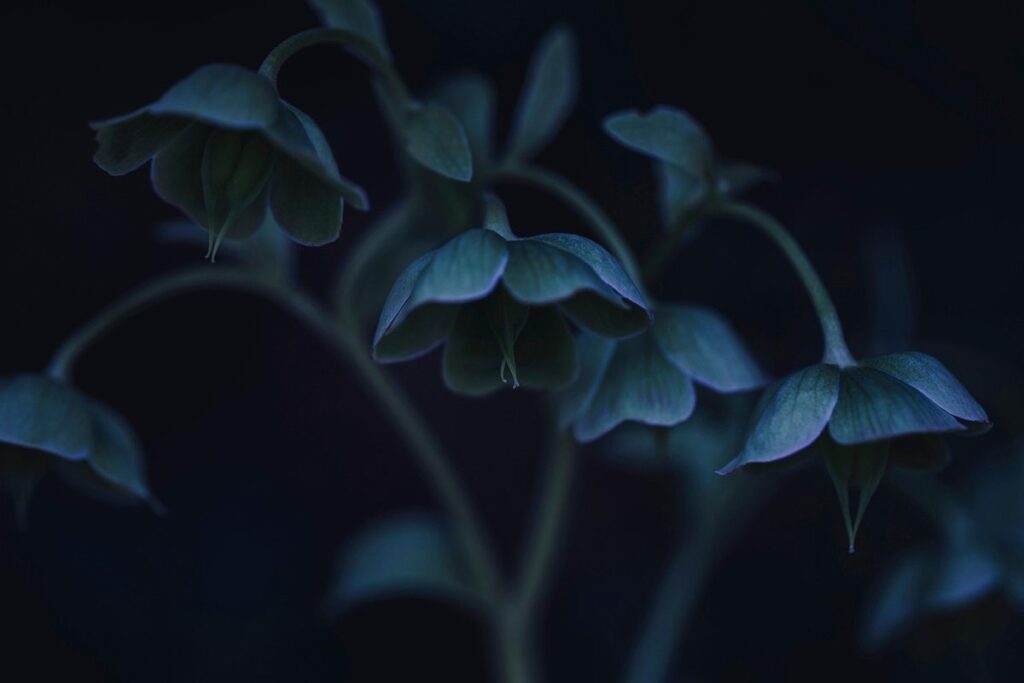
Understanding Hellebores and Their Needs
To grow companion plants successfully alongside hellebores, it’s essential to understand their specific needs and requirements. This includes factors such as sunlight, soil type, and watering habits.
What are Hellebores?
Hellebores are often referred to as the “Christmas roses” due to their ability to bloom during the winter months. These evergreen flowering plants have become increasingly popular among gardeners in recent years, and for good reason. Not only do they provide a pop of color when other flowers are scarce, but they’re also relatively low-maintenance and easy to care for.
One of the key characteristics of hellebores is their unique growth habit. They have thick, waxy leaves that retain moisture and protect the plant from extreme temperatures. This makes them an excellent choice for shady areas where other plants might struggle to survive. Additionally, hellebores are deer-resistant and require minimal pruning, making them a great option for gardeners who want to minimize their upkeep.
Another reason why hellebores are a great choice is that they come in a wide range of colors, including whites, pinks, purples, and even bi-colored varieties. This means you can choose the perfect hellebore to complement your existing garden design or add a splash of color to a specific area. By incorporating hellebores into your garden, you’ll be able to enjoy beautiful blooms from late winter through early spring, providing a welcome respite from the cold and darkness of the season.
Choosing the Right Location for Hellebores
When choosing a location for hellebores, it’s essential to consider their specific needs. Hellebores require partial shade to full sun, depending on the variety. If you live in a hot climate, it’s best to provide them with some afternoon shade to prevent scorching. On the other hand, if you live in a cooler region, they can tolerate full sun.
In terms of soil type, hellebores prefer well-draining, fertile soil that is rich in organic matter. Avoid planting them in areas with standing water or where water tends to collect. This will help prevent root rot and ensure healthy growth. As for moisture requirements, hellebores are relatively drought-tolerant but will perform best with consistent moisture, especially during their first year of growth.
In general, it’s a good idea to plant hellebores in areas that receive morning sun and dappled shade in the afternoon. This will provide them with the perfect conditions for blooming and growth. Be sure to check the specific needs of your variety, as some hellebore species may require more or less sunlight than others.
When selecting a location, also consider the mature size of the hellebores. They can grow up to 2-3 feet tall and wide, so make sure to plant them in an area where they won’t be overcrowded by other plants.
Benefits of Using Companion Plants with Hellebores
Companion planting is a simple yet powerful way to enhance the beauty and health of your hellebores, and today we’re excited to share the benefits of pairing them with other plants. From pest control to added color, these clever combinations will elevate your garden game!
Attracting Pollinators to Your Garden
Attracting pollinators like bees and butterflies is crucial for hellebore seed production. By incorporating companion plants that draw these beneficial insects to your garden, you can increase the chances of successful hellebore pollination. One of the key benefits of using companion planting is its ability to create a diverse ecosystem, which in turn attracts a variety of pollinators.
Consider adding flowering perennials like lavender, coneflowers, and bee balm to your garden. These plants are known for their vibrant blooms and will attract bees, butterflies, and other pollinators. Lavender, in particular, is a favorite among bees and can bloom as early as late winter or early spring, coinciding with hellebore flowering.
To maximize the benefits of companion planting for pollinators, choose plants that have different blooming periods to provide a constant source of nectar throughout the growing season. Also, select plants with varying heights and growth habits to create a diverse landscape that offers shelter and nesting sites for beneficial insects.
Improving Soil Health and Structure
When choosing companion plants for hellebores, it’s essential to consider not only their aesthetic appeal but also their impact on soil health and structure. Certain companion plants can improve the fertility of your garden bed, benefiting not just the hellebores but other plants as well.
Plants like comfrey (Symphytum officinale) are known for their ability to act as a fertilizer plant, adding nutrients back into the soil through its deep taproot and leafy greens. By incorporating comfrey into your companion planting strategy, you can reduce the need for external fertilizers and create a more balanced ecosystem.
Other beneficial plants include clover (Trifolium spp.), which fixes nitrogen in the soil, and daffodils (Narcissus pseudonarcissus), whose bulbs release nutrients as they break down. These plants not only improve soil health but also provide essential benefits to hellebores, such as improved water retention and reduced pests.
To maximize the benefits of companion planting, be sure to plant these beneficial companions at a ratio of 3:1 or 4:1 with your hellebores, allowing them to spread their roots and impact the soil. Regularly mulch around the plants to retain moisture and suppress weeds, further supporting a healthy ecosystem.
Companion Plant Options for Hellebores
When it comes to adding some extra flavor to your hellebore garden, selecting the right companion plants is crucial. Here are some top picks that pair perfectly with these winter bloomers.
Perennials That Thrive with Hellebores
When it comes to choosing perennial companion plants for hellebores, you’ll want to select species that not only thrive in similar conditions but also complement the beauty and structure of these evergreen flowering plants. Some excellent options include cyclamen, winter aconite, and snowdrops.
Cyclamen (Cyclamen coum) are perfect companions for hellebores due to their delicate, heart-shaped flowers that bloom from late autumn to early spring. Their nodding habit allows them to tuck themselves beneath the foliage of larger hellebore varieties, creating a charming layered effect. Snowdrops (Galanthus nivalis), on the other hand, are some of the first bulbs to push through winter’s grip and provide an early splash of color.
Another excellent choice is winter aconite (Eranthis hyemalis). These tiny flowers burst forth in late winter and spring, creating a sunny yellow carpet beneath your hellebores. To make the most of these companions, plant them near the base of your hellebore clumps, where their blooms will be easily visible from below.
By planting these perennials alongside your hellebores, you’ll create a vibrant and dynamic winter garden that’s teeming with life and color even in the coldest months.
Annuals That Add Color to Your Garden
If you’re looking for ways to add some extra color and vibrancy to your garden around your hellebores, consider incorporating some annuals into the mix. These fast-growing flowers can provide a pop of color from early spring right through to autumn, extending the flowering season beyond what your hellebore plants alone can offer.
Some great options for annual companion plants for hellebores include violas and pansies. These delicate, intricate flowers come in a range of colors and patterns, making them perfect for adding some visual interest around your Helleborus plants. Plant them close to the base of the hellebore stems or scattered throughout the surrounding area for maximum impact.
Calendulas are another excellent choice for annual companion planting with hellebores. Their bright orange, yellow, and red blooms are sure to attract pollinators like bees and butterflies to your garden. Plus, their cheery petals add a lively touch that complements the more stately appearance of your hellebore plants.
By incorporating these annuals into your garden design, you can create a visually appealing combination that showcases the unique characteristics of both hellebores and annual flowers.
Companion Planting Techniques for Hellebores
When it comes to creating a lush and thriving hellebore garden, companion planting is key. In this next part, we’ll explore specific techniques to pair your hellebores with other plants that will enhance their beauty and health.
Intercropping with Hellebores
When intercropping with hellebores, it’s essential to strategically place companion plants among the crowns or between clumps. This not only maximizes space but also creates a diverse and thriving ecosystem.
To start, choose companion species that complement the growth habits of hellebores, such as low-growing plants like creeping thyme or dwarf boxwood, which can be planted around the base of hellebore crowns. Alternatively, plant taller companions like daylilies or catmint between clumps, allowing for a layered effect.
When planting among the crowns, leave about 6-8 inches (15-20 cm) of space between the companion species and the hellebore crown to prevent competition for resources. This also allows for air circulation, which is crucial in preventing disease.
By incorporating intercropping with your hellebores, you can reap a multitude of benefits, from increased biodiversity to improved pest control and reduced soil erosion. Experiment with different combinations to find what works best for your specific garden conditions.
Succession Planting with Hellebores
Succession planting is a clever technique that allows you to make the most of your hellebore blooms. As these plants finish flowering, quickly-growing annuals can be planted around them, creating a seamless transition from winter interest to spring color. This method not only extends the blooming season but also provides a much-needed burst of energy for the soil.
For example, you can plant fast-spreading groundcovers like creeping thyme or sweet woodruff around your hellebores as they finish blooming. These annuals will quickly fill in any gaps and create a lush carpet of color that will distract from the fading blooms of your hellebore. Alternatively, you can choose taller varieties like cosmos or marigolds to provide a striking contrast to the low-growing hellebore foliage.
When succession planting with hellebores, remember to time the planting correctly. Wait until the blooming period is over and the plant has finished producing flowers before introducing the annuals. This will prevent any competition for water and nutrients between the two plants. With a little planning, you can create a stunning display of color that will keep your garden looking vibrant all year round.
Companion Plants for Specific Hellebore Varieties
While many companion plants can thrive alongside hellebores, some varieties benefit from specific pairings to enhance their growth and appearance. Let’s explore these tailored matches for a few popular hellebore types.
Common Hellebore Cultivars and Their Needs
When it comes to choosing companion plants for specific hellebore varieties, understanding their unique needs is crucial. Let’s take a look at some popular cultivars and what they require from their companions.
‘Hell’s Bells’ and ‘Penny’s Pink’, for instance, are compact growers that thrive in well-draining soil with partial shade. They need companion plants that won’t compete for space or nutrients. Good options include creeping thyme, vinca minor, or heuchera, which can fill gaps between pavers without overwhelming the hellebores.
On the other hand, ‘Royal Heritage’ and ‘Winter Jewels’ are taller varieties that demand more room to spread out. They prefer rich soil with a slightly acidic pH and full sun to partial shade. These hellebore varieties benefit from companion plants like hostas, astilbe, or ferns that provide dappled shade and create a layered effect.
Consider the mature size of your hellebore variety when selecting companion plants. Make sure they have enough space to grow without overcrowding the area. With this in mind, you can choose complementary plants that enhance their beauty while minimizing competition for resources.
Tips for Companion Planting with Hybrid Hellebores
When it comes to companion planting with hybrid hellebores, things can get a bit more complicated. These beautiful flowers are known for their unique characteristics and often require specific care. Choosing the right companion plants is crucial to ensure they thrive together.
One of the main challenges when growing hybrid hellebores is their tendency to spread rapidly, which can lead to overcrowding and reduced air circulation. To mitigate this issue, look for compact or dwarf varieties that won’t compete with your hellebore for space. Consider pairing them with slower-growing plants like Ajuga reptans (bugle) or Hesperis matronalis (dame’s rocket), which will provide a beautiful display without overpowering the hybrid hellebores.
When selecting companion plants, also take into account their moisture and light requirements. Some hybrid hellebore varieties prefer moist soil, while others can tolerate drought. For example, pairing Helleborus x ericsmithii ‘Pine Green’ with a plant like Carex oshimensis (Japanese sedge) will help retain moisture in the soil without creating too much competition for water.
By choosing companion plants that complement rather than compete with your hybrid hellebores, you can create a beautiful and thriving garden.
Maintaining a Healthy and Diverse Garden Ecosystem
To create a thriving ecosystem around your hellebores, it’s essential to understand how to maintain a balanced and diverse garden environment that supports their unique needs.
Creating a Balanced and Thriving Garden
When it comes to creating a thriving garden, balance is key. A balanced ecosystem means having a diverse range of plants with varying textures, growth habits, and bloom times. This diversity not only makes the garden more visually appealing but also helps to minimize pests and diseases.
Imagine a garden where tall plants like sunflowers or delphiniums tower above shorter ones like creeping thyme or ivy. This mix of heights creates a layered effect, adding depth and interest to the space. It’s also beneficial for companion planting because it allows different plants to benefit from each other’s growth habits.
For example, growing hellebores alongside tall grasses like pampas grass or fountain grass can help suppress weeds and provide shade for the delicate foliage of these flowering plants. Similarly, low-growing plants like creeping thyme or sweet woodruff can fill gaps between larger plants, reducing soil erosion and retaining moisture.
To achieve this balance in your garden, start by grouping companion plants with different growth habits together. Consider the mature size of each plant and leave enough space for them to grow without overcrowding. By creating a balanced ecosystem, you’ll not only attract more pollinators but also enjoy a healthier and more resilient garden overall.
Managing Pests and Diseases with Companion Plants
When cultivating hellebores and other plants, it’s essential to maintain a balanced garden ecosystem. Companion planting can play a crucial role in this process by helping manage pests and diseases that target these beautiful blooms.
Certain companion plants have natural pest-repellent properties or can even attract beneficial insects to your garden. For instance, planting marigolds alongside hellebores can deter nematodes and other pests. The strong scent of marigold repels these unwanted visitors, safeguarding your hellebore roots.
Some companion plants can also help prevent the spread of fungal diseases that often affect hellebores. Garlic is a popular choice as it has antifungal properties. Plant garlic around the perimeter of your garden to create a barrier against fungal infections. Additionally, certain herbs like sage and rosemary have natural antiseptic properties that can aid in preventing bacterial diseases.
When selecting companion plants for pest management, consider those with strong scents or oils. These plant compounds can repel pests and attract beneficial insects. Integrate these plants into your garden strategically to maximize their benefits.
Frequently Asked Questions
Can I use companion plants with newly planted hellebores?
Yes, you can definitely plant companion flowers alongside new hellebores, but make sure to choose varieties that have similar growing requirements and won’t compete for resources like water and nutrients. This will also give your hellebores a chance to establish themselves before sharing space.
How do I know which companion plants are suitable for my specific climate?
To determine the best companion plants for your area, consider factors like temperature, rainfall, and sunlight patterns. Research plants that thrive in similar conditions as your hellebores, and don’t be afraid to experiment with new combinations to find what works best for you.
Can I use annuals as companion plants instead of perennials?
While perennials can provide a more long-term benefit, annuals can still offer significant advantages like rapid growth and high yields. Choose annuals that complement the blooming period of your hellebores, such as pansies or violas, to create an extended color display.
How do I balance the needs of different companion plants in my garden?
To maintain a harmonious ecosystem, ensure each plant has enough space to grow and receive necessary resources. Monitor their growth patterns and adjust spacing as needed to avoid overcrowding or competition for light and water.
Can I use companion planting techniques with hybrid hellebores?
Yes, you can apply companion planting principles to hybrid hellebores, just like you would with non-hybrid varieties. However, keep in mind that some hybrids may have specific requirements or tolerances, so research their needs before selecting companion plants.