
Heirloom tomatoes are a gardener’s dream come true – with their vibrant colors, unique flavors, and rich textures, they’re a staple in many home gardens. But growing these prized varieties requires more than just throwing some seeds in the ground. To coax out the full potential of your heirloom tomato plants, you need to know the right techniques for selecting, nurturing, and harvesting them. In this article, we’ll share expert advice on how to grow the perfect crop, from choosing the best variety for your climate to learning the secret to ripening those juicy fruits at the peak of flavor. Whether you’re a seasoned gardener or just starting out, our tips and tricks will help you enjoy a bountiful harvest of delicious, homegrown heirloom tomatoes all season long.
Understanding Heirloom Tomatoes
Let’s take a closer look at heirloom tomatoes and understand their unique characteristics that set them apart from other tomato varieties. This will help us tailor our care strategies to meet their special needs.
What are Heirloom Tomatoes?
Heirloom tomatoes are a beloved favorite among gardeners and foodies alike, and for good reason. These unique and delicious varieties offer a level of diversity and flavor that you simply won’t find in their hybrid counterparts.
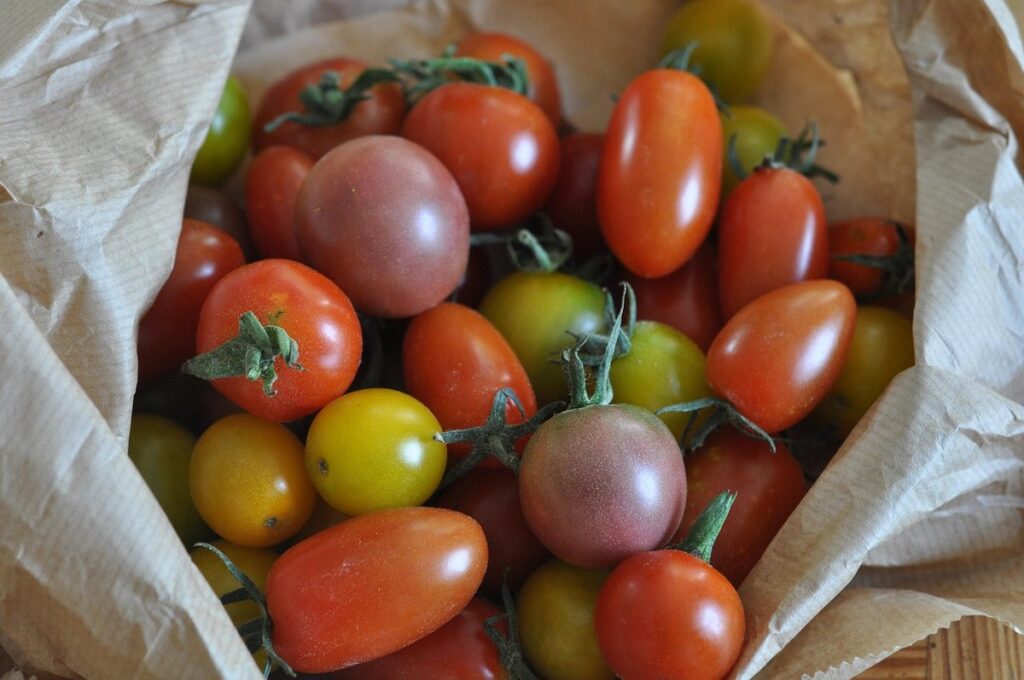
One of the defining characteristics of heirloom tomatoes is their open-pollinated nature. This means that they can be saved and replanted from year to year, allowing gardeners to preserve and share these special varieties with others. Heirlooms are also known for their vibrant colors, ranging from deep reds and purples to yellows, oranges, and even striped patterns.
But what makes heirloom tomatoes so popular? For one, they offer a level of complexity and depth in flavor that’s unmatched by hybrids. Each variety has its own unique taste profile, often with hints of sweetness, acidity, or smokiness. Whether you’re growing them for personal enjoyment or to share at farmer’s markets, heirloom tomatoes are sure to impress.
Some popular varieties include Brandywine, Cherokee Purple, and San Marzano – each with its own distinct characteristics and flavor profiles. By growing heirlooms, gardeners can experience the thrill of discovery as they explore new flavors and textures in their harvests.
Choosing the Right Variety
When it comes to growing heirloom tomatoes, selecting the right variety is crucial for a bountiful harvest. Not only does it determine the flavor profile and texture of your tomatoes, but also their adaptability to your specific climate and growth habits.
To choose the perfect heirloom tomato variety, start by considering your local climate. Some varieties thrive in full sun and warm temperatures, while others prefer cooler, shadier conditions. For example, ‘Brandywine’ is a popular choice for warmer climates, while ‘Cherokee Purple’ excels in cooler temperatures. Research different varieties and their recommended growing conditions to ensure you’re selecting one that will perform well in your area.
You can find heirloom tomato seeds or seedlings at local nurseries or online through reputable seed catalogs. When browsing these resources, pay attention to the variety’s days to maturity, growth habit (indeterminate or determinate), and disease resistance. This information will help you narrow down your options and select a variety that suits your needs.
By carefully choosing an heirloom tomato variety, you’ll be well on your way to growing delicious, healthy tomatoes in your garden. Take the time to research and select a suitable variety, and you’ll be rewarded with a bountiful harvest that’s tailored to your specific climate and preferences.
Soil Preparation and Fertilization
To grow delicious heirloom tomatoes, you’ll want to focus on creating a nutrient-rich soil foundation through proper preparation and fertilization techniques. Let’s dive into the details of how to do just that.
Preparing Your Soil for Tomatoes
Before you can start planting those beautiful heirloom tomatoes, it’s essential to prepare the soil. This might seem like a no-brainer, but trust us, it makes all the difference in the world. A well-prepared soil is the foundation of a healthy and thriving tomato plant.
First things first, test your pH levels. Most heirloom tomatoes prefer a slightly acidic to neutral soil pH, ranging from 6.0 to 7.0. If your soil is too alkaline or too acidic, it can affect nutrient availability and even stunt growth. You can purchase a DIY kit or send a sample to the lab for analysis.
While you’re at it, take some time to remove any debris, rocks, and weeds from the area. This will give your roots room to breathe and prevent competition for nutrients. Now, here’s where things get exciting – adding organic matter! Mix in a 2-inch layer of compost or well-rotted manure into the top 6 inches of soil. This will not only provide essential micronutrients but also improve drainage and structure. Think of it as giving your tomatoes a healthy dose of nutrients to get them off to a flying start.
Fertilizing Your Heirloom Tomato Plants
When it comes to fertilizing your heirloom tomato plants, you’ll want to focus on providing them with a balanced diet that promotes healthy growth and fruit production. Heirloom tomatoes are heavy feeders, so they require regular fertilizer applications throughout the growing season.
One of the best organic options for fertilizing your heirloom tomatoes is compost tea. This liquid solution is made by steeping compost in water and can provide a boost of beneficial microbes to your plants. To make compost tea, simply steep 1-2 cups of compost in 5 gallons of water for 24 hours before applying it to your tomato plants.
Another organic option is fish emulsion, which is high in nitrogen, phosphorus, and potassium. Mix 1 tablespoon of fish emulsion with 1 gallon of water and apply it to your tomato plants every 7-10 days during the growing season. As for synthetic fertilizers, look for balanced formulas that contain a mix of nitrogen, phosphorus, and potassium (such as 10-10-10). However, be sure to follow the instructions carefully and avoid over-fertilizing, which can lead to weak or deformed fruit.
As a general rule, start fertilizing your heirloom tomatoes when they are about 6 inches tall. Continue to fertilize every 7-10 days until the plants reach full maturity. Be sure to stop fertilizing once the fruits have set and are growing rapidly, as over-fertilization can cause the plants to focus more on foliage growth than fruit production.
Watering and Irrigation Strategies
Effective watering and irrigation strategies are crucial for healthy heirloom tomato growth, so let’s dive into the right techniques to keep your plants thriving.
Proper Watering Techniques for Tomatoes
Consistent moisture levels are crucial for healthy tomato growth. Heirloom tomatoes need about 1-2 inches of water per week, either from rainfall or irrigation. This might seem like a straightforward requirement, but it’s surprisingly easy to overwater or underwater these delicate plants.
To avoid common watering mistakes, consider implementing drip irrigation systems. These allow you to deliver water directly to the roots, reducing evaporation and runoff while minimizing the risk of fungal diseases that thrive in moist environments. For example, using soaker hoses can save up to 70% of water compared to traditional sprinkler systems.
Another effective strategy is mulching around your plants. This helps retain moisture in the soil, suppress weeds that compete for resources, and regulate soil temperature. Organic materials like straw or bark chips work well for this purpose. Simply apply a 2-3 inch layer of mulch around the base of each plant, keeping it at least 6 inches away from the stem to prevent rot.
By adopting these efficient watering techniques, you’ll create an ideal environment for your heirloom tomatoes to thrive in.
Managing Water-Related Issues in Your Tomato Patch
Water is essential for tomato plants to grow, but too much of it can be detrimental. Overwatering is a common issue that can lead to root rot, fungal diseases, and reduced yields. Check the soil moisture by inserting your finger into the soil up to the knuckle. If the soil feels wet, wait another day or two before watering again. Make sure the pot has good drainage holes to prevent waterlogged soil.
Underwatering is also a problem, especially during hot weather. Tomatoes need about 1-2 inches of water per week, either from rain or irrigation. Monitor your plants’ leaves for signs of stress, such as wilted or yellowing leaves. If you notice these symptoms, increase watering frequency but avoid overdoing it.
Flooding can occur when heavy rainfall or irrigation exceeds the soil’s capacity to absorb water. This can cause roots to rot and lead to disease. Avoid planting in low-lying areas where water tends to collect. If flooding occurs, remove excess water as soon as possible and inspect your plants for damage.
By being mindful of these common issues, you’ll be able to provide your heirloom tomato plants with the right amount of water, promoting healthy growth and a bountiful harvest.
Pruning and Training Techniques
To coax those beautiful heirloom tomatoes into producing their best, you’ll need to learn some essential pruning and training techniques that will make all the difference. Let’s dive in!
The Importance of Pruning Heirloom Tomatoes
Pruning heirloom tomato plants may seem counterintuitive, especially when they’re producing an abundance of fruit. However, regular pruning plays a crucial role in maintaining their health and promoting a bountiful harvest. By removing select leaves and branches, you can improve air circulation around the plant, reducing the likelihood of fungal diseases that thrive in humid environments.
Proper pruning also encourages the plant to focus its energy on producing more robust fruit, rather than leafy growth. This results in larger, more flavorful tomatoes. To prune your heirloom tomato plant effectively, remove any weak or spindly branches, as well as any leaves that are touching the soil. This prevents disease from taking hold and promotes better air circulation.
As a general rule of thumb, prune your tomato plants when they reach about 12-18 inches tall. Remove the lower leaves to encourage stem growth and prevent diseases like early blight. By pruning regularly, you’ll not only increase yields but also enjoy healthier, more productive heirloom tomato plants.
Training Your Tomato Plants for Maximum Yield
Training heirloom tomato plants correctly is crucial to maximize space, promote healthy growth, and increase yields. One of the most effective ways to train your tomatoes is by using caging or staking. For indeterminate varieties, a sturdy cage or stake will help support the plant as it grows upwards, keeping the fruit off the ground and reducing the risk of disease.
For determinate varieties, you can use tomato stakes or clips to keep the plant upright. To trellis your heirloom tomatoes, attach twine or wire between two sturdy supports, allowing the plant to climb up and outwards. This technique is particularly useful for compact varieties that don’t require as much space.
When training your tomatoes, make sure to:
* Install the cage or stake at planting time to avoid damaging the roots
* Provide support for the fruit, rather than just the stem
* Leave enough space between plants for proper air circulation
* Train the plant regularly to encourage even growth and prevent it from becoming too leggy
By implementing these simple techniques, you can promote healthy growth, reduce maintenance, and enjoy a bountiful harvest of delicious heirloom tomatoes.
Pest and Disease Management
When it comes to growing heirloom tomatoes, managing pests and diseases can be a major challenge. We’ll cover some essential tips for keeping your plants healthy and thriving in this section.
Common Pests Affecting Heirloom Tomatoes
When it comes to heirloom tomato care, pest management is just as crucial as providing optimal growing conditions. Heirloom tomatoes are particularly susceptible to various pests that can quickly decimate a crop if left unchecked. Some of the most common pests affecting heirloom tomatoes include hornworms, aphids, and whiteflies.
Hornworms, with their large, green bodies and distinctive horns, are one of the most destructive pests to heirloom tomato plants. They feed on leaves, stems, and even fruit, causing significant damage. To control hornworm infestations, inspect your plants regularly and manually remove any that you find. You can also use Bt (Bacillus thuringiensis) or spinosad to kill hornworm larvae.
Aphids, on the other hand, are small, soft-bodied insects that feed on plant sap. They secrete a sticky substance called honeydew, which attracts ants and promotes fungal growth. To manage aphid populations, use neem oil or insecticidal soap to suffocate them, or introduce natural predators like ladybugs.
Whiteflies, with their piercing-sucking mouthparts, also pose a significant threat to heirloom tomato plants. They feed on sap, weakening the plant’s defenses and making it more vulnerable to disease. To control whitefly infestations, use fine mesh row covers or introduce beneficial insects like lacewings.
Managing Diseases in Your Tomato Patch
When it comes to growing heirloom tomatoes, managing diseases is an essential part of maintaining a healthy and productive patch. Three common diseases that can affect your tomato crop are blight, fusarium wilt, and powdery mildew.
Blight is characterized by black or gray patches on the leaves and stems, which can spread quickly in warm and humid weather. To prevent blight, ensure good air circulation around your plants, remove any infected leaves or stems, and avoid overhead watering. If you catch it early, you can treat blight with fungicides like copper-based products.
Fusarium wilt is a more serious disease that affects the roots of the plant, causing yellowing leaves and wilting. It’s often spread through contaminated soil or water. To prevent fusarium wilt, use clean potting mix and irrigation water, and avoid planting in areas where the disease has been previously present. If you notice symptoms, remove infected plants to prevent the disease from spreading.
Powdery mildew is another common issue that can be identified by a white, powdery coating on the leaves. It thrives in warm temperatures and high humidity. To prevent powdery mildew, keep your plants well-spaced for good air circulation, avoid watering at night, and use organic fungicides like neem oil or sulfur.
Prevention is key when it comes to managing diseases in your tomato patch. Regularly inspect your plants, remove any infected leaves or stems, and maintain a clean and healthy environment. By staying vigilant and taking prompt action, you can minimize the impact of these common diseases and enjoy a bountiful harvest of delicious heirloom tomatoes.
Harvesting and Storage Tips
Now that your heirloom tomatoes are ripe, it’s essential to handle them carefully to preserve their flavor and texture for as long as possible. In this next part, we’ll cover the best ways to harvest and store your prized produce.
When to Expect a Bountiful Harvest
The anticipation builds as you await the ripening of your heirloom tomatoes. But when can you expect that bountiful harvest? The truth is, tomato ripening times are influenced by a combination of factors, including weather conditions, soil quality, and plant variety.
Weather conditions play a significant role in determining the ripening time of your tomatoes. A warm and sunny spell can speed up the process, while cool or rainy weather can slow it down. In ideal weather conditions, heirloom tomato plants typically take around 60 to 90 days to mature from sowing seeds.
Soil quality is another crucial factor that affects tomato ripening times. Well-draining soil with a pH between 6.0 and 7.0 will promote healthy root growth and nutrient uptake, leading to faster maturation. On the other hand, poor soil conditions can stunt plant growth and delay fruiting.
Lastly, consider the plant variety when estimating your harvest time. Some heirloom tomato varieties are bred for early production, while others may take longer to mature. Check the specific growing requirements of your chosen variety to get an idea of what to expect.
Proper Handling and Storage of Heirloom Tomatoes
When handling heirloom tomatoes, it’s essential to be gentle and avoid bruising their delicate skin. Start by gently washing them with cold water to remove any dirt or debris. Pat the tomatoes dry with a clean cloth or paper towel to prevent moisture from accumulating on the surface.
Proper storage is crucial for maintaining the flavor and texture of heirloom tomatoes. Store them in a cool, well-ventilated area, away from direct sunlight. You can also store them in a breathable container, such as a mesh bag or a paper bag with holes punched through it. This will allow excess moisture to escape while keeping the tomatoes protected.
When storing at room temperature, heirloom tomatoes typically last for 3-5 days. However, you can extend their shelf life by storing them in the refrigerator. To do this, store them in a sealed container or plastic bag with a paper towel to absorb any excess moisture. Keep in mind that refrigeration can affect the flavor and texture of heirloom tomatoes.
To keep your stored heirloom tomatoes fresh for as long as possible, check on them daily and remove any that are spoiled or rotting. This will prevent the spread of disease and help maintain the quality of the remaining tomatoes.
Frequently Asked Questions
Can I grow heirloom tomatoes indoors, or do they require a greenhouse environment?
Yes, you can grow heirloom tomatoes indoors using a sunny windowsill or a indoor growing setup with supplemental lighting. However, be aware that this will limit their growth and fruiting potential compared to outdoor conditions. Make sure the temperature is between 65-70°F (18-21°C) for optimal growth.
How do I prevent common pests like hornworms and aphids from destroying my heirloom tomato plants?
To manage these pests, inspect your plants regularly for signs of infestation. Use neem oil or insecticidal soap to control infestations when caught early. You can also introduce beneficial insects like ladybugs or lacewings to your garden to naturally control pest populations.
What’s the best way to save heirloom tomato seeds for future planting?
To save heirloom tomato seeds, allow some of your plants to mature and produce seed-bearing fruits. Collect the seeds from these fruits when they are fully ripe and dry them completely before storing in an airtight container. Label the seeds with the variety name and date.
Can I graft heirloom tomato seedlings onto more robust rootstock for improved growth?
Yes, you can graft heirloom tomato seedlings onto more robust rootstock like Roma or Cherry Tomatoes. This technique is called “scion grafting” and can improve the overall health and productivity of your plants. However, it requires some expertise and specialized equipment.
What are some common mistakes to avoid when pruning heirloom tomatoes?
Avoid over-pruning your heirloom tomato plants, as this can stress them and reduce fruit production. Remove only the lowest branches and any growth that’s rubbing against nearby plants or other supports. Prune in a way that promotes air circulation and sunlight penetration to prevent disease issues.