
Hedgerows are often overlooked natural wonders that play a vital role in supporting local wildlife, preventing soil erosion, and sequestering carbon. These strips of vegetation, which can be found on farms, countryside edges, and even urban areas, provide a haven for biodiversity. By planting native species and preserving existing hedgerows, we can help to boost the populations of bees, butterflies, and other pollinators that are crucial to our ecosystem’s health.
But why should you care about hedgerows? Not only do they support incredible amounts of wildlife, but they also play a vital role in preventing soil erosion and sequestering carbon. In this article, we’ll explore the importance of hedgerows for biodiversity, take a look at successful conservation efforts, and provide tips on how you can get involved in preserving these valuable ecosystems.
What are Hedgerows and Why Are They Important?
Let’s start by understanding what hedgerows are: a simple yet effective way to create wildlife habitats, often found along roadsides and field boundaries. But what exactly is a hedgerow and why should we care?
Definition and History of Hedgerows
Hedgerows have been a vital component of agricultural landscapes for centuries. Essentially, they are linear features that separate fields, pastures, and other areas of land, often formed by planting trees, shrubs, and other vegetation along the boundaries. Historically, hedgerows were used to demarcate property lines, mark field edges, and provide a natural barrier against livestock.
In the past, hedgerows were an essential part of agricultural practices. They served as windbreaks, reducing soil erosion and protecting crops from harsh weather conditions. Many hedgerows were also home to traditional hedgerow trees like Hawthorn, Oak, and Hazel, which provided valuable timber for farming tools and other essentials.
Today, we recognize the significant role hedgerows play in maintaining biodiversity. By creating corridors of habitat along field edges, hedgerows support a wide range of plant and animal species that might otherwise struggle to survive in intensively farmed areas. As we move forward with sustainable agricultural practices, preserving and restoring hedgerows is crucial for conserving ecosystem services and promoting ecological balance.
Types of Hedgerows: Native, Non-Native, and Hybrid
When it comes to hedgerows, there are three primary types: native species, non-native species, and hybrid varieties. Each of these has its own unique characteristics and impact on biodiversity.
Native hedgerow species are those that are indigenous to the region, meaning they have grown naturally in the area for thousands of years. Examples include wild cherry (Prunus avium), hawthorn (Crataegus monogyna), and blackthorn (Prunus spinosa). These native species provide essential food sources for local wildlife, such as birds, bees, and butterflies. They also offer shelter and habitat for small mammals like rabbits and hedgehogs.
Non-native hedgerow species, on the other hand, are those that have been introduced from elsewhere, often through human activity. While they can still support biodiversity, their impact is often less significant than native species. Examples include conifers like spruce (Picea spp.) and pine (Pinus spp.), which are widely used as hedgerow plants in the UK.
Hybrid varieties, a mix of native and non-native species, offer another option for landowners looking to create biodiverse hedgerows. For instance, combining the native wild cherry with the non-native black locust (Robinia pseudoacacia) can provide an attractive, flowering hedge that attracts pollinators while also offering shade and shelter.
It’s essential to consider the specific needs of your local wildlife when choosing a hedgerow species. By opting for native or hybrid varieties, you can create a more biodiverse and resilient ecosystem that benefits both people and the environment. When selecting plants, look for species that are suitable for your region’s climate and soil type, as well as those that provide nectar-rich flowers to support pollinators.
In terms of creating new hedgerows or restoring existing ones, consider the following tips:
* Incorporate a mix of native tree and shrub species to provide year-round food sources.
* Include a variety of plant sizes and growth habits to create different layers and microhabitats.
* Plant flowers that bloom at different times to ensure a constant nectar source for pollinators.
* Consider incorporating native wildflowers, like knapweed (Centaurea nigra) or cornflower (Centaurea cyanus), which are attractive to bees and butterflies.
By choosing the right hedgerow species and designing your plantings with biodiversity in mind, you can create a thriving ecosystem that benefits both people and wildlife.
Ecological Benefits of Hedgerows
Hedgerows provide a haven for wildlife, but their ecological benefits extend far beyond just biodiversity. They also play a crucial role in filtering water and supporting local ecosystems.
Habitat Creation for Wildlife
Hedgerows serve as vital corridors for wildlife, providing habitat and shelter for various species. For birds, hedgerows offer a haven from harsh weather conditions and predators, with native plants like hawthorn and blackthorn providing food and shelter. Insects such as bees and butterflies rely on the diverse flora of hedgerows to pollinate crops and flowers.
Mammals like hedgehogs and bats also benefit from hedgerow habitats, using them for shelter, food, and breeding grounds. The dense vegetation of hedgerows creates a microclimate that protects wildlife from extreme temperatures and weather conditions. To create more effective habitat corridors, landowners can incorporate native plant species, maintain existing hedgerows, and avoid intensive farming practices.
In the UK alone, it’s estimated that over 30% of hedgerows have been lost since the 1940s due to agricultural intensification. By preserving and enhancing hedgerow habitats, we can support biodiversity and mitigate the loss of natural habitats. Landowners can also create new habitat corridors by planting native species along field boundaries or creating wildlife-friendly buffer zones around farmland.
Soil Erosion Prevention and Carbon Sequestration
Hedgerows play a crucial role in preventing soil erosion and sequestering carbon, making them an essential component of climate change mitigation. Soil erosion is a significant environmental concern, with it being estimated that 24 billion tons of fertile topsoil are lost every year worldwide. Hedgerows help to stabilize the soil through their extensive root systems, which hold the earth in place, preventing runoff and soil degradation.
Moreover, hedgerows act as carbon sinks by storing CO2 from the atmosphere. Research has shown that a single mature tree can sequester up to 50 pounds of CO2 per year. When planted densely together, like in a hedgerow, their collective impact is even more pronounced. In fact, it’s estimated that trees and other vegetation cover can absorb between 800 million and 1 billion metric tons of carbon dioxide annually.
By planting and maintaining hedgerows on your land, you can significantly contribute to reducing soil erosion and carbon sequestration. Simply by incorporating native plant species with deep root systems into your existing hedgerow or establishing new ones, you’ll be making a tangible impact on the health of both your local ecosystem and the planet as a whole.
Role of Hedgerows in Supporting Biodiversity
Hedgerows play a crucial role in supporting biodiversity by providing habitats for a wide range of wildlife, from insects to birds and mammals. Let’s explore this essential function further!
Pollinator Support: Bees, Butterflies, and Other Insects
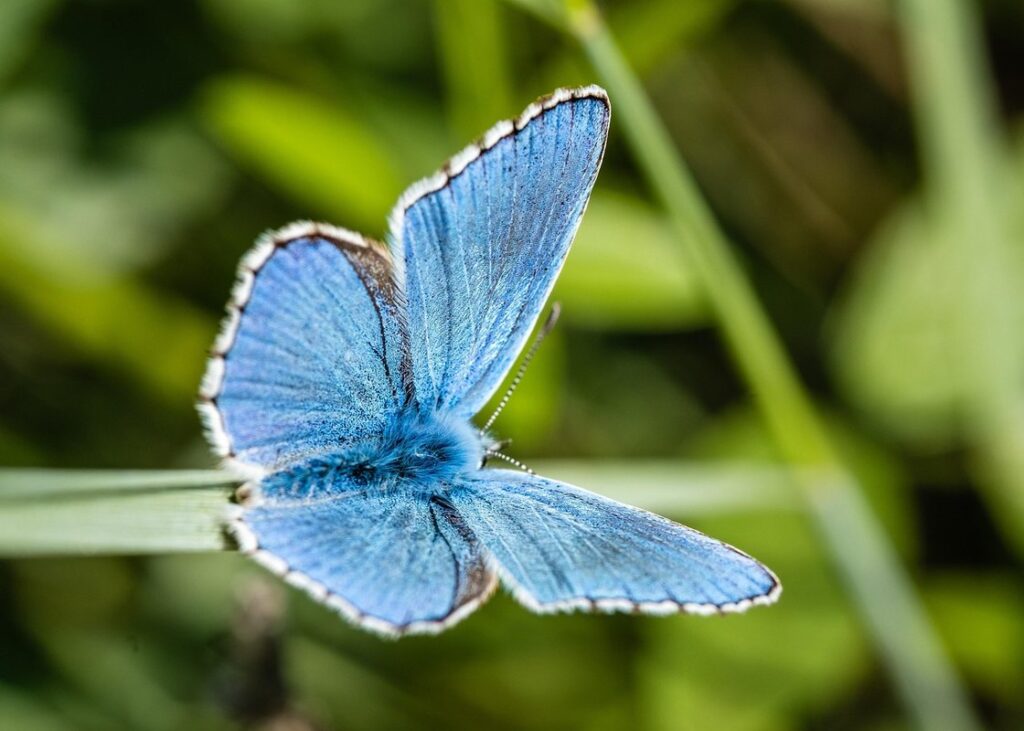
Hedgerows play a crucial role in supporting pollinators like bees, butterflies, and other insects. These tiny creatures are essential for food production, and their numbers have been declining drastically due to habitat loss and pesticide use. By incorporating hedgerows into agricultural landscapes, farmers can help restore these vital ecosystems.
Hedgerows provide a haven for pollinators by offering a rich source of nectar-rich flowers, which fuel their energy needs. The variety of native plants found in hedgerows attracts a range of pollinator species, including bees, butterflies, moths, and beetles. By planting a mix of these native species along hedgerow edges, farmers can create a diverse and dynamic ecosystem that supports the local pollinator population.
In addition to providing food, hedgerows also offer shelter and habitat for pollinators. The dense foliage and leaf litter found in hedgerows provide a safe haven from harsh weather conditions and predators. This is especially important during periods of extreme weather when pollinators may need additional protection. By incorporating hedgerows into agricultural landscapes, farmers can help restore the health and resilience of local pollinator populations.
When creating or restoring a hedgerow for pollinator support, consider the following tips:
* Choose native plant species that are rich in nectar and pollen
* Incorporate a mix of flowers that bloom at different times to provide a constant source of food
* Leave some areas of the hedgerow untidy, with leaf litter and branches intact, to provide shelter for pollinators
* Avoid using pesticides or herbicides near the hedgerow, as these can harm pollinators
Food Source for Birds and Small Mammals
Hedgerows serve as a vital food source for birds and small mammals, playing a crucial role in maintaining the balance of our local ecosystems. These strips of vegetation provide a constant supply of berries, fruits, seeds, and insects, which are essential for the survival of many bird species.
For example, hedgerows rich in hawthorn, blackthorn, and elder trees attract a variety of birds, including thrushes, blackbirds, and fieldfares. The berries produced by these plants are a primary food source for many bird species during the winter months when other food sources may be scarce.
Small mammals such as hedgehogs, bats, and mice also rely on hedgerows as a food source. The dense foliage of hedgerows provides shelter and protection from predators, while the abundance of insects and small invertebrates supports these animals’ diets.
To create a bird-friendly hedgerow, consider planting native tree species like oak, beech, or ash, which produce fruits that are rich in nutrients for birds. Also, incorporate shrubs with berries, such as dog rose, hazel, or pyracantha, to provide year-round food sources. By doing so, you’ll not only support local biodiversity but also contribute to the overall health of your ecosystem.
Case Studies: Successful Hedgerow Conservation Efforts
Let’s take a closer look at how real communities are thriving thanks to successful hedgerow conservation efforts around the world, and what we can learn from them.
Examples of Successful Hedgerow Restoration Projects
Across various regions, numerous hedgerow restoration projects have showcased remarkable biodiversity benefits and ecosystem services. In the UK, for instance, the Woodland Trust’s Hedgerow Restoration Program has successfully revitalized over 1,000 km of neglected hedges, creating vital habitats for endangered species such as the hedgehog, dormouse, and lapwing.
In Ireland, the County Wicklow Biodiversity Action Plan features a notable hedgerow restoration project that restored 5km of degraded hedges along the River Vartry. This initiative not only enhanced local biodiversity but also improved water quality and soil health.
The US-based Nature Conservancy has implemented several successful hedgerow restoration projects in its preserves, such as the one at Long Island’s Bald Hill Farm. By reintroducing native plants and trees, these efforts have boosted local bird populations, reduced erosion, and increased ecosystem resilience.
These examples demonstrate that with careful planning and execution, hedgerow restoration can yield impressive biodiversity benefits and ecosystem services. To replicate these successes in your area, consider collaborating with local landowners, wildlife experts, and conservation groups to assess the condition of nearby hedgerows and develop a comprehensive restoration plan that prioritizes native species and habitat connectivity.
Community-Led Initiatives and Volunteer Engagement
Community-led initiatives and volunteer engagement have become crucial components of hedgerow conservation efforts. By involving local communities in the preservation of these ecosystems, conservationists can tap into a wealth of knowledge, skills, and enthusiasm that might otherwise go untapped.
For instance, the UK’s “Hedgerow Heroes” program has seen volunteers work alongside experts to restore damaged hedgerows across the countryside. Not only do these efforts help to repair habitat loss, but they also provide opportunities for community members to develop new skills, connect with nature, and take ownership of conservation projects.
To replicate such success in your own area, consider partnering with local organizations, schools, or community groups to launch a hedgerow conservation initiative. Start by conducting a site survey to identify areas where hedgerows are in need of repair or enhancement. Then, recruit volunteers and provide them with hands-on training on tasks like pruning, planting, and monitoring.
By leveraging the power of community involvement, you can create lasting change and help preserve the biodiversity benefits that hedgerows provide. As one conservationist noted, “When communities come together to care for these precious ecosystems, we see not only restored habitats but also stronger social bonds and a renewed sense of connection with nature.”
Challenges and Opportunities for Hedgerow Conservation
While hedgerows bring many benefits, they also face challenges that can threaten their survival. Let’s explore some of the key issues affecting these vital habitats for biodiversity.
Threats to Hedgerows: Development, Agriculture, and Climate Change
Hedgerows are facing numerous threats that not only compromise their existence but also have far-reaching consequences for biodiversity. One of the primary concerns is development pressure. As urban areas expand, hedgerows are often cleared to make way for new infrastructure or housing developments. This destruction can lead to a loss of habitat for various species, disrupting local ecosystems and potentially driving populations to extinction.
Agricultural practices also pose a significant threat to hedgerows. Intensive farming methods prioritize crop yields over environmental considerations, resulting in the removal of hedgerows to create larger fields. While this may increase productivity in the short term, it comes at a cost: biodiversity suffers as species that rely on hedgerows for food and shelter are left without habitat.
Climate change is another pressing issue affecting hedgerows. Warmer temperatures and changing precipitation patterns alter the delicate balance of ecosystems, making it increasingly difficult for plants and animals to adapt. Hedgerows, which provide essential corridors for wildlife migration and pollination, become fragmented or disappear altogether when habitats shift due to climate-related changes.
Opportunities for Integration with Agricultural Practices
Integrating hedgerow conservation into agricultural practices can have numerous benefits for both farmers and ecosystems. For instance, incorporating wildlife-friendly crops like sunflowers or lavender alongside staple crops can attract pollinators and beneficial insects, reducing the need for pesticides. This not only enhances biodiversity but also promotes soil health and fertility.
Farmers can also consider adopting agroecological approaches, such as crop rotation and cover cropping, which can help maintain hedgerow habitats and support ecosystem services like pest control and nutrient cycling. For example, planting legumes in hedgerows can fix nitrogen in the soil, reducing fertiliser application costs while improving soil quality.
Another opportunity for integration lies in agri-environmental schemes, where farmers are incentivised to maintain or create hedgerows as part of their farm management plan. By doing so, they contribute to the conservation of biodiversity hotspots and enhance ecosystem services that benefit local wildlife and communities alike.
Conclusion: Preserving Hedgerows for Future Generations
As we’ve explored the vital role hedgerows play in supporting biodiversity, it’s time to think about how we can preserve them for future generations. Let’s discuss ways to ensure these natural treasures endure forever.
Summary of Key Points
In conclusion, preserving hedgerows is crucial for maintaining biodiversity and ensuring ecological services that benefit both humans and wildlife. As we’ve explored throughout this post, hedgerows provide vital habitats for numerous species of plants and animals, serve as corridors for pollinators and beneficial insects, and help regulate water cycles.
These natural barriers also support soil health through nutrient cycling and erosion control, contributing to sustainable agriculture practices. For instance, in the UK, it’s estimated that 75% of farmland wildlife depends on hedgerows. Therefore, protecting and restoring these habitats is essential for maintaining ecosystem resilience.
To preserve hedgerows, consider incorporating native plant species into your landscaping or supporting local conservation efforts. Simple actions like not cutting back hedgerows too frequently or allowing wildflowers to bloom can also make a significant difference. By prioritizing the preservation of these ecological wonders, we can ensure their continued benefits for future generations and maintain healthy ecosystems that support biodiversity.
Call to Action: Get Involved in Hedgerow Conservation Efforts
As we’ve explored the crucial role hedgerows play in supporting biodiversity, it’s essential to recognize that individuals can make a significant impact by getting involved in local conservation efforts. By taking action, you’ll not only contribute to preserving these vital ecosystems but also inspire others to join the cause.
Start by researching and connecting with local organizations dedicated to hedgerow conservation. Many charities, wildlife trusts, and community groups work tirelessly to protect and restore these habitats. You can volunteer your time, participate in planting events, or even help with habitat management tasks like hedge trimming. Your involvement will not only contribute to the cause but also provide valuable insights into the intricacies of hedgerow ecosystems.
Consider joining local guided walks or nature reserves that offer opportunities for hands-on conservation work. These experiences allow you to learn from experts while making a tangible difference in your community. By taking ownership of this responsibility, you’ll become an advocate for these vital ecosystems and inspire others to follow suit, ultimately preserving the biodiversity that hedgerows provide.
Frequently Asked Questions
Can I plant a hedgerow on my own property, even if it’s not a farm or rural area?
Yes, you can definitely create a hedgerow in your urban or suburban garden or yard. Choose native species that are suitable for your climate and soil type, and consider consulting with local gardening experts or conservation organizations to ensure the best results.
How do I maintain my new hedgerow to maximize its biodiversity benefits?
Regular maintenance is crucial to keep your hedgerow healthy and thriving. This includes pruning, weeding, and watering regularly, as well as monitoring for pests and diseases. Consider creating a maintenance schedule with a team of volunteers or local residents to make it more manageable.
Can I use non-native species in my hedgerow if they’re easier to care for?
While using non-native species might seem convenient, it’s essential to choose native species that are adapted to your region’s climate and soil conditions. Non-native plants can outcompete native species and even become invasive, harming local ecosystems.
What if I don’t have a large area for my hedgerow – can I still make a difference?
Even small spaces can be valuable for biodiversity. Consider creating a “mini-hedgerow” in your garden or a community space, using containers or vertical planters to maximize the impact of native species.
How do I involve my local community in hedgerow conservation efforts?
Involving your community is essential to the success of any conservation project. Organize events, workshops, and volunteer opportunities to educate residents about the importance of hedgerows and encourage them to get involved. You can also partner with local schools, gardening clubs, or community groups to amplify the impact.