
As the seasons change and summer’s warmth gives way to autumn’s chill, our gardens transform into vibrant tapestries of color. But have you considered incorporating fall-colored hedge plants into your landscape design? Not only do these stunning shrubs add a pop of color to your outdoor space, but they also provide year-round interest and structure. If you’re looking for expert advice on how to select, plant, and maintain the perfect seasonal hedge, this article is for you. We’ll share our top picks for hedge plants that burst into vibrant fall color, from the fiery tones of burning bushes to the golden hues of oakleaf hydrangeas. With insider tips and tricks, we’ll show you how to design a stunning seasonal hedge that will be the envy of your neighborhood.
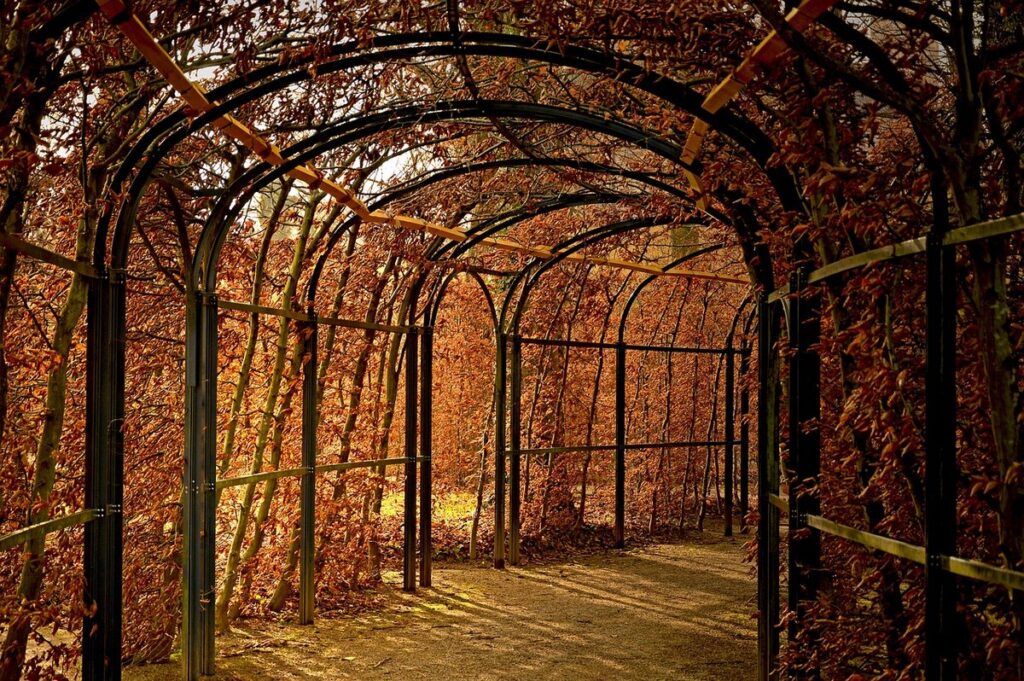
Choosing the Right Hedge Plant
When selecting a hedge plant for its vibrant fall color, there are several factors to consider beyond just aesthetics. You’ll want to think about your local climate, soil type, and maintenance needs.
Factors to Consider Before Selecting a Hedge
When selecting a hedge plant for its fall color display, it’s essential to consider several key factors before making a final decision. First and foremost, think about the climate where your hedge will be planted. Different regions experience varying levels of temperature, sunlight, and precipitation during the fall season, which can significantly impact the health and appearance of your chosen hedge plant.
Consider also the type of soil in your area. Some hedge plants thrive in well-draining soils while others perform best in moist or dry conditions. For example, if you live in an area with heavy clay soil, it’s best to choose a hedge plant like burning bush (Euonymus alatus), which is tolerant of poor drainage.
Additionally, think about the maintenance requirements and growth rate of your chosen hedge plant. Some plants require regular pruning, while others may grow too quickly or too slowly for your desired appearance. For example, if you want a low-maintenance option with moderate growth, consider a shrub like oakleaf hydrangea (Hydrangea quercifolia), which produces stunning fall color without requiring extensive upkeep.
Lastly, don’t forget to consider the mature size of your hedge plant and how it will fit into your overall landscape design. Ensure that your chosen species won’t outgrow its designated space or create maintenance headaches down the line.
Popular Evergreen Hedge Options for Fall Color
If you’re looking for evergreen hedge options that provide stunning fall color, you’ve come to the right place. Among these popular choices are boxwood, holly, and juniper. Boxwood, for example, is a versatile option that can be pruned into topiaries or left to grow naturally. Its small leaves turn a vibrant yellow in the fall, adding warmth to any landscape.
Holly is another great option for those who want year-round interest. With its glossy green leaves and bright red berries, holly provides a pop of color during the fall season. However, be aware that it can grow quite large if not regularly pruned.
Juniper is also an excellent choice for evergreen hedges with fall color. Its scale-like foliage turns a beautiful shade of gold in the fall, adding a touch of elegance to any garden bed. When choosing between these options, consider your climate and available space before making a decision.
Deciduous Hedge Plants with Vibrant Fall Foliage
If you’re looking to add some drama and vibrancy to your garden’s fall landscape, deciduous hedge plants with stunning autumn foliage are an excellent choice. Among the many options available, maple, oak, and sweet gum trees stand out for their brilliant display of color.
Maple trees (Acer spp.) are perhaps the most recognizable for their fiery red, orange, and yellow hues, which can persist well into winter. Sugar maples (Acer saccharum) are particularly prized for their vibrant colors, but Japanese maples (Acer palmatum) offer a more compact option for smaller spaces.
Oak trees (Quercus spp.) also boast impressive fall color, with some species displaying deep reds and burgundies. The white oak (Quercus alba), for instance, is known for its stunning yellow-gold foliage in the fall. Sweet gum trees (Liquidambar styraciflua) offer yet another option, with their maple-like leaves turning brilliant shades of crimson and gold.
When selecting a deciduous hedge plant for fall color, consider factors like mature size, growth rate, and climate hardiness to ensure your chosen tree thrives in its new home. Plant multiple species together to create a layered effect, or group similar trees for a cohesive look.
Plant Care and Maintenance for Optimal Fall Color
To keep your hedge plants looking their best throughout the fall season, proper care and maintenance are crucial to maximize their vibrant color display. Regular pruning and watering tips will help achieve this.
Regular Pruning Techniques for Encouraging Healthy Growth
Regular pruning is a crucial aspect of maintaining a healthy and visually appealing hedge with optimal fall color. By removing dead, diseased, or damaged branches, you allow the plant to focus its energy on producing vibrant foliage and flowers that will showcase their fall colors at their best.
Prune your hedge in late winter or early spring, before new growth begins, to promote dense and compact growth throughout the growing season. Remove any crossing or rubbing branches, as these can cause damage to nearby plants and create an unhealthy environment for your hedge.
To encourage a strong display of fall color, prune your hedge so that it maintains a balanced structure with a mix of light and shade. This will allow the plant’s leaves to receive the right amount of sunlight to produce those vibrant autumn hues. Make sure to also thin out any overgrown sections to improve air circulation and reduce the risk of disease.
When pruning, always use clean and sharp tools to prevent spreading diseases and making clean cuts that won’t damage the plant.
Watering and Fertilization Tips for Promoting Vibrant Fall Foliage
When it comes to showcasing vibrant fall foliage in your hedge plants, proper watering and fertilization techniques are crucial for optimal health. Start by adjusting your watering schedule according to the changing seasons. During fall, you’ll want to water less frequently as the days get cooler and rainfall is more scarce.
Fertilize your hedge plants with a balanced, slow-release fertilizer (10-10-10 NPK) in late summer or early fall. This will provide essential nutrients for root development and promote healthy foliage growth throughout the fall season. You can also use a potassium-rich fertilizer to enhance leaf color intensity.
To further boost your hedge plant’s natural colors, consider adding an iron supplement during the growing season. Iron deficiency is common in plants with vibrant fall colors, so maintaining adequate levels will ensure those beautiful hues stay vibrant well into autumn. By implementing these simple tips, you’ll be on your way to a stunning and healthy display of fall color from your hedge plants.
Pest and Disease Management Strategies for Healthy Hedges
Healthy hedges not only provide stunning fall color but also require regular maintenance to prevent damage from pests and diseases. Some common culprits that can affect your hedge’s health include aphids, spider mites, scale insects, powdery mildew, and root rot.
To manage these issues effectively, it’s essential to adopt a holistic approach that incorporates prevention, monitoring, and treatment strategies. Start by selecting hedge plants that are resistant or tolerant of common pests and diseases in your region. Regular watering, pruning, and fertilization can also help promote healthy growth and reduce the risk of infestation.
Monitor your hedges regularly for signs of pest or disease activity, such as discolored leaves, distorted growth, or actual insects on the plant. If you notice any issues, use targeted treatments like neem oil or insecticidal soap to control the problem without harming beneficial insects. For diseases, remove infected areas and apply fungicides according to label instructions.
By staying vigilant and taking proactive steps, you can maintain your hedge’s health and ensure it continues to thrive throughout the fall season.
Designing a Hedge with Year-Round Interest
To create a hedge that looks great from spring to winter, you’ll want to choose plants that provide year-round interest and consider their foliage, flowers, and berries. We’ll cover some beautiful options in this section.
Incorporating Seasonal Color with Fall-Themed Hedges
When designing a hedge that incorporates seasonal color, fall-themed plant combinations and arrangements can add an extra layer of visual interest to your landscape. One way to achieve this is by selecting plants with vibrant autumnal hues, such as burgundy-red foliage or golden yellow flowers.
Consider combining plants like Red Twig Dogwood (Cornus sericea) or Purple Smoke Bush (Cotinus coggygier), which display rich plum and pink tones during the fall season. These plants can be paired with others that showcase warm autumnal colors, such as golden-yellow flowers of Asters or vibrant orange foliage of Burning Bush (Euonymus alatus).
For a hedge arrangement, create a focal point by placing taller, more dramatic plants towards the back and layering shorter plants in front. This layered effect will not only add depth but also showcase the changing colors of each plant throughout the season.
Remember to choose plants with varying fall color displays to ensure your hedge remains visually appealing for several weeks. With careful planning and selection, a fall-themed hedge can provide stunning seasonal interest while maintaining year-round beauty.
Tips for Mixing Evergreen and Deciduous Plants for Year-Round Interest
When it comes to designing a hedge that offers year-round interest, mixing evergreen and deciduous plants is a great way to achieve this. By combining these two types of plants, you can create a visually appealing and dynamic hedge that remains attractive even after the fall foliage has faded.
Evergreen plants, such as boxwood or holly, provide structure and texture to your hedge throughout the year, while deciduous plants like dogwood or viburnum offer bursts of color in the spring and fall. To mix these two types effectively, consider the mature size of each plant and balance their growth rates. For example, a fast-growing evergreen can be paired with a slower-growing deciduous plant to create a balanced look.
By alternating rows or sections of evergreen and deciduous plants, you can create visual interest and depth in your hedge. This also allows for flexibility in pruning and maintenance, as each type of plant has different needs. For instance, evergreens may require more frequent trimming to maintain their shape, while deciduous plants benefit from occasional heavy pruning to encourage new growth.
Troubleshooting Common Hedge Plant Problems
While your beautiful fall-colored hedge is thriving, unexpected issues may arise. Let’s tackle some common problems and their solutions to keep your hedge looking its best all season long.
Identifying and Addressing Common Pests and Diseases
As the seasons change and fall color begins to emerge on your hedge plants, it’s essential to monitor them closely for signs of pests and diseases that can cause damage and compromise their beauty. Common issues include spider mites, aphids, and scale insects, which feed on plant sap, weakening the plant and causing yellowing or distorted leaves.
To identify these pests, inspect your hedges regularly for fine webbing, sticky honeydew droplets, or actual insects on the undersides of leaves or stems. For example, spider mites are tiny, oval-shaped insects that can be seen with a magnifying glass.
For diseases such as powdery mildew and leaf spot, look for white, cottony patches or black spots on leaves. These fungal infections often thrive in humid conditions and can spread quickly if not addressed promptly. If you notice any of these issues, prune affected areas to prevent further damage and treat the plant with a fungicide according to package instructions.
Regular maintenance, such as watering carefully and providing good air circulation, can help prevent pest and disease problems from arising in the first place.
Solutions for Common Hedge Maintenance Challenges
Pruning difficulties can be a challenge when it comes to maintaining hedges with fall color. One way to overcome this is by using the right pruning tools, such as bypass pruners and loppers, which are designed for cutting through thick branches without causing damage.
Another solution is to prune during the cooler months of spring or early fall, avoiding hot summer days when plants may be more stressed. This reduces the risk of shock and promotes healthy growth.
In addition to pruning tools and timing, it’s essential to water your hedges regularly, especially in dry climates or during droughts. Mulching around the base of the hedge can also help retain moisture and suppress weeds that compete with your plants for water.
To prevent overwatering, which can lead to root rot and other issues, check the soil moisture by inserting a finger into the soil up to the knuckle. If the soil feels dry, it’s time to water. A good rule of thumb is to provide 1 inch of water per week, either through rainfall or irrigation.
By implementing these solutions, you can ensure your hedge plants with fall color continue to thrive throughout their lifespan and maintain vibrant colors during autumn. Regular maintenance, such as pruning and watering, will also help prevent common problems like leaf drop and branch dieback.
Incorporating Fall Color into Your Landscape Design
When designing a hedge with fall color, it’s essential to consider how you can incorporate seasonal hues to create a stunning display of changing leaves. Let’s explore some ideas for making this happen.
Ways to Integrate Fall-Hued Hedges with Existing Landscapes
When incorporating fall-hued hedges into your landscape design, it’s essential to consider how they will interact with existing elements. To achieve a cohesive look, combine hedges with other autumnal features like vibrant shrubs, multi-colored flowers, and warm-toned stone accents.
Consider adding seasonal plants like burning bush, sugar maple, or red barberry around the perimeter of your hedge for an explosion of fall color. These plants not only add depth to your landscape but also provide a pop of color that will draw attention away from any areas you might be trying to soften.
To create a cohesive look, select hedges and other elements with complementary hues. For example, pair a warm-toned cedar hedge with burgundy-hued shrubs or golden-hued perennials like sedum. Alternatively, choose cool-toned evergreen hedges like yew or boxwood and pair them with blue-gray succulents or silver-leaved grasses.
Remember to balance your fall-themed elements by incorporating neutral tones and textures throughout the landscape. This will prevent the space from feeling too busy or overwhelming.
Ideas for Using Hedge Plants in Seasonal Decor and Arrangements
As the seasons change and fall arrives, it’s time to get creative with hedge plants in your seasonal decor and arrangements. One of the simplest yet most effective ways to incorporate fall color into your landscape is by using branches from hedge plants like dogwood, smokebush, or burning bush. These branches add a beautiful pop of color to autumnal bouquets and arrangements.
To create a stunning fall arrangement, start by collecting branches with interesting shapes, textures, and colors. Look for branches with berries, seeds, or seed pods that add an extra layer of interest to the design. Then, tie the branches together with twine or wire to form a loose bundle. Finish off the arrangement by adding some seasonal flowers like dahlias or sunflowers in warm autumnal shades.
For a more dramatic look, consider creating a fall-themed wreath using hedge plant branches. Simply bend and shape the branches into a circular form, securing them with floral tape or wire. Add some decorative items like pinecones, acorns, or ribbons to give your wreath a personal touch. With these easy tips and ideas, you can add a touch of fall color and charm to your home decor using hedge plants in creative ways.
Frequently Asked Questions
Can I plant fall-colored hedge plants in areas with harsh winters?
Yes, many varieties of fall-colored hedge plants are hardy enough to withstand winter temperatures as low as -20°F (-29°C). However, it’s essential to choose species suitable for your local climate and provide adequate protection during extreme cold snaps. Research the specific needs of your chosen plant variety before planting.
How do I care for my fall hedge in areas with heavy rainfall?
Heavy rainfall can be challenging for fall-colored hedges, particularly if they’re not adapted to high water tables. To mitigate this issue, choose plants that are tolerant of wet conditions and ensure good drainage around the base of your hedge by installing a French drain or raised bed. Regularly inspect your hedge for signs of root rot and adjust watering schedules accordingly.
Can I combine fall-colored hedges with evergreen shrubs in a mixed border?
Yes, combining fall-colored deciduous plants with evergreen shrubs can create visually appealing year-round interest in your landscape. Consider the mature size of each plant variety when planning your design to avoid overcrowding. Also, choose plants with complementary foliage textures and growth habits for added visual appeal.
Will fall-colored hedges attract pests or diseases that might harm nearby plants?
While it’s true that some hedge plants may be more susceptible to pests or diseases than others, proper maintenance and selection can minimize these risks. Regularly inspect your hedge for signs of infestation or disease and implement integrated pest management strategies as needed. Consider planting companion plants that repel pests or attract beneficial insects to maintain a balanced ecosystem.
Can I use fall-colored hedges in smaller spaces, such as containers or narrow borders?
Yes, many varieties of fall-colored hedge plants are suitable for smaller spaces, including containers and narrow borders. Choose compact or dwarf cultivars specifically bred for small gardens, and ensure adequate sunlight, water, and nutrients to promote healthy growth. Regular pruning will also help maintain a neat and tidy appearance in these environments.