
As a gardener, there’s nothing quite like the thrill of watching your seedlings grow and thrive. But let’s face it – accidents can happen, and sometimes those delicate little plants can get stressed or damaged. Whether you’ve forgotten to water them for a few days or they got caught in a sudden cold snap, knowing how to heal your seedlings is essential if you want to save them from certain doom.
In this article, we’ll delve into the world of healing seedlings and share expert advice on promoting healthy growth, identifying signs of recovery, and preventing future damage. From techniques for reviving stressed seedlings to tips for creating a nurturing environment that fosters optimal health, our comprehensive guide will walk you through everything you need to know about giving your seedlings a second chance at life.
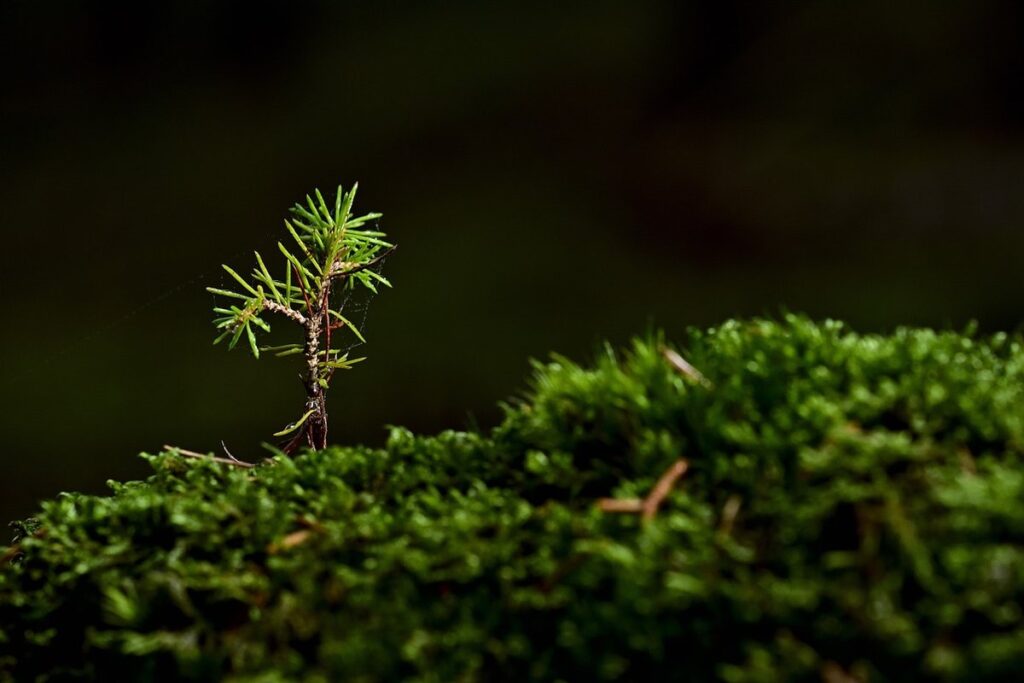
Understanding the Importance of Healing in Seedlings
When it comes to seedlings, healing is a critical factor that can make all the difference between thriving growth and stunted development, don’t you think? In this section, we’ll explore why healing matters for young plants.
The Role of Hormones in Seedling Development
Plant hormones play a crucial role in seedling development, and understanding their functions is essential for healthy growth. These chemical messengers are responsible for coordinating various processes such as cell division, elongation, and differentiation. The three main plant hormones involved in seedling development are auxins, gibberellins, and cytokinins.
Auxins, particularly indole-3-acetic acid (IAA), promote cell elongation and cell division in the stem, leading to increased height growth. For example, a study on tomato seedlings found that IAA application resulted in a significant increase in stem length. Gibberellins, on the other hand, regulate seed germination and dormancy, as well as stimulate cell elongation in the stem.
Cytokinins are involved in cell division and differentiation, promoting root growth and leaf development. A balanced ratio of these hormones is critical for optimal seedling growth. By understanding how plant hormones function, you can take steps to promote healthy seedling development, such as providing adequate light, water, and nutrients.
Factors Affecting Seedling Stress
Seedlings are particularly vulnerable to stress during their early stages of growth. This is because they have limited root development and a delicate balance of water, nutrients, and energy reserves. Several factors can contribute to seedling stress, ultimately hindering their ability to heal and thrive.
Temperature fluctuations can be particularly damaging. Seedlings grown in environments with wide temperature swings may experience stunted growth or even dieback due to sudden changes in temperature. For example, a young tomato plant exposed to direct sunlight on a warm afternoon followed by a chilly night may suffer from heat stress during the day and cold shock at night.
Light exposure is also crucial for seedling health. While some light is essential for photosynthesis and growth, excessive light can cause damage or even kill sensitive seedlings. Watering schedules must be carefully managed as well, with overwatering often causing more harm than underwatering in young plants.
Maintaining a stable environment, such as a greenhouse or indoor growing space, can help mitigate these risks. Seeds can also be started indoors under optimal conditions before being transplanted outside.
Common Issues Causing Damage to Seedlings
Unfortunately, even the healthiest seedlings can be vulnerable to common issues that cause damage, such as overwatering and pests. Let’s explore these problems together.
Overwatering: The Silent Killer of Seedlings
Overwatering is one of the most common mistakes gardeners make when caring for their seedlings. While it may seem counterintuitive that too much water can harm young plants, excessive moisture can lead to a host of problems. The roots of seedlings are delicate and sensitive to overhydration, which can cause them to rot and become susceptible to disease.
In fact, research shows that overwatering is responsible for up to 40% of seedling fatalities. This is especially true when seedlings are first planted, as their root systems are still developing and aren’t able to handle the excess moisture.
To avoid this common pitfall, it’s essential to develop a proper watering technique. Check the soil daily by sticking your finger into the soil up to the knuckle. If the soil feels dry at this point, it’s time to water. Water thoroughly until you see water draining out of the bottom of the pot. However, be cautious not to overdo it – seedlings don’t need a lot of water.
A good rule of thumb is to water when the top inch of soil feels dry. This will give your seedlings just the right amount of moisture without drowning them. By being mindful of your watering schedule and technique, you can prevent overwatering from becoming the silent killer of your seedlings.
Underwatering: Causes and Solutions
Underwatering can be just as detrimental to seedlings as overwatering. If you notice that your seedling’s leaves are wilted, its color has turned yellow or brown, or it’s developing crunchy edges, these could be signs of underwatering.
When a seedling doesn’t receive enough water, it will try to conserve moisture by slowing down growth and reducing transpiration. This can lead to stunted development, weakened roots, and ultimately, root rot if the situation persists.
To rectify the issue without causing further damage, check your soil’s moisture level with your finger or a stick. If it feels dry, water thoroughly but avoid soaking the seedling. Watering too much at once can cause the roots to become waterlogged and more susceptible to disease. Instead, focus on consistent, gentle watering that encourages healthy root growth.
Regularly inspect your seedlings for signs of dehydration and adjust their watering schedule accordingly. This will ensure they continue growing strong and resilient.
How to Identify Signs of Healing in Seedlings
As you tend to your seedling, it’s essential to know when they’re on the road to recovery, and spotting these signs can be a game-changer for their growth. Let’s explore the key indicators of healing in your young plants.
Visual Cues Indicating Seedling Stress Recovery
When seedlings are recovering from stress or damage, there are several observable changes that indicate their healing process. One of the most noticeable signs is regrowth. If a seedling has been damaged or stressed, it may drop its leaves or appear weak and limp. However, as it begins to recover, new growth will emerge in the form of fresh leaves, stems, or even roots.
Improved coloration is another indicator of healing in seedlings. When seedlings are under stress, their leaves often turn pale or yellow due to a lack of chlorophyll. But as they begin to recover, their coloration will return to normal, and you may even notice a slight greenish tint on the edges of their leaves. This is a sign that the seedling’s photosynthetic apparatus is functioning properly again.
Increased leaf size can also be an indicator of healing in seedlings. As the plant recovers from stress or damage, it will start to produce more robust and healthy-looking leaves, often accompanied by an increase in leaf size and density.
Measuring Growth Rate and Leaf Expansion
When monitoring seedling growth, it’s essential to track progress using metrics like growth rate and leaf expansion. This helps you determine if your seedlings are healing properly and on the right path to healthy development.
To measure growth rate, start by tracking daily or weekly measurements of your seedlings’ height, stem diameter, and root depth. Record these measurements over a set period to identify patterns or anomalies that may indicate healing issues. A general rule of thumb is to expect seedlings to grow about 1-2 cm (0.5-1 in) in the first week after transplanting, with growth rates increasing as they mature.
For leaf expansion, observe the size and number of leaves on your seedlings over time. Healthy seedlings will typically develop new leaves at a consistent rate, with an average increase of 10-20% in leaf area every few days. If you notice irregularities or slow growth, it may be a sign that your seedlings require additional care, such as increased light exposure or pruning.
Keep track of these metrics to ensure your seedlings are receiving the right conditions for optimal healing and development. Regular monitoring will also allow you to catch any potential issues early on, preventing more severe problems down the line.
Techniques for Promoting Healing in Seedlings
When your seedlings are struggling, using the right techniques can make all the difference. We’ll explore some effective methods to promote healing and get your young plants back on track quickly.
Pruning: The Art of Revitalizing Damaged Seedlings
Pruning damaged seedlings is an art that requires patience and attention to detail. When a seedling suffers damage, whether it’s due to pests, diseases, or environmental stressors, pruning becomes a crucial step towards revitalizing its growth. By carefully removing the affected areas, you create an environment conducive to healthy regrowth.
To prune damaged seedlings effectively, start by assessing the extent of the damage. Identify the root cause and isolate the area that needs attention. Use clean and sharp tools to prevent spreading diseases further. For minor cuts or scratches, gently remove the affected tissue with a pair of sterile scissors or pruning shears. Be cautious not to leave any remaining debris, as this can lead to infection.
When dealing with more extensive damage, such as broken stems or severely damaged leaves, it’s essential to make clean cuts just above a node – this will encourage new growth from the surrounding tissues. Remove all dead or dying tissue, taking care to preserve the remaining healthy areas. This meticulous approach not only promotes healing but also fosters strong and resilient growth in your seedlings.
Soil Preparation and Fertilization Strategies
When it comes to promoting healthy growth in seedlings, one crucial aspect that often gets overlooked is soil preparation and fertilization. A well-balanced fertilizer and optimal soil conditions are essential for providing seedlings with the necessary nutrients to thrive.
A balanced fertilizer typically contains a mix of nitrogen (N), phosphorus (P), and potassium (K) in specific ratios. For example, a 10-10-10 NPK formula provides equal amounts of each nutrient. However, seedlings may require different ratios at various stages of growth. For instance, young seedlings need more phosphorus for root development, while established seedlings benefit from higher nitrogen levels.
To achieve optimal soil conditions, ensure the pH level is suitable for the specific plant species. Most vegetables and herbs prefer a slightly acidic to neutral soil pH between 6.0 and 7.0. You can also add organic matter like compost or well-rotted manure to improve soil structure and fertility. A simple yet effective method is to mix 1-2 inches of compost into the top 6-8 inches of soil before planting seedlings. By providing your seedlings with a solid foundation through proper fertilization and soil preparation, you’ll set them up for success in their growth journey.
Precautions for Minimizing Damage in Future Growth Cycles
As you continue to tend to your seedlings, it’s essential to take preventive measures that will help minimize damage during future growth cycles and keep your plants thriving. Let’s explore some crucial precautions together!
Selecting Stress-Resistant Seed Varieties
When selecting seeds with built-in stress resistance or disease tolerance, there are several key factors to consider. First and foremost, look for varieties that have been specifically bred for their ability to withstand environmental stresses such as drought, extreme temperatures, or flooding. These “stress-tolerant” or “drought-tolerant” varieties can be a game-changer in areas prone to unpredictable weather patterns.
Consider seed sources that have undergone rigorous testing and selection processes to identify the most resilient genotypes. Some examples of stress-resistant seeds include those with increased cell wall thickness, improved water use efficiency, or enhanced antioxidant production. Check for certifications like “Heat Tolerance” or “Drought Stress Tolerance” from reputable organizations such as the USDA or seed industry associations.
When evaluating seed varieties, also take into account their genetic makeup and breeding history. Some crops are naturally more resistant to disease due to genetic factors, making them a good choice for areas with recurring disease outbreaks. For instance, some wheat varieties have been engineered with built-in resistance to fusarium head blight, a common fungal disease that can devastate yields.
In addition to these considerations, be sure to read reviews and ask questions about the seed’s performance in similar growing conditions. Consult local experts, extension agents, or online forums to get first-hand accounts of a variety’s stress-resistance capabilities. By doing your research and selecting seeds wisely, you’ll set your young plants up for success and reduce the likelihood of damage from environmental stresses.
Implementing Preventative Measures Against Common Pests and Diseases
When it comes to preventing infestations and diseases in seedlings, taking proactive measures is crucial for their long-term health. One of the most effective methods is using organic pest control techniques. Instead of relying on harsh chemicals, consider introducing beneficial insects like ladybugs or lacewings, which feed on common pests such as aphids and whiteflies.
Creating a balanced garden ecosystem also plays a significant role in preventing infestations. This can be achieved by cultivating a diverse range of plants that attract pollinators and other beneficial insects. For example, planting marigolds near tomatoes can deter nematodes, while basil repels aphids and other pests. By promoting biodiversity, you’re creating an environment where beneficial organisms thrive, making it difficult for pests to take hold.
Maintaining good hygiene practices is also essential in preventing the spread of diseases. Remove any debris or dead plant matter from your garden beds, and disinfect tools regularly to prevent the transfer of fungal spores and other pathogens. Regular monitoring of your seedlings’ health will help you identify potential issues early on, allowing for swift action to be taken before they become severe problems.
Conclusion: Nurturing Healthy Growth in Your Seedlings
Now that you’ve successfully cared for your seedling’s basic needs, it’s time to focus on promoting healthy growth and ensuring they thrive. This section will walk you through essential tips for nurturing your young plants.
Recap of Key Takeaways
As you’ve made it through our comprehensive guide on healing in seedlings, let’s take a moment to recap the key takeaways that will help you nurture healthy growth in your young plants.
First and foremost, we discussed the importance of proper transplanting techniques. This includes handling seedlings gently, providing enough light, maintaining optimal temperatures, and ensuring adequate air circulation. These conditions are crucial for promoting root development and preventing shock.
We also explored the role of microorganisms in the plant-soil system. Beneficial microbes can significantly impact seedling health by facilitating nutrient uptake and fighting off pathogens. To encourage a healthy microbial community, we recommended using organic fertilizers, compost tea, or beneficial bacteria supplements.
In addition to these essential factors, we delved into the significance of pruning, training, and providing adequate space for your seedlings to grow. These practices help prevent overcrowding, promote even growth, and direct energy towards producing robust stems and leaves.
Furthermore, we discussed common issues that can hinder seedling development, such as pests, diseases, and nutrient deficiencies. We offered practical advice on recognizing these problems early on and implementing targeted solutions.
To recap, remember to:
* Handle seedlings with care during transplanting
* Foster a balanced microbial community through organic fertilizers or supplements
* Provide optimal growing conditions for your seedlings
* Prune and train seedlings to promote healthy growth and development
By incorporating these key takeaways into your care routine, you’ll be well on your way to nurturing thriving seedlings that will grow into strong, resilient plants.
Frequently Asked Questions
How long does it take for a seedling to recover from underwatering?
Recovery time varies depending on the severity of underwatering, but generally, seedlings can take anywhere from a few days to a week or more to show signs of recovery. Monitor your plants closely and adjust their care accordingly.
Can I use regular fertilizer on seedlings that are recovering from stress?
No, it’s best to wait until your seedlings show clear signs of recovery before resuming regular fertilization. Instead, focus on providing nutrients through balanced organic methods or foliar sprays.
How can I prevent overwatering when the soil feels dry but the seedling looks healthy?
Check for moisture levels by inserting a chopstick or finger into the soil up to 1-2 inches deep. If it’s still dry at this point, it’s okay to water; if not, wait another day or two before checking again.
What are some common mistakes gardeners make when trying to heal seedlings?
Common pitfalls include overwatering or underwatering, failing to provide adequate light and nutrients, and not pruning damaged leaves promptly. Regularly inspect your plants for signs of stress and take corrective action as needed.
Can I propagate a seedling that has already shown signs of healing from damage?
Yes, if your seedling is showing robust growth and healthy leaf expansion, it’s likely ready for propagation. Choose the healthiest stem section, cut just above a node, and follow standard rooting procedures to give your new plant its best chance at success.