
As the seasons change, gardeners know that a cold snap is just around the corner. Frost events can be devastating to pumpkin crops, causing damage and reducing yields. But there’s hope! By learning how to harvest pumpkins before a frost event, you can save your prized gourds and enjoy a bountiful harvest.
Timing is everything when it comes to harvesting pumpkins before frost. It’s essential to know when the first frost is expected in your area and plan accordingly. This article will guide you through the preparation and timing of harvesting pumpkins, as well as provide techniques for minimizing damage and maximizing yields. By following these tips, you’ll be able to enjoy a healthy and plentiful pumpkin harvest, even if a frost event is looming.
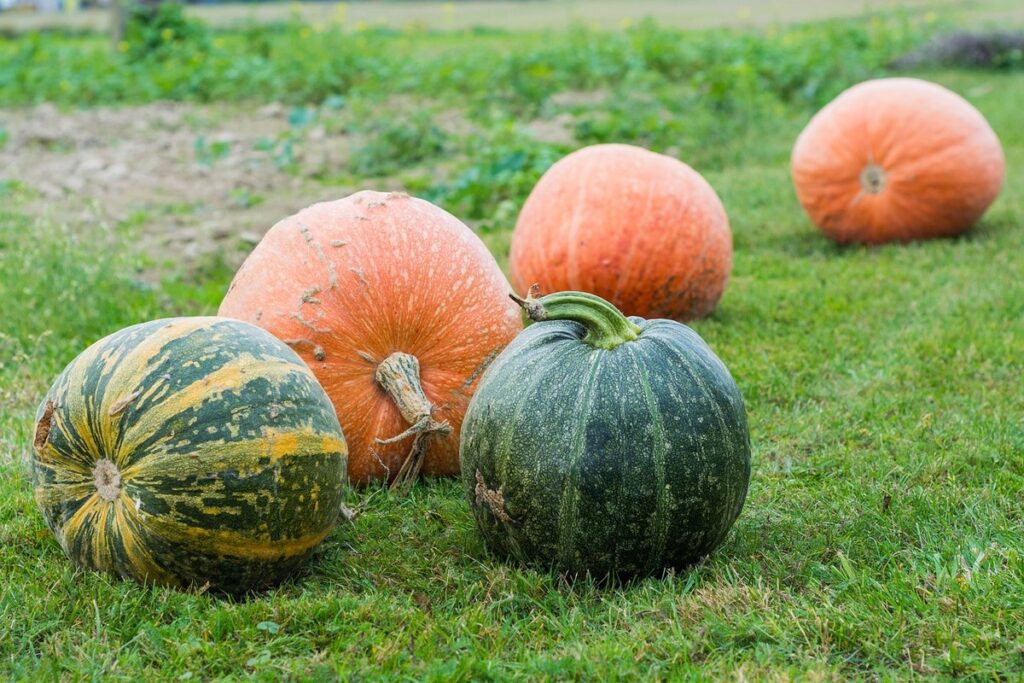
Understanding the Importance of Harvesting Pumpkins Before Frost
When it comes to harvesting pumpkins, timing is everything – especially when a frost is looming. Let’s break down why it’s crucial to pick your pumpkins before winter weather sets in.
Why Frost Damages Pumpkins
Frost damage can be devastating to pumpkin crops, affecting both their quality and quantity. When temperatures drop below freezing, water inside the pumpkin’s cells turns into ice crystals. This process causes cellular expansion, leading to physical damage such as cracks, splits, and soft spots on the rind.
As frost continues to accumulate, these damaged areas become more pronounced, ultimately compromising the pumpkin’s structural integrity. Not only does this make the fruit unsightly, but it also reduces its shelf life. Even if a frozen pumpkin appears intact, the damage can be internal, leading to mold, rot, and decay.
Frost not only affects the physical appearance of pumpkins; it also impacts their nutritional value. The freezing process can break down the delicate balance of enzymes, vitamins, and minerals within the fruit, rendering them less potent or even useless. For example, a frost-damaged pumpkin may have reduced levels of vitamin C and beta-carotene, which are essential for immune function and eye health.
To prevent this damage, it’s crucial to harvest your pumpkins before the first frost is predicted in your area. This will not only ensure their quality but also allow you to enjoy them at their peak flavor and nutritional value.
Signs That Frost Is Approaching
As you monitor your pumpkin patch, it’s essential to recognize the signs that indicate a frost is approaching. One of the most obvious indicators is a drop in temperature. If nighttime temperatures consistently dip below 40°F (4°C), your pumpkins are at risk of damage from frost.
Keep an eye on your plants’ behavior as well. Frost-tender crops like pumpkins often exhibit changes in their growth patterns before a frost event. Look for signs such as slowed or halted growth, yellowing leaves, and increased brittleness in the stems. These symptoms can be indicative that the plant is preparing itself for protection against cold temperatures.
Don’t rely solely on observation – stay informed about weather forecasts in your area. Consult local news outlets or weather apps to track temperature drops and potential frost events. When a low-pressure system moves into the region, it often brings with it cooler temperatures and an increased risk of frost.
Keep your phone nearby to receive timely frost warnings or alerts from your local weather service.
Preparing Your Pumpkin Patch for Harvest
As the harvest season approaches, it’s essential to prepare your pumpkin patch for the big day. This involves more than just simply cutting back vines – you need to give your pumpkins the best chance to thrive and grow before the frost sets in.
To start, remove any weeds that may be competing with your pumpkins for water and nutrients. Weeds can quickly drain the soil of its resources, leaving your pumpkins weakened and more susceptible to disease. Use a tool like a hoe or cultivator to carefully dig up any unwanted growth, making sure not to damage the roots of your pumpkin plants.
Proper watering is also crucial during this time. Make sure the soil is consistently moist but not waterlogged – about 1-2 inches of water per week should do the trick. This will give your pumpkins a boost as they prepare for harvest.
Finally, provide any necessary nutrients to ensure healthy growth. You can use organic fertilizers like compost or manure tea to give your pumpkins an extra kick.
Timing Is Everything: When to Harvest Pumpkins Before Frost
Now that we’ve discussed how to prepare your pumpkins for frost, let’s talk timing: knowing when to harvest before the first freeze is crucial. You don’t want to pick them too soon!
Determining Maturity
When determining if your pumpkins are mature enough for harvest, there are several key factors to consider. First and foremost, check the size of your pumpkin. While it’s tempting to let them grow as large as possible, oversized pumpkins can be more susceptible to disease and pests.
A good rule of thumb is to look for pumpkins that have reached their full color potential. This means checking for vibrant orange or white colors, depending on the variety you’re growing. Some pumpkin varieties may also develop a yellow or cream-colored hue, so it’s essential to consult your seed packet or research the specific characteristics of your pumpkin.
Another critical factor is stem hardness. A mature pumpkin should have a hard, dry stem that is difficult to pierce with your fingernail. If the stem is soft and green, it may not be ready for harvest yet. Regularly inspecting your pumpkins will help you gauge their maturity and ensure you’re harvesting them at just the right time.
Checking the Weather Forecast
Checking local weather forecasts is an essential step in determining when to harvest pumpkins before a potential frost event. To do this effectively, you need to understand the forecast language and symbols used by meteorologists. A common scale for temperature predictions is the Fahrenheit or Celsius scale, with forecasters often using color-coded maps to indicate expected temperatures.
For example, if a red area indicates a predicted low of 32°F (0°C), it means that frost is likely in that region. Similarly, orange areas may represent 35-40°F (2-4°C) lows, which still pose a risk for pumpkin damage.
To plan accordingly, check the forecast regularly and consider factors such as temperature drops over the next few days or hours. A sudden drop of 10-15°F (5-8°C) can cause significant damage to your pumpkin crop. Plan to harvest your pumpkins when the forecast indicates a higher probability of frost.
Keep in mind that even a light frost can damage pumpkin vines and lower yields, while a more severe event can destroy entire crops overnight. By monitoring weather forecasts closely, you’ll be better prepared to make informed decisions about when to harvest your pumpkins before the onset of frost.
Harvesting Pumpkins Before Frost Is Too Late
Waiting too long to harvest pumpkins can lead to severe damage from frost, mold growth, and reduced storage life. If you wait until the first frost, you may find that your pumpkins are already showing signs of rot and decay. The skin will be soft and mushy to the touch, and the flesh will be watery and unpalatable.
Mold growth is another significant concern when pumpkins are left in the field too long. As the days get cooler and wetter, fungi and bacteria can quickly colonize your pumpkin patch, causing a range of problems from mildew to powdery mildew. In extreme cases, you may need to discard entire batches of affected pumpkins.
The consequences of delayed harvesting extend beyond the immediate damage to the fruit itself. Pumpkins left in the field too long will also have reduced storage life. Even if you manage to salvage some of the more intact pumpkins, they’ll be more prone to rot and spoilage during the winter months. To avoid these issues, it’s essential to harvest your pumpkins before the first frost, when the skin is still hard and the flesh is firm.
How to Harvest Pumpkins: Tips and Techniques
Now that you’ve grown and cared for your pumpkin patch, it’s time to reap the rewards by learning how to harvest pumpkins safely and efficiently. We’ll cover essential tips and techniques to get you started.
Handling and Storing Pumpkins
Proper handling and storage of harvested pumpkins is crucial to maintaining their quality and extending their shelf life. To prevent bruising, gently lift the pumpkins by their handles, avoiding touching the skin as much as possible. This will help minimize the transfer of bacteria from your hands to the pumpkin.
Once you’ve harvested the pumpkins, it’s essential to clean them thoroughly before storing. Gently brush off any dirt or debris with a soft-bristled brush, and then rinse them under cool running water. Avoid using soap or high-pressure washes, as these can damage the skin of the pumpkin.
To maintain optimal storage conditions, store the pumpkins in a dry, well-ventilated area away from direct sunlight. A temperature between 50°F to 60°F (10°C to 15°C) is ideal for storing pumpkins. Avoid storing them in humid or cold areas, as this can cause them to rot quickly.
It’s also essential to check on the stored pumpkins regularly to ensure they’re not developing mold or rotting. By following these simple steps, you’ll be able to enjoy your harvested pumpkins throughout the fall season.
Choosing the Right Tools for Pumpkin Harvesting
When it comes to harvesting pumpkins before frost, having the right tools can make all the difference. As you prepare to bring in your bounty, ensure you have the necessary equipment on hand to make the process smooth and efficient.
Start with the basics: gloves, knives, and a sturdy wheelbarrow or cart. A good pair of gardening gloves will protect your hands from cuts and scratches as you navigate through overgrown vines. Choose ones that are specifically designed for harvesting pumpkins, offering grip and protection for those thick skin surfaces. Your trusty knife is essential for cutting the stem without damaging the fruit – opt for a curved blade to minimize pressure on the pumpkin.
A wheelbarrow or cart will help you transport your harvested pumpkins safely, reducing the risk of bruising or breaking. Ensure it’s sturdy enough to hold multiple pumpkins at once, and consider adding extra support with soft materials if needed. Don’t forget to add a few extra essentials like pruning shears for shaping vines and raking tools to clear paths – these might seem minor but can save you valuable time and effort in the long run.
Tips for Efficient Harvesting
When it comes to harvesting pumpkins before frost, efficiency is key. Not only will you save time and energy, but you’ll also minimize physical strain and maximize your pumpkin yield. Here are some valuable tips to help you optimize your harvest process:
To avoid straining your back, use a dolly or a tarp to gently slide the pumpkins into your collection area. If you’re dealing with heavy or unwieldy gourds, consider using a harvesting cart specifically designed for this purpose.
Another strategy is to harvest in sections, focusing on one patch at a time. This will prevent overexertion and allow you to maintain momentum throughout the process. Be sure to leave about 2-3 inches of stem attached to each pumpkin – this will make it easier to handle and transport them.
Finally, consider enlisting some extra help if you’re harvesting from a large patch or have limited mobility. Having an assistant can significantly reduce your workload and make the experience more enjoyable overall.
Common Mistakes to Avoid When Harvesting Pumpkins Before Frost
When harvesting pumpkins before frost, there are several common mistakes that can damage your crop and leave you with less-than-perfect produce. Be sure to avoid these costly errors to ensure a successful harvest.
Waiting Too Long to Harvest
Waiting too long to harvest pumpkins can have severe consequences on their quality and quantity. When left on the vine for an extended period, pumpkins become overripe, developing soft spots and a sweeter flavor that’s not ideal for cooking or eating fresh. The prolonged exposure to frost can also cause damage to the rind, making it prone to rot and decay.
In addition to reduced quality, delayed harvesting can lead to a significant decrease in pumpkin quantity. Pumpkins that are left on the vine too long may split open, revealing their insides to the elements and attracting pests like raccoons, squirrels, and birds. These unwanted visitors can not only damage the pumpkins but also spread diseases among them.
It’s essential to monitor your pumpkin patch regularly, keeping a close eye on the vines for signs of overripeness. Check for soft spots, wrinkles, and a dull sheen, which indicate that the pumpkins are ready to be harvested.
Not Preparing Your Patch Properly
Proper pre-harvest preparation is essential for ensuring a successful and stress-free pumpkin harvest. One common mistake gardeners make is not preparing their patch properly before the frost sets in. This can lead to a decrease in crop quality, reduced yields, and increased risk of disease and pests.
Weeds can quickly choke out tender vines, competing with your pumpkins for water, nutrients, and light. Waterlogged soil can also exacerbate fungal diseases, causing irreparable damage to your harvest. If you haven’t been keeping up with weeding and watering throughout the growing season, it’s essential to prioritize these tasks in the weeks leading up to frost.
Take this opportunity to mulch around plants to retain moisture, suppress weeds, and regulate soil temperature. A 2-3 inch layer of organic mulch can make a significant difference in your pumpkin patch’s health and productivity. Remember to also inspect your vines for signs of disease or pests, and take action promptly to prevent the spread.
By investing time and effort into pre-harvest preparation, you’ll be rewarded with healthier, more resilient pumpkins that are better equipped to withstand frost damage.
Failing to Monitor Weather Forecasts
Monitoring weather forecasts is crucial when harvesting pumpkins before frost. The slightest temperature drop can spell disaster for your pumpkin crop. Yet, many growers overlook this vital step and end up losing their harvest due to unexpected frosts.
You might be thinking that a single light frost won’t cause significant damage. However, multiple short-lived frosts can accumulate over time, causing lasting harm to your plants. For example, a 24-hour forecast of 32°F (0°C) might not seem alarming at first glance, but the prolonged exposure to such temperatures can weaken the plant and make it more susceptible to fungal diseases.
To avoid unexpected frost damage, check local weather forecasts daily during peak harvesting periods. Use online tools like the National Weather Service’s (NWS) forecast webpage or mobile apps like Dark Sky or Weather Underground. Create a contingency plan for each possible scenario: sunny days, light rain, moderate wind, and extreme temperatures. This way, you’ll be prepared to protect your pumpkin crop even in adverse weather conditions.
Additional Tips and Considerations for Pumpkin Harvesting
As you finalize your pumpkin harvest, consider these essential tips to ensure a bountiful crop and make next season’s harvest even more successful. From storage to maintenance, we’ve got you covered.
Dealing with Frost-Damaged Pumpkins
If you’re unfortunate enough to experience frost damage on your pumpkin patch, don’t worry – there’s still hope for salvaging some of those beautiful gourds. While it’s true that severe frost can render pumpkins unharvestable, not all is lost. Even if a pumpkin has been affected by frost, you may be able to salvage usable parts.
Begin by inspecting the damage: check if only the skin is damaged or if the internal flesh has also been compromised. If the skin is still intact and only the surface is discolored or wrinkled, it’s possible to use the pumpkin for cooking or decoration. Simply clean the affected areas thoroughly with soap and water before using.
However, if the damage goes deeper and the pumpkin is now soft or mushy, it’s best to err on the side of caution and discard it. You don’t want to risk contamination or foodborne illness. When disposing of damaged pumpkins, consider composting them instead of throwing them away – this way, you can still give back to your garden.
For really bad cases of frost damage, where most of the pumpkin is affected, take a closer look at individual fruits on the vine. You might be surprised by how many usable pumpkins remain despite nearby damage.
Pest and Disease Management After Harvest
As you’ve worked tirelessly to harvest your pumpkins before the frost sets in, it’s easy to let your guard down and assume that all is well. However, pests and diseases can still wreak havoc on your crop even after harvesting, leading to mold growth, decay, and potential health risks.
To prevent this, it’s essential to implement a robust pest and disease management strategy after harvest. Start by inspecting each pumpkin for signs of damage or infestation. Check for any soft spots, cuts, or bruises that can serve as entry points for pests or pathogens. Remove any affected pumpkins from the storage area to prevent the problem from spreading.
Regularly monitoring the storage conditions is also crucial. Ensure good air circulation, maintain a temperature between 32°F and 50°F (0°C and 10°C), and control humidity levels below 60%. This will help prevent mold growth and other common issues that can compromise the quality of your pumpkins. Keep in mind that proper storage can extend the shelf life of your harvest by several weeks or even months, giving you ample time to enjoy your hard-earned crop.
Conclusion
As you’ve made it through this comprehensive guide on harvesting pumpkins before frost, it’s essential to recall the key takeaways and emphasize the significance of proactive planning. Harvesting pumpkins before frost is not just a task; it requires careful consideration of weather forecasts, soil quality, and pumpkin maturity.
Throughout this guide, we’ve discussed the importance of monitoring weather conditions, knowing your pumpkin varieties’ growth stages, and preparing for potential challenges like extreme temperatures or pests. By staying vigilant and adapting to changing circumstances, you can successfully harvest your pumpkins before they’re damaged by frost.
As a final reminder, it’s crucial to remain flexible and adjust your harvesting schedule accordingly. A well-prepared plan will save you from last-minute scrambles and ensure that your pumpkin crop is preserved for the season ahead. With these key takeaways in mind, you’ll be better equipped to tackle the challenges of pumpkin harvesting and enjoy a bountiful harvest despite frosty weather.
Frequently Asked Questions
What if I miss the ideal harvesting time due to unexpected weather changes?
If you’re unable to harvest your pumpkins on the expected date, check them regularly for signs of frost damage. If you notice any cracks or soft spots, it’s best to harvest them as soon as possible to minimize further damage.
Can I still harvest pumpkins after a light frost event?
Yes, even a light frost can cause damage to pumpkin crops. Inspect your pumpkins carefully for any signs of damage before harvesting. If the damage is minor, you may still be able to use the pumpkins for decoration or cooking.
How do I store harvested pumpkins to prevent further damage?
To keep your harvested pumpkins fresh, store them in a dry, cool place with good air circulation. Avoid storing them in direct sunlight or near heat sources. Check on them regularly to ensure they remain healthy and free from mold.
What if I have pumpkins that are not yet mature but the frost is approaching quickly?
In this situation, prioritize harvesting the mature pumpkins first. You can then use any remaining growing season to allow the immature pumpkins to mature further before harvesting. However, be prepared for possible damage or reduced yields due to the accelerated ripening process.
How do I know if my pumpkins are truly ready for harvest?
To determine if your pumpkins are ripe and ready for harvest, check their rind for a hard, smooth texture. Avoid pulling on the stem, as this can cause damage to the pumpkin. Instead, gently twist the vine at the base of the stem to release the pumpkin from the plant.