
Are you tired of using harsh chemicals to get rid of pests in your garden? You’re not alone. Many gardeners are turning to natural methods for pest control, and one of the most effective and fascinating options is lacewings. These delicate-looking insects may seem harmless, but they are actually voracious predators that feed on aphids, whiteflies, and other common garden pests. In this article, we’ll explore the benefits and uses of lacewings in controlling pests, from attracting them to your garden to incorporating them into integrated pest management strategies. We’ll also discuss how to attract these beneficial insects and create a welcoming environment for them in your garden. By the end of this article, you’ll be well on your way to using lacewings as a safe and effective solution for managing pests in your garden.
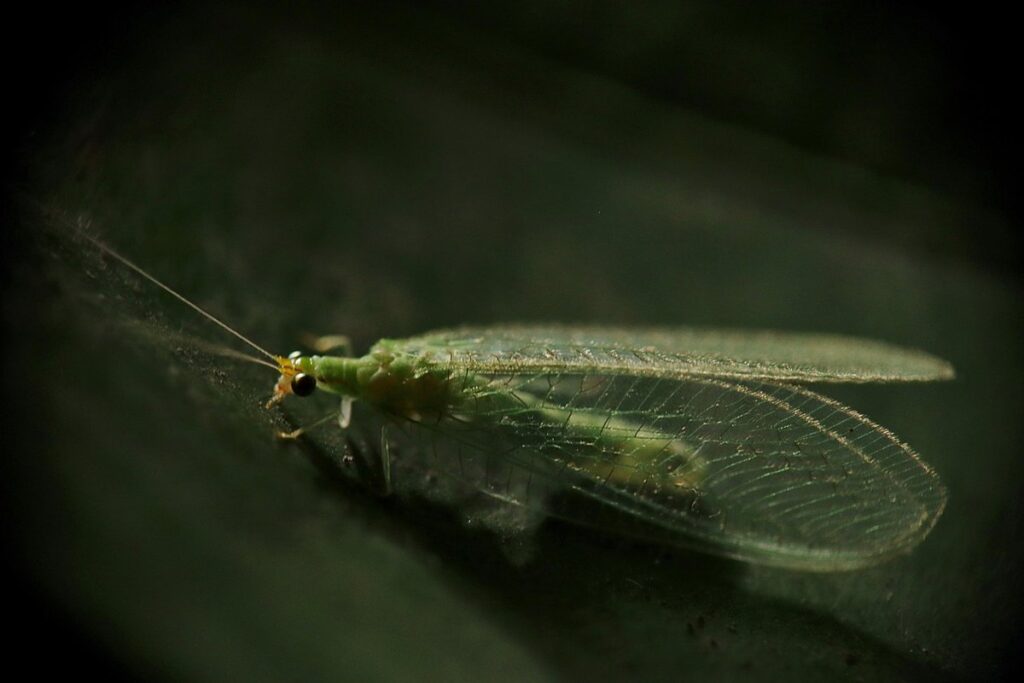
What are Lacewings?
So, what exactly are lacewings and how do they play a role in pest control? In this next part, we’ll delve into the fascinating world of these beneficial insects.
Biological Classification
Lacewings are fascinating insects with a unique biology and classification. They belong to the order Neuroptera, which is characterized by their long, slender bodies and distinctive wings. In fact, the name “lacewing” comes from the delicate, lace-like patterns on their wings. These beneficial insects are a type of true fly, but unlike other flies, they don’t feed on garbage or decaying matter – instead, they dine on aphids, whiteflies, and other pests that can damage crops.
In terms of classification, lacewings are further divided into several families, including Chrysopidae (green lacewings) and Hemerobiidae (brown lacewings). Each family has its own unique characteristics, but all lacewings share a common trait: their voracious appetite for pests. This makes them a valuable asset to gardeners and farmers looking to control pest populations without resorting to chemical pesticides.
One way to identify the type of lacewing you have is by observing their coloration and wing patterns. Green lacewings, for example, tend to be more vibrant than brown lacewings, with a green or yellowish tint to their wings. By recognizing these characteristics, you can better understand the biology and behavior of your local lacewing population – and even encourage them to stick around by creating a welcoming environment in your garden!
Importance as a Natural Predator
Lacewings are not just beneficial insects, but also vital components of a balanced ecosystem. Their significance lies in their voracious appetite for insects, which makes them an excellent natural predator. A single lacewing can consume up to 60 times its own body weight in pests per day, making them a formidable force against aphids, whiteflies, and other common garden pests.
This impressive consumption rate is due in part to the lacewings’ unique life cycle. Adult lacewings lay their eggs near pest-infested areas, where the larvae feed on the insects. When the larvae are full-grown, they pupate and emerge as adult lacewings, ready to start the cycle anew. By controlling pest populations through this efficient feeding mechanism, lacewings play a crucial role in maintaining ecosystem balance.
To encourage lacewings in your garden, consider planting nectar-rich flowers that attract them. This will not only provide food for the adult lacewings but also support their reproduction. Additionally, avoid using broad-spectrum pesticides, which can harm these beneficial insects and disrupt the natural balance of your ecosystem.
Life Cycle and Habits of Lacewings
Lacewings have a unique life cycle that plays a crucial role in their effectiveness as pest control agents, so let’s take a closer look at how they develop and behave.
Life Stages
As lacewings go through their life cycle, they progress from egg to adult, each stage playing a crucial role in their effectiveness as natural predators. Lacewing eggs are typically laid on the undersides of leaves and stems, where the larvae can easily feed on nearby aphids and other soft-bodied insects.
Within 3-5 days, the eggs hatch into hungry larvae, also known as “aphid lions” due to their voracious appetite for these pests. These larvae are a key stage in the lacewing life cycle, consuming up to 60 times their body weight in prey every day. They are also generalist feeders, meaning they can adapt to different types of insects and environments.
As they grow and molt, the larvae eventually reach full size before pupating in a protective cocoon. After about two weeks, the adult lacewing emerges, its delicate wings still soft but soon to be fully formed. Adult lacewings contribute to pest control by feeding on nectar and pollen, and also laying eggs to perpetuate the cycle.
By understanding these different life stages of lacewings, gardeners can appreciate how these beneficial insects work tirelessly behind the scenes to manage pest populations naturally.
Habitat Preferences
Lacewings are often found in diverse environments, including gardens, fields, and forests. These delicate insects thrive in areas with an abundance of nectar-rich flowers, which serve as a vital food source for them. In gardens, lacewings are commonly spotted near plants like marigolds, dill, and fennel, as these species provide the necessary nutrition for their development.
In fields, lacewings can be found in areas with an abundance of weeds and wildflowers, which offer shelter and sustenance. They tend to congregate around microhabitats such as hollow reeds or old plant stems, where they can hide from predators and lay their eggs safely. Forests also provide a suitable habitat for lacewings, particularly near trees that produce nectar-rich flowers like willows or poplars.
When creating an environment conducive to lacewing populations, it’s essential to include plants with an array of blooming times. This ensures a constant supply of food and shelter throughout the growing season. By incorporating these species into your garden or field, you can attract lacewings and reap the benefits of their presence in controlling pest populations naturally.
Attracting Lacewings to Your Garden
To attract lacewings to your garden, you’ll want to create a welcoming environment that caters to their love of nectar-rich flowers and sheltered spots. Planting specific blooms can make all the difference.
Plants that Attract Lacewings
When it comes to attracting lacewings to your garden, understanding which plants they find most appealing is crucial. Lacewings are drawn to specific chemical compounds found in certain herbs and flowers, making them excellent companion plants for a pest-control-focused garden.
Angelica, dill, and fennel are three plants that consistently attract lacewings due to their high concentrations of volatile oils like methyl ketones, terpenes, and sesquiterpenes. These compounds mimic the scent of aphids, lacewings’ primary food source, making them more likely to visit your garden. Incorporate these plants into your garden by planting them in a sunny spot or using them as cut flowers in indoor arrangements.
However, it’s essential to note that providing only one or two types of plants won’t suffice. Lacewings are generalist predators and require a diverse range of plant species to thrive. Aim for a mix of annuals and perennials, including herbs, vegetables, and flowers, to create a welcoming environment for these beneficial insects. By doing so, you’ll not only attract lacewings but also other beneficial insects like hoverflies and ladybugs.
Creating a Lacewing-Friendly Environment
Creating a lacewing-friendly environment is crucial if you want to attract these beneficial insects to your garden. One of the most significant steps you can take is to reduce pesticide use. Lacewings are sensitive to chemicals, so even small amounts can deter them from visiting your garden. Instead, adopt integrated pest management techniques that rely on natural methods like hand-picking pests, using neem oil, or introducing beneficial nematodes.
Maintaining a balanced ecosystem is also vital for lacewing survival. Ensure you have a diverse range of plants in your garden, including those that provide nectar and pollen, such as lavender, coneflower, and cosmos. These flowers will not only attract lacewings but other pollinators like bees and butterflies.
Companion planting can also play a significant role in creating a welcoming environment for lacewings. For example, planting marigolds near your vegetables can repel nematodes, which lacewings prey on, thereby reducing the need for pesticides. Similarly, placing dill or fennel nearby can attract lacewing larvae and encourage them to stay.
By implementing these strategies, you’ll be well on your way to creating a lacewing-friendly environment that’s perfect for attracting these beneficial insects and enjoying their pest-controlling services.
Encouraging Lacewing Populations
To effectively use lacewings as a natural pest control method, it’s essential to create an environment that encourages their populations to thrive in your garden. This means providing the right conditions for these beneficial insects to multiply and flourish.
Introducing Lacewing Eggs or Larvae
Introducing lacewing eggs or larvae into your garden can be an effective way to establish a thriving population of these beneficial insects. To do this successfully, you’ll need to consider the right timing and placement.
When introducing lacewing eggs or larvae, it’s essential to choose areas with dense vegetation where adults can easily find food and shelter. A spot with plenty of aphid colonies or whiteflies would be ideal, as lacewings feed on these pests. Avoid placing them near water sources or in low-lying areas that may flood during heavy rainfall.
Timing is also crucial when introducing lacewing eggs or larvae. Spring is usually the best time to introduce them, allowing enough time for a full generation cycle before winter sets in. Place 5-10 eggs or larvae per square meter, depending on the species and local conditions. Make sure to handle eggs gently, as they are fragile, while larvae can be placed directly into the chosen area.
Keep an eye out for natural predators that might affect your introduced lacewings, such as birds or spiders. Monitoring the population regularly will help you make informed decisions about future introductions.
Feeding and Sustaining Lacewings
Lacewings are voracious predators that feed on pests, but they need a constant supply of food sources to sustain themselves and their populations. To encourage lacewing populations, it’s essential to provide pollen-rich plants and nectar sources that support their diet.
Start by planting a variety of flowers that attract pollinators, such as lavender, coneflower, and marigold. These plants are not only beneficial for lacewings but also other beneficial insects like bees and butterflies. For nectar sources, consider plants with high nectar content, like sunflowers or zinnias.
In addition to providing food sources, maintain a healthy ecosystem by avoiding pesticides, which can harm or kill lacewings. Instead, adopt integrated pest management (IPM) techniques that balance natural predators like lacewings with physical barriers and cultural controls.
To ensure a constant supply of food, plant a mix of annuals and perennials that bloom at different times to provide nectar throughout the growing season. Also, consider adding a water source, like a shallow dish or birdbath, to attract lacewings and other beneficial insects.
Using Lacewings in Integrated Pest Management (IPM) Strategies
When it comes to incorporating lacewings into your IPM strategy, consider how these beneficial insects can be used as a natural and sustainable method of pest control in your garden. We’ll explore this approach further below.
IPM Principles
Lacewings are an essential component of integrated pest management (IPM) strategies because they offer a holistic approach to controlling pests. But what exactly is IPM? In simple terms, IPM is a multi-faceted approach that combines physical, cultural, biological, and chemical controls to manage pests in the most effective way possible.
When incorporating lacewings into an IPM plan, it’s crucial to follow some key principles. Firstly, crop monitoring is vital. This involves regularly inspecting your crops for signs of pest activity, such as eggs, larvae, or actual damage. By doing so, you can catch infestations early on and take swift action before the problem escalates.
Record-keeping is another essential aspect of IPM. Keeping a detailed log of pest activity, treatment methods, and their effectiveness helps you make informed decisions about future control measures. This might involve tracking the number of lacewing releases per season, monitoring their impact on pest populations, or adjusting your release schedule based on weather conditions.
Selective pest control is also a fundamental principle of IPM. Rather than using broad-spectrum chemicals that can harm beneficial insects like lacewings, IPM strategies focus on targeting specific pests while preserving the ecosystem’s natural balance. By releasing lacewings alongside other biological controls and monitoring their effectiveness, you can create a more sustainable and resilient pest management system.
Case Studies and Success Stories
In various agricultural settings, lacewings have been successfully integrated into IPM strategies to manage pest populations effectively. A notable example is a study conducted in California’s Central Valley, where lacewing eggs were introduced to control aphid and whitefly infestations on cotton crops. The results showed a significant reduction in pest numbers, with some farmers reporting up to 80% decrease in pesticide use.
Another case study involved using lacewings to manage the Colorado potato beetle population on a large potato farm in Idaho. By releasing lacewing larvae in targeted areas, the farmer was able to reduce the need for pesticides and maintain high yields. In both cases, the long-term benefits of using lacewings were evident, as they provided sustainable pest control solutions that minimized environmental impact.
These success stories demonstrate the potential for lacewings to be a valuable component in IPM strategies, offering practical advice for farmers and gardeners looking to adopt this approach. By incorporating lacewing releases into their management plans, individuals can reduce pesticide reliance, promote ecosystem balance, and achieve more effective pest control.
Challenges and Limitations of Lacewing-Based Pest Control
While lacewings are incredibly effective at controlling pests, there are some situations where they might not be the best solution. Let’s explore the challenges and limitations of using lacewings for pest control.
Factors Affecting Lacewing Populations
Lacewing populations can be affected by various environmental and ecological factors that can impact their ability to thrive and provide effective pest control. One significant factor is climate change, which can alter the delicate balance of ecosystems and disrupt lacewing habitats. Rising temperatures and changing precipitation patterns can also lead to the spread of pests that lacewings feed on, further reducing their populations.
Habitat loss is another critical issue affecting lacewing populations. Urbanization and intensive agriculture have led to widespread habitat destruction, leaving lacewings without suitable breeding grounds or food sources. Pesticide use is also a major threat, as many common pesticides can harm or kill lacewings, either directly or indirectly by altering the microbial balance in soil.
To optimize lacewing-based pest control, it’s essential to understand and mitigate these challenges. One practical step is to create lacewing-friendly habitats within urban areas, such as community gardens or green roofs, that provide shelter and food for these beneficial insects. By taking a holistic approach to ecosystem management and reducing pesticide use, we can support the growth of healthy lacewing populations and leverage their natural pest control abilities to protect crops and ecosystems.
Alternative Methods for Supplementing Lacewing Populations
When lacewing populations are insufficient to control pest infestations effectively, it’s essential to explore alternative methods for supplementing their numbers. One approach is to introduce beneficial insects from other areas with high lacewing populations. This technique is known as “insect importation” and can be a game-changer in maintaining the delicate balance of your ecosystem.
For example, you could obtain lacewings from a local nursery or garden center that specializes in beneficial insects. These establishments often have access to healthy, thriving lacewing colonies that can be shipped to your location. Alternatively, you could consider partnering with neighboring farmers or gardening enthusiasts who may be willing to share their lacewing populations.
Biological control agents are another alternative for supplementing lacewing populations. These are naturally occurring substances, such as nematodes or parasitic wasps, that can be introduced into the environment to regulate pest populations without harming beneficial insects like lacewings. By incorporating these methods into your pest management strategy, you can ensure a healthy and balanced ecosystem while maintaining an effective pest control system.
Conclusion and Future Perspectives
As we conclude our discussion on the benefits and uses of lacewings in pest control, it’s clear that these tiny insects are a valuable ally in maintaining a balanced ecosystem. By introducing lacewing larvae into your garden or agricultural setting, you can naturally control pest populations without relying on chemical pesticides. This not only protects the environment but also ensures the long-term health of your crops. As we move forward, consider experimenting with different species of lacewings and monitoring their impact on specific pests in your area. By adopting this integrated approach to pest management, you’ll be contributing to a more sustainable future for our planet’s ecosystems.
Incorporating lacewings into your pest control strategy may require some trial and error, but the rewards are well worth the effort. With time and practice, you can develop a keen understanding of how these beneficial insects interact with their environment and optimize their effectiveness in your specific situation. By doing so, you’ll not only be reducing your reliance on chemical pesticides but also promoting biodiversity and ecosystem resilience – a true win-win for both your garden and the planet as a whole.
Frequently Asked Questions
Can lacewings be used as a standalone pest control method, or do they need to be integrated with other methods?
Lacewings can be an effective standalone pest control method for small gardens or areas with low pest pressure. However, it’s often more practical and efficient to incorporate them into an Integrated Pest Management (IPM) strategy that includes other natural and cultural controls. This approach can help minimize the risk of pest resurgence and ensure a balanced ecosystem.
How do I determine if my garden is suitable for lacewing populations?
To create a welcoming environment for lacewings, consider factors like habitat diversity, water availability, and food sources. Ensure your garden has a mix of host plants that attract aphids and other beneficial insects, as well as sheltered areas for lacewings to hide from predators. Also, maintain a balanced ecosystem by avoiding excessive use of pesticides, which can harm or kill lacewings.
Can I release lacewing eggs or larvae in the middle of summer, when pest pressure is high?
While releasing lacewing eggs or larvae during peak pest seasons might seem beneficial, it’s generally recommended to introduce them earlier in the growing season (spring or early summer). This allows the introduced insects to establish themselves and reproduce before pest populations become too large. Additionally, ensure you release them in areas with suitable host plants and shelter for the lacewings.
How do I sustain lacewing populations in my garden over time?
To maintain healthy lacewing populations, focus on creating a balanced ecosystem that provides food, shelter, and water for these beneficial insects. Introduce diverse host plants that attract aphids and other prey species, provide sheltered areas for lacewings to hide from predators, and avoid excessive use of pesticides. Regularly monitor your garden’s pest dynamics and adjust your management strategies as needed.
Can lacewing populations be affected by factors like climate change or weather extremes?
Yes, lacewing populations can be impacted by climate change-related factors like temperature fluctuations, droughts, or increased frequency of extreme weather events. Such conditions may alter the availability of host plants, water sources, and shelter for lacewings, affecting their survival rates and population sizes. Consider incorporating supplementary measures to support lacewing populations during periods of environmental stress.