
If you’re a gardener looking for ways to boost your melon harvest without relying on pesticides, you’re in luck. Hand pollination is an ancient technique that’s making a comeback among gardeners and farmers alike. By taking matters into your own hands (literally!), you can improve crop yields, reduce pesticide use, and enjoy the satisfaction of nurturing your plants from seed to table. But before you start pollinating like a pro, it’s essential to understand the benefits and challenges involved. In this comprehensive guide, we’ll walk you through the techniques, tools, and best practices for hand pollinating melons. We’ll cover everything from identifying the perfect pollination time to troubleshooting common issues that might arise along the way. By the end of this article, you’ll be equipped with the knowledge to give your melon crops the TLC they deserve.
Understanding the Importance of Hand Pollination
When it comes to successfully hand pollinating melons, understanding the importance of this process is crucial for a healthy and thriving crop. Let’s dive into why manual pollination matters in your melon-growing journey.
Benefits of Hand Pollination for Melon Farmers
Hand pollination can significantly improve crop yields for melon farmers. By manually transferring pollen from the male flower to the female flower, growers can increase the chances of successful fertilization and subsequent fruit growth. This process allows farmers to bypass the natural pollinators like bees that are often scarce or affected by environmental factors.
In addition to boosting yields, hand pollination also reduces the need for pesticides. Many commercial melon farms rely heavily on chemical pesticides to control pests and diseases, but this can harm not only the environment but also the consumers who eat these fruits. By using hand pollination techniques, farmers can minimize their reliance on chemicals and promote a more sustainable agricultural practice.
Furthermore, hand pollination can also lead to higher fruit quality. When pollen is manually transferred, growers have greater control over the fertilization process, which allows them to choose high-quality pollen from healthy plants. This results in more vibrant, flavorful fruits that meet consumer expectations.
Challenges Faced by Commercial Melon Farmers
Commercial melon farmers often face significant challenges when it comes to hand pollinating their crops at scale. One of the primary difficulties is time constraints. Melons require precise timing for optimal pollination, and commercial farmers must ensure that each plant receives adequate attention within a narrow window. This can be daunting, especially on large farms where labor resources are limited.
Labor shortages exacerbate this issue. With increasing demands for labor in various sectors, it’s not uncommon for melon farms to experience staff shortages during peak pollination periods. To combat this, some farmers have implemented more efficient hand-pollination techniques, such as using specialized tools or training staff on the most critical pollination tasks. However, even with these strategies in place, commercial melon farming remains a labor-intensive process that requires careful planning and resource allocation.
In addition to time constraints and labor shortages, commercial farmers also contend with environmental factors like temperature fluctuations, humidity levels, and pest management. These external variables can significantly impact the success of hand pollination efforts, making it essential for farmers to develop flexible strategies that adapt to changing conditions.
Choosing the Right Melon Variety for Hand Pollination
When it comes to hand pollinating melons, selecting the right variety is crucial for success. Let’s take a closer look at how to choose the perfect melon for your hand pollination endeavors.
Factors to Consider When Selecting a Melon Variety
When selecting a melon variety for hand pollination, it’s essential to consider its characteristics that make it suitable for this process. One key factor is size – larger melons with more pronounced growth habits tend to be easier to work with, as they provide ample space for manual pollination. Compact or bush varieties, on the other hand, may require more precision and patience.
Another crucial aspect to consider is the flowering pattern of the melon variety. Some types produce single flowers, which are ideal for hand pollination since a single visit can be sufficient for fertilization. Others produce double flowers or complex inflorescences that demand repeated visits. When choosing between these two options, keep in mind that single-flowered varieties usually yield more fruit with better quality.
In practice, look for melon varieties like ‘Crenshaw’, ‘Galia’, and ‘Hale’s Best’ which are well-suited for hand pollination due to their size and flowering patterns. These types require less frequent visits but result in higher yields of larger fruits.
Popular Melon Varieties for Hand Pollination
When it comes to hand pollinating melons, choosing the right variety is crucial for success. Among the many types of melons available, some are more suited for this labor-intensive process than others. Here are some popular melon varieties that thrive with hand pollination:
* Charentais: This French heirloom variety produces small, sweet fruits that are perfect for snacking. Its compact size makes it an ideal choice for home growers who want to try their hand at hand pollination.
* Galia: With its unique netted skin and juicy flesh, Galia melons are a favorite among gardeners. They’re relatively easy to hand-pollinate, making them a great variety for beginners.
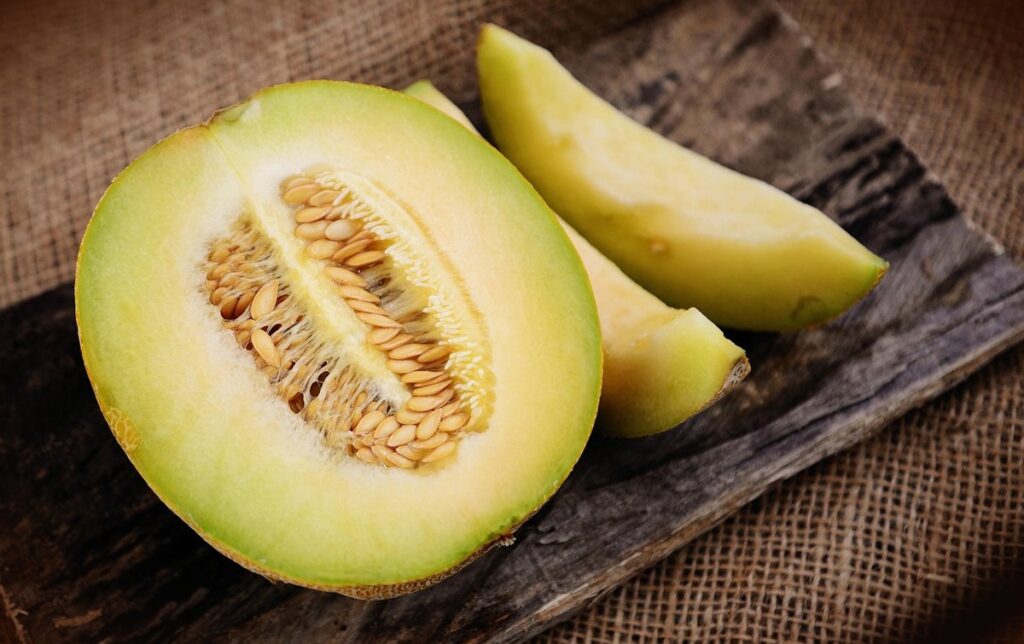
* Canary Melon: This small to medium-sized melon has a sweet, slightly musky flavor that’s sure to delight. Its compact size and manageable pollination requirements make it an excellent choice for those new to hand pollination.
* Crenshaw: Known for its exceptional sweetness and unique flavor profile, Crenshaw melons are perfect for those who want to try their hand at creating a truly artisanal product.
Each of these varieties offers unique characteristics that can help or hinder the hand pollination process.
Preparing the Garden for Hand Pollination
Before you start hand pollinating your melon plants, it’s essential to prepare their environment to ensure a successful and efficient pollination process. This means getting your garden in top condition for the task at hand.
Optimizing Growing Conditions for Melons
When cultivating melons for hand pollination, it’s essential to create an ideal growing environment that encourages optimal growth and productivity. Melons thrive in a warm and humid climate with consistent temperatures between 65°F to 85°F (18°C to 30°C). Aim for a daily temperature fluctuation of around 10-15°F (5-8°C), as this will help promote healthy fruit development.
In terms of humidity, melons prefer a relative humidity of 60-80%. To achieve this, you can use row covers or fine-mesh screens to maintain moisture levels. When it comes to soil requirements, ensure your garden bed has well-draining, rich loam with a pH between 6.0 and 6.8.
To prepare the soil, mix in a balanced fertilizer (5-10-5 NPK) at planting time, followed by regular applications of compost or manure tea throughout the growing season. Adequate watering is also crucial – aim for about 1 inch of water per week, either from rainfall or irrigation. By providing your melons with these optimal conditions, you’ll be well on your way to a successful hand pollination process and a bountiful harvest.
Creating a Support System for Vining Melons
When growing vining melon varieties, such as cantaloupe and honeydew, it’s essential to create a sturdy support system to help them climb and spread out. This is where trellises come into play. You can use a pre-made trellis or create your own using wooden stakes and twine.
For small gardens, a simple A-frame trellis will work wonders. For larger spaces, consider installing a more elaborate trellis system with multiple levels to accommodate the melons’ spreading vines. The key is to ensure the trellis provides ample support without restricting air circulation or sunlight.
As your vining melons begin to grow, gently twine their stems around the trellis using soft materials like burlap or a breathable mesh. This will help them develop a robust structure and promote even growth. Be mindful of leaving enough space between each plant to facilitate easy access for hand pollination. With a well-designed support system in place, your vining melons will thrive, setting the stage for successful hand pollination.
Techniques for Hand Pollinating Melons
Now that you’ve mastered the basics of hand pollination, it’s time to dive into some advanced techniques to ensure a bountiful harvest. This next step is crucial for successful melon cultivation.
When to Perform Hand Pollination
When to Perform Hand Pollination
Hand pollination is most effective when performed during specific weather conditions and plant growth stages. Generally, it’s best to hand pollinate melons early in the morning or late afternoon, avoiding direct sunlight when possible. This allows for optimal pollen viability and reduces the risk of damage from intense heat.
Temperature also plays a crucial role in hand pollination. Ideal temperatures range between 65°F (18°C) and 85°F (29°C), with moderate humidity levels. Avoid hand pollinating during extreme temperatures, as this can cause stress to the plants and reduce their ability to receive pollen effectively.
In terms of plant growth stage, wait until the male flowers have fully developed and the anthers are releasing pollen. This is usually around 10-14 days after blooming. For female flowers, look for signs of receptivity such as slight swelling or a softening of the stigma. When you notice these indicators, it’s time to proceed with hand pollination.
Keep in mind that different melon varieties may have specific requirements, so observe your plants and note any deviations from this general guideline. By timing hand pollination correctly, you’ll increase the chances of successful fruit set and a bountiful harvest.
Tools and Materials Needed for Hand Pollination
To successfully hand pollinate melons, you’ll need a few essential tools and materials. Begin by investing in a good pair of gardening gloves to protect your hands from thorns and potential allergens present on the plant. These gloves will also help you maintain a firm grip on delicate flowers and stems.
Next, obtain a pair of fine-tipped tweezers that will come in handy for gently removing pollen from the anther or collecting it directly from the stigma. You can find these tweezers at most gardening supply stores or online. A small container to store excess pollen is also necessary, allowing you to reuse it later and avoid wasting valuable resources.
A pollen brush is another crucial tool for effective hand pollination. This small brush will enable you to collect and transport pollen with minimal loss, ensuring that as much of the precious material as possible reaches its destination on the stigma. To use your new tools effectively, practice handling them in advance, so you feel confident when it’s time to perform hand pollinations on your melon plants.
Step-by-Step Instructions for Hand Pollination
To hand pollinate melons effectively, you need to understand the reproductive anatomy of these plants. Start by identifying the male and female flowers on your melon plant. Male flowers typically have long, thin anthers that produce pollen, while female flowers are characterized by a prominent ovary in the center.
When you’re ready to pollinate, gently brush the tip of the male flower against the stigma of the receptive female flower. This should be done early in the morning when both flowers are still slightly wet with dew. Make sure the anthers of the male flower are touching the stigma to ensure proper transfer of pollen.
Pay attention to which flowers are receptive by checking for a slight swelling or bulge on the top of the ovary. You can also gently touch the tip of a toothpick to the center of the female flower to check for receptivity. If you notice any resistance, it’s likely not yet receptive.
Common Issues and Troubleshooting Tips
Don’t worry if things don’t go as planned, we’ve all been there – common issues can arise when hand pollinating melons, like inadequate pollen transfer. This section will help you troubleshoot and overcome these challenges.
Identifying Common Pests and Diseases
When hand pollinating melons, it’s essential to be aware of common pests and diseases that can affect your crop. These unwanted visitors can reduce fruit quality, lower yields, and even destroy entire plants if left unchecked.
Some common pests that target melon crops include aphids, whiteflies, and squash bugs. Aphids are small, soft-bodied insects that feed on plant sap, causing curled or distorted leaves. Whiteflies are tiny flying insects that feed on plant juices, leaving behind a sticky substance called honeydew. Squash bugs are flat, oval-shaped insects that feed on plant sap, causing wilting and yellowing of leaves.
Common diseases affecting melons include powdery mildew, fusarium wilt, and anthracnose. Powdery mildew appears as a white, powdery coating on leaves and stems. Fusarium wilt causes yellowing or browning of leaves, often accompanied by a reduction in fruit production. Anthracnose is characterized by small, circular lesions on leaves and fruit.
To identify infestations or infections early, monitor your plants regularly for signs such as curled or distorted leaves, sticky honeydew, wilting stems, or powdery coatings. Inspect the undersides of leaves and along plant veins for pests like aphids and whiteflies.
Solutions for Hand Pollination-Related Problems
If you’re experiencing issues with hand pollination, such as inadequate pollination, poor fruit set, and reduced yields, don’t worry – there are solutions to address these problems. Inadequate pollination can be caused by a lack of viable pollen or insufficient transfer of pollen between flowers.
To resolve this issue, inspect your plants for signs of stress, pests, or diseases that may be affecting their ability to produce viable pollen. Make sure you’re using the right type of melon variety and that it’s receiving sufficient light, water, and nutrients.
If poor fruit set is a problem, try manually pollinating multiple flowers on each plant to ensure cross-pollination occurs. This can be done by gently brushing the anthers (pollen-producing parts) of one flower against the stigma (pollen-receiving part) of another.
Conclusion: Maximizing Your Hand Pollination Efforts
Now that you’ve mastered the techniques of hand pollinating melons, let’s focus on maximizing your efforts to ensure a bountiful harvest and optimize yields. This final section shares expert tips for success.
Evaluating the Success of Your Hand Pollination Efforts
As you carefully tend to your melon plants, hand pollinating each flower with precision and care, it’s essential to evaluate the success of your efforts. Assessing the effectiveness of your hand pollination techniques can be a straightforward process if you know what to look for.
First, monitor the fruit set by checking for blossoms that have developed into melons. A successful pollination will result in a high percentage of flowers developing into fruit. Keep track of the number of fruits formed and compare it to the total number of flowers on each plant. This ratio can give you an idea of your hand pollination success rate.
Another indicator is the size and quality of the melons produced. Healthy, well-pollinated plants will produce larger, more symmetrical melons with a vibrant appearance. If you notice uneven or deformed melons, it may be a sign that some flowers were missed during the pollination process.
Regularly inspecting your plants for signs of successful pollination and keeping track of fruit set can help you refine your hand pollination technique over time. This feedback loop will enable you to make adjustments as needed to optimize results in future seasons.
Strategies for Long-Term Improvement and Efficiency
As you continue to hone your hand pollination skills and cultivate healthy melon plants, it’s essential to reflect on your techniques and make adjustments as needed. By implementing the following strategies for long-term improvement and efficiency, you’ll be able to refine your approach and achieve even better results.
To optimize your hand pollination practices, consider tracking your progress by keeping a journal or spreadsheet to record factors such as plant growth rates, pollination frequency, and yield. This data will allow you to identify areas where improvements can be made and fine-tune your strategy accordingly. For instance, if you notice that certain plants are consistently yielding lower fruit, adjust your pollination schedule for those specific plants.
Another approach is to experiment with different hand pollination tools or techniques, such as using a small brush to transfer pollen or trying out various timing schedules based on weather conditions. By continuously evaluating and adapting your methods, you’ll be able to develop a customized approach that suits your unique environment and preferences. This ongoing refinement will enable you to maximize the potential of each plant, resulting in a more bountiful harvest and greater overall satisfaction with your hand pollination efforts.
Frequently Asked Questions
Can I use hand pollination for all types of melons?
Not all melon varieties require or benefit from manual pollination. Some melon species, like watermelon and cantaloupe, are more dependent on natural pollinators than others. Check the specific growing requirements and recommendations for your chosen variety to determine if hand pollination is necessary.
How do I prevent cross-pollination with nearby plants?
To avoid cross-pollination and ensure the quality of your melon crop, it’s essential to separate your plants by a sufficient distance (typically 10-15 feet) or use physical barriers like row covers. This will minimize the likelihood of unwanted pollen transfer from neighboring plants.
Can I hand pollinate melons during extreme weather conditions?
Yes, but with caution. Avoid performing hand pollination during intense heatwaves, heavy rainfall, or strong winds, as these conditions can damage the delicate flowers and reduce the effectiveness of manual pollination. Instead, choose a calm, overcast day for optimal results.
How often should I perform hand pollination on my melon plants?
The frequency of hand pollination will depend on factors like climate, plant health, and variety requirements. Generally, it’s recommended to hand pollinate twice a day, once in the morning and again in the afternoon, when pollen is most active and viable.
What are some common mistakes beginners make when hand pollinating melons?
Common errors include over-handling the flowers, which can damage them; not using the correct tools or materials; and neglecting to monitor plant health and adjust your pollination schedule accordingly. Be mindful of these potential pitfalls and take the time to learn proper techniques for successful hand pollination.