
Passionfruit is one of those plants that can be notoriously finicky when it comes to fruit set. And if you’re not getting the results you want, it’s likely because pollination is key – and this is where things get tricky. Not all passionfruit varieties are self-fertile, which means they require a bit more TLC (and equipment) to encourage successful pollination. In this article, we’ll delve into the comprehensive methods for hand pollinating passionfruit, including when to do it, what gear you need, and the most effective techniques to boost fruit set and high yields. We’ll cover choosing the right time, preparing your plants, and mastering the art of hand pollination – so if you’re struggling with your passionfruit crop, read on for expert tips and advice that will transform your harvest.
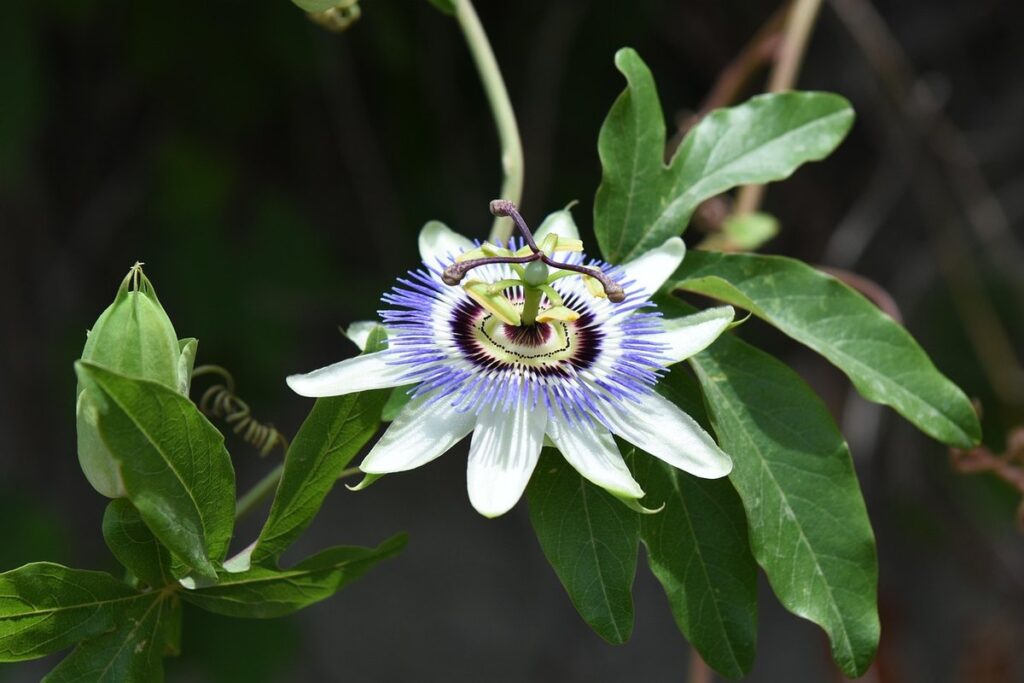
Understanding Passionfruit Pollination Requirements
To successfully hand pollinate passionfruit, it’s essential you understand their unique pollination requirements and how to mimic the natural process. We’ll break down these specifics in this section.
Importance of Pollination in Passionfruit Production
Pollination is a vital process for successful passionfruit cultivation. Without proper pollination, fruit set and yield can be significantly impacted. In fact, studies have shown that up to 80% of commercial passionfruit crops rely on bee pollinators for fertilization.
When it comes to hand pollinating passionfruit, it’s essential to understand the importance of pollination in promoting healthy plant growth. Passionfruits are self-incompatible, meaning they require cross-pollination to produce viable fruit. This means that even if a flower is fertilized, the resulting seeds may not be viable.
To maximize fruit set and yield, gardeners must ensure that passionfruit plants receive adequate pollination. This can be achieved through natural means, such as attracting bees and other beneficial insects to the area, or by hand-pollinating the flowers. By taking a closer look at your passionfruit plant’s reproductive structure and applying proper pollination techniques, you’ll be well on your way to achieving successful fruit set and a bountiful harvest.
In some cases, factors such as weather conditions and pests can impact pollination rates. As a result, gardeners may need to supplement natural pollinators with hand-pollination methods to ensure optimal results.
Identifying Self-Incompatible Passionfruit Varieties
When hand pollinating passionfruit, it’s essential to understand whether the variety you’re working with is self-incompatible or requires cross-pollination. Self-incompatible varieties can’t produce fruit without the help of another plant, while those that are self-compatible can be pollinated by their own flowers.
To identify if your passionfruit variety is self-incompatible, look for signs such as inconsistent or low yields, even when provided with optimal growing conditions and sufficient pollinators. You may also notice that some plants produce more fruit than others within the same area, which could indicate cross-pollination is taking place.
Check the seed characteristics of your passionfruit variety as well. Self-incompatible varieties often have seeds that are less viable or smaller in size compared to those from self-compatible varieties. If you’re unsure about the compatibility of your passionfruit variety, consult with a local nursery or gardening expert who can provide guidance based on their experience and knowledge of specific cultivars.
If you determine that your passionfruit variety is self-incompatible, you’ll need to identify another plant with compatible pollen for cross-pollination.
Preparing for Hand Pollination
Before you start hand pollinating your passionfruit plants, it’s essential to have a few key tools and materials ready, including a small paintbrush or cotton swab. This section will walk you through what to prepare.
Choosing the Right Time for Hand Pollination
When it comes to hand pollination, timing is everything. You’ll want to pay close attention to the growing season and the availability of flowers on your passionfruit plant. In most regions, passionfruit plants are at their peak production during the spring and early summer months.
If you’re planning to hand pollinate, it’s best to do so in the morning when the flowers are still dewy and the air is crisp. This allows for optimal pollen transfer and minimizes the risk of damage from the heat. Typically, this time falls between 7-10 am, depending on your location.
Keep an eye on the weather forecast before attempting hand pollination. Avoid doing it during periods of extreme heat, heavy rain, or strong winds, as these can damage the flowers and reduce their viability. On a sunny day with moderate temperatures, you’ll be more likely to achieve successful pollination.
Check the passionfruit plant regularly for optimal flower development, usually about 10-14 days after flowering begins. When the flowers are fully open and ready for hand pollination, take note of the timing so you can plan accordingly for future attempts.
Equipment Needed for Hand Pollination
To ensure successful hand pollination of your passionfruit plants, you’ll need some essential equipment. First and foremost, you’ll require a good pair of tweezers with fine tips to carefully pluck the pollen from the anthers. Look for ones made of stainless steel or high-quality plastic that can withstand repeated use.
In addition to tweezers, you’ll also need a small, soft-bristled brush – preferably one specifically designed for plant pollination. This will come in handy when transferring pollen from the anther to the stigma. You can opt for either a dedicated passionfruit pollinator brush or a standard artist’s paintbrush with synthetic bristles.
Other useful tools include a magnifying glass or a jeweler’s loupe, which will enable you to examine the reproductive parts of your passionfruit flowers more closely. Having a clean and dry surface to work on is also crucial, as moisture can hinder the pollination process. By having these essential equipment items ready, you’ll be well-prepared for the hand pollination process and increase the chances of successful fertilization.
Hand Pollination Techniques
To ensure successful hand pollination, you’ll need to learn some essential techniques that will help you transfer pollen between passionfruit flowers. Let’s dive into these crucial methods now!
Using a Paintbrush to Collect Pollen
When it comes to using a paintbrush for hand pollination, you’ll want to start by preparing the brush. Dip the bristles into a mild soap solution and gently shake off any excess water. This will help prevent cross-pollination between flowers.
Next, carefully select two passionfruit flowers with mature anthers (the pollen-producing parts) that are in good condition. Hold one flower steady and use your paintbrush to gently sweep the anther, collecting a small amount of pollen onto the bristles. Move the brush over to the stigma of the other flower, taking care not to touch any other part of the plant. Gently tap the bristles against the stigma to transfer the collected pollen.
It’s essential to handle the flowers and paintbrush carefully to avoid damaging either one. Make sure to clean your paintbrush thoroughly after each use with soap and water to prevent the spread of diseases. With a little practice, you’ll become more comfortable using this technique to collect and transfer pollen, increasing your chances of successful hand pollination.
Alternative Methods for Hand Pollination
When it comes to hand pollinating passionfruit, you may not always have access to a stylus or be comfortable using one. Fortunately, there are alternative methods that can help you achieve successful pollination. One of these methods involves using tweezers to transfer pollen from the anther of one flower to the stigma of another.
To use this method, gently grasp the anther of a pollen-rich flower with your tweezers and collect some of the yellow or orange powder. Next, carefully insert the pollen into the stigma of a receptive passionfruit flower. Make sure to handle the flowers delicately to avoid damaging them.
Alternatively, you can also use small brushes to transfer pollen between flowers. Dip the brush in the pollen from one anther and then gently sweep it across the stigma of another flower. This method is particularly useful for accessing tight spaces within the passionfruit flower. By experimenting with these alternative methods, you’ll find what works best for your hand pollination needs and achieve successful fruit set.
Overcoming Challenges in Hand Pollination
When issues arise during hand pollination, don’t worry – it’s a common hurdle even experienced growers face. In this section, we’ll tackle the obstacles and offer practical solutions to get you back on track.
Managing Weather Conditions
When hand pollinating passionfruit, you’ll inevitably encounter unpredictable weather conditions that can hinder the process. Rain and high winds are two of the most common challenges you may face.
Firstly, rain can make it difficult to access the flowers without getting them wet, which can lead to a decrease in germination rates. If possible, try to pollinate early in the morning or late in the evening when the plants tend to be less damp. You can also use a soft-bristled brush or cotton swab to gently collect and transfer pollen from one flower to another without getting them wet.
High winds can be just as problematic. Try to time your pollination sessions for periods of calm weather, ideally during early morning or late evening when the wind is usually lighter. You can also consider creating a makeshift shelter around the plant using a sheet or cloth to protect it from gusty winds.
It’s essential to remain flexible and adapt to changing weather conditions when hand pollinating passionfruit. By doing so, you’ll be able to minimize any potential setbacks and increase your chances of successful pollination.
Dealing with Pests and Diseases
When hand pollinating passionfruit, it’s essential to protect the flowers from pests and diseases that can damage the delicate pollen sacs and fertilize the ovules. Aphids, whiteflies, and mealybugs are common pests that feed on plant sap, weakening the passionfruit vine and making it more susceptible to disease.
To prevent infestations, regularly inspect your plants for signs of pests and treat them promptly with insecticidal soap or neem oil. For example, if you notice a few aphids on one flower, use a cotton swab dipped in neem oil to gently remove them. It’s also crucial to maintain good hygiene practices during the hand pollination process by washing your hands between handling different plants and using clean tools.
Some diseases like powdery mildew and fungal infections can spread quickly through the passionfruit plant, causing yellowing leaves and reduced fruit production. To prevent disease, ensure your plants receive sufficient air circulation, water carefully to avoid overhydration, and remove any infected flowers or leaves promptly. Regularly inspect your plants for signs of stress, such as curled or distorted leaves, which can be indicative of underlying issues.
Record Keeping and Monitoring
To successfully hand pollinate passionfruit, it’s essential to keep a record of your progress and monitor the plants’ responses to fertilization efforts. This allows for adjustments to be made as needed.
Tracking Hand Pollination Success Rates
Tracking hand pollination success rates is crucial to refining your techniques and achieving optimal fruit set. Without accurate record keeping, it’s challenging to identify what’s working and what areas need improvement.
When tracking hand pollination success rates, consider the following key metrics:
* Pollination date: Record the specific day and time you performed hand pollination for each plant.
* Weather conditions: Note any extreme weather events, such as heavy rain or intense heat, that may impact fruit set.
* Fruit development: Monitor the growth stage of the fruit, from flower to ripeness, to determine if hand pollination was effective.
To simplify record keeping, create a spreadsheet with columns for each plant, including date, weather conditions, and fruit development. This will enable you to quickly identify trends and make data-driven decisions about your hand pollination techniques. For instance, you might discover that hand pollination on cloudy days yields higher success rates than sunny days.
Regularly reviewing your records will help you refine your approach and optimize hand pollination results for future seasons.
Identifying Areas for Improvement
Analyzing data from hand pollination attempts can be a game-changer for optimizing your passionfruit pollination strategies. By keeping track of variables such as temperature, humidity, and flower type, you’ll gain valuable insights into what works and what doesn’t.
Start by setting up a spreadsheet or using a dedicated app to record key information for each attempt. Track factors like the time of day, weather conditions, and the specific pollination method used. You can also note any issues that arose during the process, such as pests or diseases affecting the flowers.
For example, let’s say you’ve noticed that your passionfruit plants consistently produce better fruit when hand-pollinated in the morning. This data point can inform your future strategies, helping you plan more successful pollination attempts. By analyzing these patterns and trends, you’ll be able to refine your approach and develop a more effective hand pollination routine tailored to your specific climate and plant varieties.
Tips for Large-Scale Passionfruit Farms
If you’re planning a large-scale passionfruit farm, you’ll want to consider implementing efficient hand pollination strategies to optimize yields and reduce labor costs. This section offers practical advice for maximizing productivity on your commercial farm.
Implementing Hand Pollination on a Larger Scale
Implementing hand pollination on a larger scale requires careful planning and adaptation of techniques to suit commercial passionfruit farms. As the farm size increases, so does the complexity of pollination tasks. To overcome this challenge, consider implementing a team-based approach where multiple people are trained in hand pollination methods.
This can be achieved by dividing the farm into smaller sections or blocks, with each section assigned to a specific team member or group. This allows for more efficient coverage and ensures that every plant receives adequate pollination attention. To streamline the process further, consider investing in specialized equipment such as extended-reach pollinators or automated pollination tools.
Another key consideration is scheduling regular pollination sessions to coincide with optimal flowering periods. This can be achieved by monitoring temperature, humidity, and pest/disease levels, allowing you to anticipate and prepare for peak pollination demands. By implementing a well-planned hand pollination strategy, commercial passionfruit farms can achieve high yields while minimizing the risk of contamination and improving overall crop quality.
Ensuring Efficient Labor Management
As you embark on hand pollinating your passionfruit farm, effective labor management is crucial to ensure efficient and successful results. This involves not only hiring the right staff but also equipping them with the necessary skills and resources.
When it comes to training, consider enlisting experienced workers or conducting workshops to familiarize new employees with the hand pollination process. This could include teaching them about flower anatomy, recognizing optimal pollination times, and proper handling techniques. To streamline operations, designate specific tasks for each worker and establish clear communication channels.
Equipment distribution is also vital. Assign each worker a set of high-quality beehive extractors or pollen brushes to prevent cross-contamination and ensure consistent results. Additionally, make sure they have easy access to clean gloves, hand sanitizers, and any other necessary gear.
To optimize labor management, consider implementing a scheduling system that allows for maximum coverage during peak pollination periods. This might involve creating rotating shifts or assigning specific workers to particular sections of the farm. By following these strategies, you can minimize waste, boost productivity, and achieve superior pollination outcomes on your large-scale passionfruit farm.
Frequently Asked Questions
How can I identify self-incompatible passionfruit varieties that require hand pollination?
Self-incompatibility can be a challenge, especially for beginners. To determine if your passionfruit variety requires hand pollination, check the plant’s label or consult with a local nursery. You can also research online to find specific information about your variety’s pollination requirements. Generally, self-incompatible varieties will need assistance from bees or manual pollination.
What are some common mistakes to avoid when performing hand pollination techniques?
Hand pollination requires precision and attention to detail. Common mistakes include collecting too much or too little pollen, failing to properly handle the stigma, or not timing the process correctly. To avoid these errors, practice with a small group of plants first, observe your results, and adjust your technique accordingly.
How do I manage weather conditions during hand pollination?
Inclement weather can be a significant obstacle when performing hand pollination. To mitigate this risk, choose a cloudy or overcast day for pollination to reduce stress on the plant. If it’s too windy, try using a windbreak or other protective cover to shield your plants.
Can I use a paintbrush for collecting pollen from multiple passionfruit flowers?
Yes, a paintbrush can be an effective tool for collecting pollen from multiple flowers when performing hand pollination. Dip the brush into the anther and then gently tap off any excess pollen onto a separate surface before transferring it to the stigma of another flower.
How do I keep track of my hand pollination efforts and monitor success rates?
Record keeping is essential when implementing hand pollination on a larger scale. Use a spreadsheet or dedicated app to log your activities, including date, time, weather conditions, and any challenges encountered. Tracking your progress will help you identify areas for improvement and optimize future pollination efforts.