
Halloween is just around the corner, which means it’s time to get creative with those iconic jack-o-lanterns. But have you ever stopped to think about all the amazing uses for Halloween pumpkins beyond just carving and decorating? From cooking to crafting, there are tons of ways to make the most out of these seasonal superstars. In fact, did you know that pumpkin is a versatile ingredient in many delicious recipes? Whether you’re looking to add some fall flavor to your meals or create a stunning centerpiece for your porch, our ultimate guide has got you covered. In this article, we’ll dive into the world of Halloween pumpkins tons, sharing tips and tricks on how to choose, grow, decorate, cook, and enjoy these autumnal treasures in all their glory.
Choosing the Perfect Pumpkin
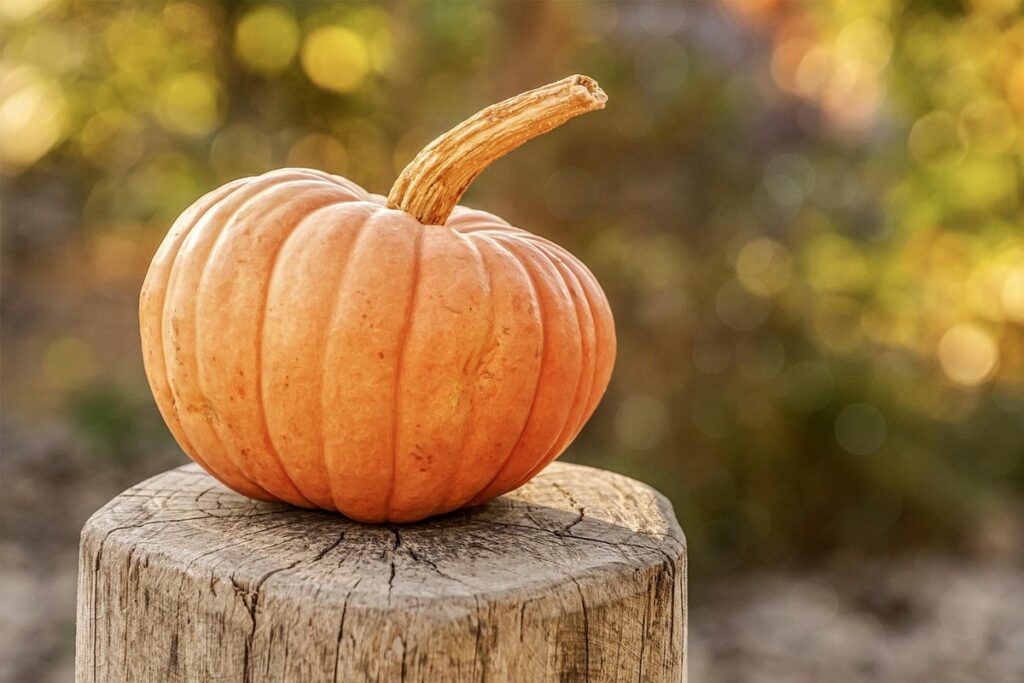
When it comes to selecting the perfect pumpkin for your porch, there are several factors to consider to ensure you find a beautiful and long-lasting addition to your Halloween decor. Let’s dive into the key characteristics to look for.
Selecting the Right Size
When it comes to choosing the perfect pumpkin for your Halloween decor, size is an often-overlooked but crucial factor. Different sizes of pumpkins cater to various decorating needs and purposes, ensuring you find the ideal one that fits your style.
For a small decorative touch, consider selecting a compact pumpkin measuring around 5-7 inches in diameter. These mini pumpkins are perfect for adding a pop of color to tabletops, mantels, or even as a centerpiece for your dining table. They’re also great for creating a festive atmosphere on porches or patios without overwhelming the space.
Medium-sized carving pumpkins typically range from 8-12 inches in diameter and offer ample room for creative jack-o’-lantern designs. These are ideal for those who enjoy crafting intricate patterns and need a bit more surface area to get creative with their carving tools. A medium pumpkin will make an excellent addition to your porch or entryway.
Large display pumpkins, measuring 14-18 inches in diameter, are perfect for making a bold statement on your front porch or in a prominent spot indoors. These showstoppers can be adorned with intricate designs, lights, or other decorative elements to create a stunning focal point that draws attention from passersby.
Considerations for Carving Pumpkins
When selecting a pumpkin for carving, there are several key factors to consider. A sturdy stem is essential, as it will need to support the weight of the carved design. Look for a stem that is dry and well-attached to the pumpkin, rather than brittle or fragile. The flesh consistency of the pumpkin is also important, as it should be smooth and free of soft spots.
In addition to these factors, consider the surface texture of the pumpkin. A smooth surface will provide a clean canvas for your designs, while an irregular texture can make it more difficult to carve intricate patterns. When choosing a pumpkin for intricate carvings, look for one with a slightly firmer flesh and a smooth, even surface.
If you’re planning to create complex designs or detailed patterns on your pumpkin, consider selecting one that is symmetrical and has a relatively flat top. This will make it easier to carve the design without struggling with awkward angles or uneven surfaces. By taking these factors into consideration, you can choose a pumpkin that’s perfect for intricate carvings and will yield impressive results.
Growing Your Own Halloween Pumpkin
Want a festive touch without breaking the bank? Learn how to grow your own Halloween pumpkin from seed to carving, and create a unique tradition for years to come.
Preparing the Soil for Pumpkin Cultivation
When it comes to growing a healthy and thriving Halloween pumpkin, the foundation starts with preparing the soil. This may seem like a no-brainer, but many gardeners overlook this crucial step. The importance of well-draining soil cannot be overstated – waterlogged soil can lead to root rot and other issues that’ll leave your pumpkin wilting.
To ensure you’re starting on the right foot, test the pH levels in your soil using a kit or by sending a sample to a lab for analysis. Most pumpkins prefer a slightly acidic to neutral soil pH between 6.0 and 7.0. If your soil is too alkaline or acidic, amend it with organic matter like compost or well-rotted manure.
Adding organic matter not only helps regulate pH levels but also improves the overall structure of the soil, allowing for better drainage and aeration. Consider incorporating 2-3 inches of compost or well-rotted manure into the top 6-8 inches of your garden bed before planting your pumpkin seeds. This will give them the best chance to grow strong and healthy.
Sowing Seeds and Transplanting
Sowing seeds indoors 6-8 weeks before the last frost date will give them a head start on the growing season. Start by filling a seed tray with a good quality seed starting mix and sow 2-3 pumpkin seeds per cell, about 1 inch deep. Keep the soil consistently moist but not waterlogged. Provide warmth, ideally around 75°F (24°C), and ensure indirect light. Transplant the seedlings into larger containers when they have 2-3 sets of true leaves. Harden off the plants by gradually exposing them to outdoor conditions over 7-10 days before moving them directly into the garden bed.
When transplanting, choose a spot with full sun and well-draining soil. Space pumpkin plants around 5 feet apart to allow for good air circulation. Dig a hole that’s slightly larger than the container, adding organic matter like compost or manure to improve soil fertility. Gently remove the seedling from its container and place it in the hole, firming the soil around the roots. Water thoroughly to settle the soil.
Decorating with Tons of Pumpkins
When it comes to decorating with a multitude of pumpkins, you can create a festive and inviting atmosphere by mixing sizes, shapes, and colors to add visual interest. Try combining large and small pumpkins for a dynamic display.
Creating a Pumpkin Patch Display
Creating a visually stunning pumpkin patch display is an art that requires some planning and creativity. When it comes to arranging pumpkins, you have a plethora of design ideas to choose from. For a dramatic effect, try building a pyramid using a variety of pumpkins in different sizes and shapes. This can be achieved by placing the largest pumpkins at the base, followed by the smaller ones, and finally topping it off with the smallest pumpkins.
Alternatively, you can create an archway display by arranging pumpkins in a curved formation, either horizontally or vertically. This is especially effective when paired with some lush greenery like eucalyptus leaves or ferns to add a pop of color. If you want to go for a more rustic look, consider creating a cascading display where pumpkins are arranged in a loose, organic pattern.
To add some finishing touches to your pumpkin patch display, don’t forget to incorporate complementary decorative items like dried branches, ribbons, or artificial leaves. These can help tie the entire display together and create a cohesive look. For instance, you can use some twine to wrap around the pumpkins, or place some artificial leaves in between them for added texture and depth. The key is to have fun and experiment with different arrangements until you find one that reflects your personal style.
Lighting Up Your Pumpkin Decorations
Lighting is an essential element in bringing your pumpkin decorations to life. You can achieve a warm and inviting ambiance by strategically placing light sources among your pumpkins. One popular option is string lights, which come in various colors and styles. Wrap them around the stems or place them inside the pumpkins for a magical effect.
Candles are another great way to add warmth and coziness to your display. You can place them on top of the pumpkins or surround them with candles for a beautiful centerpiece. However, be sure to follow basic safety precautions when using candles: never leave them unattended, keep them away from flammable materials, and use a stable holder.
Lanterns are also an excellent choice for Halloween pumpkin decorations. You can place them on the porch, in a window, or among your pumpkins. Consider using solar-powered lanterns to reduce energy consumption. When combining multiple light sources, remember to balance them to avoid overwhelming the space. Experiment with different placements and lighting levels to find the perfect ambiance for your Halloween display.
The History and Significance of Pumpkins
Pumpkins have been a staple of autumn celebrations for centuries, but where did it all begin? Let’s dive into their rich history and significance.
Origins of the Jack-o-Lantern Tradition
Carving pumpkins is an integral part of Halloween celebrations, but have you ever wondered where this tradition originated? The history behind carving jack-o-lanterns dates back to ancient Celtic and Irish traditions. In fact, the Celts celebrated Samhain, a festival marking the end of summer and the beginning of winter, which coincided with the harvest season.
During Samhain, the Celts would carve turnips and other root vegetables to create lanterns that would ward off spirits and ghosts. These lanterns were believed to have magical powers, guiding souls back to the afterlife. When Irish immigrants arrived in America, they found that pumpkins were a more abundant and easier to carve than turnips.
This custom was adopted and adapted in American culture, with pumpkin carving becoming a popular activity during Halloween celebrations. The name “jack-o-lantern” is believed to have originated from the Irish legend of Stingy Jack, who was unable to pay for his drinks in a local pub. According to the story, Jack was forced to make a deal with the devil and was given a turnip lantern to light his way.
Symbolism and Cultural Associations with Pumpkins
Pumpkins are more than just a seasonal decoration; they hold deep symbolic meanings across various cultures. In many ancient civilizations, pumpkins represented fertility and abundance due to their association with the harvest season. The vibrant orange color of pumpkins is also said to symbolize the sun’s life-giving energy, making them an essential element in many autumnal celebrations.
In Celtic traditions, pumpkins were believed to have protective powers, warding off evil spirits and bringing good fortune. This cultural significance has been carried forward through the centuries, influencing modern-day Halloween practices. For example, carving jack-o’-lanterns is a way to honor the ancient Celtic custom of creating lanterns from turnips (a common root vegetable in Ireland) to ward off spirits.
In many cultures, pumpkins are also associated with the goddess of harvest, making them an integral part of various festivals and celebrations. So, as you decorate your porch with pumpkins this Halloween season, remember that these gourds hold a rich history and symbolism that transcends mere decoration. Consider incorporating traditional Celtic or autumnal-inspired elements into your decor to tap into their symbolic meaning.
Cooking and Baking with Pumpkin
Get creative in the kitchen by trying out some delicious pumpkin recipes, from sweet baked goods to savory soups that are perfect for fall. You won’t be disappointed!
Preparing Fresh Pumpkin for Cooking
When it comes to cooking with pumpkin, selecting the right one is just the beginning. To prepare your fresh pumpkin for use in recipes, start by choosing a sugar pie pumpkin or a smaller, sweet variety specifically grown for cooking. These types of pumpkins are typically sweeter and have a softer flesh than larger carving pumpkins.
Once you’ve selected your pumpkin, wash it thoroughly with soap and water to remove any dirt or debris. Next, use a sharp knife to cut the pumpkin in half lengthwise, scooping out the seeds and pulp with a spoon. Use a vegetable peeler to peel the skin from each half, taking care to remove as much of the stringy flesh as possible.
Now it’s time to cook down your pumpkin to a pulp. You can do this by roasting the peeled halves in a 350°F oven for about 30 minutes, or by microwaving them on high for 10-15 minutes. Alternatively, you can use an instant pot or pressure cooker to speed up the process. Once cooked, allow the pumpkin to cool slightly before transferring it to a blender or food processor and blending until smooth.
Keep in mind that the key is to cook the pumpkin down to a pulp that’s easily pureed into your recipe. If you’re planning to use canned pumpkin, skip this step altogether – but if you want the authentic flavor of fresh pumpkin, take the time to prepare it yourself.
Delicious Pumpkin Recipes to Try This Fall
As fall arrives, our taste buds start to crave warm, comforting dishes that incorporate the season’s star ingredient: pumpkin! Whether you’re a seasoned baker or a culinary newbie, we’ve got you covered with these delicious pumpkin recipes to try this fall.
Start with the classics: pumpkin pie and pumpkin bread are staples for a reason. Simply mix canned pumpkin puree with spices like cinnamon, nutmeg, and ginger, and pour it into pre-made pie crusts or a loaf pan. For a twist on the classic, try adding chopped nuts or dried cranberries to give your baked goods an extra boost of flavor.
But pumpkin isn’t just for sweet treats – it’s also a versatile ingredient in savory dishes like soups and stews. Whip up a batch of creamy roasted pumpkin soup by blending cooked pumpkin with onions, garlic, and chicken broth. Alternatively, try making a hearty pumpkin and black bean chili that’s perfect for a cozy fall evening.
To make the most of your pumpkin puree, be sure to store it properly: transfer it from the can into an airtight container in the fridge or freezer to keep it fresh for up to six months. This way, you can enjoy these tasty recipes all season long – and beyond!
Safety Tips for Handling Pumpkins
When handling pumpkins, it’s essential to take precautions to avoid accidents and injuries, so follow these crucial safety tips to ensure a fun and safe Halloween experience.
Preventing Slips and Falls on Pumpkin Leaves
When displaying pumpkins outdoors for Halloween, it’s essential to maintain slip-free walkways around them. Pumpkin leaves and branches can become slippery when wet, especially if they’re not properly secured. To prevent accidents, consider the following strategies:
Use a sturdy base or pedestal for each pumpkin to elevate it above any potential slipping hazards. You can also place a small tray or plate under the pumpkin to catch any water that might drip from the leaves.
Secure loose leaves and branches with twine, wire, or garden clips. This will prevent them from blowing away in the wind and causing tripping hazards.
If you’re using real pumpkins, consider applying a natural waterproofing agent like beeswax or silicone spray to their surfaces. This will help protect them from moisture and reduce the risk of slipping.
Regularly inspect your outdoor display for any potential hazards and make adjustments as needed. By taking these simple precautions, you can create a safe and festive atmosphere for trick-or-treaters and party guests alike.
Pest Control Measures for Your Pumpkin Patch
As you tend to your pumpkin patch, it’s essential to be aware of common pests that can damage your crops. Squash bugs, aphids, and powdery mildew are just a few culprits to watch out for. These pests can weaken your pumpkins, making them more susceptible to disease and reducing their quality.
To keep these pests at bay, consider using organic solutions like neem oil or diatomaceous earth. Neem oil is a natural insecticide that can be applied directly to the leaves and stems of your plants. It’s particularly effective against aphids and whiteflies. Diatomaceous earth, on the other hand, works by dehydrating insects, causing them to die within 24-48 hours. Sprinkle it around the base of your plants, making sure not to inhale the fine powder yourself.
For more severe infestations, try combining neem oil and diatomaceous earth for a one-two punch against pests. Regularly inspecting your plants and taking action promptly can make all the difference in keeping your pumpkin patch healthy and thriving. By being proactive about pest control, you’ll be well on your way to enjoying a bountiful harvest of perfect pumpkins for Halloween.
Frequently Asked Questions
Can I use leftover Halloween pumpkins for cooking and baking throughout the year?
Yes, pumpkin is a versatile ingredient that can be used in various recipes beyond just traditional fall dishes. You can roast, puree, or bake with your leftover pumpkins to make soups, pies, breads, and other treats. Store them properly in an airtight container to maintain freshness.
How do I preserve my Halloween pumpkin decorations for next year?
Preserve your jack-o-lanterns by painting the cut-out designs instead of carving, as this will prevent moisture from entering the pumpkin. You can also spray them with a sealant or wax to protect against decay and add extra longevity.
What’s the best way to display my pumpkin patch display for maximum visual impact?
To create a stunning centerpiece, consider grouping pumpkins in odd numbers (3-5) to create visual balance. Use varying sizes, shapes, and textures to add depth and interest. Don’t forget to include some greenery like eucalyptus or ferns to add a pop of color.
Can I grow my own Halloween pumpkin patch from seeds?
Yes, growing your own pumpkins is possible with the right climate, soil, and care. Choose a sunny spot with well-draining soil, follow proper sowing and transplanting techniques, and provide adequate water and nutrients for optimal growth.
How do I properly store and handle fresh pumpkin for cooking?
To maintain freshness, choose firm, smooth pumpkins with no signs of soft spots or bruises. Store them in an airtight container in the refrigerator to keep them from drying out. Cut only what you need, as excess cut surfaces can spoil quickly.