
Are you looking for a game-changing cover crop solution that can take your farm to the next level? Hairy vetch might just be the answer. This versatile legume is not only easy to establish and maintain, but it also boasts an impressive list of benefits for soil health and sustainability. By incorporating hairy vetch into your rotation, you can expect improved nitrogen fixation, reduced weed pressure, and enhanced overall soil fertility. In this article, we’ll delve deeper into the world of hairy vetch cover crops and explore its potential as a sustainable solution for farmers like you. We’ll examine how it works, its advantages over other cover crop options, and provide practical tips on integrating it into your existing farm practices.
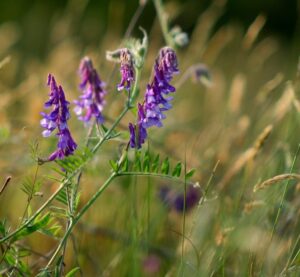
Introduction to Hairy Vetch
Hairy vetch is a versatile and easy-to-grow cover crop that’s perfect for beginners, offering numerous benefits for soil health and erosion control. Let’s dive into its characteristics.
What is Hairy Vetch?
Hairy vetch is a fascinating crop that has been around for centuries, and it’s no wonder why it’s gained popularity as a cover crop. Native to Europe, Asia, and Africa, this annual legume has been used in various agricultural applications for centuries. Its rich history speaks volumes about its versatility and effectiveness.
One of the key reasons hairy vetch stands out is its ability to thrive in challenging environments. It can grow in poor soil conditions, tolerate drought, and even withstand extreme temperatures. This adaptability makes it an ideal choice for farmers looking to mitigate soil erosion, improve soil health, and increase biodiversity on their land. By incorporating hairy vetch into your rotation, you can expect a boost in nutrient cycling, improved soil structure, and enhanced ecosystem services.
As a legume, hairy vetch has the added benefit of nitrogen fixation, which means it converts atmospheric nitrogen into a form that’s accessible to plants. This reduces the need for synthetic fertilizers, making it an attractive option for sustainable agriculture practices.
Benefits of Hairy Vetch as a Cover Crop
Hairy vetch is a valuable cover crop that offers numerous benefits for farmers and gardeners. One of its most significant advantages is its ability to control erosion, which can be particularly problematic on sloping land or areas with heavy rainfall. By planting hairy vetch as a cover crop, you can prevent soil from being washed away and maintain soil structure.
In addition to erosion control, hairy vetch also improves soil health by adding organic matter and nutrients through its deep taproots. This process helps to increase the overall fertility of the soil, making it more conducive to plant growth. Hairy vetch is also a potent weed suppressor, outcompeting weeds for space and resources. By planting this cover crop, you can reduce the need for herbicides and other chemicals.
As a green manure, hairy vetch can be incorporated into the soil in the spring, providing a boost to nutrient levels and promoting healthy microbial activity. This practice is particularly effective when combined with other crops that benefit from the added nutrients. For example, planting hairy vetch after a corn crop can help to replenish nitrogen levels, reducing the need for synthetic fertilizers.
Soil Health and Nutrient Cycling with Hairy Vetch
Hairy vetch plays a crucial role in maintaining soil health by adding organic matter, suppressing weeds, and cycling nutrients back into the soil. Let’s dive deeper into how it supports these essential processes.
Nitrogen Fixation by Hairy Vetch
Hairy vetch has earned its reputation as a valuable cover crop due to its remarkable ability to fix atmospheric nitrogen. This process is known as nitrogen fixation, where the plant converts nitrogen gas from the air into a usable form for itself and surrounding plants. As a legume, hairy vetch contains nodules on its roots that house Rhizobia bacteria, which facilitate this process.
By fixing nitrogen, hairy vetch enriches the soil without relying on synthetic fertilizers. This natural approach to nutrient cycling not only reduces environmental impact but also promotes balanced soil fertility. Farmers can benefit from integrating hairy vetch into their rotation plans, especially in areas with low soil nitrogen levels or those where intensive cultivation has depleted native nitrogen reserves.
To maximize nitrogen fixation benefits, it’s essential to maintain optimal growing conditions for hairy vetch. This includes adequate moisture and a suitable temperature range. Planting hairy vetch as a cover crop before the main cash crop allows its roots to develop and fix as much nitrogen as possible. By doing so, you’ll be creating a fertile foundation for your subsequent crops, reducing the need for external fertilizers and supporting sustainable agriculture practices.
Organic Matter Addition and Decomposition
Hairy vetch is an excellent addition to your soil’s organic matter content through its impressive biomass production. As a legume cover crop, it has the unique ability to convert atmospheric nitrogen into a form that benefits your plants, while also producing an abundance of green biomass throughout the growing season.
This biomass contributes significantly to the overall organic matter in your soil. When hairy vetch is incorporated back into the soil as a mulch or green manure, its high carbon-to-nitrogen ratio encourages microbial activity. This, in turn, breaks down the complex organic compounds, releasing nutrients that are readily available for subsequent crops.
The extensive root system of hairy vetch also plays a crucial role in building and stabilizing your soil’s organic matter content. As it grows, these roots create an intricate network of channels and pathways that help to facilitate water infiltration and gas exchange within the soil profile. This enhances the overall structure and fertility of the soil, allowing it to hold onto nutrients more effectively.
By incorporating hairy vetch into your crop rotation, you can significantly enhance the organic matter content in your soil and improve its overall health and productivity.
Weed Suppression and Competition with Hairy Vetch
When using hairy vetch as a cover crop, it’s essential to understand its weed suppression abilities and how it competes with unwanted plants for resources. This section will explore those dynamics in more detail.
Shade Production and Its Effects on Weeds
One of the most effective ways hairy vetch suppresses weeds is through shade production. As it grows and matures, its dense foliage blocks out sunlight, reducing weed seed germination and growth. This phenomenon is particularly evident when hairy vetch is planted densely or allowed to grow tall. The resulting canopy prevents weeds from emerging in the first place, making it an effective strategy for weed control.
Studies have shown that shade can reduce weed seed germination by as much as 90%. This makes hairy vetch an excellent choice for growers looking to minimize herbicide use and create a more sustainable agricultural system. When establishing hairy vetch as a cover crop, growers should prioritize planting density and optimal growing conditions to maximize its shading potential.
By incorporating hairy vetch into your rotation, you can effectively suppress weeds through shade production while also improving soil health and fertility. As with any cover crop, the key is to plant at the right time and in sufficient quantities to ensure maximum benefits. With proper management, hairy vetch can be a powerful tool in reducing weed pressure and promoting long-term ecological balance on your farm or garden.
Allelopathic Effects of Hairy Vetch
Hairy vetch is more than just a cover crop that provides soil nitrogen and suppresses weeds through physical competition. It also exerts allelopathic effects on other plants in the soil. This means it releases chemicals into the environment that inhibit weed growth and development.
These chemicals, known as allelochemicals, are produced by hairy vetch’s roots and leaves and can have a significant impact on nearby plants. For example, one of the primary allelochemicals released by hairy vetch is vanillin, which has been shown to suppress seed germination and root growth in several weed species.
In practice, this means that when you plant hairy vetch as a cover crop, it can reduce the need for herbicides or other weed control methods. By establishing a dense stand of hairy vetch, you can create an environment where weeds struggle to gain a foothold. As you harvest and incorporate the hairy vetch into your soil, these allelochemicals will be released, further suppressing weed growth in subsequent crops.
By leveraging this natural mechanism, you can reduce your reliance on chemical herbicides and promote a more sustainable farming practice.
Integration with Other Cover Crops and Cropping Systems
When combined with other cover crops, hairy vetch can enhance soil health and biodiversity, creating a more resilient ecosystem for your farm. Let’s explore some examples of successful integrations.
Companion Planting with Hairy Vetch
When it comes to maximizing the benefits of hairy vetch as a cover crop, one effective strategy is to plant it alongside other crops. Companion planting with hairy vetch can enhance soil health, suppress weeds, and even improve yields for nearby crops.
In corn or soybean fields, for instance, hairy vetch can provide valuable nitrogen fixation, reducing the need for synthetic fertilizers. This symbiotic relationship not only saves farmers money but also reduces their environmental footprint. Hairy vetch can also outcompete weeds that might otherwise compete with cash crops for water and nutrients.
To incorporate hairy vetch into your companion planting strategy, start by incorporating it into your rotation as a cover crop in the off-season. Plant it at least 2-3 weeks before or after your primary crop, allowing it to establish itself without competing directly with your main crop. As with any cover crop, ensure proper seed-to-soil contact and adequate moisture during establishment. With careful planning, hairy vetch can become a valuable addition to your cropping system, enhancing overall soil health and resilience while promoting sustainable agriculture practices.
Rotation Strategies Incorporating Hairy Vetch
When incorporating hairy vetch into your crop rotation plan, consider its unique characteristics and benefits. Hairy vetch is a legume cover crop that fixes nitrogen, suppresses weeds, and provides habitat for beneficial insects. To optimize its potential, rotate it with other crops that complement its growth habits.
One common rotation strategy involves pairing hairy vetch with corn or soybeans in a three-year cycle: year one is planted to vetch; year two is seeded with a spring crop like wheat or oats; and year three returns to the legume, either vetch or another nitrogen-fixing crop. This rotation sequence helps maintain soil fertility while minimizing weed pressure.
Alternatively, consider integrating hairy vetch into a perennial system like fruit trees or nut crops. Its spreading habit can serve as a living mulch, retaining moisture and suppressing weeds beneath the tree canopy. By incorporating hairy vetch into your rotation plan, you can capitalize on its nitrogen-fixing ability and create a more diverse, resilient farming system.
When selecting specific crops for rotation, consider their growth habits and nutrient requirements to maximize the benefits of hairy vetch.
Establishing and Managing Hairy Vetch as a Cover Crop
To successfully use hairy vetch as a cover crop, you’ll need to know how to establish it in your fields and manage its growth over time. Let’s dive into those essential details now.
Sowing and Plant Density Optimization
When sowing hairy vetch as a cover crop, optimizing plant density is crucial for maximizing its benefits. Aim to sow between 20-30 pounds per acre, depending on the desired level of groundcover and soil improvement. For optimal results, plant hairy vetch in late summer or early fall, about 6-8 weeks before the first frost.
A key consideration when determining sowing rates is the soil type and its capacity to support dense growth. On heavier soils, reducing the sowing rate can help prevent waterlogging and root rot. In contrast, sandy soils may require higher sowing rates to achieve the desired level of groundcover.
To ensure a uniform stand, sow hairy vetch in rows spaced about 6-12 inches apart. This will also facilitate easier management and harvesting of any crops planted after the cover crop is terminated. With proper timing and plant density optimization, hairy vetch can thrive as a cover crop, improving soil health and suppressing weeds while reducing erosion and nutrient depletion.
Water Management and Fertilization Needs
When establishing hairy vetch as a cover crop, water management and fertilization needs become crucial factors to consider. Hairy vetch is relatively drought-tolerant but still requires adequate moisture, especially during its initial growth stages. Aim for about 20 inches of annual rainfall or supplemental irrigation to ensure optimal growth.
In terms of fertilization, hairy vetch has a high nitrogen fixation capacity due to its symbiotic relationship with Rhizobia bacteria. However, it’s essential to test your soil pH and nutrient levels before planting to determine if additional fertilizer is necessary. A balanced fertilizer application (e.g., 10-10-20 N-P-K) at the time of planting can promote healthy growth.
One common challenge growers face is managing nitrogen availability during the transition from hairy vetch to cash crop. To mitigate this, consider incorporating a cover crop termination method that allows for controlled release of nitrogen into the soil. This can be achieved through methods like mowing, flailing, or using herbicides specifically designed to promote nitrogen availability.
Keep in mind that hairy vetch’s fertilization needs may vary depending on factors such as climate, soil type, and preceding crop. Be prepared to adjust your management strategy accordingly based on your specific growing conditions.
Challenges and Considerations When Using Hairy Vetch
When using hairy vetch as a cover crop, you’ll want to be aware of some key challenges and considerations that can impact its success. This includes understanding its potential drawbacks and limitations.
Potential Drawbacks and Limitations
While hairy vetch is an excellent cover crop option for many farmers, there are some potential drawbacks to consider. One of the main concerns is competition with cash crops. Hairy vetch is a nitrogen-fixing legume, which means it has a strong ability to compete with other plants for water and nutrients. If not managed properly, hairy vetch can outcompete your cash crop, reducing its yields and profitability.
This is especially true in regions with mild winters or during extended growing seasons. To mitigate this risk, farmers need to carefully plan their crop rotations and ensure that the timing of planting and termination of the cover crop aligns with the growth cycle of their cash crops.
Another potential issue is overgrowth, which can lead to difficulties in terminating the cover crop. Hairy vetch has a deep taproot, allowing it to grow quite tall and dense. If not properly terminated, the cover crop can continue to grow throughout the season, potentially causing problems for subsequent plantings.
Best Practices for Effective Use
When utilizing hairy vetch effectively, it’s crucial to follow some best practices that will ensure optimal performance and benefits. To begin with, select a suitable location for planting, ideally on land that is prone to soil erosion or has been depleted of nutrients.
The timing of sowing also plays a significant role in the success of hairy vetch. Typically, it is recommended to plant in the fall, allowing it to overwinter before dying off in the spring and providing an early season nitrogen boost to subsequent crops. However, if you’re working with a warmer climate or shorter growing seasons, spring planting may be more suitable.
In terms of management, avoid tilling or cultivating the soil when hairy vetch is present. Instead, use a technique called “chop-and-drop” which involves mowing or chopping down the vetch and leaving it to act as mulch for the soil. This will help retain moisture, suppress weeds, and improve overall soil health. Furthermore, be sure to plant at the right seeding rate – typically 10-20 pounds per acre is sufficient for most applications.
Avoid tilling hairy vetch into the ground, as this can damage its extensive root system and reduce its ability to provide benefits in subsequent years.
Case Studies and Examples of Successful Hairy Vetch Adoption
Let’s take a closer look at how farmers have successfully incorporated hairy vetch into their rotation, improving soil health and crop yields. Real-world examples highlight the benefits of this versatile cover crop.
Real-World Applications and Results
Farmers who have successfully integrated hairy vetch into their cropping systems report significant improvements in soil health, reduced erosion, and increased crop yields. One such example is a Virginia farmer who planted hairy vetch as a cover crop on his soybean field. By doing so, he was able to reduce soil compaction by 30% and increase topsoil moisture retention by 25%. This led to a significant decrease in fertilizer usage and subsequent cost savings.
In another instance, a Maryland farm used hairy vetch as a winter cover crop between two successive corn crops. The results showed an average yield increase of 15% compared to the previous year’s corn crop, while also reducing soil-borne diseases by 20%. This demonstrates the ability of hairy vetch to provide a favorable growing environment for subsequent cash crops.
What can we learn from these examples? For one, hairy vetch is not just limited to providing habitat for beneficial insects and microorganisms; it can also improve soil structure, increase water retention, and enhance overall ecosystem services. Farmers looking to adopt hairy vetch as a cover crop should consider the following:
* Choose a suitable planting method: Hairy vetch can be drilled or broadcast into existing fields during the fall season.
* Ensure adequate moisture levels: The ideal time for seeding is typically during periods of consistent rainfall or when soil moisture levels are at their highest.
* Be patient and allow hairy vetch to mature: This will ensure its full benefits, including improved soil fertility and enhanced ecosystem services, can be realized.
By incorporating these best practices into your cropping system, you too can experience the numerous benefits that hairy vetch has to offer.
Conclusion: The Value of Hairy Vetch as a Sustainable Cover Crop Option
Now that you’ve learned about hairy vetch’s numerous benefits, let’s wrap up by exploring its value as a sustainable cover crop option in your own fields.
Recap of Key Points and Takeaways
Hairy vetch has emerged as a versatile and sustainable cover crop option that offers numerous benefits to farmers and gardeners. By now, you’re likely aware of its potential to improve soil health, suppress weeds, and attract beneficial insects. To recap the main points covered in this post, let’s revisit some key highlights.
As a legume-based cover crop, hairy vetch excels at fixing nitrogen in the soil, reducing the need for synthetic fertilizers. This not only saves you money but also promotes a more balanced ecosystem. In addition to its environmental benefits, hairy vetch can help increase yields and improve overall crop quality.
We’ve discussed various uses of hairy vetch, from winter cover crops to living mulches and even as a green manure. Its adaptability makes it an excellent choice for diverse farming operations, whether you’re looking to boost soil fertility or reduce erosion.
Some key takeaways from this post include:
• Hairy vetch can be planted in both spring and fall, allowing for flexibility in your cover crop schedule.
• This legume-based cover crop is particularly effective at suppressing weeds due to its dense foliage and allelopathic properties.
• With proper management, hairy vetch can serve as a valuable source of mulch or green manure.
To integrate hairy vetch into your farming practice effectively, consider the following tips:
* Ensure you plant enough hairy vetch seeds to achieve optimal coverage (about 10-15 pounds per acre).
* Choose a suitable variety for your climate and growing conditions.
* Plan ahead by incorporating hairy vetch into your crop rotation schedule.
By embracing hairy vetch as a cover crop option, you can reap the rewards of improved soil health, reduced weed pressure, and increased yields.
Frequently Asked Questions
Can I grow hairy vetch in areas with poor soil quality or low fertility?
Yes, one of the standout benefits of hairy vetch is its ability to thrive in challenging environments. It can grow well in soils with low nitrogen levels and even tolerate drought conditions. However, it’s essential to note that while hairy vetch can improve soil health over time, it may not be suitable for areas with severe erosion or compacted soils.
How long does it take for hairy vetch to start showing its benefits?
The timeframe for observing the benefits of hairy vetch as a cover crop varies depending on factors like climate, soil type, and management practices. However, studies have shown that hairy vetch can start fixing nitrogen within 2-3 weeks after sowing, with peak fixation occurring around 6-8 weeks later.
Can I mix hairy vetch with other cover crops or cash crops in my rotation?
Yes, hairy vetch is a versatile crop that can be integrated into various cropping systems. In fact, mixing it with other cover crops like winter rye or oats can enhance its benefits and create a more diverse soil ecosystem. When planting hairy vetch as a companion crop, ensure to choose species that complement its growth habits and requirements.
How do I prevent hairy vetch from becoming invasive in my area?
To minimize the risk of hairy vetch becoming invasive, it’s crucial to manage its seed production and spread. Regular mowing or cutting can help control seed dispersal, while also encouraging the plant to focus its energy on vegetative growth rather than seed production.
What are some common pests or diseases that affect hairy vetch?
While hairy vetch is generally a hardy crop, it’s not immune to pests and diseases. Common issues include aphids, whiteflies, and powdery mildew. Regular monitoring, proper sanitation practices, and integrated pest management (IPM) strategies can help mitigate these risks and maintain healthy hairy vetch stands.