
If you’re an avid butterfly enthusiast or simply looking to attract some vibrant wildlife to your garden, you’ll love learning about the unique relationship between gulf fritillary caterpillars and their exclusive host plant: passionflower vines. These stunning butterflies rely on specific plants for their lifecycle to thrive, and understanding this connection can make all the difference in creating a butterfly-friendly haven. But why is this partnership so crucial? In this article, we’ll delve into the fascinating world of gulf fritillary caterpillars and passionflower vines, exploring how they coexist and why this bond is essential for these butterflies to survive. By the end of this post, you’ll be equipped with expert tips on attracting gulf fritillaries to your garden using their favorite host plant.
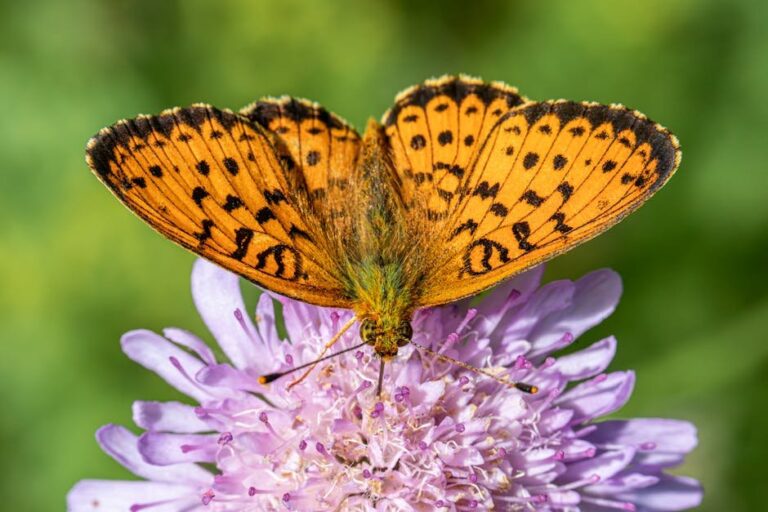
What is a Host Plant and Why is it Important?
To understand why gulf fritillaries rely on certain plants for survival, let’s start by exploring what makes a host plant so crucial to these beautiful butterflies.
Importance of Host Plants for Monarch Butterflies
Monarch butterflies rely heavily on host plants throughout their life cycle, and it’s essential to understand why. These incredible insects need a specific type of plant – milkweed – for survival. Without milkweed, monarchs wouldn’t be able to complete their life cycle.
When monarch caterpillars hatch, they seek out milkweed leaves to feed on. This diet is crucial as it provides them with the necessary toxins to defend against predators. Monarchs store these toxins in their bodies, making them unpalatable to birds and other animals that might try to eat them. Unfortunately, the decline of milkweed habitats has led to a significant decrease in monarch populations.
If you’re looking to support local monarchs, consider planting milkweed species in your garden or community space. This simple action can make a huge difference for these beautiful butterflies. Research shows that increasing milkweed availability can boost monarch populations by up to 50%.
Understanding the Unique Relationship Between Gulf Fritillaries and Their Host Plant
The gulf fritillary’s (Agraulis vanillae) relationship with its host plant is a remarkable example of specificity in nature. These caterpillars feed exclusively on the passionflower vine (Passiflora spp.), and it’s not just a matter of them preferring one type of food over another – they can’t survive without it.
In fact, research has shown that gulf fritillary caterpillars are unable to digest the leaves of other plant species. This means that if you’re trying to raise these beautiful butterflies in captivity, providing them with anything other than passionflower will not only be ineffective but potentially toxic. So, what makes passionflower so special?
One key reason is the unique chemical composition of the vine’s leaves. Passionflower contains a high concentration of certain alkaloids and glycosides that are absent or present in much smaller quantities in other plants. These compounds play a crucial role in the caterpillars’ growth and development, making it impossible for them to thrive on alternative host plants.
It’s worth noting that this specificity is not just limited to gulf fritillaries; many other butterfly species have similar relationships with specific host plants. Understanding these unique relationships can be incredibly valuable for conservation efforts and even gardening practices.
Identifying Passionflower Vines as the Ideal Host for Gulf Fritillaries
If you’re new to raising gulf fritillary butterflies, identifying the right host plant is crucial. This section will guide you through recognizing passionflower vines as an ideal host for these delicate creatures.
Characteristics of Passionflowers That Make Them Suitable for Gulf Fritillaries
Passionflowers possess several characteristics that make them an ideal food source for gulf fritillary caterpillars. Their tender leaves are a key factor, as they provide the necessary nutrients for the caterpillars to grow and develop. The nutrient-rich composition of passionflower leaves is particularly appealing to gulf fritillaries, offering a boost in energy and vitality.
In particular, passionflowers contain high levels of nitrogen, phosphorus, and potassium – essential macronutrients that support growth and development in caterpillars. These nutrients also contribute to the overall health and immunity of the caterpillars, helping them navigate potential threats such as disease or pests. When selecting a host plant for your gulf fritillary garden, look for passionflowers with large, succulent leaves that are free from damage or disease. This will ensure that your caterpillars have access to an optimal food source and can thrive in their environment.
By providing a nutrient-rich diet, passionflowers play a critical role in the life cycle of gulf fritillary butterflies.
How to Recognize Different Species of Passionflower Vines
When it comes to identifying passionflower vines as potential hosts for gulf fritillaries, it’s essential to know which species are most common in their habitat. Several species of passionflower vines can be found in the same regions where gulf fritillaries thrive. Here are a few examples:
* Passiflora incarnata (Purple Passionflower): This is one of the most recognizable species, with large, fragrant flowers and tendrils that twine up trees or other supports.
* Passiflora foetida (Wild Passionflower): As its name suggests, this species has a strong, unpleasant odor. It’s characterized by its sprawling habit and clusters of small, yellowish-green flowers.
* Passiflora caerulea (Blue Passionflower): This is one of the most common passionflower species in warm climates, with distinctive blue or purple flowers and edible fruit.
To confirm your identification, take note of the shape, size, and color of the flowers, as well as the overall growth habit of the vine. Consult field guides or online resources for more information on each species. With practice, you’ll become proficient at recognizing these vines in their natural habitats.
The Lifecycle of Gulf Fritillaries: From Egg to Adult
Let’s take a closer look at how Gulf Fritillary butterflies go from tiny eggs to vibrant adults, and what this journey means for your host plant. We’ll break down their development stage by stage.
Egg-Laying Behavior and Habitat Selection by Female Gulf Fritillaries
When it comes time for female Gulf Fritillaries to lay their eggs, they have a very specific behavior that’s crucial to the survival of their young. These butterflies are highly specialized, and their host plant preferences play a huge role in their reproductive cycle.
Female Gulf Fritillaries will typically lay their eggs on the underside of passionflower leaves, which provides the perfect protection for the delicate eggs from predators and environmental stressors. This choice is not random; studies have shown that female Gulf Fritillaries are drawn to the tender shoots and young leaves of passionflowers, which provide the necessary nutrients for their larvae to grow.
In fact, if you observe a female Gulf Fritillary laying her eggs, you’ll notice she carefully selects a spot with an abundance of young growth. This ensures that when the eggs hatch, the caterpillars will have access to a constant supply of food and can develop quickly.
Caterpillar Growth Stages and Their Dependence on Passionflowers
As your caterpillar emerges from its egg, it’s crucial to understand that each stage of growth relies heavily on a specific diet. In the case of Gulf Fritillaries, their caterpillars undergo four distinct stages: instar 1 through instar 4. These stages are marked by periodic molting, allowing for growth and development.
During these stages, your caterpillar will crave passionflower leaves almost exclusively. This is because they contain high amounts of nutrients like nitrogen, phosphorus, and potassium, which are essential for the caterpillar’s survival. Without access to passionflowers, the caterpillar will struggle to grow and thrive.
To support a healthy and thriving colony, it’s essential to provide your Gulf Fritillary caterpillars with an abundance of fresh passionflower leaves. This can be achieved by planting multiple passionflower vines in close proximity or by maintaining a steady supply of fresh leaves within their enclosure.
By meeting the dietary needs of your caterpillar, you’ll be taking a crucial step towards rearing healthy adults that are capable of pollinating plants and contributing to the overall ecosystem balance.
The Role of Gulf Fritillaries in Ecosystem Balance
As we explore the fascinating world of gulf fritillary host plants, let’s take a closer look at how these beautiful butterflies contribute to maintaining ecosystem balance. Their unique role is crucial for a healthy environment.
Predators and Prey: Maintaining a Balance with Other Insects
As you explore the world of gulf fritillaries and their host plants, it’s essential to consider the broader ecosystem balance. These beautiful butterflies play a vital role in maintaining the delicate dance between predators and prey within their environment.
Gulf fritillary populations serve as both predator and prey for various other insect species. As adults, they feed on nectar from flowers, while their caterpillars feed on passionflower leaves, creating a unique food chain dynamic. This interplay has a ripple effect throughout the ecosystem. For instance, when gulf fritillaries are abundant, it can lead to an increase in predation pressure on other insects that rely on similar host plants. Conversely, when gulf fritillary populations decline, it can disrupt this balance and have cascading effects on other species.
To maintain a healthy balance within your garden or ecosystem, consider the following:
* Monitor the population density of gulf fritillaries and other insect species to ensure they are not overgrazing or being over-predated.
* Provide diverse host plants that cater to different life stages of various insects, reducing competition and promoting coexistence.
Importance of Passionflowers as a Food Source for Other Animals
Passionflower vines play a vital role in the ecosystem as a food source for various animals beyond just gulf fritillaries. The nectar-rich flowers and leaves of passionflowers attract a diverse range of pollinators, such as bees, butterflies, and hummingbirds, which contribute to the local food chain.
In addition to these flying visitors, other creatures like hummingbird hawk moths and even some species of wasps feed on the flower’s nectar. These interactions highlight the interconnectedness of the ecosystem and the importance of passionflowers in supporting biodiversity.
As an example, a study on the pollination services provided by passionflower vines showed that they contribute significantly to the reproduction of nearby plants, including those used as host plants for gulf fritillaries. By incorporating passionflower vines into your garden or yard, you can create a haven for these beneficial animals and support their food needs.
In doing so, you’ll also be promoting a balanced ecosystem where all creatures have access to essential resources, fostering harmony among the various species in your local environment.
Common Challenges Facing Gulf Fritillary Populations and Their Host Plants
As you care for your gulf fritillary caterpillars, it’s essential to be aware of the common challenges they face in the wild, including threats to their host plants. These obstacles can impact not only the caterpillars but also the overall health of your garden ecosystem.
Threats to Passionflower Vines: Habitat Destruction, Climate Change, and More
Passionflower vines, the primary host plant for gulf fritillaries, face numerous threats that impact their populations and, by extension, affect gulf fritillary survival. Habitat destruction is a significant concern, as passionflower growth often requires specific conditions such as full sun to partial shade and well-drained soil. Human activities like urbanization, agriculture, and infrastructure development frequently lead to the clearing of natural habitats.
Climate change also poses a threat to passionflower populations, with rising temperatures altering the delicate balance between gulf fritillaries and their host plant. Shifts in temperature and precipitation patterns can disrupt the life cycle of both species, making it harder for them to coexist successfully. For instance, warmer winters may lead to an overwintering population explosion, potentially causing damage to passionflower vines.
To mitigate these effects, gardeners and conservationists can work together to create more sustainable habitats that support gulf fritillary populations while maintaining a balance between human needs and environmental concerns. This includes preserving natural areas, adopting eco-friendly practices in gardens and urban landscapes, and promoting climate-resilient plant species like passionflower vines.
Efforts to Conserve Gulf Fritillary Habitats and Restore Balance Ecosystems
Efforts are underway to conserve gulf fritillary habitats and restore balance to ecosystems. Organizations like the Xerces Society and the Gulf Fritillary Conservation Project work with landowners and local communities to identify and protect critical habitat areas. These initiatives involve restoring degraded habitats, creating corridors for movement, and promoting sustainable land use practices.
One example is the creation of butterfly gardens in urban areas, which provide essential food sources and shelter for gulf fritillaries. By planting native host plants like passionflower (Passiflora spp.) and maypop (Passiflora incarnata), individuals can contribute to habitat restoration efforts. Additionally, many conservation groups offer guidance on how to create butterfly-friendly habitats in residential areas.
To get involved, you can start by assessing your own yard or community space for potential habitat restoration opportunities. Consider consulting with local experts or joining a conservation group to gain insights and resources for successful habitat creation. By working together, we can help ensure the long-term survival of gulf fritillaries and their host plants.
Cultivating Passionflowers as a Host Plant in Your Garden or Yard
To successfully cultivate gulf fritillary host plants, you’ll want to learn how to grow passionflower vines and provide an ideal environment for these beautiful butterflies. Let’s dive into cultivating passionflowers as a host plant in your garden or yard.
Tips for Attracting Gulf Fritillaries with the Right Species of Passionflower
When it comes to attracting gulf fritillaries to your garden, having the right species of passionflower is crucial. But with over 500 species of passionflowers to choose from, selecting the right one can be overwhelming. To begin with, consider the climate you live in. Gulf fritillaries thrive in warm and subtropical regions, so if you’re in a cooler area, you may need to opt for a hardier variety.
Some popular species that attract gulf fritillaries include Passiflora caerulea, Passiflora incarnata, and Passiflora edulis. However, it’s essential to choose a species that suits your available space as well. For instance, Passiflora caerulea can grow quite large, so if you have limited space, a smaller variety like Passiflora incarnata might be more suitable.
When selecting a passionflower species, also consider the amount of sunlight and maintenance required. Gulf fritillaries are attracted to flowers that bloom profusely, so choose a species with an abundance of flowers throughout the growing season.
How to Care for Passionflowers to Support the Lifecycle of Gulf Fritillaries
To support the lifecycle of gulf fritillaries, it’s essential to maintain healthy passionflower vines. Start by choosing a location with full sun to partial shade and well-draining soil. Passionflowers are twining vines that can grow up to 40 feet long, so provide a trellis or other support for them to climb.
Water your passionflowers regularly, but avoid overwatering which can lead to root rot. Fertilize them lightly in the spring with a balanced fertilizer, and prune them back in the fall to maintain shape and encourage new growth.
Gulf fritillary caterpillars feed exclusively on passionflower leaves, so ensure that the plant is healthy and robust enough to support their development. Monitor your vines regularly for signs of pests or diseases, such as aphids, whiteflies, or powdery mildew.
To encourage a bountiful harvest of nectar-rich flowers, which will attract adult gulf fritillaries to your garden, provide your passionflowers with regular deadheading. This process involves removing spent blooms after they have faded, which will help direct the plant’s energy towards producing new flowers and seeds.
As you care for your passionflower vines, keep in mind that these plants are native to tropical regions of Central and South America. In areas with cooler temperatures or frost, protect your passionflowers by bringing potted plants indoors during the winter months or using mulch to insulate their roots.
Conclusion: The Critical Connection Between Gulf Fritillaries and Their Host Plant
In conclusion, understanding the critical connection between gulf fritillaries and their host plant is essential for any butterfly enthusiast or gardener. By recognizing that passionflower vines are not only a food source but also a vital component of these butterflies’ life cycle, you can take steps to create a welcoming habitat in your own backyard. Consider planting passionflower in a sunny spot with well-draining soil and providing a trellis for the vines to climb. This will not only attract gulf fritillaries but also other pollinators like hummingbirds and bees. By making this simple connection, you’ll be supporting the delicate balance of your local ecosystem and fostering a more vibrant community of wildlife in your garden.
Frequently Asked Questions
Can I use a non-native passionflower species as a host plant for gulf fritillaries?
While it might be tempting to try using exotic varieties, it’s essential to stick with native species like Passiflora suberosa or Passiflora caerulea. Non-native passionflowers may not provide the same level of nutrients and protection that gulf fritillary caterpillars need to thrive.
How do I ensure my passionflower vine is healthy enough to support a gulf fritillary population?
A robust host plant is crucial for the survival of these beautiful butterflies. To keep your passionflower vine healthy, provide it with well-draining soil, plenty of sunlight (at least 6 hours of direct sunlight), and regular watering. Prune the vines regularly to promote bushy growth and prevent over-competition.
Can I expect gulf fritillaries to visit my garden immediately after planting a passionflower vine?
While gulf fritillaries will eventually be attracted to your garden, it’s essential to note that they may not arrive right away. These butterflies have specific habitat preferences and may take some time to discover your newly planted host plant.
How do I prevent the spread of disease in my passionflower vines when cultivating them for gulf fritillary habitats?
To keep your passionflowers healthy and free from disease, make sure to disinfect any pruning tools between uses. Remove any infected or damaged leaves promptly, and consider implementing a crop rotation strategy to reduce the risk of fungal diseases.
Can I cultivate passionflowers in containers if I don’t have space for an in-ground garden?
Yes! Passionflower vines can thrive in large containers with proper care. Ensure your container is at least 12-18 inches deep to accommodate the vine’s extensive root system. Provide a trellis or other support for the plant to climb, and keep the soil consistently moist but not waterlogged.