
Are you ready to grow some seriously amazing zucchinis? With its versatility in the kitchen, from grilled slices to baked bread, it’s no wonder this summer squash is a favorite among gardeners and foodies alike. But let’s be real – growing zucchini can be a bit of a challenge, especially for beginners. That’s why we’ve put together this comprehensive guide to help you master the art of growing zucchinis like a pro! From selecting the perfect variety to sowing seeds, soil preparation, and harvesting, we’ll cover it all. Plus, we’ll share expert tips on managing pesky pests and diseases that can ruin your crop. Whether you’re a seasoned gardener or just starting out, this guide will give you the confidence and know-how to enjoy a bountiful harvest of delicious zucchinis.
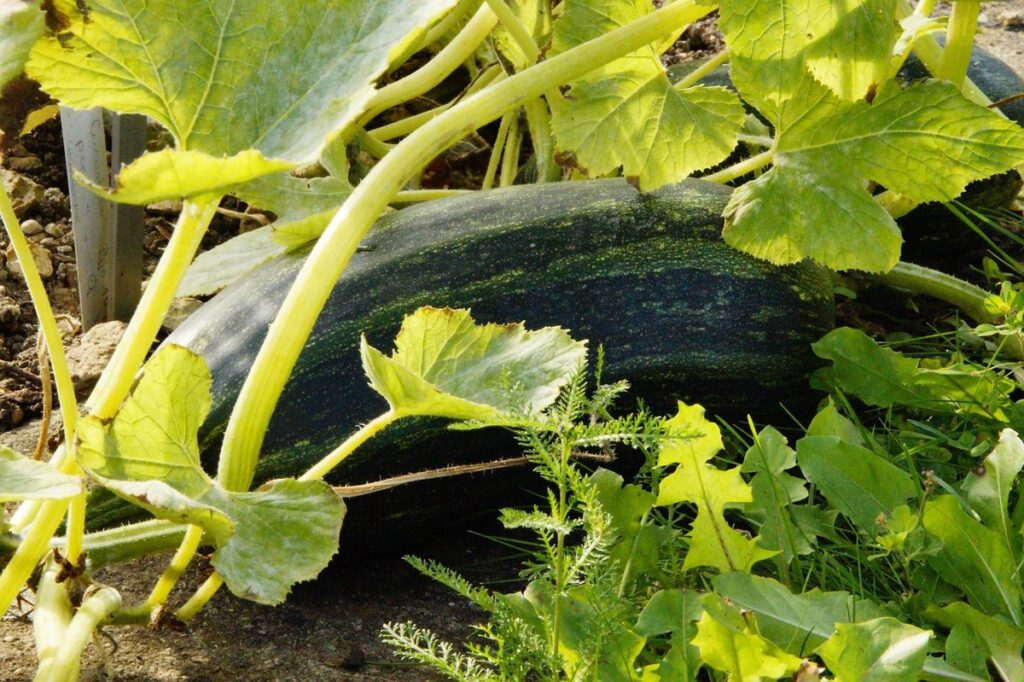
Choosing the Right Variety
When it comes to growing zucchini, selecting the right variety for your climate and needs is crucial. Let’s explore the different types of zucchinis available to find the best fit for you.
Understanding Zucchini Types
When it comes to growing zucchini, understanding the different types available is crucial for achieving success. With over 100 varieties to choose from, selecting the right one can be overwhelming. However, knowing their characteristics will help you make an informed decision.
There are three primary growth habits: bush, vining, and semi-vining. Bush varieties produce multiple smaller zucchinis on compact plants, ideal for small spaces or containers. They tend to yield fewer fruits but are perfect for beginners. Vining types grow long and produce a higher yield of larger zucchinis. Semi-vining varieties fall somewhere in between, offering a balance between the two.
In terms of color, you’ll find green, yellow, and even bi-colored options. Green zucchinis have a more neutral flavor and tender skin. Yellow varieties are sweeter and often preferred for their bright appearance. Bi-colored options offer a mix of both flavors and textures. Consider your taste preferences, available space, and desired yield when selecting a variety.
Selecting Disease-Resistant Varieties
When selecting zucchini varieties, disease resistance is an essential consideration to ensure healthy and productive plants. Powdery mildew and fusarium wilt are two common diseases that can severely impact zucchini yields.
To choose resistant varieties, look for the following traits: powdery mildew (PM) or PM-resistant designations on seed packets or plant labels. These codes indicate that the variety has been bred to resist or tolerate these specific diseases. For example, ‘Costata Romanesco’ and ‘Round Robin’ are two popular zucchini varieties known for their resistance to powdery mildew.
When shopping for seeds, also check if the variety has a built-in tolerance to fusarium wilt (FW). Varieties like ‘Crookneck’ and ‘Straightneck’ have shown good resistance to FW. Keep in mind that while resistant varieties are not completely immune to disease, they can significantly reduce the risk of infection.
Consider your local climate and growing conditions when selecting disease-resistant zucchini varieties. In areas with high humidity or excessive rainfall, powdery mildew is more likely to occur, so prioritize varieties with PM resistance.
Preparing the Soil
Before planting zucchini seeds, it’s essential to prepare the soil for optimal growth and healthy yields. Let’s get started on creating a fertile bed that your zucchini will thrive in!
Soil Testing and pH Levels
Soil testing is an often-overlooked but crucial step in growing healthy zucchinis. Your soil’s pH level can significantly impact your plant’s growth and overall yield. Think of pH levels like the temperature gauge in your car – if it’s too high or too low, you’ll know something’s wrong.
To test your soil’s pH level, you can purchase a DIY kit or send a sample to a laboratory for analysis. Most garden centers offer these services as well. The results will provide you with an exact reading of your soil’s pH level, usually ranging from 0 to 14. A pH between 6.0 and 7.0 is considered optimal for most vegetables, including zucchinis.
If your soil’s pH level falls outside this range, take action accordingly. If it’s too acidic (low pH), add lime to raise the level. Conversely, if it’s too alkaline (high pH), mix in some sulfur or elemental aluminum to lower it. For example, if your test results show a pH of 5.8, you can start by adding a small amount of lime and retesting after several weeks to adjust as needed.
Remember that different varieties of zucchinis may have slightly varying requirements, so keep an eye on your specific plant’s needs throughout the growing season.
Adding Organic Matter
Incorporating compost or well-rotted manure into the soil is an essential step when preparing it for growing zucchini. This process not only improves the fertility of the soil but also enhances its structure, allowing it to retain water and nutrients more efficiently.
To achieve this, you can start by collecting compost from your kitchen waste or purchasing a bag of well-rotted manure from a gardening store. A general rule is to mix in 2-3 inches of compost into the top 6-8 inches of soil. This will provide the necessary nutrients and microorganisms for healthy plant growth.
One important note is that fresh compost can sometimes burn your zucchini plants’ roots if applied in excess. Therefore, it’s crucial to let the compost mature for at least six months before using it. If you’re short on time or don’t have a compost pile, look into buying aged compost specifically designed for gardening.
When mixing in the compost, gently dig it into the soil with a fork to avoid compacting it and preventing proper drainage. This simple yet effective step will give your zucchini plants the foundation they need to thrive throughout their growth cycle.
Sowing Zucchini Seeds
Before sowing zucchini seeds, it’s essential to prepare your soil and understand the ideal conditions for germination. Let’s dive into the specifics of planting these versatile seeds.
Seed Starting Techniques
When starting zucchini seeds indoors, you have several techniques to choose from. One popular method is using seed trays, which provide optimal growing conditions for young seedlings. Fill the tray with a good quality seed starting mix and plant the seeds about 1-2 inches deep. Keep the soil consistently moist but not waterlogged.
Another option is to use peat pots, which are biodegradable containers made from peat moss. Plant the seeds in the potting mix, and when the seedling has two sets of leaves, transplant it into a larger container or directly into the garden.
You can also sow zucchini seeds directly in the garden, but this method is riskier as it’s more susceptible to weather conditions and pests. Sow the seeds about 1 inch deep and 4-6 inches apart in late spring when the soil has warmed up. Keep the soil consistently moist during the germination period.
Regardless of which method you choose, make sure to provide adequate light for your seedlings. Most zucchini varieties require at least 12 hours of direct sunlight per day or 14 hours of supplemental lighting.
Spacing and Planting Depth
When sowing zucchini seeds, it’s essential to consider the optimal spacing and planting depth to ensure healthy growth and prevent overcrowding. For maximum growth potential, space zucchini plants 3-6 feet apart from each other. This allows for proper air circulation, sunlight penetration, and room for the vines to spread out.
Planting your zucchini seeds about 1 inch deep is also crucial. Sowing them too close to the surface can lead to poor germination rates or even fungal diseases. By planting them slightly deeper, you’re giving the seeds a better chance of developing strong roots.
To give you an idea, some popular zucchini varieties have different spacing requirements. For example, ‘Crookneck’ and ‘Straightneck’ types typically thrive in 3-4 feet spacing, while larger bush varieties may need up to 5-6 feet. Remember that overcrowding can lead to a higher risk of disease transmission and reduced yields.
When sowing your zucchini seeds, make sure to check the specific requirements for the variety you’re growing. This will help you achieve optimal growth conditions for your plants.
Providing Optimal Growing Conditions
To grow healthy and productive zucchini, it’s essential that you provide your plants with optimal growing conditions. Let’s dive into the specifics of what your zucchini needs to thrive.
Sunlight and Temperature Requirements
When it comes to growing zucchini, sunlight and temperature play a crucial role in its development. Zucchini is a warm-season crop that thrives in full sun, which means it requires at least 6 hours of direct sunlight per day. This can be achieved by choosing a spot with southern exposure or by providing supplemental lighting if you’re growing indoors.
The ideal temperature range for zucchini growth is between 65-85°F (18-29°C). During this period, the plant will produce its best yield and flavor. If the temperature drops below 60°F (15°C), the plant’s growth may slow down or become stunted. On the other hand, temperatures above 90°F (32°C) can cause the fruit to become bitter and develop off-flavors.
To ensure optimal growing conditions, make sure your zucchini plants receive at least 6 hours of direct sunlight daily. If you’re planting in a shaded area, consider pruning nearby trees or installing a trellis to allow for more sunlight penetration. By providing your zucchini plants with the right amount of sunlight and temperature, you’ll be well on your way to growing delicious and bountiful harvests.
Watering and Mulching Techniques
When it comes to growing zucchini, maintaining consistent moisture levels is crucial for optimal growth. Zucchinis need about 1 inch of water per week, either from rain or irrigation. To ensure this, you can implement a drip irrigation system, which delivers water directly to the roots of the plant. This method not only saves water but also reduces evaporation and runoff.
Using mulch is another effective way to maintain moisture levels and provide other benefits for your zucchini plants. Organic mulches like wood chips or straw help retain soil heat, keeping it warm during cooler months. They also suppress weeds that compete with your zucchinis for nutrients. Apply a 2-3 inch layer of mulch around the base of your plants, leaving a small gap to prevent moisture buildup.
Additionally, mulching can improve soil structure and fertility over time. As organic matter breaks down, it adds beneficial microbes and nutrients to the soil, promoting healthy plant growth. By incorporating these simple techniques into your care routine, you’ll be well on your way to growing robust and productive zucchini plants.
Managing Pests and Diseases
Now that you’ve got a healthy zucchini plant, let’s talk about how to keep those pesky pests and diseases from ruining your harvest. We’ll cover common issues and share effective solutions for maintaining a thriving plant.
Common Zucchini Pests
Zucchinis are susceptible to various pests that can significantly impact their yield and quality. One of the most common zucchini pests is aphids, tiny insects that feed on plant sap, causing curled or distorted leaves. Aphid infestations can lead to the spread of diseases such as powdery mildew and root rot.
Whiteflies are another significant pest problem for zucchinis, feeding on plant sap and spreading viral diseases like squash mosaic virus. These pests thrive in warm temperatures and high humidity, making them more common in regions with Mediterranean climates.
To control aphid and whitefly infestations, consider introducing beneficial insects such as ladybugs or lacewings, which feed on these pests. Neem oil is another effective control method; it can be applied directly to the affected plants or used as a foliar spray to prevent infestations.
Regular monitoring of your zucchini crop is essential to catch pest issues early and prevent them from escalating into major problems. Be sure to inspect your plants regularly, looking for signs of aphids, whiteflies, and other pests.
Preventing and Treating Fungal Diseases
Fungal diseases can be a significant threat to your zucchini crop, causing damage and even death. To prevent these diseases from taking hold, it’s essential to focus on proper air circulation, watering habits, and crop rotation practices.
Firstly, ensure good air circulation around your plants by leaving enough space between them and removing any weeds that may compete for space. This will help prevent moisture from becoming trapped, which is a breeding ground for fungal diseases. You can also use row covers or fine mesh to improve air flow and reduce humidity around the plants.
When it comes to watering, be mindful of overwatering, as this can lead to root rot and other fungal issues. Instead, water your zucchini plants deeply but infrequently to encourage deep root growth. Avoid getting water on the leaves or crown to prevent moisture from accumulating and creating an ideal environment for fungal growth.
Regular crop rotation is another crucial practice in preventing fungal diseases. By rotating your crops annually, you can break the disease cycle and reduce the risk of fungal infections spreading to subsequent plantings.
Harvesting and Storing Zucchini
Now that your zucchinis are ripe, it’s time to learn how to harvest them at their peak flavor and texture, as well as store them for later use. We’ll walk you through the process step by step.
Identifying Perfectly Ripe Zucchinis
When it comes to harvesting zucchinis, timing is everything. You’ll want to pick them at the perfect stage of ripeness to ensure they’re tender and flavorful. So, how do you know when a zucchini is perfectly ripe? Start by checking the skin – it should be glossy and smooth. Avoid any with soft spots or bruises.
Another easy way to check for readiness is to gently twist the stem. If it comes off easily, the zucchini is likely ready to harvest. Be careful not to pull too hard, as this can damage the plant. Some gardeners also swear by checking the weight of the zucchini – a perfectly ripe one should feel heavy for its size.
Remember, zucchinis are ready to pick when they’re between 6-8 inches long and about an inch in diameter. If you miss the mark and end up with an unripe or overripe zucchini, it’s not the end of the world. Simply use them accordingly – unripe ones will cook down quickly, while overripe ones are perfect for baking or grilling.
Keep an eye on your plants regularly to catch those perfectly ripe zucchinis before they’re too big. Regular harvesting will also encourage your plant to produce even more fruit throughout the season.
Tips for Long-Term Storage
When it comes to storing zucchinis for an extended period, proper storage techniques can make all the difference. The goal is to maintain freshness and prevent spoilage, which can be achieved by following a few simple steps.
Firstly, choose a cool, well-ventilated area with a consistent temperature between 32°F (0°C) and 50°F (10°C). Avoid storing zucchinis near direct sunlight or heat sources. This will help slow down the ripening process and prevent moisture buildup.
For short-term storage, you can store zucchinis in a sealed container or plastic bag at room temperature for up to 3 days. However, for longer periods, it’s recommended to refrigerate them. Place them in a breathable bag or wrap them individually with paper towels to absorb excess moisture.
To further extend their shelf life, consider the following tips: remove any blossoms or leaves that may cause moisture buildup; store zucchinis away from strong-smelling foods, as they can absorb odors easily; and check on them regularly to ensure they remain fresh. By implementing these storage techniques, you’ll be able to enjoy your homegrown zucchinis for a longer period.
Frequently Asked Questions
How often should I water my zucchini plants?
Water your zucchini plants when the top inch of soil feels dry to the touch, usually every 2-3 days during hot weather. Avoid overwatering, which can lead to fungal diseases. Keep in mind that moisture levels may vary depending on climate and soil type.
Can I grow zucchini in containers or do I need a large garden bed?
Yes, you can grow zucchini in containers! Choose compact bush varieties like ‘Round Robin’ or ‘Bush Pickle’, and make sure the container is at least 6-8 inches deep to accommodate the plant’s root system. Use well-draining potting mix and a trellis for support.
How do I prevent common pests like squash bugs and powdery mildew?
To prevent squash bugs, use row covers or fine-mesh screens to keep them away from your plants. For powdery mildew, remove infected leaves, improve air circulation, and treat with neem oil or baking soda solution (1 tablespoon per gallon of water). Regularly inspect your plants for signs of infestation.
Can I grow multiple zucchini varieties together in the same bed?
It’s possible to grow multiple zucchini varieties together, but be aware that some may cross-pollinate and reduce yields. If you’re growing different types for specific cooking purposes, separate them by at least 10 feet to prevent contamination.
How do I store zucchinis long-term without losing their flavor and texture?
To store zucchinis long-term, follow these steps: harvest when mature but still firm; clean and dry thoroughly; wrap in breathable paper or cloth to maintain humidity; store in a cool, dark place (around 50°F/10°C). For longer storage, consider freezing or pickling the zucchinis.