
If you’re short on space but big on flavor, growing zucchinis is a great way to get started with small-space gardening. These versatile vegetables are perfect for tiny gardens, balconies, or even indoor containers. Not only do they thrive in compact spaces, but they also produce an abundance of fruit – and we mean a LOT of fruit! However, successfully growing zucchinis in small spaces requires some planning and attention to detail.
In this article, we’ll take you through the essential steps for growing zucchinis in tight spots. We’ll cover how to choose the right variety for your space, prepare it for optimal growth, and manage common pests and diseases that can ruin a harvest. By following these simple tips, you’ll be enjoying fresh, homegrown zucchini in no time – even if you have limited space.
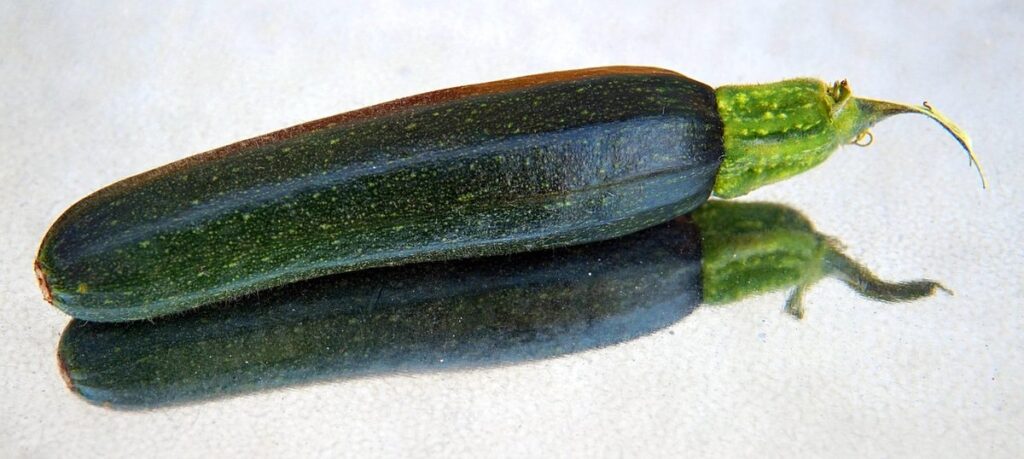
Choosing the Right Variety
When growing zucchini in small spaces, selecting a compact or bush-type variety is crucial to ensure you get the most out of your limited space. Let’s explore your options for the best varieties to try.
Understanding Zucchini Types
When it comes to growing zucchinis in small spaces, selecting the right variety is crucial. There are several types of zucchinis that are specifically designed for compact growth and container-friendliness.
Bush varieties are a great option for small spaces as they produce smaller fruit and have a more compact growth habit, making them perfect for containers or tight spaces. ‘Round Robin’ and ‘Baby Boo’ are two popular bush varieties that thrive in small areas.
Compact vines are another excellent choice for growing zucchinis in small spaces. These varieties are bred to be more compact than standard zucchini vines but still produce a good crop of fruit. ‘Crookneck’ and ‘Straightneck’ are two examples of compact vine varieties that work well in small gardens or containers.
For container-friendly options, look for varieties with a high yield and compact growth habit. ‘Costata’ and ‘Romanesco’ are two popular choices that produce a high volume of fruit and can thrive in even the smallest of spaces.
Selecting Varieties for Your Space
When selecting varieties for your small space zucchini growing project, it’s essential to consider the specific conditions you have available. Think about how much sunlight your area receives – do you have a spot that gets full sun (at least 6 hours of direct sunlight) or partial shade? Some zucchini varieties are more tolerant of shade than others, so if your space is partially shaded, look for compact or bush-type varieties.
Next, consider the soil type in your growing area. Zucchini can thrive in a variety of soils, but some do better in well-draining conditions, while others prefer richer, more fertile soil. If you’re working with clay-heavy or sandy soil, choose varieties that are bred to perform well in those conditions.
Finally, take into account the climate where you live. Some zucchini varieties are specifically designed for cooler or warmer climates, so make sure to select one that’s suitable for your region. Check seed packets or consult with local gardening experts to determine which varieties will do best in your specific area.
Tips for Growing Dwarf or Bush Zucchinis
When growing dwarf or bush zucchinis in small spaces, it’s essential to maximize their potential by using space-saving cultivation methods and pruning techniques. Start by choosing a compact variety that grows to about 1-2 feet in diameter, perfect for containers or tiny gardens.
To encourage bushy growth and prevent the plant from sprawling, prune it regularly. Pinch off tips of new stems when they reach 6-8 inches long, encouraging side shoots to form instead. This will not only save space but also promote more fruiting.
For optimal growth in small spaces, use a trellis or obelisk to provide support for the plant’s vigorous growth. Train the stems to climb up the structure by gently twining them around it. This will keep the plant upright and make harvesting easier.
In addition to pruning and support, make sure your dwarf zucchini has full sun (at least 6 hours of direct sunlight) and well-draining soil to thrive. Water regularly but avoid overwatering, which can lead to root rot in these compact varieties.
Preparing Your Small Space
Before you start planting, let’s talk about preparing your small space for zucchini growth. This is where we’ll cover essential tips to optimize your growing area.
Assessing Your Gardening Conditions
Before planting zucchinis in your small space, it’s essential to assess your gardening conditions. This will help you determine the best spot for optimal growth and maximize your harvest.
First, consider sunlight exposure. Zucchinis need full sun to partial shade, with at least 6 hours of direct sunlight per day. If your space receives less sunlight, you can still grow zucchinis but be prepared for a lower yield or slower growth rate. Take note of the time of year and potential shading from nearby buildings or trees.
Next, evaluate your soil quality. Zucchinis prefer well-draining, rich soil with a pH between 6.0 and 7.0. Test your soil to determine its nutrient levels and adjust accordingly. You can add organic matter like compost or manure to improve soil fertility.
Lastly, consider wind protection. Zucchinis are sensitive to strong winds, which can damage leaves and stems. Choose a spot with some natural windbreaks or install a trellis for support. Ensure your zucchini plants receive 2-3 feet of clearance around them to prevent overcrowding.
Creating a Zucchini-Friendly Soil Mix
When growing zucchinis in small spaces, having the right soil mix is crucial for their optimal growth and development. Most store-bought potting mixes are lacking in organic matter, which can lead to nutrient deficiencies and reduced yields.
To create a zucchini-friendly soil mix, start by adding 20-30% compost or well-rotted manure to your potting mix. This will provide the necessary nutrients, improve soil structure, and support beneficial microbial activity. You can also add 10-15% worm castings for an extra boost of nutrients.
Keep in mind that zucchinis prefer slightly acidic to neutral soil pH (around 6.0-7.0). If your potting mix has a high pH level, you may need to adjust it by adding elemental sulfur or aluminum sulfate. A simple test kit will help you determine the pH level of your soil.
Remember to repot your zucchinis every 1-2 weeks as they grow, and refresh the soil mix with new compost to maintain optimal nutrient levels. This will ensure that your plants continue to thrive in their small space garden.
Container Gardening Essentials
When it comes to growing zucchinis in small spaces, container gardening is an excellent option. To get started, you’ll need to choose the right containers for your plants. Look for containers that are at least 6-8 inches deep and have good drainage holes to prevent waterlogged soil. You can use plastic pots, wooden planters, or even hanging baskets – just make sure they’re large enough to accommodate the mature size of the zucchini plant.
Another essential component of container gardening is providing support for your plants. Zucchinis are climbing vines that need something to climb on, so consider using a trellis or other support system to keep them upright and encourage vertical growth. This will also help prevent the fruit from touching the ground and rotting.
Watering and nutrient management are critical in container gardens. Make sure your containers have good drainage holes to prevent waterlogged soil, and use a well-balanced fertilizer to provide your plants with the nutrients they need. Water your zucchinis when the top inch of soil feels dry to the touch, and fertilize every 1-2 weeks during the growing season.
Planting and Caring for Zucchini
When it comes to growing zucchini in small spaces, planting and caring for these prolific plants is key. Let’s dive into some essential tips for getting your zucchini crop off to a strong start.
Sowing Seeds in Small Spaces
When sowing seeds in small spaces, every inch counts. To maximize space and minimize waste, start by preparing the soil in a way that allows for optimal growth. If you’re sowing directly into containers or raised beds, make sure they have good drainage holes to prevent waterlogged soil.
To save space, consider using a square foot gardening layout, where seeds are spaced about 1-2 inches apart within each square foot. This technique is particularly effective in small spaces like balconies or rooftops. For a more compact approach, try using vertical planters or trellises that allow zucchini vines to climb upwards, freeing up floor space.
When sowing seeds directly into small spaces, use a small trowel or your fingers to create shallow holes about 1 inch deep. Plant one or two seeds per hole, depending on the variety and desired spacing. Cover with soil, firm gently, and keep the soil consistently moist until germination. By choosing compact varieties or using space-saving techniques, you can successfully grow zucchini in even the smallest of spaces.
Transplanting Seedlings into Containers
When transplanting seedlings from seed trays or cell packs into containers for growing zucchini in small spaces, it’s essential to ensure they have enough room to grow. Check the container size and make sure it has drainage holes to prevent waterlogged soil.
To start, gently remove the seedling from its tray or cell pack by sliding a fork under the plant, taking care not to damage any of the roots. If the roots are circling, use your fingers or a blunt instrument to loosen them. Next, place the seedling in the container and fill the surrounding soil up to the base of the leaves.
Water thoroughly after transplanting and provide partial shade for a few days to prevent shock. Keep the soil consistently moist but not waterlogged, as zucchini seedlings are susceptible to overwatering. If necessary, use a trellis or cage to support the plant’s growth in small spaces, taking care not to overcrowd it.
Watering and Feeding Your Zucchinis
When it comes to watering and feeding your zucchinis in small spaces, getting it right can make all the difference. Overwatering is a common mistake that can lead to root rot and other problems, while underwatering can cause stunted growth.
Use drip irrigation systems to deliver water directly to the roots of your plants, reducing evaporation and runoff. This is especially useful for zucchinis, which have a deep taproot system. Set up a timer to ensure consistent moisture levels throughout the day.
For fertilizing, opt for organic options like compost tea or worm castings. These natural substances release nutrients slowly as they break down, promoting healthy growth without burning your plants’ roots. You can also use balanced, water-soluble fertilizers at half the recommended strength to avoid overfertilizing.
Monitor your soil’s moisture levels regularly and adjust watering accordingly. Aim for about 1-2 inches of water per week, either from rain or irrigation. By striking the right balance with watering and feeding, you’ll be on your way to a bountiful harvest in no time!
Managing Pests and Diseases
Growing zucchini in small spaces can be challenging, but managing pests and diseases is crucial to a healthy crop. We’ll cover common issues and offer practical tips for keeping your plants thriving.
Common Pests Affecting Zucchinis
When growing zucchinis in small spaces, it’s essential to be aware of common pests that can damage your plants. Aphids, whiteflies, and squash bugs are among the most prevalent threats to zucchini health in compact gardens.
Aphids, for instance, are tiny, soft-bodied insects that feed on plant sap, weakening the plant over time. Whiteflies, on the other hand, lay eggs on the underside of leaves, which then hatch into larvae that pierce the leaf tissue to suck out its fluids. Squash bugs, meanwhile, secrete a toxic substance that causes wilting and yellowing in infected plants.
To manage these pests organically, start by inspecting your zucchinis regularly for signs of infestation. Use neem oil or insecticidal soap to control aphid populations, and introduce natural predators like ladybugs or lacewings to combat whiteflies. For squash bugs, try using row covers or hand-picking them off the plants at night when they’re most active.
Remember, prevention is key in managing pests effectively. By choosing resistant varieties, maintaining good garden hygiene, and introducing beneficial insects, you can reduce the risk of infestation and enjoy a healthy crop of zucchinis even in small spaces.
Preventing and Treating Fungal Diseases
Fungal diseases are one of the most common issues you’ll face when growing zucchinis, especially in small spaces where moisture and humidity can be a challenge. These diseases can weaken your plants and even lead to crop loss if left unchecked. The main causes of fungal diseases in zucchinis include overwatering, poor air circulation, high humidity, and contaminated soil.
To prevent fungal diseases, make sure to provide good air circulation around your plants by keeping them at least 6-8 inches apart. Water your zucchinis at the base rather than getting the leaves wet, and avoid overhead watering. Also, ensure that your soil has good drainage properties to prevent waterlogged conditions. If you’re growing in containers, use a well-draining potting mix specifically designed for vegetables.
Some effective natural remedies for treating fungal diseases include neem oil, garlic spray, and bicarbonate solutions. To make a neem oil spray, mix 2 tablespoons of neem oil with 1 quart of water and spray it on the affected area. For a garlic spray, blend 3 cloves of garlic with 1 quart of water and let it sit for 24 hours before straining and spraying. These remedies can help control fungal diseases and prevent further damage to your zucchini plants.
Harvesting Your Zucchinis
Now that your zucchini plants are thriving, it’s time to reap the rewards of your hard work and learn how to harvest these delicious summer squash at their peak. We’ll cover everything you need to know!
Timing Your Harvest
When it comes to harvesting zucchinis in small spaces, timing is everything. Not only does it ensure optimal flavor and texture, but it also helps prevent over-production and reduces the risk of pests and diseases. To determine when to harvest, check for a few key signs: the zucchini should be between 6-8 inches long and 1-2 inches in diameter.
Weather conditions also play a significant role in timing your harvest. Avoid harvesting during extreme weather – either too hot or too cold – as this can affect the quality of the fruit. Instead, plan to harvest in the early morning or late afternoon when temperatures are milder. Additionally, consider the plant’s maturity stage. For compact varieties, wait until they’re around 5-6 inches long before harvesting regularly. This will encourage continuous production and prevent the plant from becoming too leggy.
In general, it takes about 35-45 days for zucchinis to mature after sowing seeds. Keep an eye on your plants and check for harvest readiness every few days.
Tips for Extending the Harvest Season
Extending the harvest season of your zucchinis is a game-changer for small-space gardeners. By implementing a few simple techniques, you can enjoy a longer yield and make the most of your space.
One effective method is to regrow cut vines. Instead of discarding spent vines, simply trim them back to about 6 inches from the main stem. Leave a few sets of leaves intact, and water thoroughly. Within a week or two, new shoots will emerge from the node (the joint where the leaf meets the stem). These new growths can be trained onto a trellis or left to cascade over the edges of your container.
This method not only extends harvest season but also allows you to grow multiple crops in succession. For example, if you’re growing zucchinis in a 5-gallon bucket, you can train new shoots from one plant to the side of the pot, effectively creating two plants in one space.
Frequently Asked Questions
Can I grow zucchini in a container with poor soil quality?
Yes, you can still grow zucchinis in containers with poor soil quality by using a high-quality potting mix specifically designed for containers and following the tips for creating a zucchini-friendly soil mix. Add organic matter like compost or well-rotted manure to improve soil structure and fertility.
How often should I water my compact zucchini plants?
Water your compact zucchini plants when the top 1-2 inches of soil feels dry to the touch. This is usually every 1-2 days during hot weather, depending on the container size and the variety you’re growing. Make sure not to overwater, as this can lead to root rot.
What if I don’t have a balcony or patio – can I still grow zucchini indoors?
Yes, you can grow zucchinis indoors in containers using a south-facing window or under grow lights. Choose compact or bush varieties that are specifically designed for container growth and follow the same care instructions as outdoor plants. Keep in mind that indoor plants may require more frequent watering due to reduced light.
Can I grow multiple zucchini plants together in one container?
Yes, you can grow multiple zucchini plants together in a single container, but make sure they have enough space (about 6-8 inches apart) and are not competing for resources. This technique is called “intercropping” or “companion planting.” Be aware that larger fruit may get crowded out by smaller ones.
How do I prevent my zucchini plants from becoming too leggy?
To prevent your zucchini plants from becoming too leggy, provide them with adequate support using trellises, stakes, or cages. Regular pruning also helps maintain a bushy growth habit. You can remove lower leaves to promote horizontal growth and encourage fruiting on the plant’s main stem.