
Are you ready to indulge in the sweet taste of homegrown cherries? The Bing cherry tree is one of the most popular varieties, prized for its large, juicy fruit and stunning beauty. But have you ever thought about growing your own Bing cherry tree from scratch? With our expert guide, you’ll learn everything you need to know to successfully grow, care for, and harvest this beloved tree. From its rich history to essential growing tips, pruning techniques, and pest management strategies, we’ve got you covered. Whether you’re a seasoned gardener or just starting out, this article will walk you through the process of cultivating your own Bing cherry tree, so you can enjoy fresh cherries right in your own backyard.
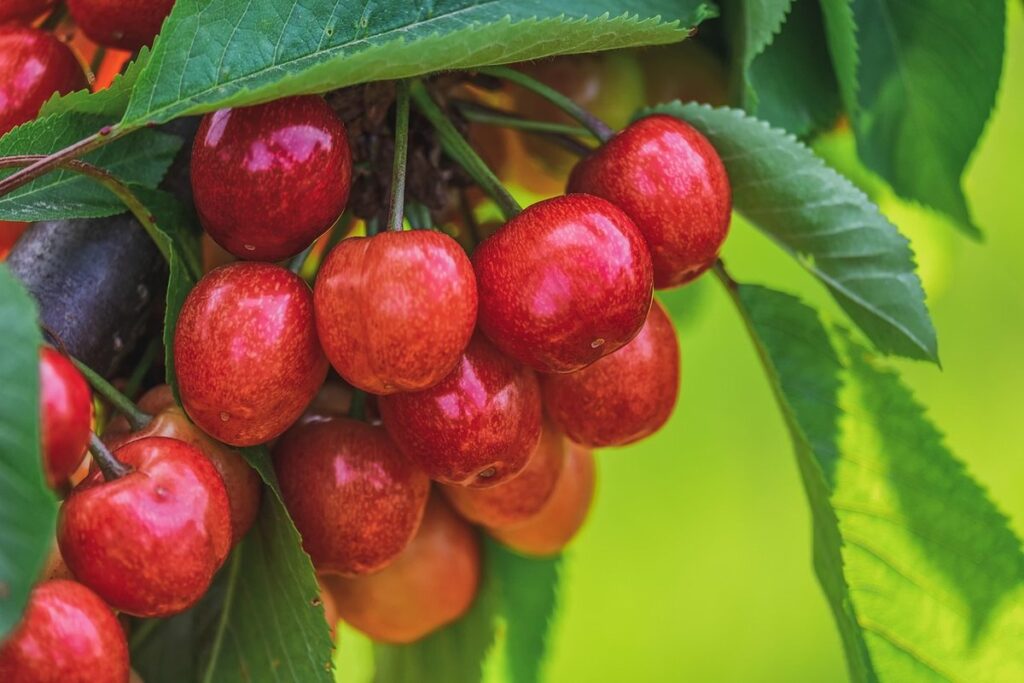
History and Origins of the Bing Cherry Tree
The story of the Bing cherry tree begins over a century ago, when a chance discovery by a Washington State orchardist forever changed the world of cherries. Let’s dive into its fascinating history.
Introduction to the Bing Cherry Variety
The Bing cherry tree is one of the most widely cultivated and popular varieties of sweet cherries worldwide. Its development can be attributed to the efforts of a nurseryman named H.R. Burgess from California. In 1872, he discovered an outstanding seedling that would eventually become the famous Bing cherry.
This exceptional tree caught the attention of Luther Burbank, a renowned horticulturist who further cultivated it at his experimental farm in Santa Rosa, California. Through careful selection and grafting, Burbank refined the variety to produce trees with consistently large, dark red cherries. The resulting fruit boasted an exceptionally sweet flavor and firm texture.
The Bing cherry tree was officially introduced to the market in 1894 by Burgess’s colleague, Luther Burbank. Its popularity grew rapidly as growers and consumers alike fell in love with its exceptional taste and high yields. Today, the Bing cherry remains a prized variety among orchardists due to its easy cultivation requirements and long shelf life.
Since its introduction, the Bing cherry tree has undergone several improvements through selective breeding programs aimed at increasing disease resistance and tolerance to environmental stresses.
Characteristics of the Original Bing Cherry Trees
When you think of original Bing cherry trees, it’s essential to know what sets them apart from other varieties. These trees are known for their upright growth habit, typically reaching heights between 15 and 25 feet. This compact size makes them ideal for smaller orchards or home gardens. The tree’s crown is also relatively narrow, with a broad, rounded shape that’s not too dense.
The original Bing cherry trees produce fruit that’s medium-sized, often measuring around 1 inch in diameter. The skin of the fruit is thin and reddish-purple, which is partially responsible for its sweet-tart flavor profile. One notable characteristic of these trees is their high level of disease resistance. They are generally more resilient to common cherry tree diseases like powdery mildew and black knot.
In terms of growth habits, original Bing cherry trees tend to be self-fertile, meaning they don’t require cross-pollination with another variety to produce fruit. This trait makes them a convenient choice for gardeners who want a hassle-free experience. Overall, the unique combination of their growth habits and fruit production has made original Bing cherry trees a popular choice among cherry enthusiasts.
Growing and Caring for Bing Cherry Trees
To grow a thriving Bing cherry tree, you’ll want to focus on providing optimal growing conditions and regular care, including pruning and fertilization. With these tips, you can enjoy a healthy harvest in no time!
Choosing the Right Location for Your Bing Cherry Tree
When choosing a location for your Bing cherry tree, several factors come into play. Climate is one of the most crucial considerations, as Bing cherry trees thrive in temperate regions with cool winters and warm summers. They can tolerate temperatures as low as 10°F (-12°C) but may not perform well in areas with extremely hot or cold temperatures.
Soil quality is also essential for your tree’s health. Bing cherry trees prefer well-draining soil with a pH between 6.0 and 7.0. Avoid planting in areas prone to waterlogging, as this can lead to root rot and other problems.
Sunlight requirements are another key consideration. Bing cherry trees need full sun to produce fruit, so select a location that receives at least six hours of direct sunlight per day. Also, ensure the area is protected from harsh winds, which can damage the tree’s branches and reduce its ability to pollinate.
By considering these factors, you can choose the perfect location for your Bing cherry tree and set it up for success.
Planting and Watering Techniques for Optimal Growth
When planting your Bing cherry tree, it’s essential to follow specific techniques to ensure optimal growth and fruit production. Start by choosing a location with full sun (at least six hours of direct sunlight) and well-draining soil. Dig a hole that is about twice as wide and just as deep as the root ball of the tree.
Space your Bing cherry tree about 15-20 feet away from other trees or structures to allow for proper air circulation and growth. This will also make it easier to prune and maintain the tree in the future. As you plant, gently remove any burlap or packaging around the roots and spread them out evenly within the hole.
Water your Bing cherry tree thoroughly after planting, but avoid overwatering which can lead to root rot and other issues. A regular watering schedule is crucial for healthy growth, especially during its first year. Aim to provide about 1 inch of water per week, either through rain or irrigation. During hot summer months, increase the frequency to ensure your tree receives adequate moisture. By following these planting and watering techniques, you’ll be well on your way to growing a thriving Bing cherry tree.
Pruning and Training the Bing Cherry Tree
Proper pruning and training are crucial for maintaining your Bing cherry tree’s shape, promoting healthy growth, and encouraging maximum fruit production. Let’s dive into these essential steps together!
Importance of Regular Pruning for Your Bing Cherry
Regular pruning is essential for maintaining a healthy and productive bing cherry tree. Without regular pruning, the tree’s structure can become overgrown, leading to reduced fruit production and increased susceptibility to disease. Pruning also promotes air circulation, allowing sunlight to reach all areas of the tree, which is critical for photosynthesis.
When you prune your bing cherry tree regularly, you encourage new growth, stimulate fruiting wood development, and maintain a balanced canopy shape. This, in turn, enhances overall tree health and ensures that it continues to thrive year after year. Prune during the dormant season, typically late winter or early spring, when the tree is less stressed.
Remember to remove any dead, diseased, or damaged branches as soon as possible. This will prevent the spread of disease and encourage healthy growth. Make clean cuts using sharp pruning tools, and aim for a 45-degree angle cut just above an outward-facing bud. By incorporating regular pruning into your bing cherry tree care routine, you’ll enjoy a more productive and resilient tree that rewards you with delicious fruit season after season.
Techniques for Pruning and Training Young Trees
When pruning and training young Bing cherry trees, it’s essential to establish a strong structure that will support healthy growth and fruiting. For the first few years, focus on developing an open center system or central leader, depending on your desired tree shape.
To maintain an open center system, prune the tree to create multiple leaders, usually two or three, which will grow outward from the trunk at a 45-degree angle. This will encourage horizontal growth and promote air circulation, reducing disease risk. For example, if you have two strong branches growing in opposite directions, consider pruning them back by about one-third to maintain balance.
To develop a central leader, choose the strongest branch as the main trunk and prune it to maintain a vertical growth habit. Remove any weak or crossing branches that may compete for water and nutrients. This approach will help create a straight, columnar tree shape with a clear leader.
Regular pruning during the first few years will also encourage root development and overall health, making your Bing cherry tree more resilient to pests and diseases.
Pest and Disease Management
To ensure a healthy bing cherry tree, it’s essential to be aware of common pests and diseases that can affect your tree, as well as how to prevent and treat them. We’ll walk you through the most prevalent threats.
Common Pests Affecting Bing Cherry Trees
Bing cherry trees can be susceptible to various pests that can cause significant damage if left unchecked. One of the most common pests affecting Bing cherry trees is the aphid. These tiny insects feed on plant sap, causing curled or distorted leaves and stunted growth. To manage aphids, prune infested areas, and spray water or insecticidal soap to dislodge them.
Codling moths are another significant pest targeting Bing cherry trees. Their larvae can be identified by their distinctive feeding holes in fruit, often with a brownish-colored droppings nearby. Prevent codling moth infestations by using row covers or pheromone traps, and inspect your trees regularly for signs of damage.
Spider mites are also common pests affecting Bing cherry trees, especially during hot and dry weather conditions. These tiny arachnids feed on plant sap, causing yellowing leaves and fine webbing on stems. Manage spider mite infestations by spraying water to dislodge them and using miticides if necessary.
Regular monitoring of your Bing cherry tree is essential in detecting these pests early on, allowing for effective management and prevention measures.
Managing Diseases in Your Bing Cherry Orchard
Managing diseases in your Bing cherry orchard is crucial to maintain fruit quality and yield. Powdery mildew, brown rot, and root rot are common issues that can impact your tree’s health.
Powdery mildew causes white powder-like growth on leaves, stems, and fruit, while brown rot appears as small brown spots or lesions on the fruit surface. Root rot is often a result of poor drainage, causing roots to decay and affecting the entire tree’s health. Regular monitoring and pruning can help identify these issues early on.
To manage powdery mildew, use fungicides at the first sign of infection. For brown rot, remove infected fruit immediately and improve air circulation around trees. Root rot requires more drastic measures: adjust soil drainage by raising the bed or adding organic matter to improve aeration.
It’s essential to implement integrated pest management (IPM) strategies that combine cultural, physical, chemical, and biological controls. This includes maintaining a clean orchard floor, monitoring weather conditions, and practicing good sanitation techniques to reduce disease risk.
Harvesting and Storing Bing Cherries
When it comes time to harvest your bing cherry crop, you’ll want to know how to pick the fruit at its peak flavor and quality, as well as store them properly for maximum enjoyment. Let’s dive into the specifics of harvesting and storing bing cherries!
Timing the Harvest for Optimal Quality
When it comes to harvesting Bing cherries, timing is everything. You want to pick them at the peak of ripeness to ensure optimal quality and flavor. One way to determine if your Bing cherries are ready to be harvested is by checking their color. A ripe Bing cherry will have a deep red or reddish-purple skin, with a slight sheen to it. However, don’t rely solely on color – firmness and sugar content are also important factors.
To check for firmness, gently squeeze the fruit between your thumb and index finger. Ripe Bing cherries should be slightly soft to the touch but still firm enough to hold their shape. As for sugar content, a ripe Bing cherry will have a sweet-tart flavor. If it tastes too sour or bland, it’s not yet ready.
In general, Bing cherries are ready to harvest around late July to early August, depending on your location and climate. Keep in mind that the exact timing may vary from year to year and even within the same tree. To ensure you’re picking at the peak of ripeness, consider monitoring your tree’s progress closely over several weeks and harvesting a few cherries daily as they reach optimal quality.
Storage Techniques for Fresh and Frozen Fruit
When it comes to storing your freshly harvested Bing cherries, proper technique is crucial to maintaining their flavor and texture. To keep them fresh for as long as possible, choose airtight containers that allow for airflow, such as glass or plastic containers with mesh lids. Store the cherries in a cool, dark place like a pantry or cupboard.
If you’re looking to enjoy your Bing cherries throughout the year, freezing is an excellent option. To freeze Bing cherries, rinse them gently and pat dry with a clean towel. Then, spread them out on a baking sheet lined with parchment paper and place it in the freezer until they’re frozen solid. Transfer the frozen cherries to an airtight container or freezer bag for long-term storage.
For canning enthusiasts, Bing cherries are ideal for jam-making, preserves, and even pies. Follow safe canning practices to ensure that your creations remain shelf-stable for months to come. Be sure to use a tested recipe and follow guidelines from trusted sources like the USDA’s Complete Guide to Home Canning.
When storing frozen or canned Bing cherries, it’s essential to label them properly so you know what they are and how long they’ve been stored. This will help prevent accidental consumption of spoiled or improperly stored fruit.
Frequently Asked Questions
Can I grow a Bing cherry tree from seed, or is grafting the best method?
While it’s technically possible to grow a Bing cherry tree from seed, this method can be unpredictable and may not yield fruit that resembles the original variety. Grafting, on the other hand, ensures that your tree will produce high-quality cherries with consistent characteristics. If you do choose to start from seed, be prepared for potentially longer growth times and varying results.
How often should I water my Bing cherry tree during its first year of growth?
Young trees need consistent moisture, especially during their first year. Water your Bing cherry tree regularly, but avoid overwatering, which can lead to root rot. Aim for about 1 inch of water per week, either through rain or irrigation. Mulch around the base will also help retain moisture and regulate soil temperature.
Can I prune my Bing cherry tree during the winter months, or should I wait until spring?
Yes, pruning your Bing cherry tree during the dormant season (winter) is a great time to shape its structure and promote healthy growth. Avoid making severe cuts that can stress the tree, but remove any dead, diseased, or damaged branches. Pruning in the spring will help direct new growth, so consider combining both winter and spring pruning for optimal results.
How do I know when my Bing cherry tree is mature enough to produce fruit?
A healthy Bing cherry tree typically takes around 2-5 years to mature after planting, with some varieties producing fruit within a year. Look for signs of ripening, such as changes in color or softening of the fruit. Be patient and remember that factors like weather conditions, soil quality, and pest/disease management can impact your tree’s productivity.
Are there any specific pests or diseases I should be aware of when growing Bing cherry trees?
Yes, common pests affecting Bing cherry trees include aphids, spider mites, and borers. Regularly inspect your tree for signs of infestation and use integrated pest management techniques to minimize chemical use. Common diseases include powdery mildew, brown rot, and scab. Practice good sanitation, remove infected branches, and apply fungicides as needed to maintain a healthy orchard.