
Wisteria vines are a sight to behold, with their stunning cascading blooms that transform any garden or outdoor space into a serene oasis. But growing these gorgeous flowers can be a challenge, especially for beginners. That’s why we’ve put together this comprehensive guide on how to grow, care, and propagate wisteria vines. Whether you’re a seasoned gardener or just starting out, our tips and tricks will walk you through the process of cultivating these beautiful plants from seed to maturity. In this article, we’ll cover essential topics like pruning, training, and troubleshooting common issues that often plague wisteria vine enthusiasts. By the end of it, you’ll be well-equipped with the knowledge to grow your own thriving wisteria vines and enjoy their breathtaking beauty for years to come.
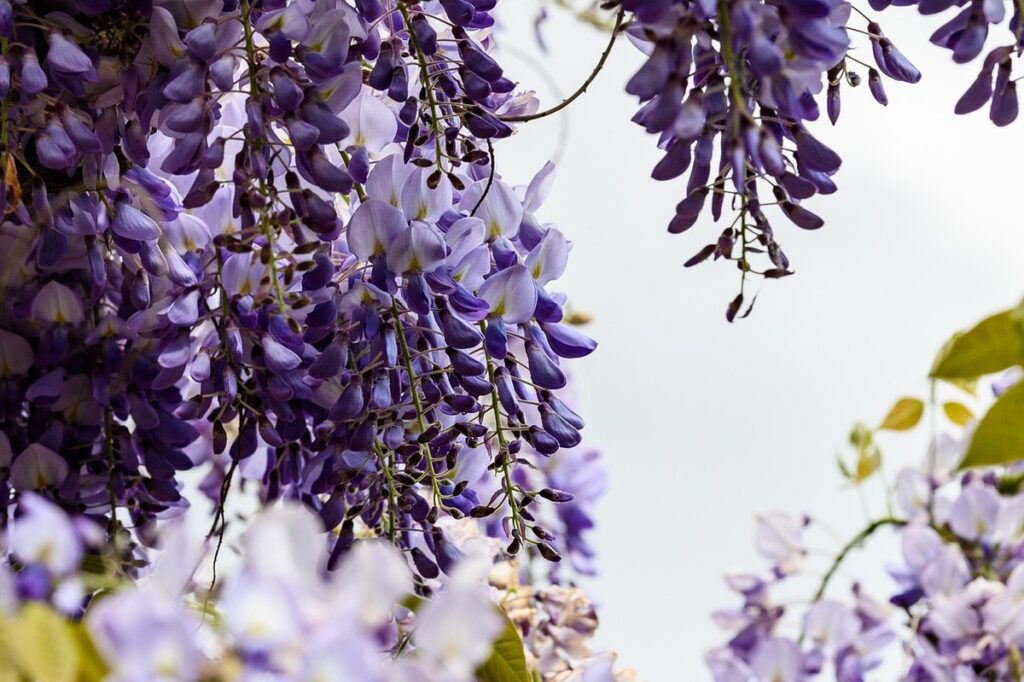
What is Wisteria?
As we delve into the world of wisteria, let’s start by understanding what makes this flowering vine so unique and beloved by gardeners worldwide. Here’s a closer look at its fascinating history and characteristics.
Characteristics of Wisteria Vines
Wisteria vines are known for their stunning beauty and ability to thrive in a variety of environments. Physically, wisteria vines are characterized by their long, twining stems that can grow up to 10 feet or more in a single season. They have large, pea-like flowers that range in color from vibrant purples and blues to delicate whites and pinks.
When it comes to growth habits, wisteria vines are considered vigorous growers and can quickly overwhelm other plants if not properly pruned. However, with regular maintenance, they can be trained to climb up trellises or pergolas, creating a stunning display of flowers in the spring. There are several varieties of wisteria, including Japanese Wisteria (Wisteria floribunda), American Wisteria (Wisteria frutescens), and Chinese Wisteria (Wisteria sinensis). Each variety has its own unique characteristics and growing requirements.
In terms of maintenance, it’s essential to prune your wisteria vine regularly to promote healthy growth and encourage blooming. Prune in late winter or early spring, cutting back long stems to about half their length. This will help control the plant’s size and direct its energy towards producing blooms.
History and Cultural Significance
Wisteria has been an integral part of human culture for centuries, with its significance varying across different regions and time periods. In ancient China, wisteria was considered a symbol of resilience and hope due to its ability to thrive in harsh environments. Chinese art often featured the flower as a motif, reflecting its importance in the country’s rich cultural heritage. The plant’s beauty also caught the attention of 19th-century European gardeners, who introduced it to their gardens as an exotic addition.
In Japan, wisteria is revered for its stunning cascading blooms, which are considered a manifestation of natural beauty. Japanese artists often incorporate the flower into their designs, using it as a symbol of the fleeting nature of life. In many Asian cultures, wisteria flowers are also used in traditional medicine and perfumes.
Today, wisteria remains a popular choice for gardeners worldwide due to its unique appearance and fragrance. Its ability to thrive in diverse climates has made it an adaptable addition to gardens across different continents.
Growing Wisteria: Tips for Beginners
If you’re new to growing wisteria, don’t worry, we’ve got you covered. In this section, we’ll share some essential tips and tricks to help you get started with cultivating these beautiful vines.
Choosing the Right Location
When choosing the right location for your wisteria vine, it’s essential to consider its specific needs. Wisteria prefers full sun to partial shade, so select a spot that receives at least 6 hours of direct sunlight per day. However, be cautious not to expose it to intense midday sun, which can cause scorching.
In terms of soil conditions, wisteria thrives in well-draining, fertile soil with a pH between 5.5 and 7.0. Avoid planting it in areas prone to waterlogging or standing water, as this can lead to root rot. If your soil is heavy clay or sandy, amend it with compost or organic matter to improve its structure.
Consider the mature size of your wisteria vine when selecting a location. These plants can grow up to 30 feet tall and wide, so choose a spot that provides enough space for them to expand without encroaching on nearby structures. Additionally, take into account any nearby power lines or trees that could potentially interfere with your vine’s growth.
Planting and Watering Techniques
When planting a new wisteria vine, choose a location with full sun to partial shade and well-draining soil. Dig a hole twice as wide and just as deep as the root ball, incorporating organic matter like compost or manure to improve drainage and fertility.
Water the vine thoroughly after planting and keep the soil consistently moist during its first year of growth. Reduce watering in subsequent years to encourage a robust root system. Mulch around the base to retain moisture and suppress weeds. A general rule is to water deeply once or twice a week, depending on weather conditions.
For the first few months, fertilize your wisteria with a balanced, slow-release fertilizer. Follow package instructions for application rates and timing. Prune the vine immediately after planting to encourage strong growth and prevent over-vigorous tendencies. Remove any dead or damaged branches, and shorten the main stem by about one-third.
Keep an eye out for pests like aphids, spider mites, and scale, which can be managed with neem oil or insecticidal soap. Regular monitoring will ensure you catch any issues before they become severe problems. With proper care, your wisteria should begin to bloom within 3-5 years of planting.
Pruning and Training
Pruning and training wisteria vines are crucial for promoting healthy growth, encouraging flowering, and preventing damage to nearby structures. When left unattended, these vigorous climbers can grow up to 10 feet in a single season, making them challenging to manage.
To keep your wisteria under control, prune it annually, removing any dead, diseased, or damaged stems. Cut back the new growth by about one-third to one-half, as this will help maintain shape and encourage a more balanced canopy. Also, consider training your wisteria to a sturdy support like a trellis or arbor, securing it with wire or twine.
Regular pruning will not only contain the vine’s spread but also stimulate blooming. By reducing the vegetative growth, you’ll direct the plant’s energy towards producing more flowers. For instance, after flowering, prune the spent blooms just above the node to encourage repeat blooming. Additionally, consider thinning out some of the stems to allow for better air circulation and sunlight penetration.
Keep in mind that wisteria is a slow starter, and it may take 2-3 years before you see significant growth and flowering results. However, with proper pruning and training, your wisteria will thrive and provide beauty and fragrance for years to come.
Wisteria Care: Ongoing Maintenance and Troubleshooting
Now that your wisteria vine is thriving, let’s dive into the ongoing maintenance it needs to stay healthy and flourish. Regular care will keep your beautiful blooms coming back year after year.
Common Pests and Diseases
Wisteria vines can be susceptible to various pests and diseases that may impact their growth and appearance. Among the most common issues are aphids, spider mites, and scale insects, which can all be managed with insecticidal soap or neem oil applications. Prune infested areas promptly to prevent further damage.
Root rot caused by overwatering is a significant concern for wisteria, as it can spread quickly through the plant’s system. Ensure good drainage and avoid watering the base of the plant to minimize this risk. Fungal diseases like powdery mildew often result from poor air circulation; prune nearby plants or use a fungicide specifically designed for woody ornamentals.
Regularly inspect your wisteria for signs of these issues, such as yellowing leaves or white powdery patches. Prompt action is key to preventing infestations and disease spread. Monitor temperature fluctuations during winter months when pests are less active but diseases may still be present.
It’s also essential to maintain a balanced fertilization routine to promote overall plant health, reducing the likelihood of pest and disease problems. Consult local nurseries or gardening experts for advice on specific wisteria care needs in your region.
Fertilization and Mulching
When it comes to fertilizing and mulching around wisteria plants, timing is everything. In early spring, before new growth begins, apply a balanced fertilizer that’s high in phosphorus, such as 10-20-10 NPK. This will promote root development and encourage the plant to bloom profusely later on.
As for mulching, use a thick layer (about 4-6 inches) of organic material like wood chips or bark around the base of your wisteria. Mulch helps retain moisture in the soil, suppress weeds, and regulate soil temperature. Keep the mulch about 3-4 inches away from the plant’s trunk to prevent rot.
Regular fertilization (in spring and summer) with a balanced fertilizer will also promote healthy growth. Additionally, consider adding a layer of compost or well-rotted manure around the base of your wisteria in autumn, which will act as a slow-release fertilizer throughout the winter months.
Remember, over-fertilizing can be detrimental to your plant’s health, so follow these guidelines carefully and monitor your plant’s response.
Seasonal Care and Pruning Schedule
As you tend to your wisteria vine throughout the year, it’s essential to have a seasonal care and pruning schedule in place. This will not only encourage healthy growth but also promote an abundance of those stunning flowers.
In early spring, around late March or early April, begin by removing any dead or damaged wood from the previous season. Cut back stems to about 12 inches from the ground, and also remove any weak or spindly growth. This will help stimulate new growth and prevent disease. Don’t forget to water regularly throughout this period.
Summer is all about enjoying your wisteria’s blooms! Be sure to deadhead flowers as they fade to encourage more flowering. Remove spent blooms by cutting back to a leaf node, and trim off any weak or leggy stems. Keep in mind that too much pruning can stress the plant, so aim for a balance.
As autumn approaches, reduce watering and prune back longer stems to about 3-4 feet from the ground. This will help prepare your wisteria for the cold winter months ahead. Finally, protect your vine from extreme cold by applying a thick layer of mulch or burlap around its base. Regularly inspect the plant throughout the season to catch any potential issues before they become major problems.
Using Wisteria in the Garden: Design Ideas
Wisteria can add a touch of elegance and whimsy to any garden, but where to incorporate it? Consider adding a stunning wisteria feature to your patio, pergola, or trellis.
Hedges and Screens
When it comes to creating a stunning hedge or screen with wisteria, you can achieve breathtaking results with some careful planning and attention to detail. One of the key considerations is choosing the right variety for the job – look for compact or dwarf varieties like ‘Caroline’ or ‘Jumbo’, which are specifically bred for smaller spaces and tend to produce less foliage.
When planting a wisteria hedge, it’s essential to space the plants far enough apart (around 2-3 meters) to allow for proper air circulation and growth. You can also prune the stems regularly to maintain a desired height and shape. To create a more dramatic effect, you can train the vines up a trellis or arbor, which will not only provide support but also add visual interest.
As with any hedge or screen, it’s crucial to consider maintenance when planting wisteria. With regular pruning, your vine should be able to thrive and keep its shape year-round.
Climbing Frames and Arbors
When it comes to showcasing the beauty of wisteria vines, climbing frames and arbors are an ideal choice. Not only do they provide a sturdy support system for the vine’s vigorous growth, but they also create a stunning display of flowering cascades. To train your wisteria vine to grow on these structures, start by attaching it to the frame or arbor using soft ties or plant clips. Begin at the base and work your way up, gently twining the stems around the support as needed.
As the vine grows, prune it regularly to maintain a balanced shape and encourage new growth towards the top. You can also trim back long sections of stem in late winter to control its height and promote fuller blooms. With regular care and attention, your wisteria vine should flourish on its climbing frame or arbor, providing a breathtaking display of blue, purple, or white flowers that attract bees, butterflies, and other pollinators.
For best results, choose a frame or arbor with a sturdy structure and consider installing a trellis system to provide additional support. You can also train the vine to grow up a pergola or gazebo for added shade and beauty.
Container Gardening
Growing wisteria in containers is an excellent way to showcase this beautiful vine’s charm without taking up too much space. When it comes to container gardening with wisteria, choosing the right pot size is crucial. A minimum of 12-14 inches deep and 24-36 inches wide will provide enough room for the roots to grow and establish themselves.
Use a well-draining potting mix specifically designed for vines like wisteria. This type of mix will help prevent waterlogged soil and root rot, which can be detrimental to your plant’s health. Place the container in an area that receives full sun to partial shade, depending on your region’s climate.
Water your wisteria regularly, but make sure not to overwater, as this can lead to problems with the roots. A general rule of thumb is to water when the top 2-3 inches of soil feels dry to the touch. Fertilize sparingly during the growing season, using a balanced fertilizer that’s specifically formulated for woody plants.
Be mindful of the container’s weight and ensure it’s securely positioned on its stand or base to prevent tipping over.
Propagating Wisteria: Methods and Tips
Propagating wisteria can be a bit tricky, but don’t worry, we’ve got you covered with some tried-and-true methods to get your vine thriving. From cuttings to layering, let’s dive in.
Seed Propagation
Wisteria seeds are tiny, delicate, and require careful handling to increase the chances of successful germination. While it’s possible to sow wisteria seeds directly outdoors, starting them indoors provides better control over temperature and humidity levels. To begin seed propagation, collect fresh seeds from your Wisteria plant in late fall or early winter when the seed pods are fully ripe.
Fill a small pot with a well-draining seed starting mix, and sow 2-3 seeds about ¼ inch deep. Cover the seeds with a thin layer of the mix, as they need darkness to germinate. Water gently but thoroughly, and place the pot in a warm location with temperatures between 65°F to 75°F (18°C to 24°C). Keep the soil consistently moist during the first few weeks after sowing.
Keep in mind that wisteria seeds can take up to 6 months to germinate, so be patient. Once the seedlings have 2-3 sets of leaves, transplant them into individual pots and gradually acclimate them to outdoor conditions. Sow seeds outdoors in late winter or early spring when the weather is cooler, about 1 inch deep and 12 inches apart.
Stem Cuttings and Layering
Propagating wisteria using stem cuttings and layering techniques is a straightforward process that allows you to multiply your favorite varieties with ease. To begin, select healthy stems from the current season’s growth, ideally during the dormant period or just after new growth has begun. Cut 3-4 inch sections of stem, making sure each cutting has at least two nodes (the joint where a leaf meets the stem). Remove lower leaves, leaving only two or three at the top node.
For layering, choose a long branch that can be bent to the ground and secured with a rock or U-shaped wire. Bury the buried portion of the stem in moist soil, making sure it’s firmly attached. Over time, roots will develop where the buried stem meets the soil, allowing you to cut and pot the newly formed root system as a new plant.
Keep both cutting and layering areas consistently moist but not waterlogged, as this can lead to rot. Roots should begin to emerge within 2-3 weeks for cuttings, while layered stems may take longer to develop a robust root system.
Division of Established Plants
When it comes time to divide an established wisteria plant, you may be tempted to wait until spring when new growth is visible. However, the ideal time for division is actually during its dormant season, typically late winter or early spring before new growth begins.
To start the process, carefully dig around the base of the plant, making sure to loosen as much soil as possible without damaging any roots. This will give you access to the plant’s woody stems and allow you to assess where it can be divided. Look for natural divisions in the stems or where a section has stopped growing.
Once you’ve identified the best spot to divide the plant, gently cut through the stem using pruning shears or a sharp knife. Be sure to make the cut about an inch above a growth node – this will help prevent shock to the newly divided section. Gently separate the roots and trim any that are damaged during the process.
This technique not only rejuvenates the parent plant but also provides new, healthy sections for replanting in your garden.
Problems and Solutions: Common Issues with Wisteria Vines
As you plant your beautiful wisteria vine, it’s inevitable that some problems may arise. This section tackles common issues like overgrowth, pests, and diseases to help you keep your wisteria thriving.
Overgrowth and Maintenance
Wisteria vines are notorious for their rapid growth and tendency to overgrow. If left unattended, they can easily become invasive and choke out surrounding plants. To maintain a healthy and beautiful wisteria vine, regular pruning is essential.
Prune your wisteria vine in late winter or early spring, before new growth begins. Remove any dead, diseased, or damaged branches to prevent the spread of disease and encourage healthy growth. Cut back long canes to about 6-8 feet from the ground to control height and promote a fuller plant.
For more mature vines, prune in summer after flowering has finished. This will help maintain shape and encourage new growth. Make clean cuts just above a bud or a branch fork, using sharp, sterile pruning tools to prevent disease transmission.
By implementing regular pruning practices, you’ll be able to enjoy the beauty of your wisteria vine without sacrificing control over its growth. Remember to also provide regular training for young vines by providing support and encouraging vertical growth. With proper care, your wisteria vine will thrive and continue to enchant you with its stunning blooms and lush foliage.
Pest Infestations and Diseases
Wisteria vines are susceptible to various pests and diseases that can cause significant damage if left unchecked. One of the most common issues is aphid infestations, which can be identified by a sticky substance on the leaves and stems. To control aphids, gently spray soapy water on the affected areas, followed by a neem oil treatment to prevent re-infestation.
Root rot caused by overwatering is another critical problem that can kill the vine. Inspect the roots carefully before repotting or pruning the wisteria, and avoid watering during winter months when the plant is dormant. Regularly inspect your wisteria for signs of powdery mildew, black spot, and downy mildew by looking for white, grayish, or brown spots on the leaves.
To prevent pest infestations and diseases, maintain a balanced fertilization schedule and provide adequate sunlight (at least six hours) and air circulation. Remove any dead or diseased plant material promptly to prevent the spread of infections.
Climate-Related Challenges
Wisteria vines are known for their stunning beauty, but they can be sensitive to extreme climate conditions. If you live in an area with harsh winters, hot summers, or unpredictable weather patterns, you may face challenges that affect the growth and health of your wisteria.
One common issue is cold damage during winter. Wisterias are native to Asia and typically thrive in USDA zones 4-8. If you’re in a colder zone, you’ll need to protect your vine from frost and freezing temperatures. Consider mulching around the base or covering it with a breathable cloth to insulate the roots.
On the other hand, hot and dry summers can cause wisterias to become water-stressed, leading to scorching leaves and reduced flowering. Be sure to provide adequate moisture, but avoid overwatering, which can be detrimental in its own right.
Another climate-related challenge is extreme heatwaves or droughts. If you’re in a region with such conditions, it’s essential to choose a wisteria variety that’s more tolerant of these conditions, such as the ‘Caroline’ or ‘Long Hyacinth’.
To mitigate the effects of climate change on your wisteria, start by selecting a planting location that provides protection from harsh winds and extreme temperatures. Regular pruning is also crucial to maintaining the health and resilience of your vine.
Keep in mind that different regions have unique climate profiles, so be sure to research specific advice for your area. Consult with local nurseries or gardening experts who can offer guidance tailored to your region’s conditions.
Conclusion: Enjoying the Beauty of Wisteria
As you’ve learned how to care for and appreciate your wisteria vine, let’s wrap up by discussing ways to fully enjoy its beauty throughout the seasons. You’ll find tips on incorporating it into your garden design.
Appreciating the Seasonal Display
As you’ve learned about the care and cultivation of wisteria vines, it’s time to appreciate their most stunning feature: the seasonal display of flowers. These lush blooms can be a breathtaking sight, but they’re often fleeting, so make sure to enjoy them while they last.
In spring, wisteria vines burst forth with cascading clusters of purple flowers that seem to dance in the breeze. The delicate petals and sweet fragrance create a sensory experience like no other. Consider scheduling a visit to your garden or a nearby public display during peak bloom time – it’s the perfect excuse to relax and take in the beauty.
To make the most of this display, try capturing its essence on camera. Snap photos from different angles and lighting conditions to appreciate the ever-changing colors and textures. You can also enjoy the fragrance by pinching off some of the blooms and placing them in a vase indoors – just be sure not to damage the plant in the process. By taking time to appreciate these stunning flowers, you’ll deepen your connection with this enchanting vine.
Tips for Long-Term Enjoyment
To ensure long-term enjoyment of your wisteria vine, it’s essential to establish an ongoing care and maintenance routine. Regular pruning is crucial for promoting healthy growth and preventing the plant from becoming too vigorous. Prune your wisteria in late winter or early spring, removing any dead, diseased, or damaged branches.
Mulching around the base of the plant will help retain moisture, suppress weeds, and regulate soil temperature. Water your wisteria regularly during its first year after planting, but be cautious not to overwater, as this can lead to root rot. Once established, your wisteria will require less water, but still benefit from occasional deep watering.
To encourage repeat flowering, provide your wisteria with a trellis or arbor for support and ensure it receives full sun. Regularly inspect the plant for signs of pests or diseases, such as aphids, whiteflies, or powdery mildew, and take prompt action if necessary. By following these tips and continuing to care for your wisteria vine, you’ll be able to enjoy its beauty for years to come.
Frequently Asked Questions
Can I grow wisteria vines indoors if I don’t have a large outdoor space?
Yes, with proper care and attention to lighting conditions, you can successfully grow wisteria vines in containers or indoor spaces. Choose a container that is at least 12-18 inches deep to accommodate the vine’s extensive root system, and ensure it receives bright, indirect light.
How often should I water my wisteria vine during hot summer months?
Wisteria vines prefer well-draining soil and can be sensitive to overwatering. Water your plant deeply once or twice a week during hot summer months, depending on the moisture level of the soil and the specific weather conditions in your area.
What are some common pests that target wisteria vines, and how do I prevent them?
Wisteria vines can be susceptible to aphids, spider mites, and caterpillars. Regularly inspect your plant for signs of infestation, and use organic pest control methods like neem oil or insecticidal soap to prevent damage. Encourage beneficial insects like ladybugs and lacewings to visit your garden by planting companion flowers.
Can I propagate wisteria vines through division if they’re already established?
Yes, you can divide mature wisteria vines in the spring or fall when they are dormant. Dig up the entire root system, gently separate the roots, and replant the divisions 12-18 inches deep in well-draining soil. Water thoroughly and provide support for the new growth.
How do I prevent overgrowth and maintain the health of my wisteria vine?
Regular pruning and training are essential to maintaining a healthy and balanced wisteria vine. Prune back long stems after blooming, and train the plant using trellises or other supports to direct its growth. Monitor your plant’s overall health, and address any issues promptly to prevent damage from pests, diseases, or environmental stressors.